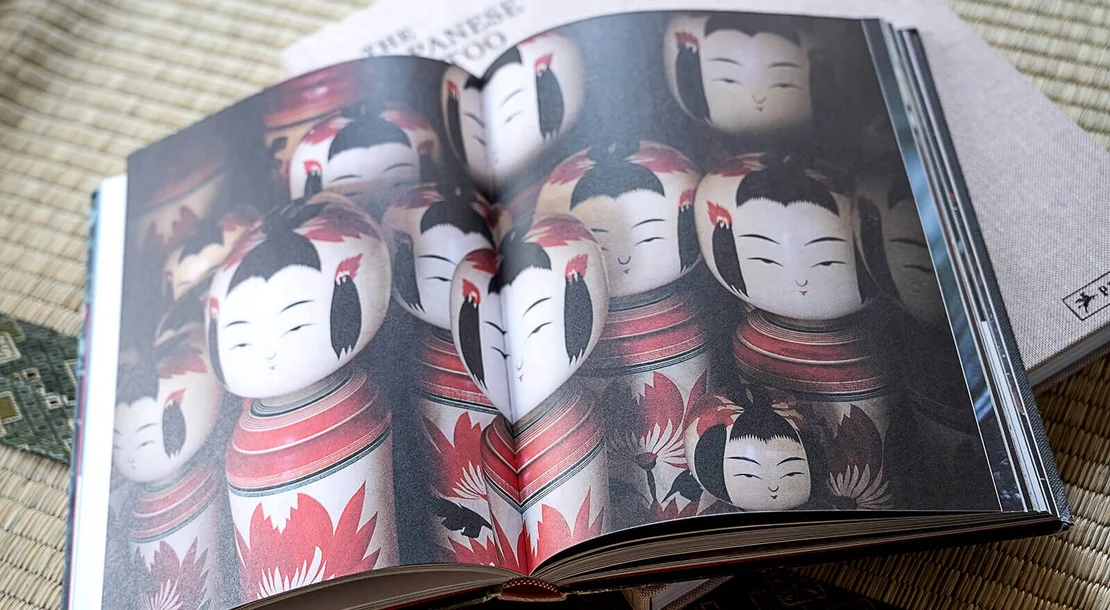
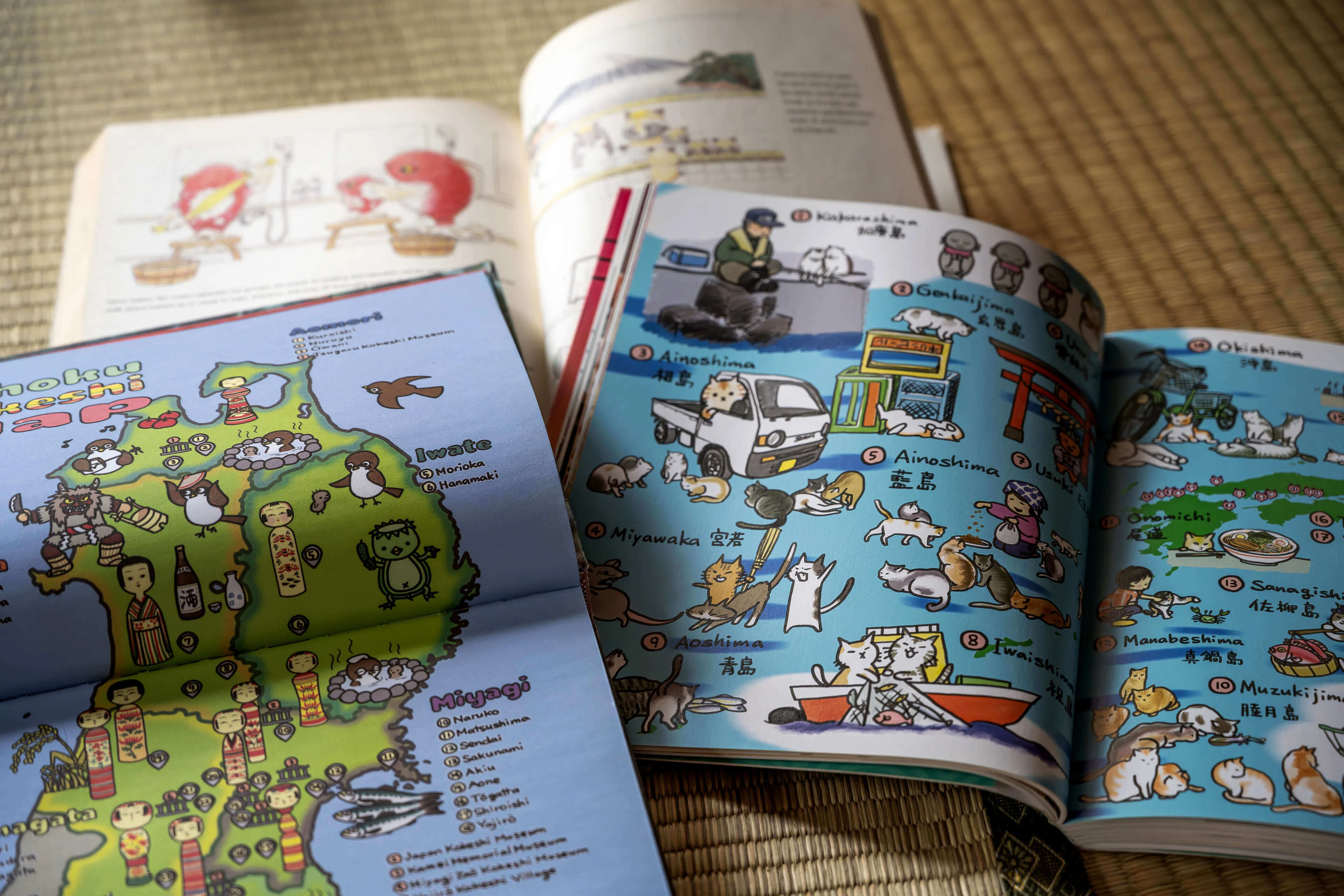
Double-page spread from Manami Okazaki’s book “Kokeshi from Tohoku with Love”
Main content
Interview with Author Manami Okazaki
From Shitamachi with pride
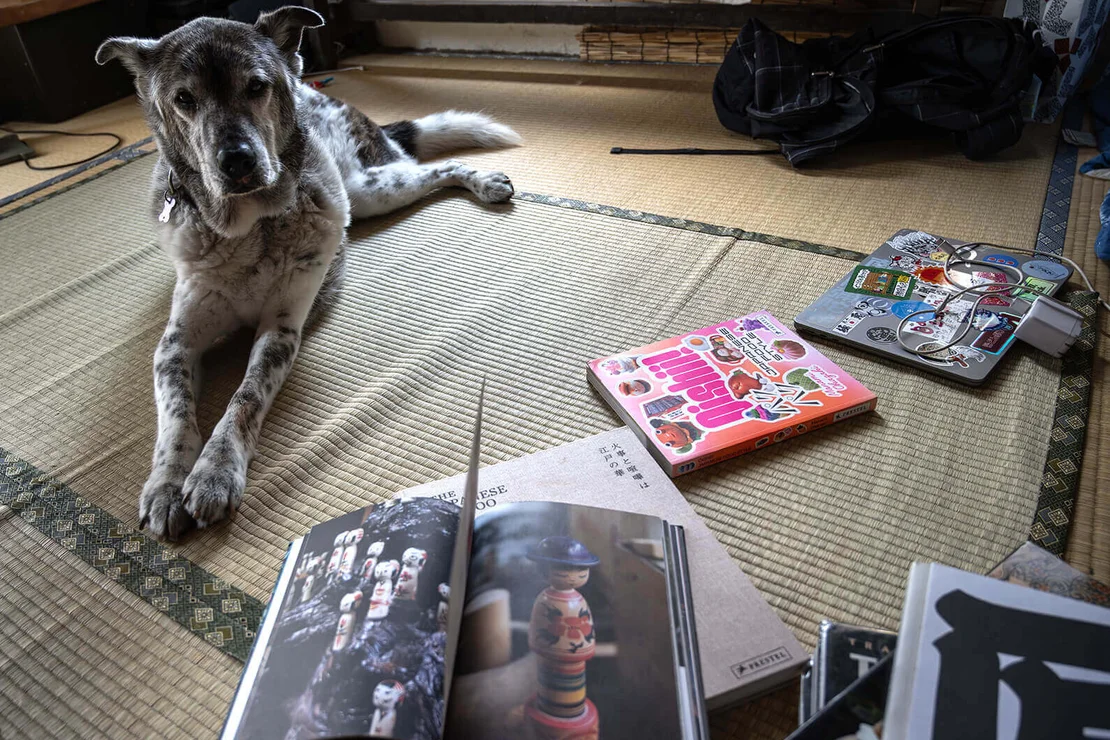
About Place, Craft and Cultural Context
Your books cover everything from kokeshi dolls and traditional crafts to tattoos, festivals and neighbourhood culture. What connects all these topics?
I think generally it’s because the books are personal projects. My main work is journalism, where I cover all kinds of topics, including social issues, but the books are much closer to my personal interests and my lifestyle.
What interests me most is craftsmanship that’s rooted in a particular place and shaped by the culture around it. For me, it’s not that interesting to take a craft object and talk about it in isolation. What’s interesting is the fact that it exists within a specific culture and context. That’s what gives it life. That’s what gives it relevance in today’s world. It’s not just a strange artefact; it’s part of a living environment and a way of life, and that’s what I try to convey in my books.
You often talk about place and locality rather than objects themselves.
Yes. Kokeshi dolls are a good example. They’re only made in Tohoku, in the northern hot-spring regions of Japan, and my mother comes from that area.
The project actually grew out of the 2011 tsunami. My family’s hometown was completely destroyed, and many of the evacuees were relocated to hot-spring villages while they recovered. A lot of those villages happened to be places where kokeshi dolls were made. If you wanted to interview people affected by the disaster, you inevitably found yourself spending time in these communities.
What fascinated me wasn’t simply the dolls themselves. It was how completely intertwined the craft was with the identity of a place. If you visit a kokeshi-making village, the entire village is kokeshi. The bridge is kokeshi. The handrails are kokeshi. The telephone box is kokeshi. It gets to the point where it’s actually ridiculous, but that’s exactly what makes it interesting.
The same is true of many traditional crafts in Tohoku. If you go to a pottery town, the whole town revolves around pottery. If you go to a kokeshi town, everything revolves around kokeshi. The craft isn’t separate from the place. It’s part of the identity of the community itself.
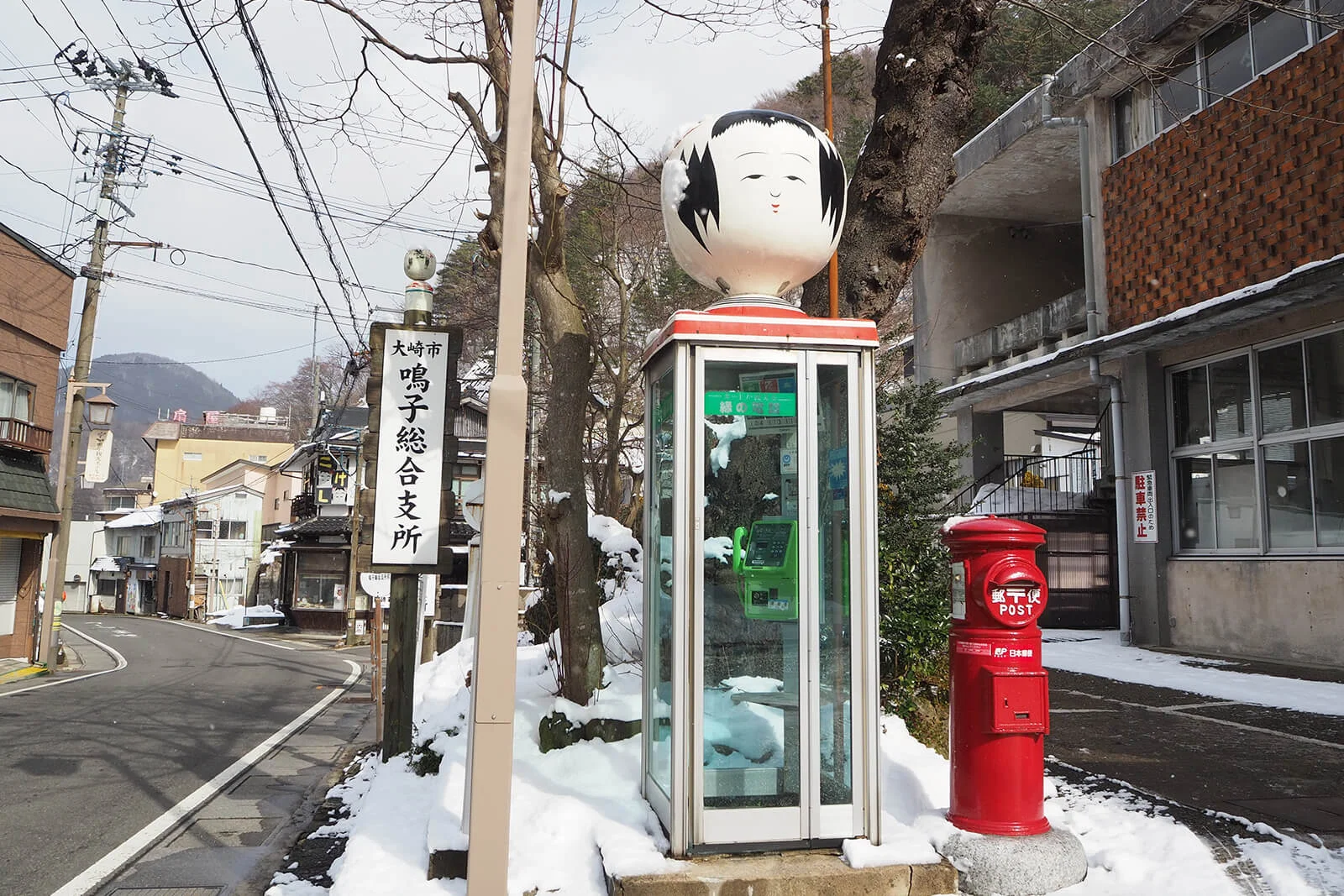
Kokeshi Telephone Booth, Photo: Manami Okazaki
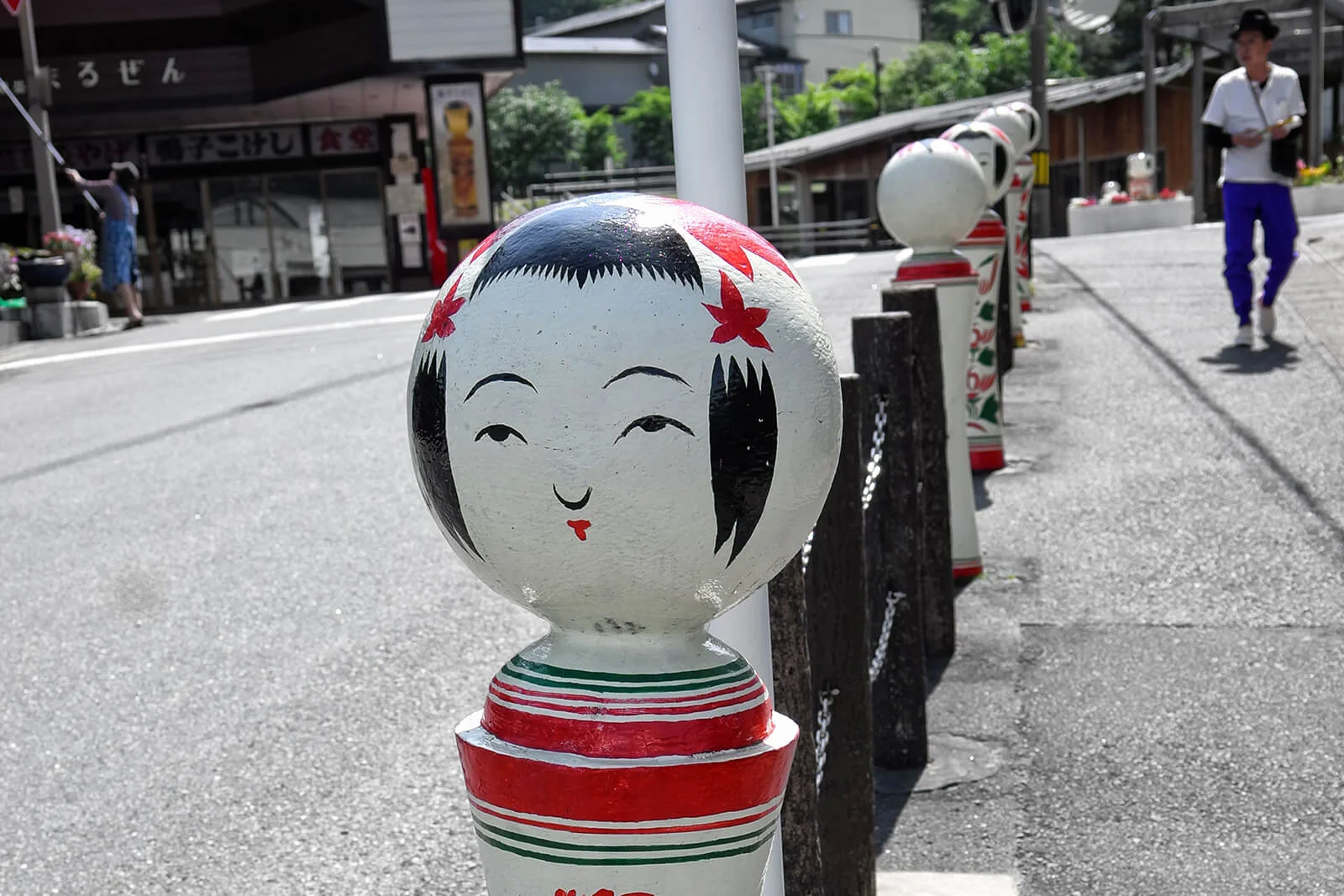
Kokeshi Handrail, Photo: Manami Okazaki
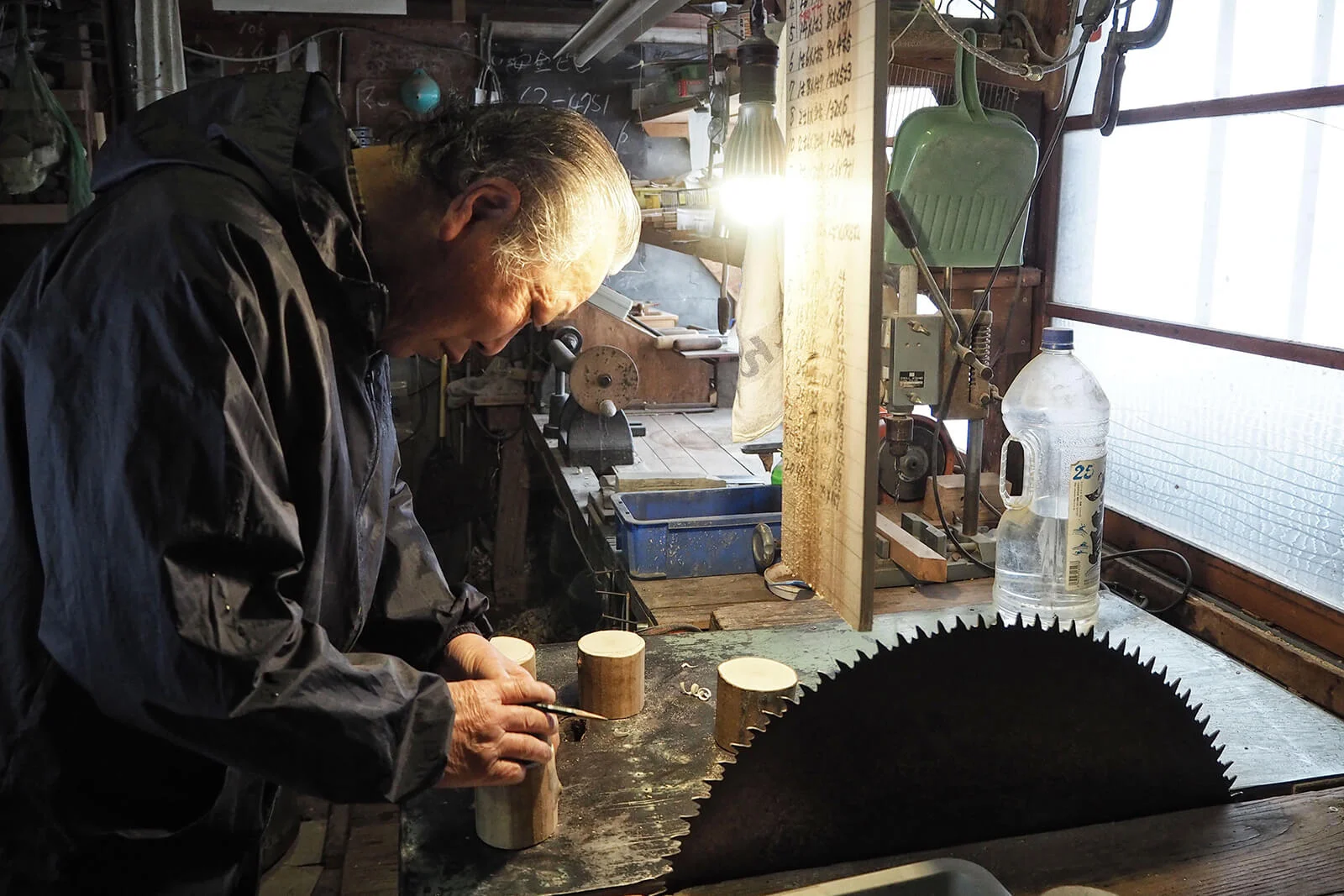
Kokeshi making, Photo: Manami Okazaki
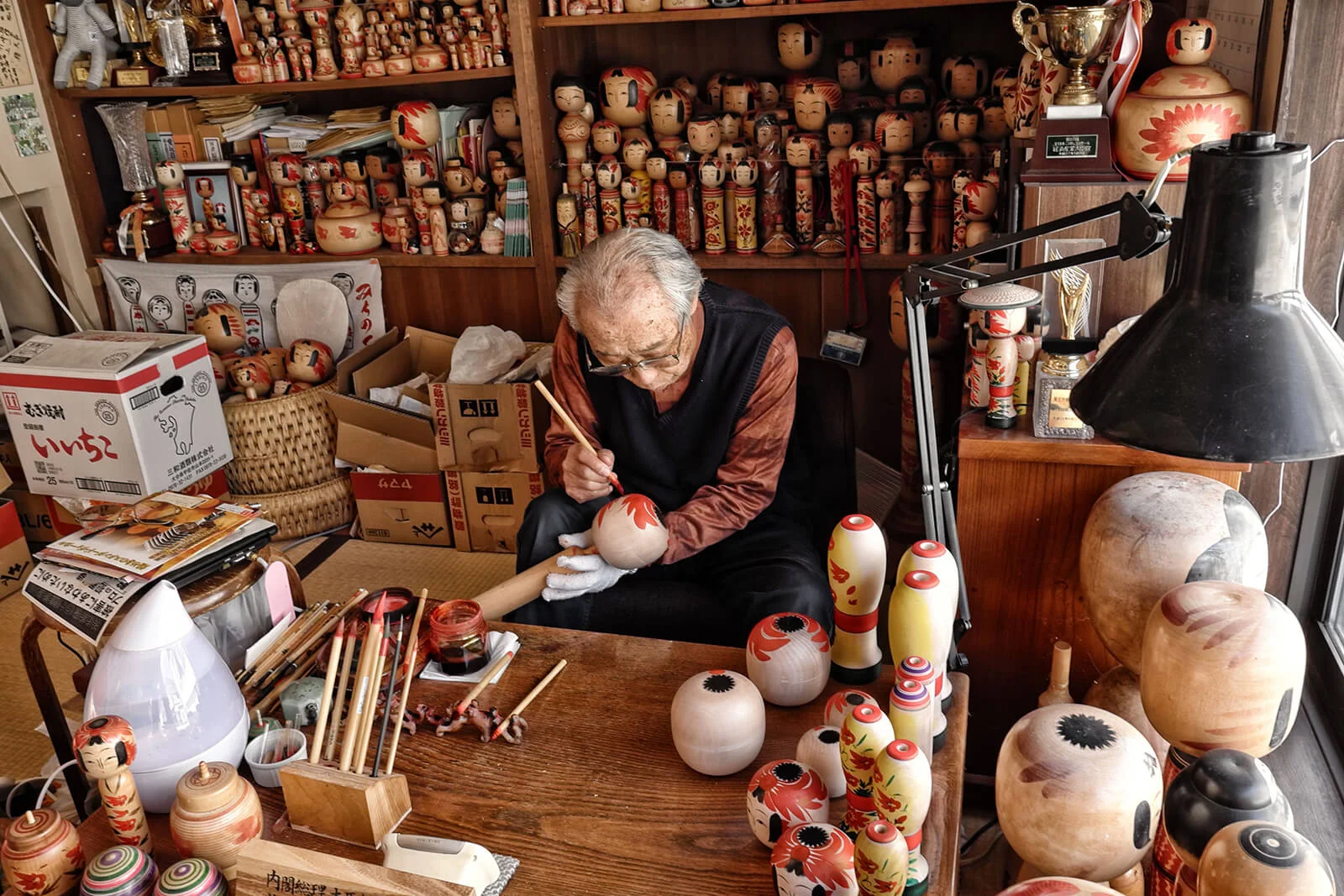
In a Kokeshi workshop, Photo: Manami Okazaki
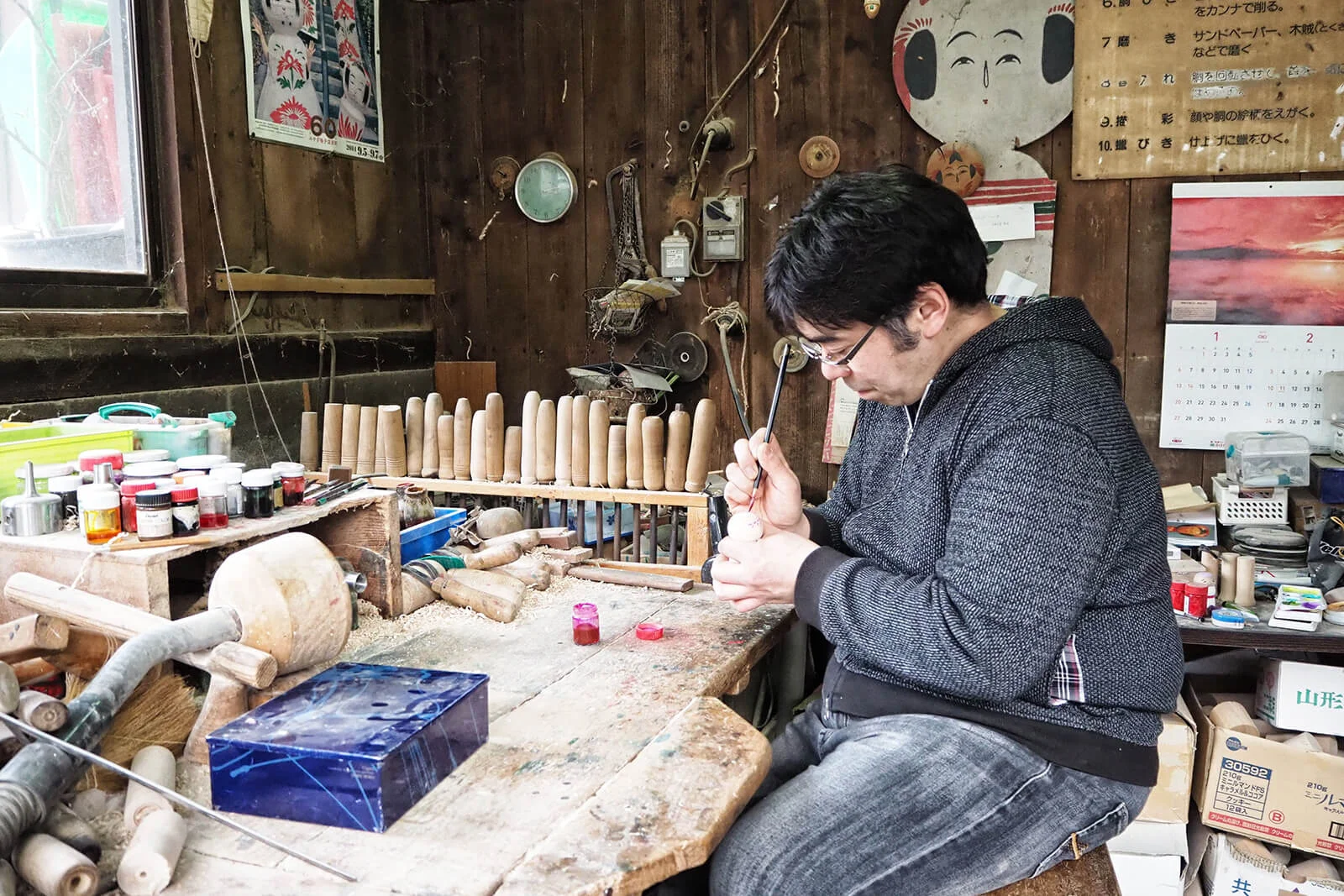
The kokeshi dolls are hand-painted, Photo: Manami Okazaki
Although some of your books focus on crafts, you seem equally concerned with communities, places and everyday culture. What is it that really interests you?
Even when I write about tattoos or what we call shitamachi culture in downtown Tokyo, what interests me is the culture and context around those things.
Tattoos, for example, are connected to festivals, neighbourhood life, bathhouses, working-class culture and the history of downtown Tokyo. They’re connected to the way people live their everyday lives. The same is true of many traditional crafts.
For me, it’s about understanding the wider culture that gives these things meaning. Without that context, they become much less interesting. What interests me is how all these different elements connect to one another and help define a particular place and community.
Your books are highly visual. How important is design to your work?
It’s extremely important. Because the books are so visual, I’m always thinking about imagery when I’m choosing a project. I tend to choose subjects that have strong symbolism or can be expressed visually. I also work closely with photographers, designers and illustrators, because the book itself is an object and I have to justify making it into a physical object rather than simply publishing the material online.
The way something is presented changes the way people understand it. One of my self-published books ended up being stocked by institutions like the Brooklyn Museum and MoMA, and a large part of that was due to the design. The designer didn’t just lay out the pages. She understood the craft itself and incorporated elements of it into the visual language of the book. The result felt connected to the culture it was documenting.
For me, design isn’t separate from the content. It’s part of the storytelling. It shapes the way readers perceive the subject and often determines whether they engage with it at all.
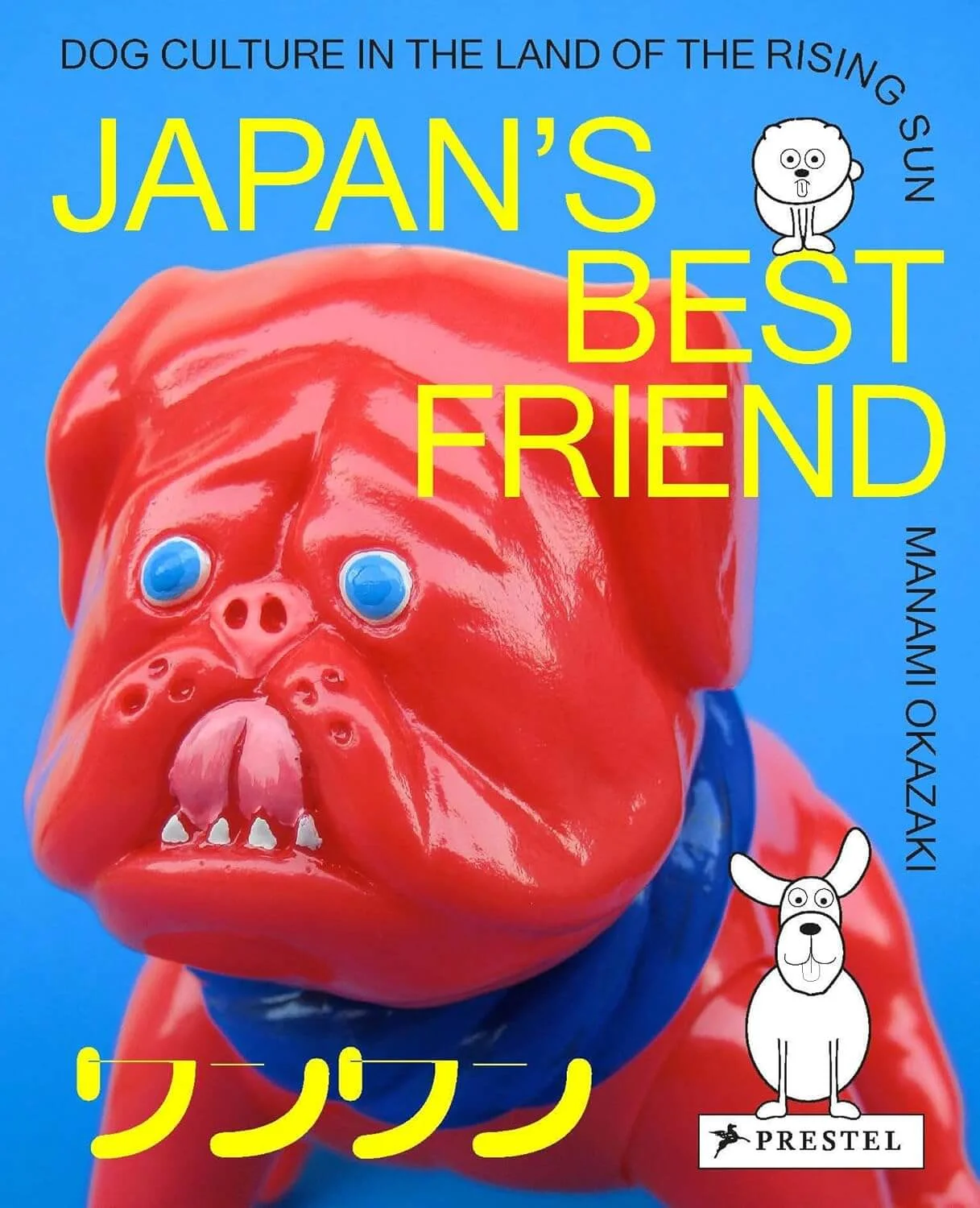
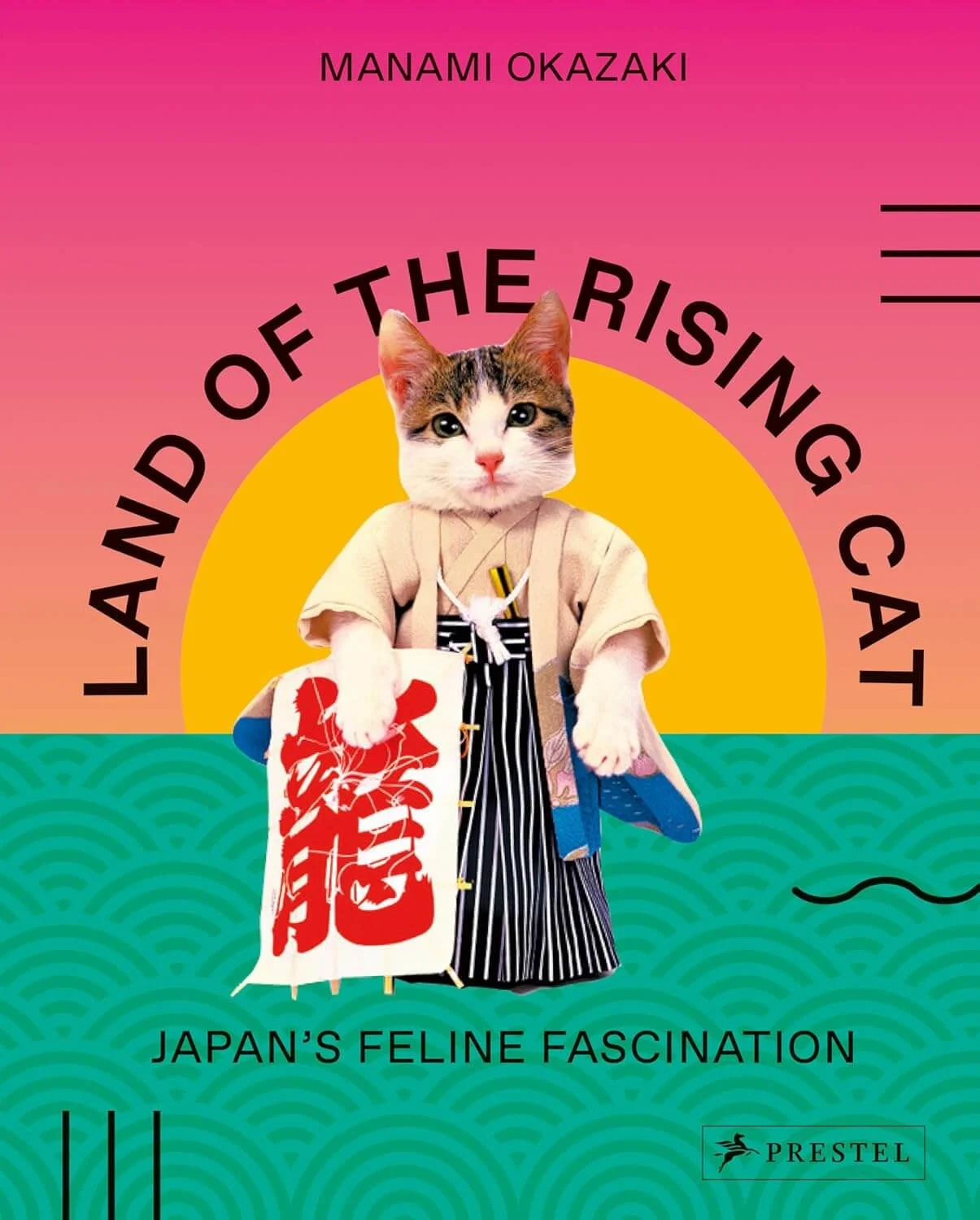

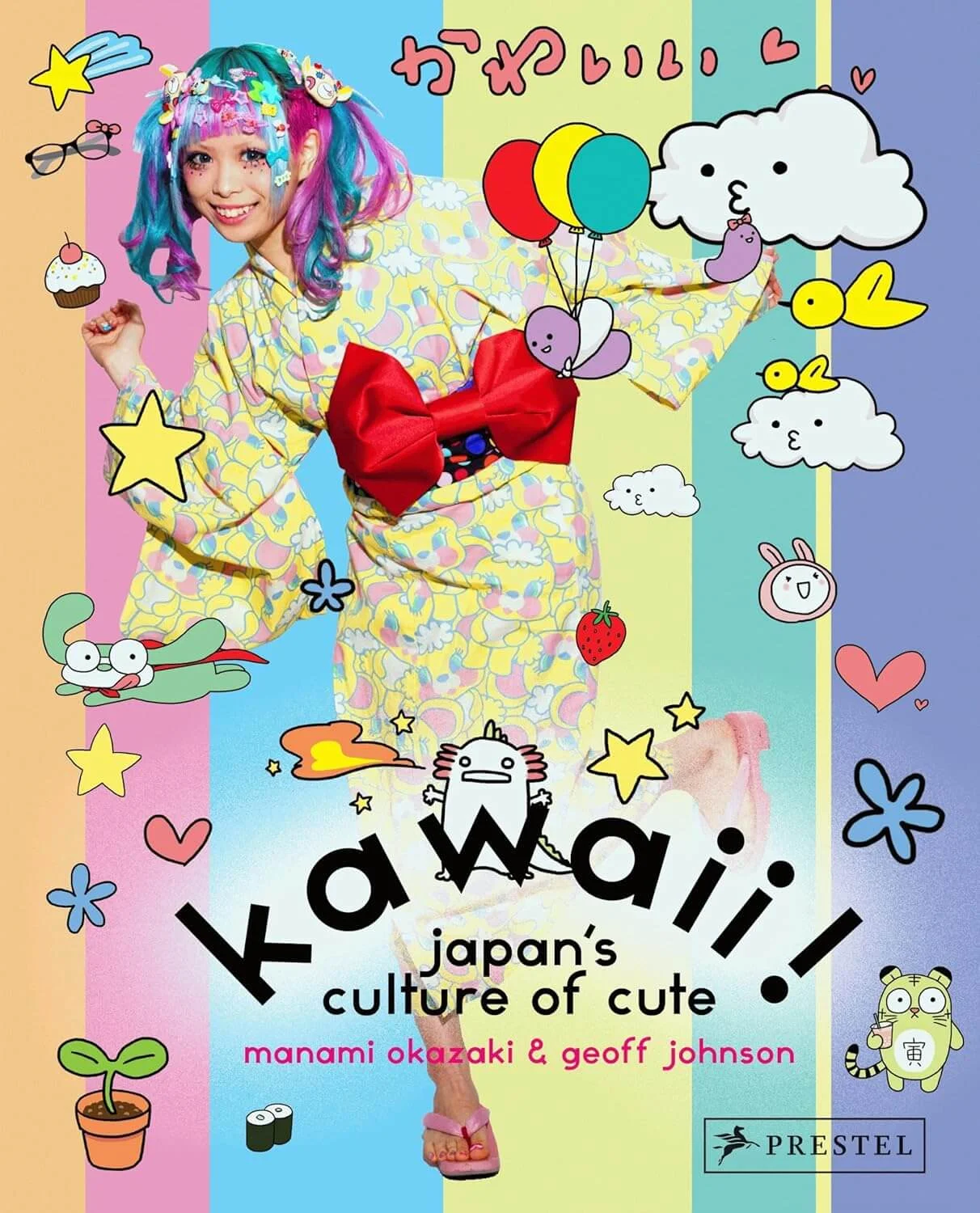
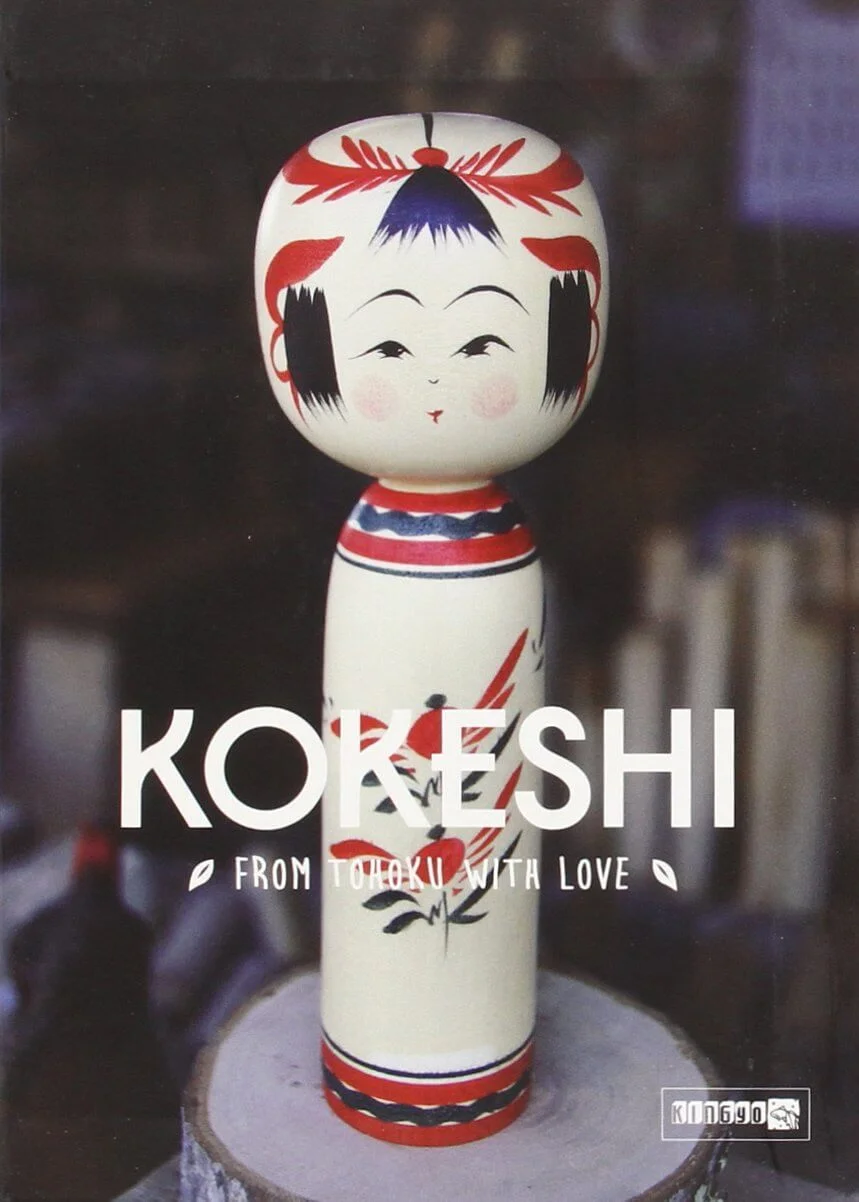
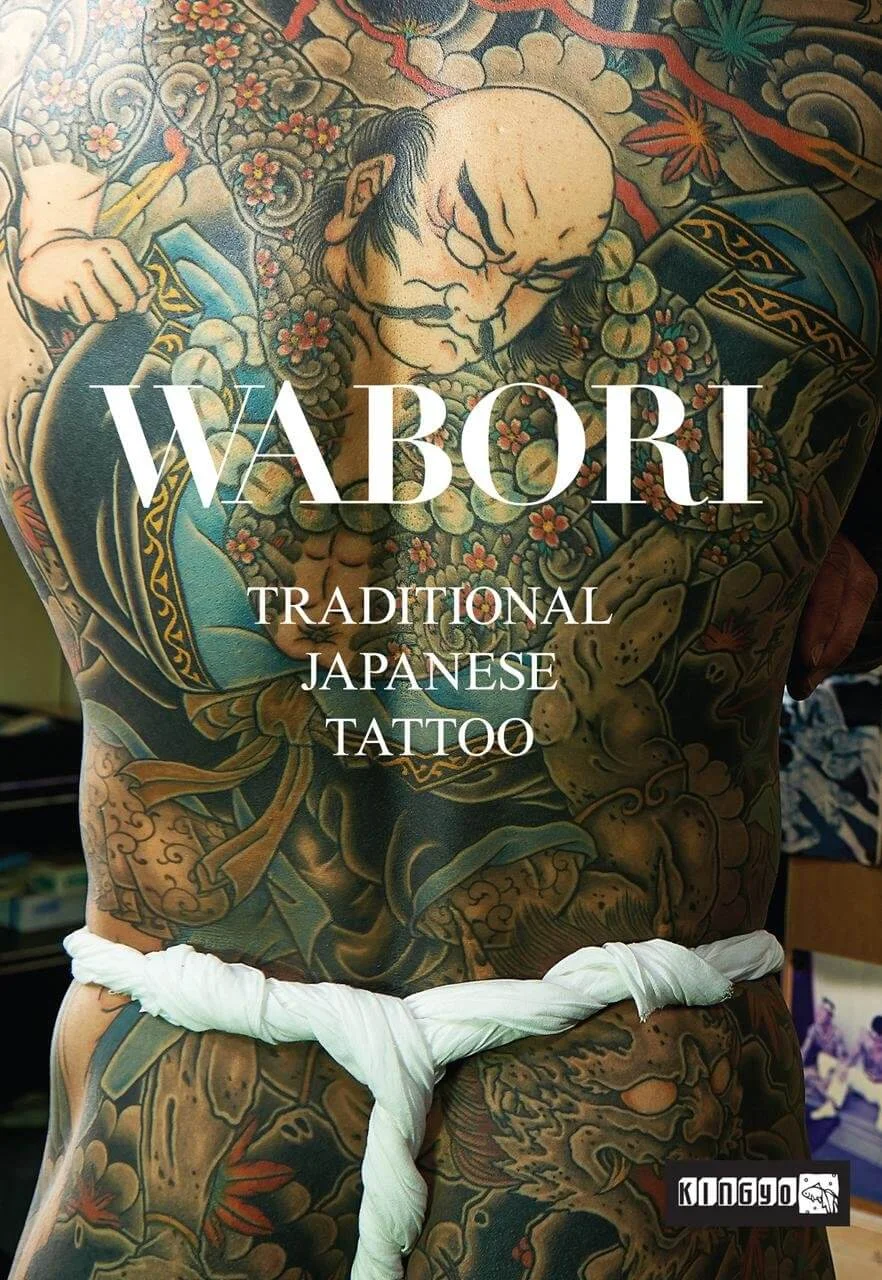
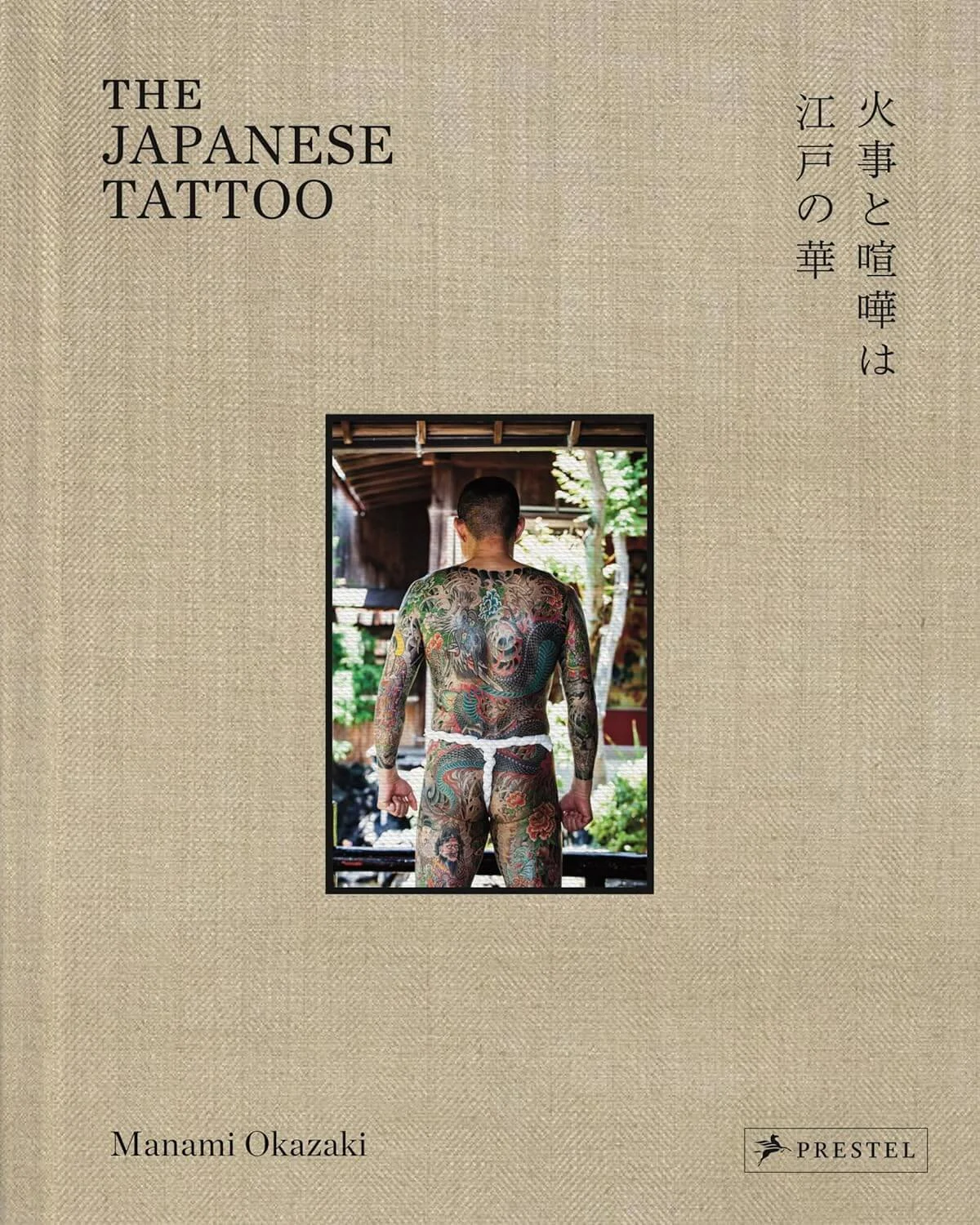
Top: Many of Manami’s books have been published by Prestel, a publishing house known for bringing Japanese aesthetics and visual culture to Western audiences with a high level of visual refinement.
Bottom: Illustrated maps from the books Kokeshi: From Tohoku with Love and Land of the Rising Cat. Manami regularly works closely with the Japanese illustrator Ai Sawada.
The Decline of Traditional Crafts
Many of the cultures you document seem to be facing an uncertain future. Is that something you encounter repeatedly?
Yes. Almost all the cultures I work with are grappling with decline.
With kimono, for example, much of the artisanal culture is disappearing and being replaced by machine-printed products and mass production. The average age of many artisans is now sixty or seventy, and for every ten or twenty craftspeople you might find only one apprentice. It’s a pattern I see again and again. Some crafts are already down to only one or two remaining practitioners. In many cases people are aware that they may be witnessing the final generation.
Is this something the artisans themselves talk about?
Everyone talks about it. It doesn’t matter what craft you’re dealing with—everyone says the same thing: it’s difficult.
At the same time, the people themselves are incredibly welcoming. They’re warm, generous and very open about their work. There’s still plenty of interest from the public, and that’s something many people misunderstand. What’s happening is that there are enough people who appreciate these crafts, but there aren’t enough people willing or able to become makers. That’s the real imbalance. There is consumer interest, but finding apprentices and successors has become increasingly difficult.
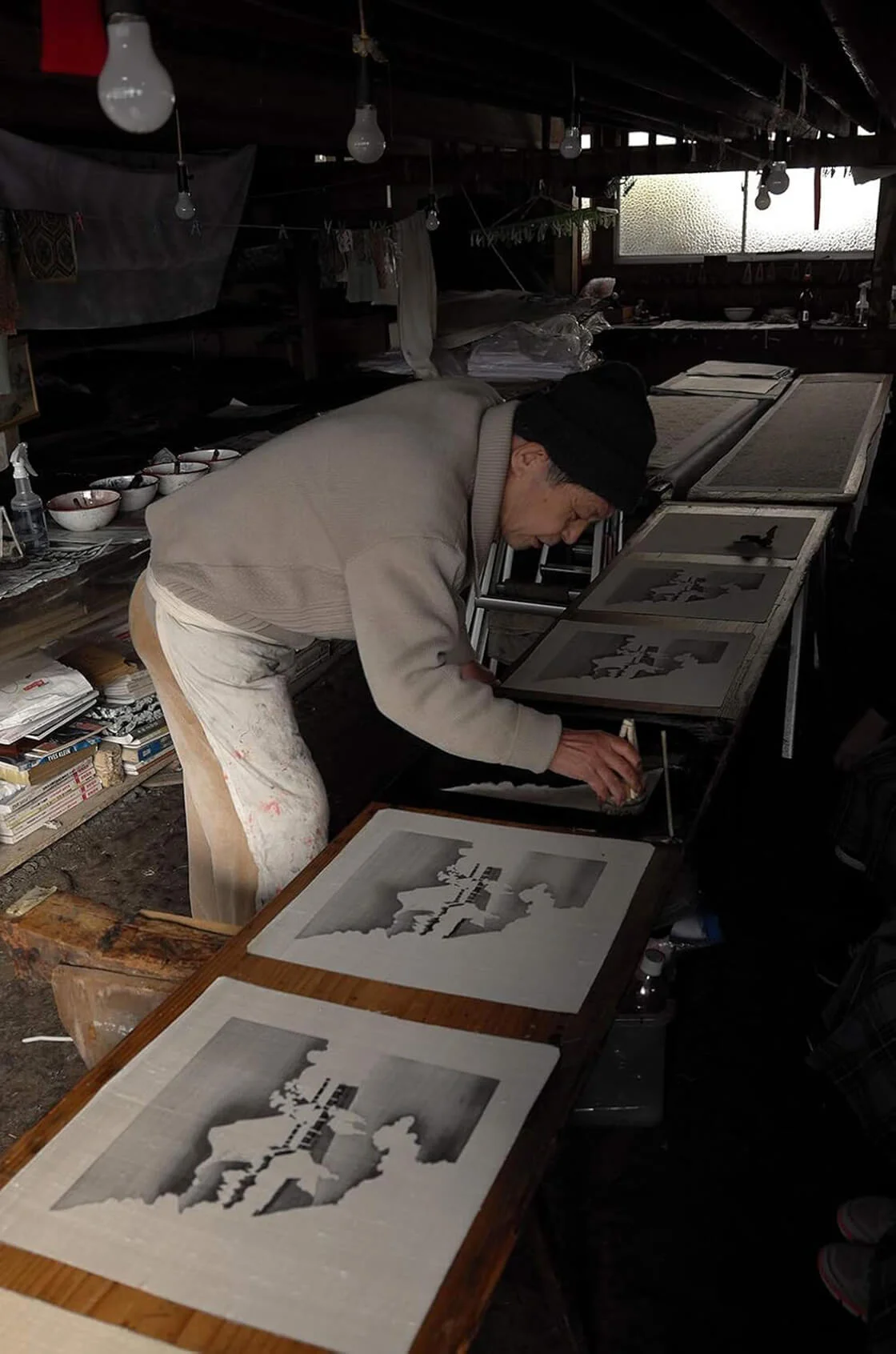
Brushes made from deer hair are used in traditional dyeing methods that are increasingly being displaced by machine-based techniques. Image from Manami Okazaki’s book “Takumi: Downtown Tokyo Artisan Culture”
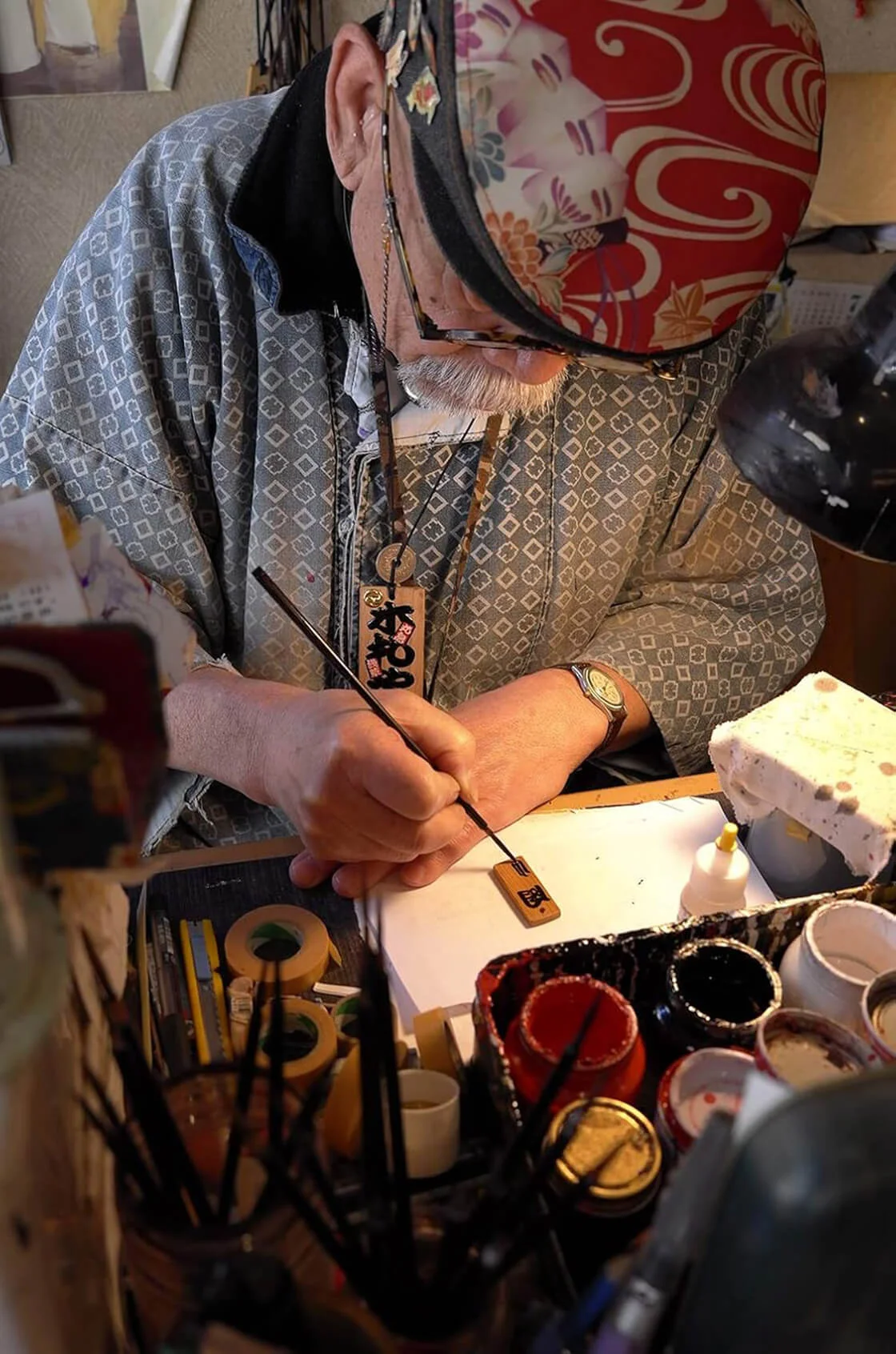
Painting lettering onto kifuda, traditional wooden talismans. The distinctive lettering styles can be traced back to Edo-period advertising. Image from Manami Okazaki’s book “Takumi: Downtown Tokyo Artisan Culture”
Many people outside Japan assume that traditional crafts are still securely rooted in society. Is that perception accurate?
Not really. A lot of people assume these traditions will always be there, but many of them are actually in a very fragile position. When people look at a finished object, they often don’t see the wider ecosystem behind it. They don’t see the network of specialised workshops, suppliers and craftspeople that make its existence possible. Once that chain starts to break, it becomes very difficult to rebuild.
That’s why I often say it’s never just about the craft itself. The craft survives because an entire community and infrastructure exist around it. Once those connections disappear, the craft becomes much harder to sustain.
Has COVID accelerated some of these changes?
It was extremely difficult. For many festivals there was almost no activity for two or three years, and a lot of artisans depend on festivals for a significant portion of their income. When the festivals stopped, there was very little they could do. Many communities were already struggling with ageing populations and a shortage of successors, and COVID made those problems even more visible. It didn’t create the crisis, but it certainly accelerated existing trends.
Despite these challenges, are there any areas where you see hope?
There are always exceptions. Kokeshi is actually one of the unusual success stories and is doing relatively well. More broadly, there is still interest. People still visit workshops, buy traditional crafts and want to learn about these cultures. The challenge isn’t demand. The challenge is finding the next generation of makers. That’s what almost everyone is struggling with right now.
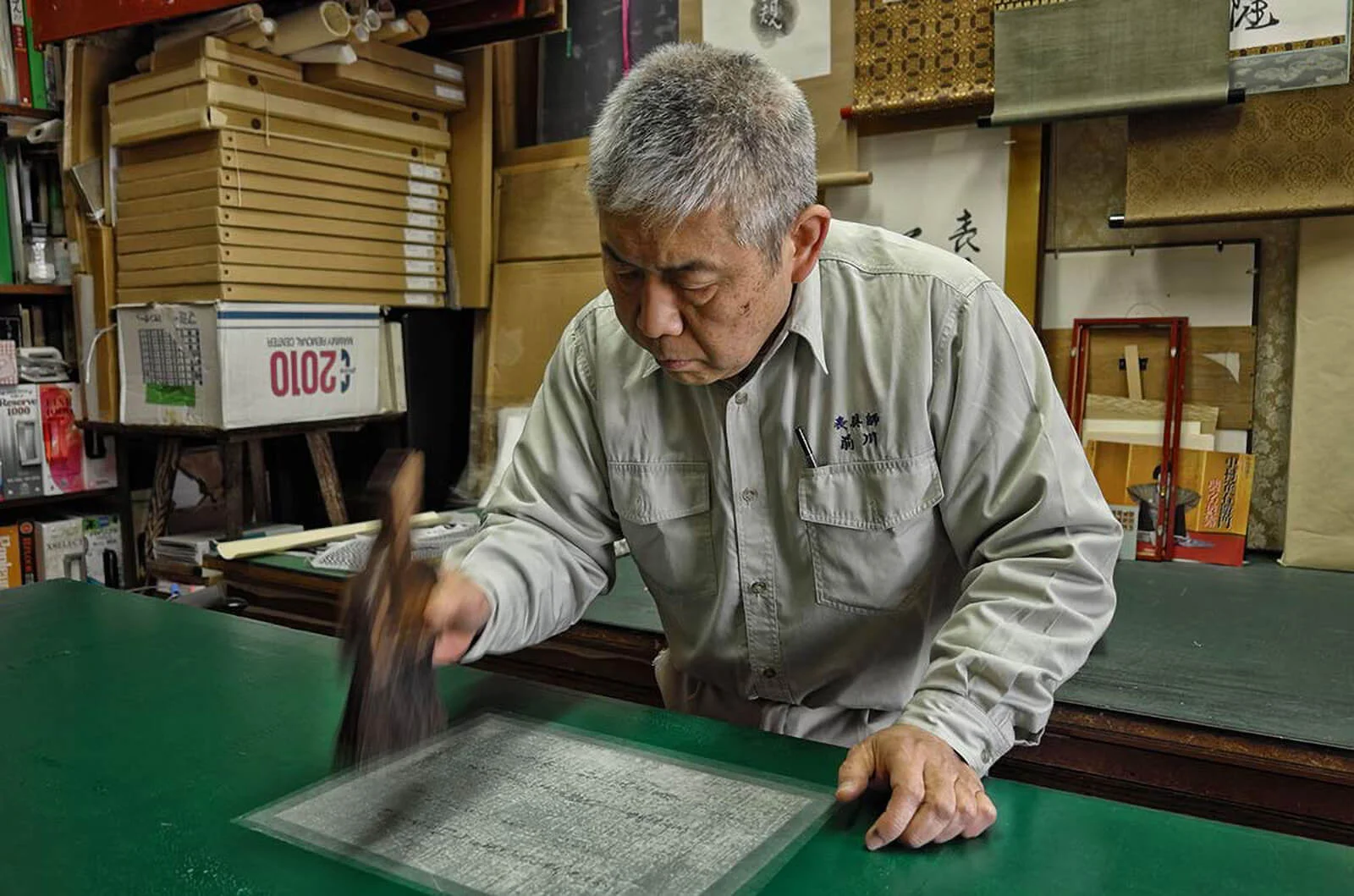
“Hyōgu” is a centuries-old method of mounting and framing calligraphy and paintings, often created on washi paper or silk. Image from Manami Okazaki’s book “Takumi: Downtown Tokyo Artisan Culture”

Traditional “sudare” bamboo or reed blinds are now made in only five workshops in Tokyo. Image from Manami Okazaki’s book “Takumi: Downtown Tokyo Artisan Culture”
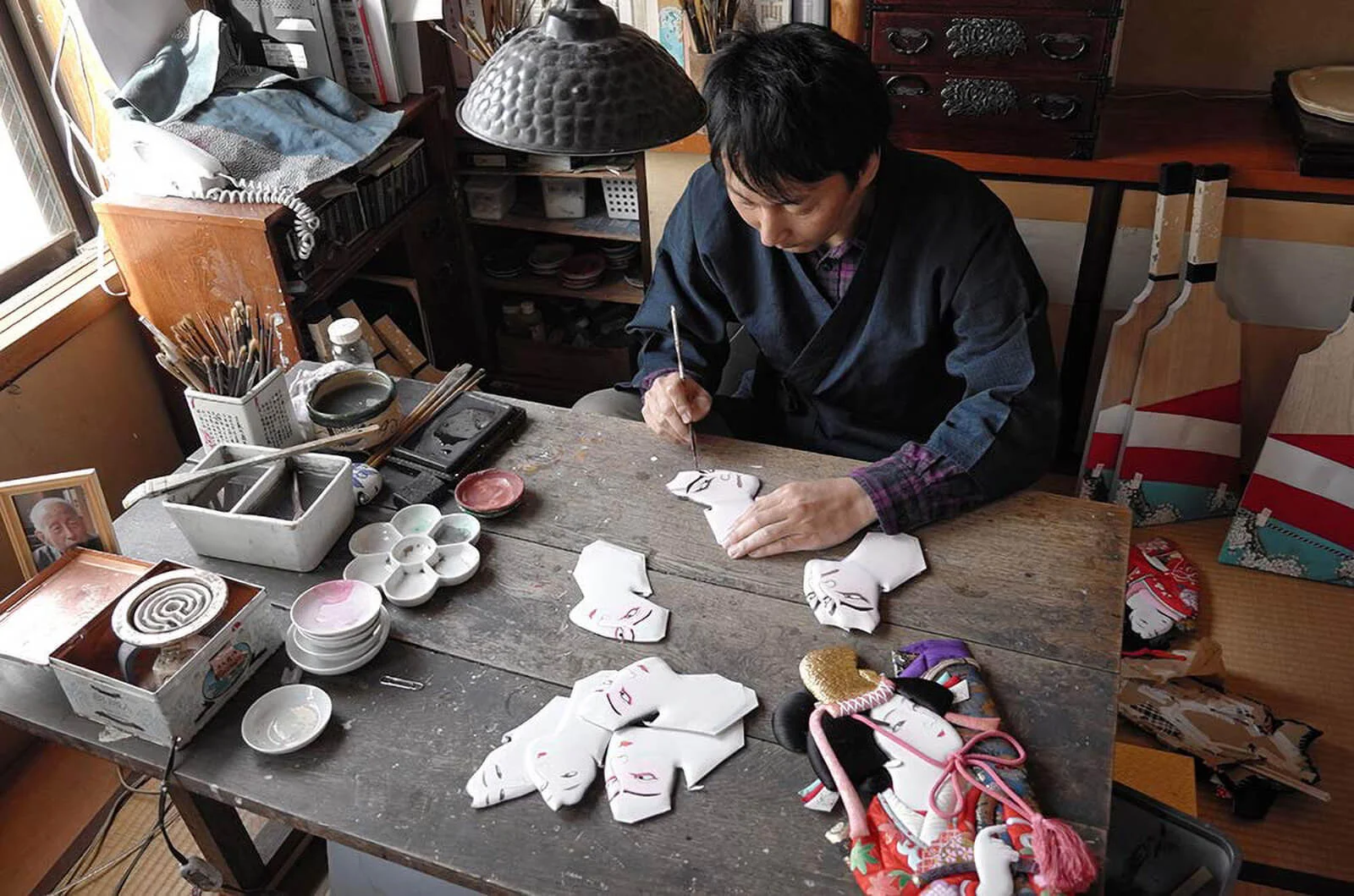
“Hagoita” are ornate wooden paddles that today serve mainly as decorative objects. They typically feature highly expressive faces from kabuki theatre. Image from Manami Okazaki’s book “Takumi: Downtown Tokyo Artisan Culture”
Digital Culture and the End of an Era
In your books you often return to questions of place, locality and physical culture. Do you feel these things are changing?
I’ve been documenting these cultures for around twenty years, and I genuinely feel that we’re standing at the end of one era and moving into another. Up until COVID, traditional crafts, local communities, festivals and contemporary popular culture all seemed to coexist. Even when people lived differently from me, I could still understand the cultural framework they belonged to.
Since COVID, though, I can feel a much more dramatic shift. Relationships have become increasingly online, entertainment has become more virtual, and concepts such as locality, materiality and physical presence are becoming less central than they once were. For me, the scale of this change feels enormous. In some ways, it feels as significant as the transition from one historical era to another. There’s a definite cultural shift taking place.
What does that shift look like in everyday life?
The clearest example is the changing meaning of place. If you were involved in a subculture twenty years ago, you had to physically go somewhere. If you were interested in alternative fashion, you went to Harajuku. You met your friends there. The entire culture was built around specific locations. Today, even major influencers can build entire careers without leaving their bedrooms. Many people no longer need a physical meeting place. Communities increasingly exist online, and social relationships are often detached from locality.
I have a friend who was one of the original Harajuku fashion figures. Today her work involves becoming a digital avatar. She still belongs to that cultural lineage, but the space where she now exists is largely virtual. That’s a profound change.
Does that concern you?
I don’t think it’s simply a question of good or bad. Not everybody is moving in the same direction. If you spend time in neighbourhoods like this one, you can still find communities built around physical relationships, local businesses and everyday face-to-face interactions. But if you look at mainstream culture, entertainment and social life, there’s clearly a movement towards something much more virtual.
That’s one reason locality, craftsmanship and material culture interest me so much. I feel like many of these things belong to a world that is rapidly changing. In a sense, I’m documenting the closing chapter of one period while another is beginning.
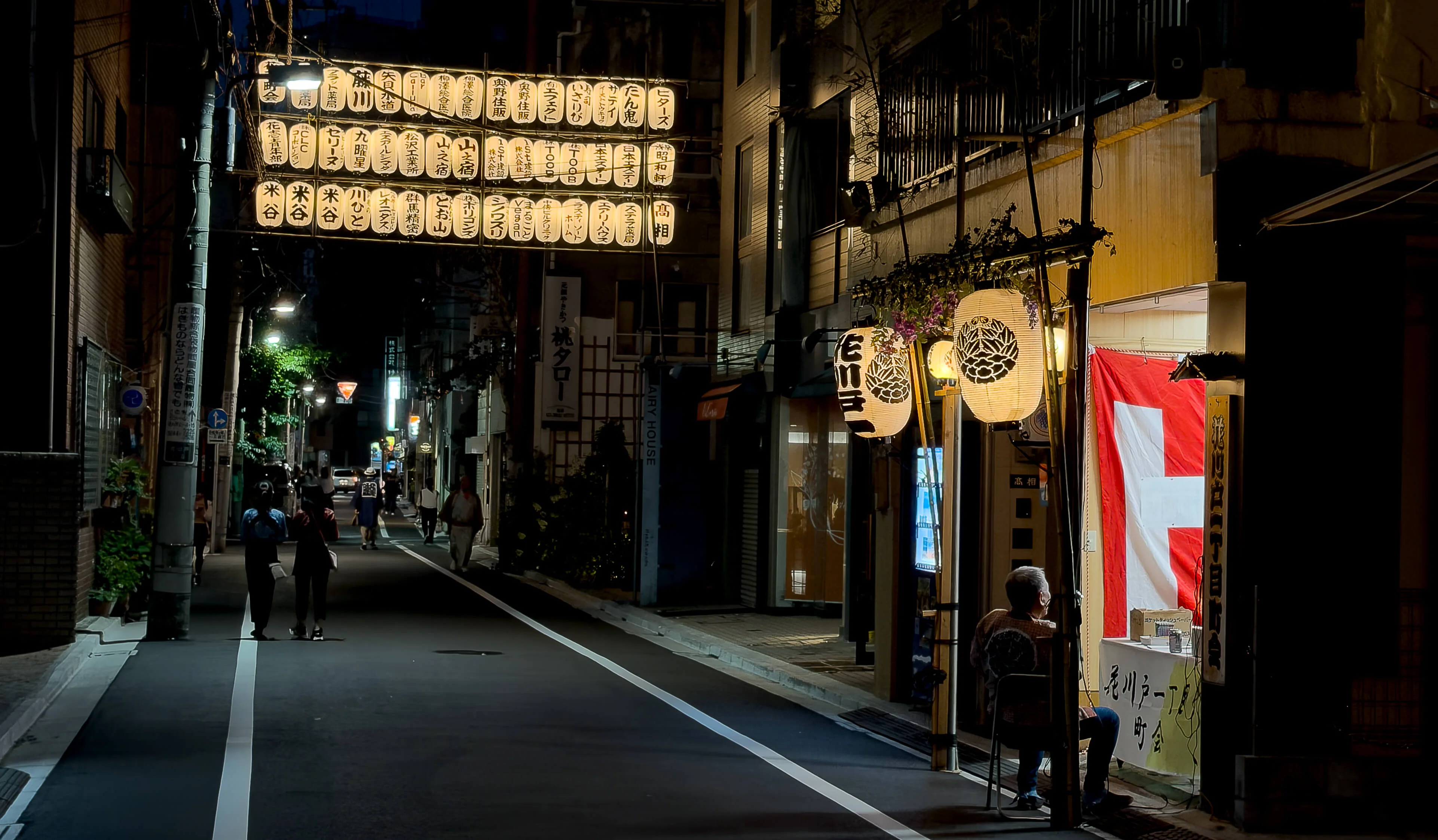
Festivals as Cultural Infrastructure
You describe festivals as something much larger than cultural events.
Because they are. Most people see festivals as celebrations or entertainment, but for many traditional crafts they’re actually economic infrastructure. Without festivals, a surprising number of artisans simply wouldn’t survive.
The lantern makers depend on festivals. The makers of traditional hand towels depend on festivals. Indigo dyers depend on festivals. The workshops producing happi coats depend on festivals. All of these trades are connected to annual festival cycles.
People often see the event itself, but they don’t see the economic ecosystem supporting it.
Can you give an example?
Take the traditional happi coats worn during festivals. For some workshops, festival-related orders account for a substantial percentage of their annual business. In certain cases, artisans spend months producing garments for a single festival season. Without those commissions, many of those workshops would struggle to survive.
The same applies to lanterns, traditional footwear, hand towels and many other products. Once you begin looking closely, you realise that a festival supports an entire network of specialised crafts.
So when a festival declines, much more declines with it?
Exactly. People often focus on preserving individual objects, but what really matters is preserving the ecosystem that allows those objects to exist.
Without festivals, many artisans would lose a significant portion of their income. If the artisans disappear, the specialised knowledge disappears with them. And once that knowledge is gone, rebuilding it becomes extremely difficult. That’s why I see festivals as cultural infrastructure rather than simply cultural events.
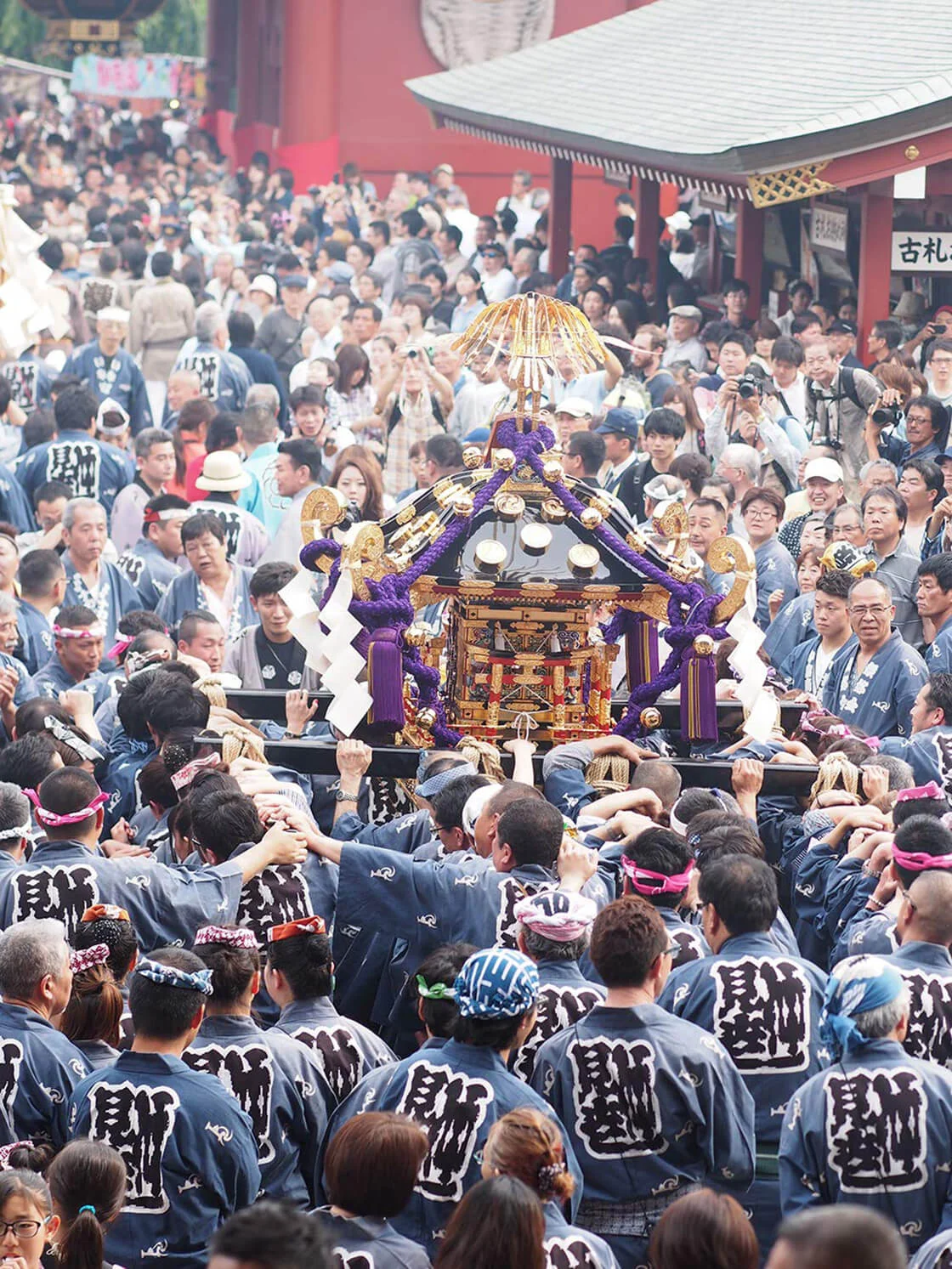
Sanja Matsuri in Asakusa, one of Tokyo’s three great festivals, attracts around two million visitors each year. Image from Manami Okazaki’s book “Takumi: Downtown Tokyo Artisan Culture”
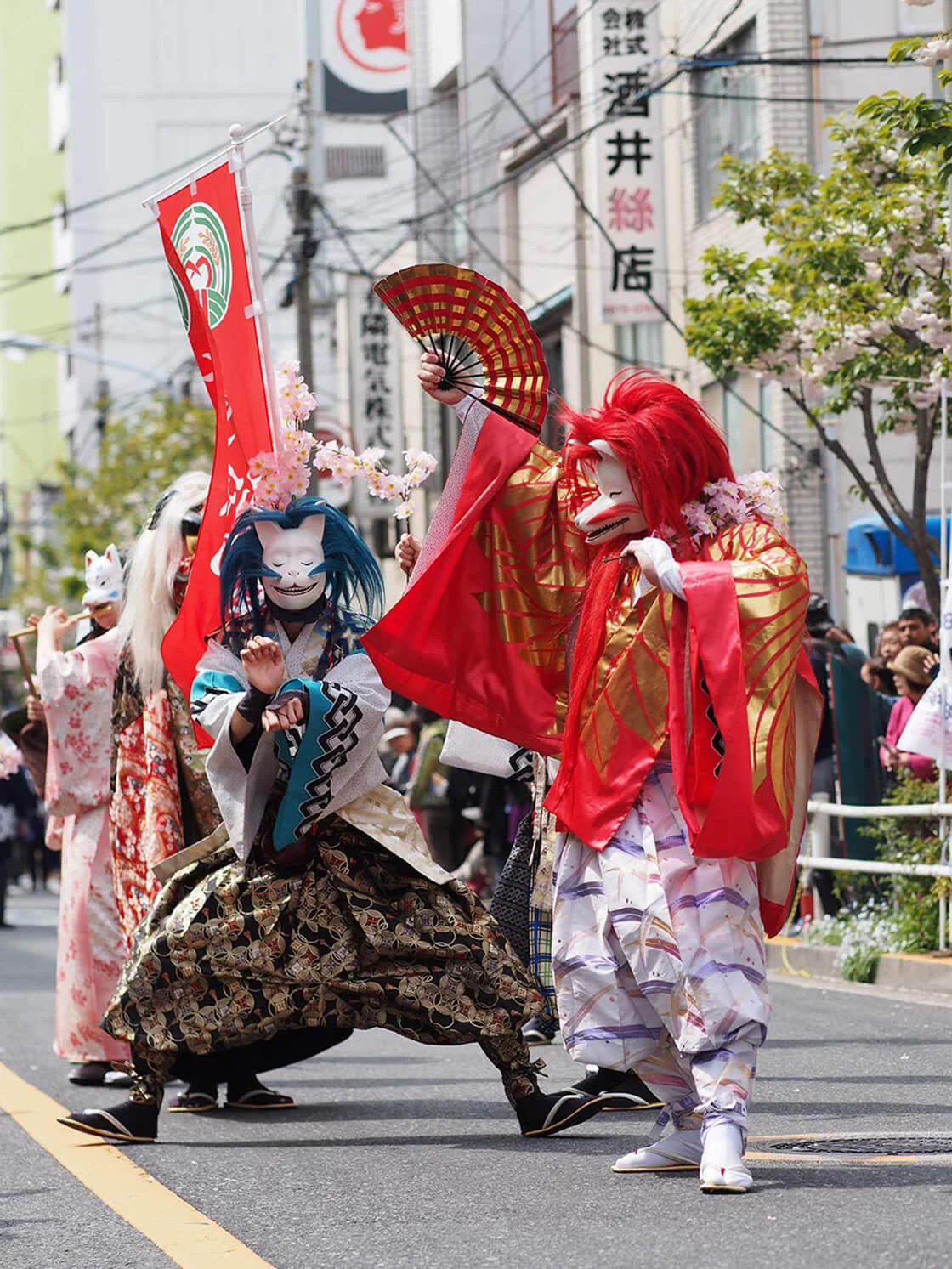
Yoshiwara foxes at the Oiran Dōchū Festival in April. Image from Manami Okazaki’s book “Takumi: Downtown Tokyo Artisan Culture”
Shotengai, Bathhouses and Neighbourhood Life
Another recurring theme in your work is the shotengai, the traditional neighbourhood shopping street.
The shotengai is part of exactly the same ecosystem. Many traditional crafts survive because local businesses still use them. Small restaurants, tofu shops, family-owned retailers and neighbourhood businesses often continue to buy handmade signs, traditional decorations, lanterns and other locally produced goods.
If the shopping streets disappear, many crafts lose an important customer base. Again, it’s all connected.
Are shotengai disappearing?
Many of them are. Some have managed to reinvent themselves and attract younger shop owners, but a great number are struggling. In many cases the current generation of shopkeepers is already quite old, and there isn’t always someone ready to take over. The same pattern appears in many other aspects of neighbourhood life.
You also write about sentō, the traditional bathhouse.
Sentō are disappearing very quickly. In areas like Asakusa, many bathhouses have closed over the last few years. Some neighbourhoods that once had several bathhouses are now left with only one or two.
What’s disappearing isn’t just a building. It’s a social space. It’s a place where people meet neighbours, exchange information and maintain a sense of community. That’s what interests me. These places form part of the cultural fabric of a neighbourhood.
Is that what attracts you to downtown Tokyo?
What I like about these neighbourhoods is that they’re still built around physical relationships. They’re communities of artisans, small businesses, local networks and long-term residents. You still see multi-generational relationships and forms of everyday interaction that are becoming increasingly rare elsewhere. That’s one reason I keep returning to these places in my work.
Tattoos, Working-Class Culture and Downtown Tokyo
Many people outside Japan immediately associate traditional tattoos with organised crime.
That’s probably the biggest misconception. Historically there was certainly some overlap, particularly in the post-war period, but if you look at traditional tattoo culture today, the vast majority of people involved are not connected to organised crime.
Most are ordinary working-class people, especially in areas such as neighbouring Asakusa. They’re fishermen, carpenters, painters, construction workers, restaurant owners, artisans and festival participants. They’re people deeply connected to the everyday culture of downtown Tokyo.
When tourists visit festivals like Sanja Matsuri, they’re often fascinated by the tattoos because they’re dramatic and immediately visible. They’re sensational. But if all you see is the tattoo, you’re missing the larger story. For me, the tattoo itself isn’t actually the most interesting part.

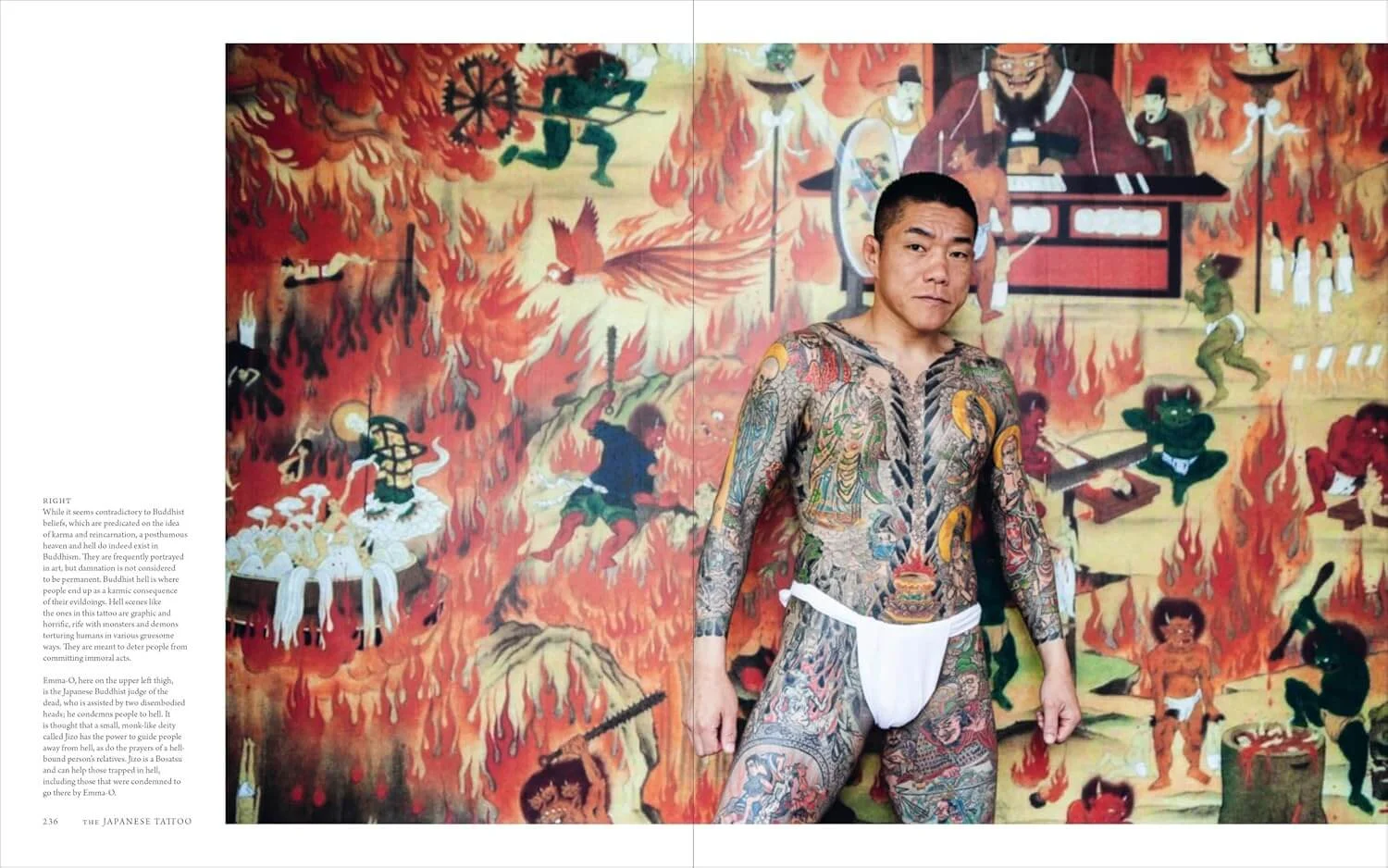
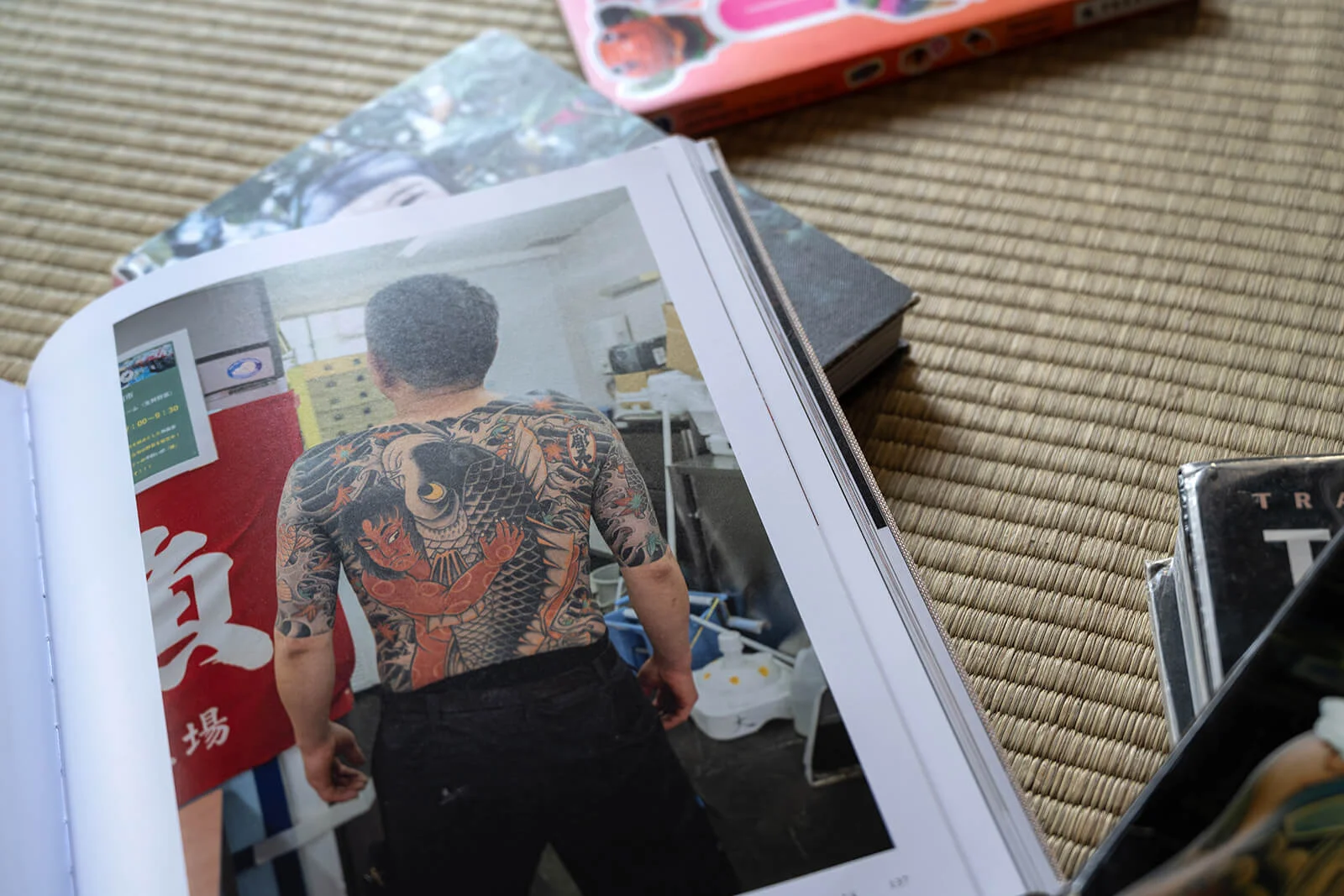
Pages from Manami Okazaki’s book “The Japanese Tattoo: Fights and Fires Are the Flowers of Edo”

What is the interesting part?
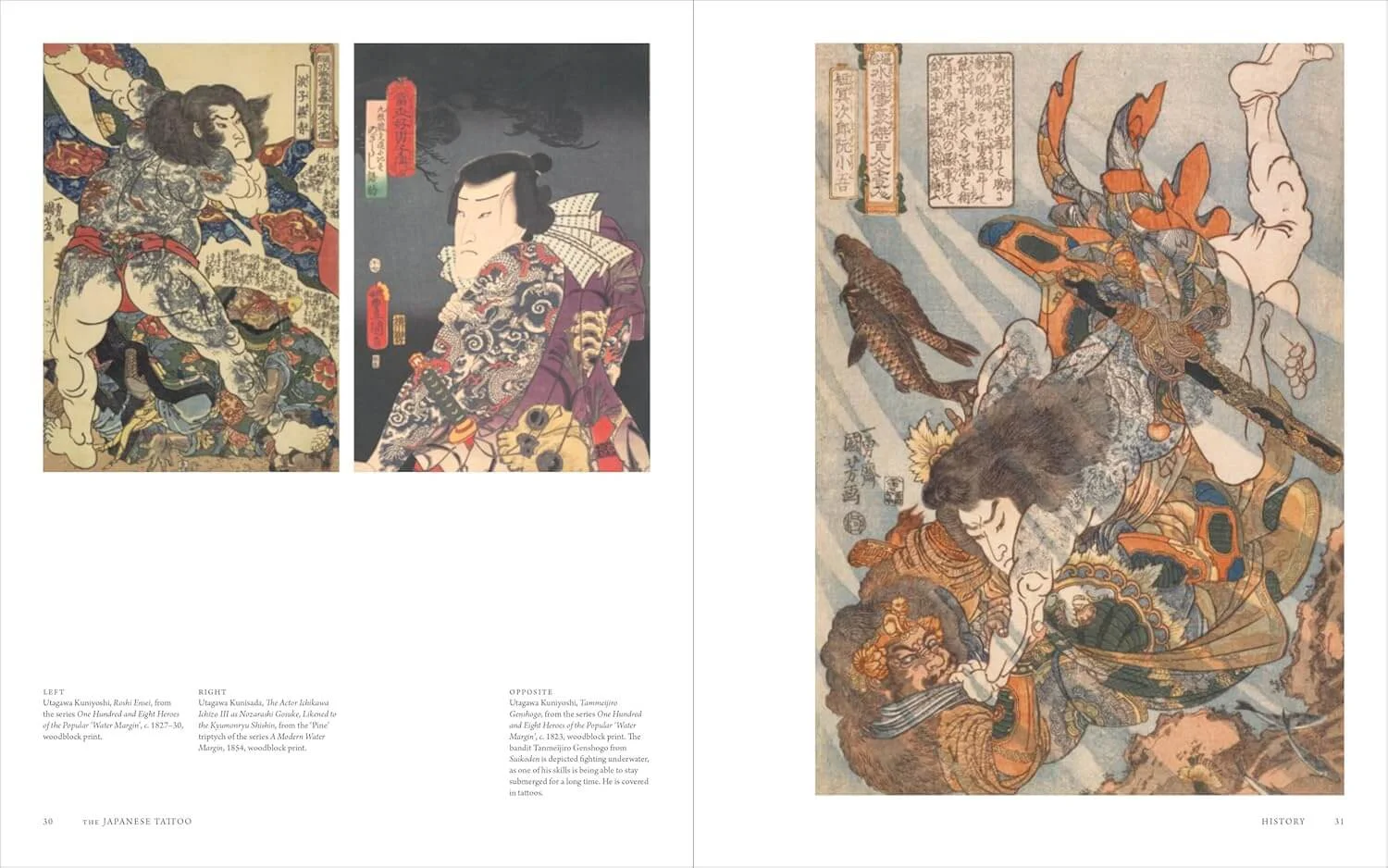
The interesting part is the culture surrounding it. Traditional tattooing is connected to bathhouses, festivals, neighbourhood life, working-class culture and the history of downtown Tokyo. It’s also connected to woodblock prints and Kabuki theatre. These traditions didn’t develop separately. They grew together.
If you look at Edo-period woodblock prints, you’ll find countless tattooed figures. Many of the visual motifs that appear in traditional tattooing originate in those prints. There are also strong links to Kabuki, where tattooed characters and heroic figures became part of the popular imagination. All of these cultural forms belong to the same historical world.
So tattoos are really part of a larger cultural system in Japan?
Exactly. If somebody suggested making a book that was simply a collection of tattooed people, I wouldn’t find that very interesting. What interests me is the fact that tattoos exist within a wider network of relationships. That’s what gives them meaning. Without that context, they’re just images on skin.
Does that connection to place explain why you’ve continued returning to the subject throughout your career?
I’ve written about tattoos over many years because the culture itself has changed. My earlier books focused more on documenting tattoo culture at a time when many aspects of it were still relatively hidden.
The newer work is broader. It’s less about tattoos in isolation and more about the communities, neighbourhoods and cultural traditions that surround them. The tattoo becomes a way of understanding a much larger world.

And that brings us back to the central theme running through all of your books.
Whether I’m writing about kokeshi dolls, festivals, shopping streets, bathhouses, crafts or tattoos, what interests me are the relationships between people, places and traditions. Many of these worlds are changing very quickly, and some may not survive in their current form. Documenting those connections before they disappear is what motivates much of my work.
I ask all my interview partners this final question: Can you tell me about a place in Tokyo that is special to you, one that either inspires you or holds particular significance for you?
Manami suggests exploring her neighbourhood together. For about ten years, local initiatives have been working to preserve and revitalize this traditional district. Let’s take a look around.
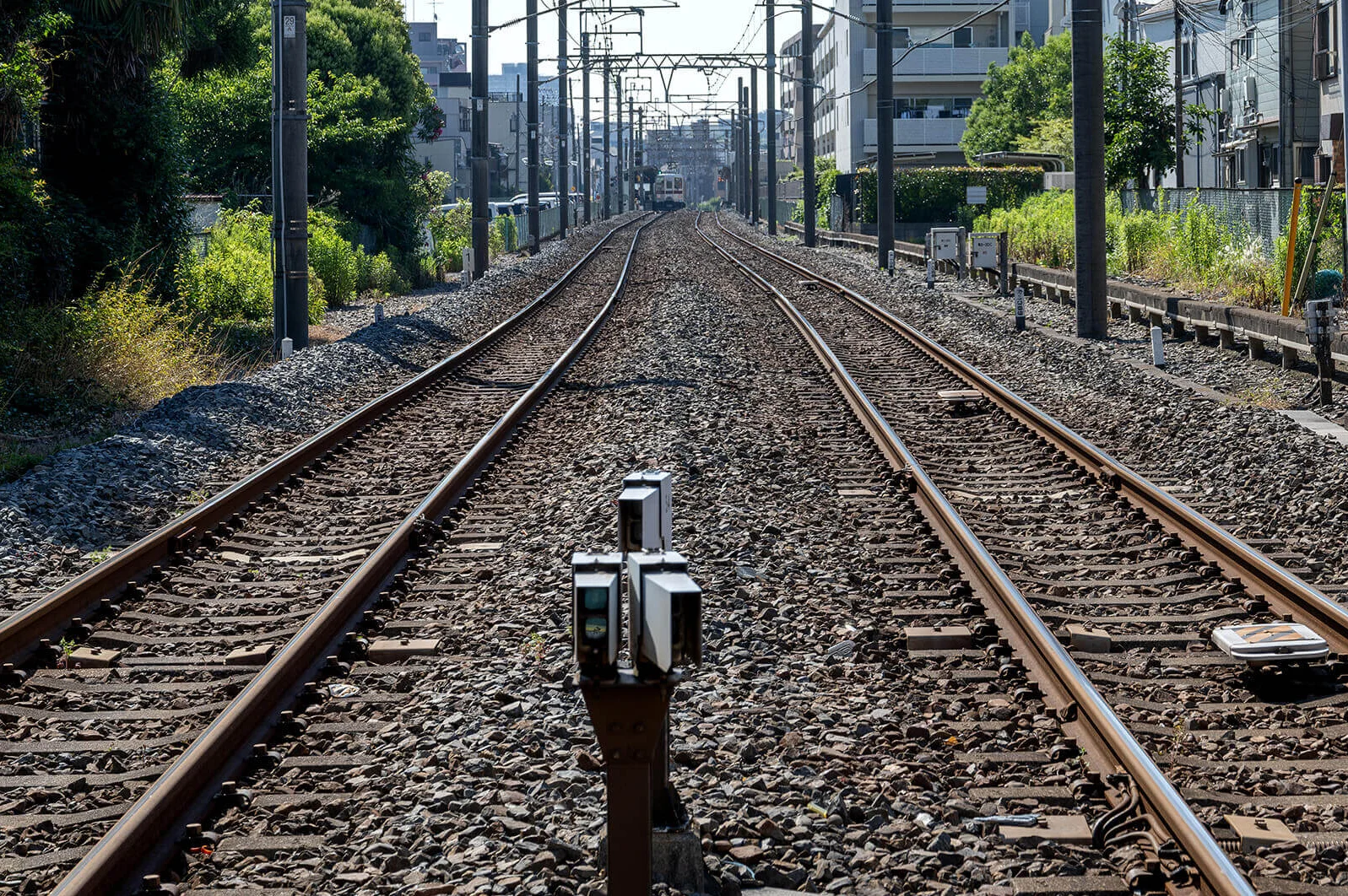
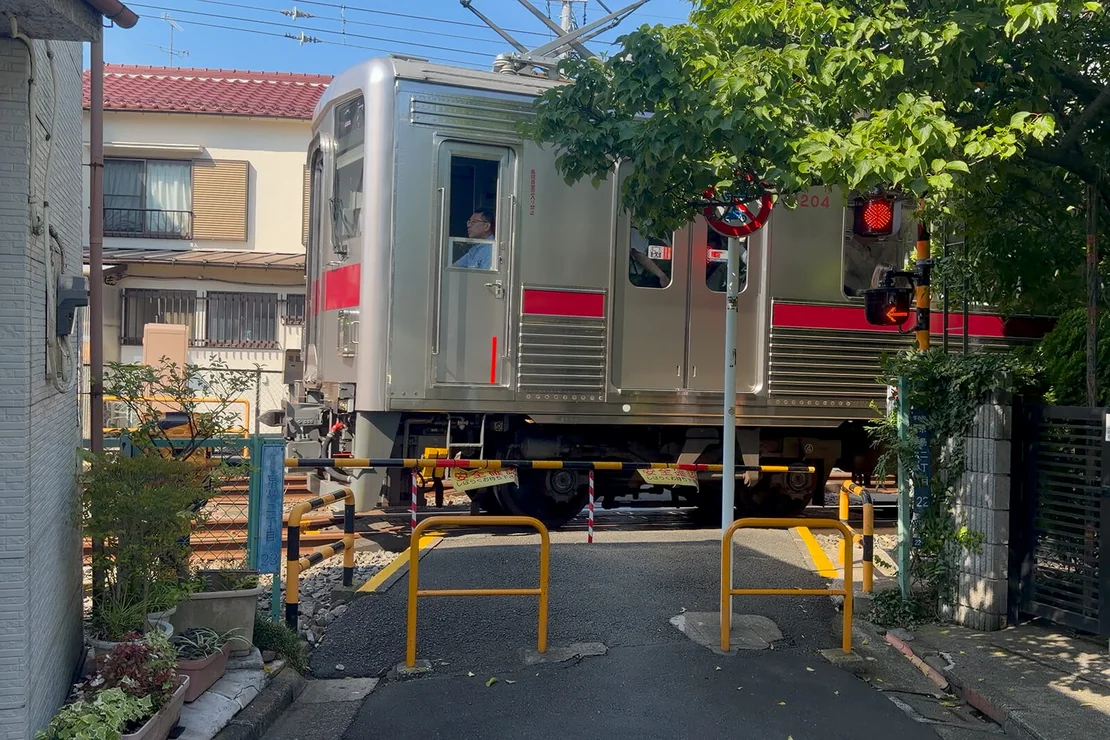
Nagaya — Traditional Row Houses
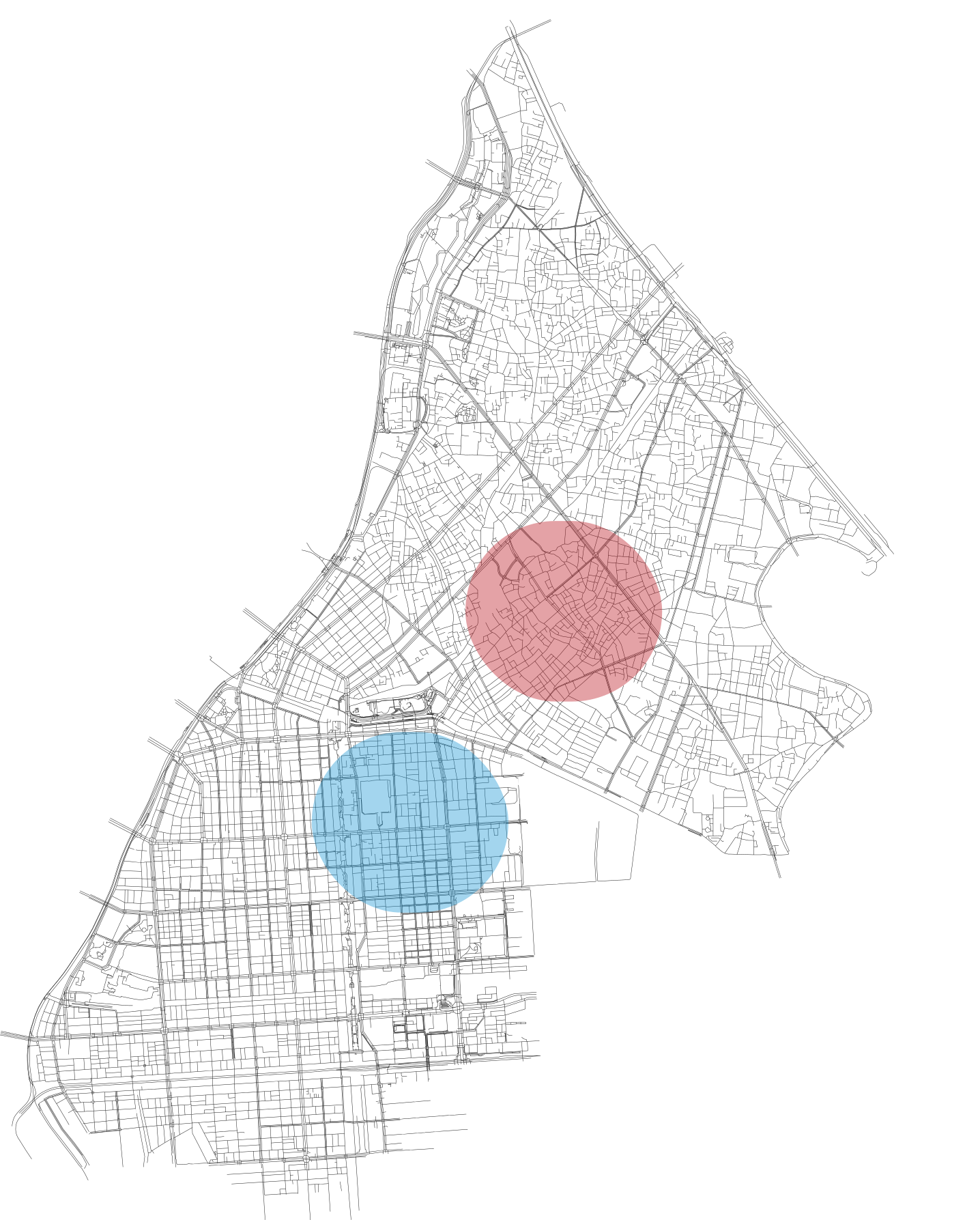
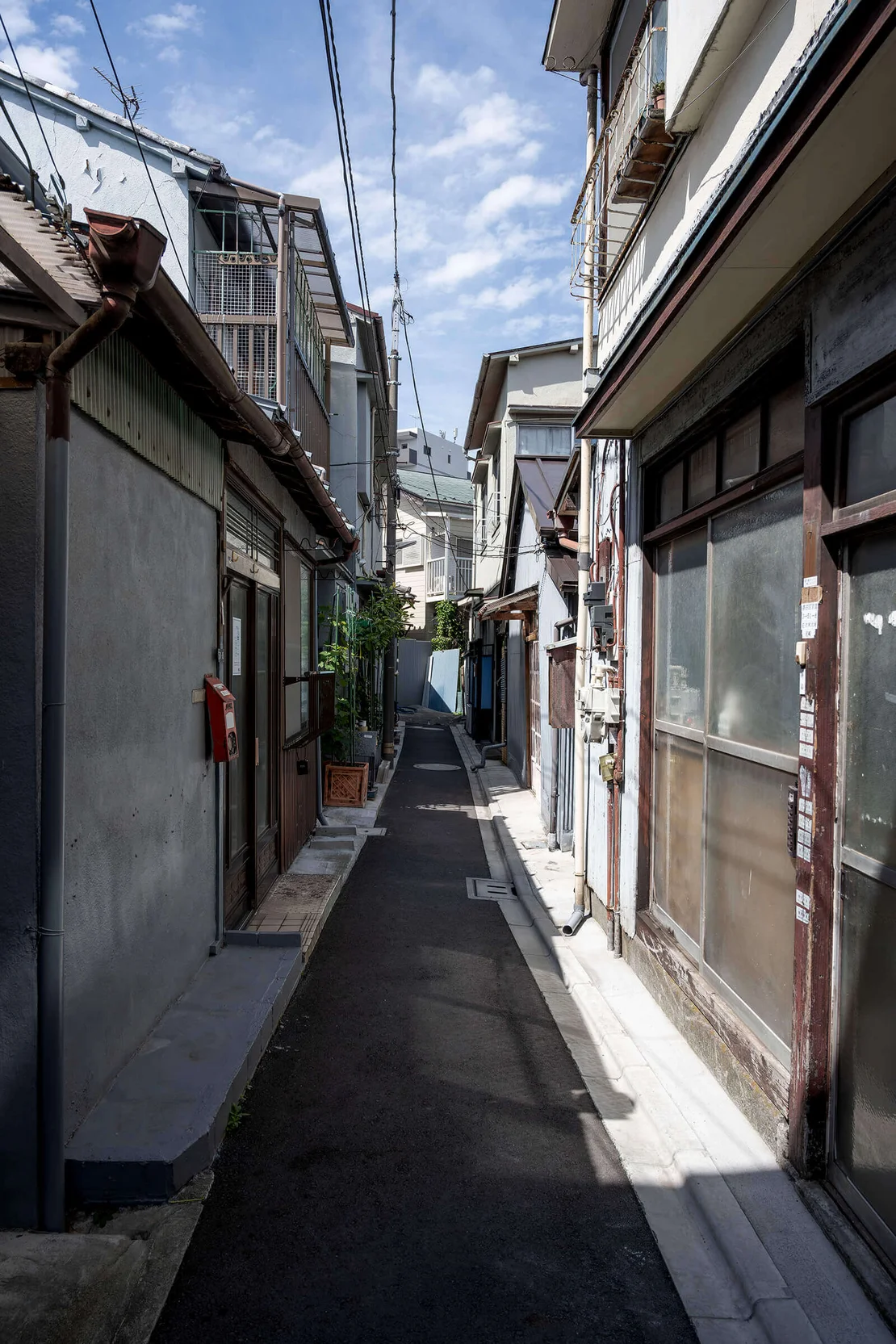
Nagaya are more than just old houses. Their narrow layout and winding alleyways have shaped this neighbourhood for generations. Behind their modest façades are simple row houses that once formed the backbone of Tokyo’s working-class districts.
While many have long since disappeared elsewhere in the city, parts of Kyojima have managed to preserve this historic urban fabric. Today, affordable rents attract artists, craftspeople and young creatives who carefully restore these homes and give them a new purpose.
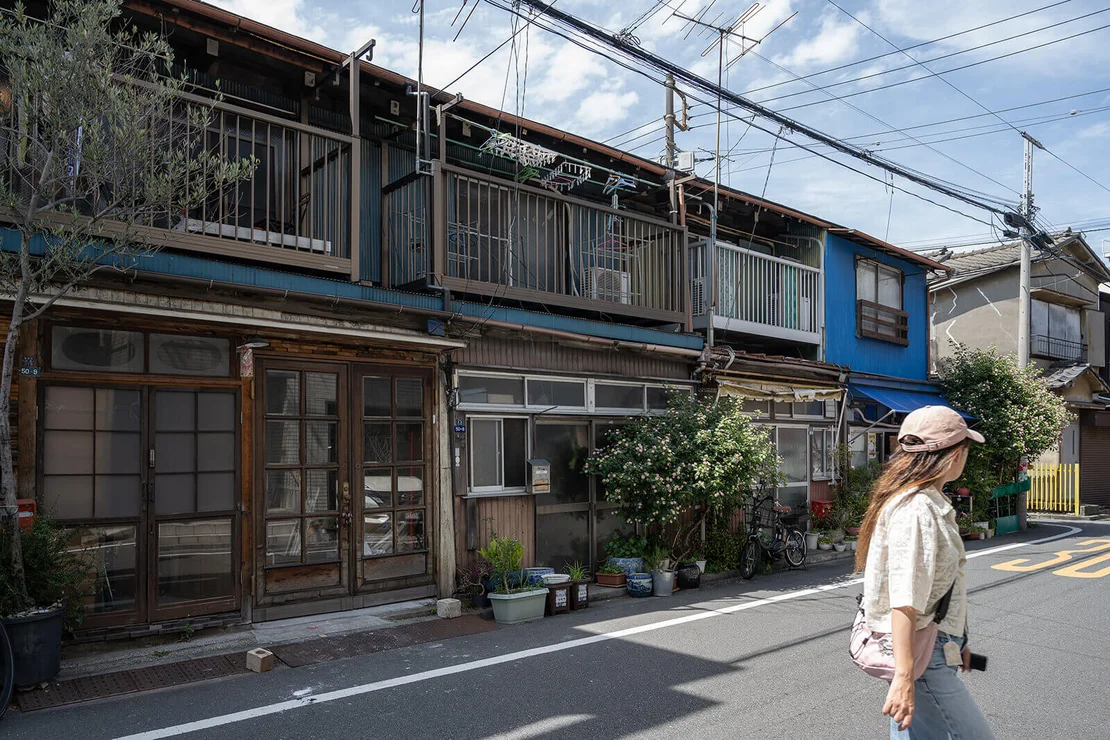
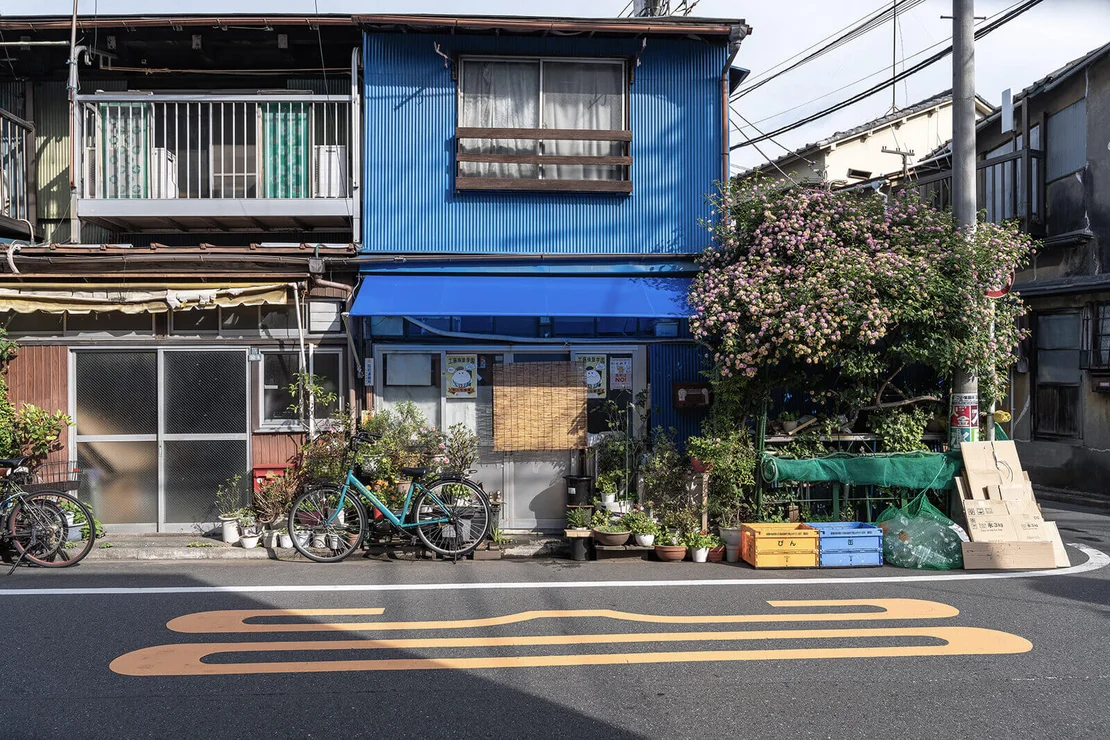
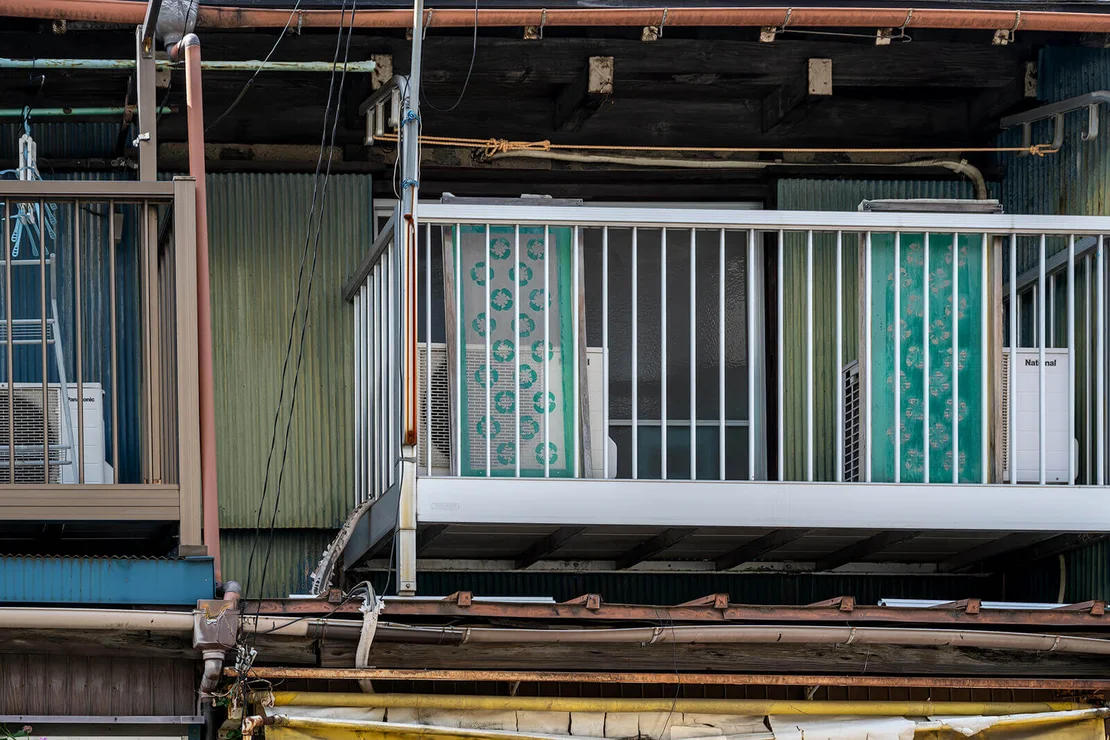
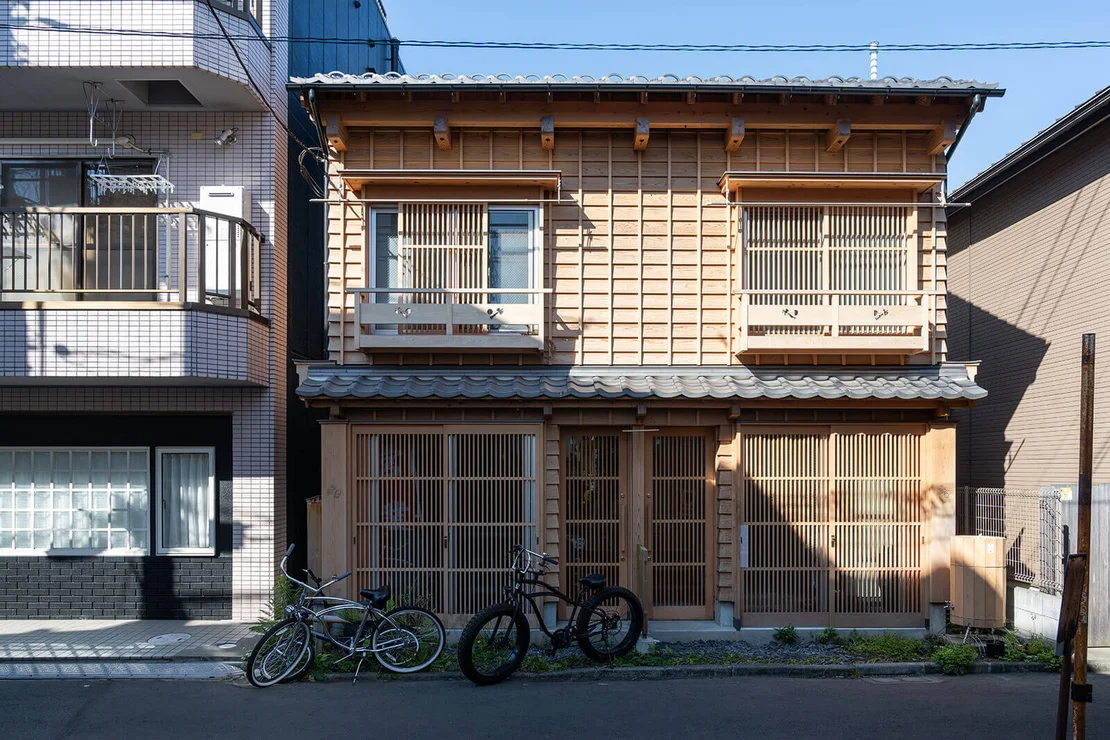
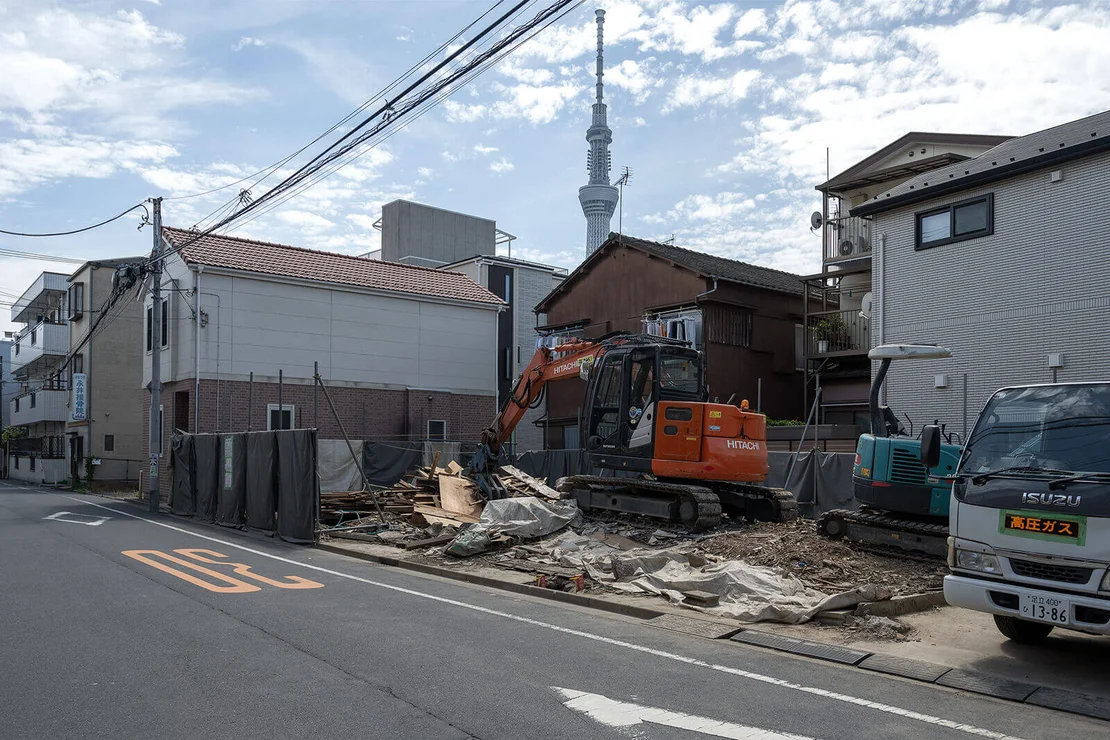
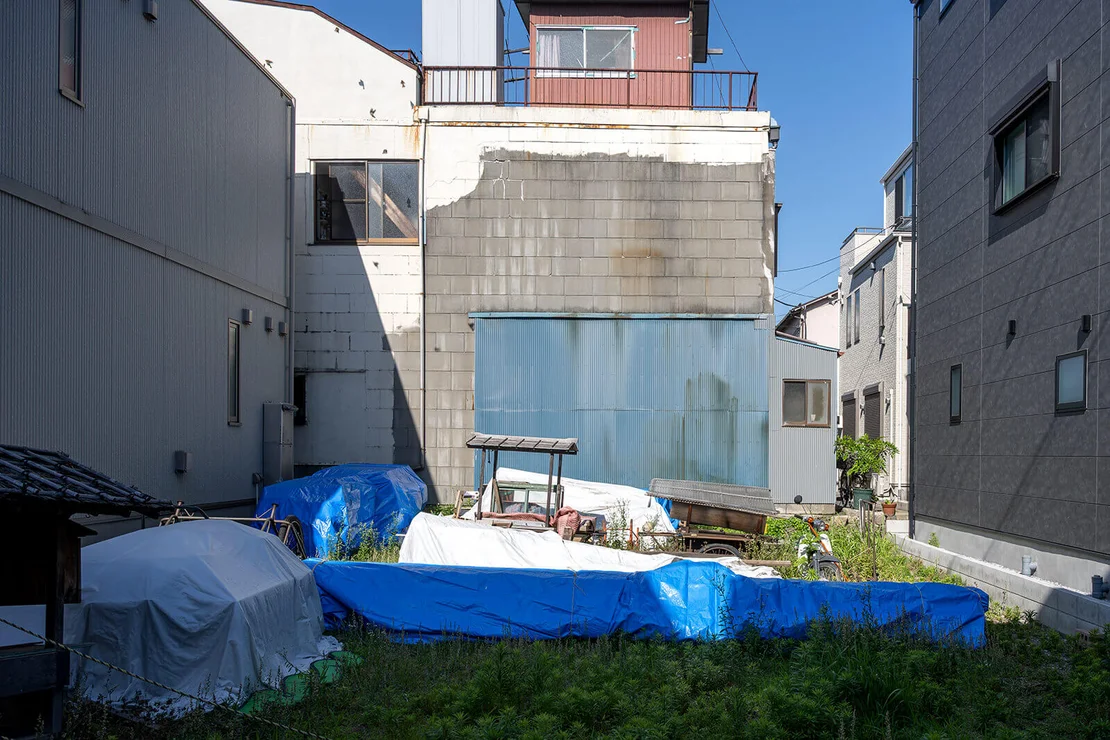
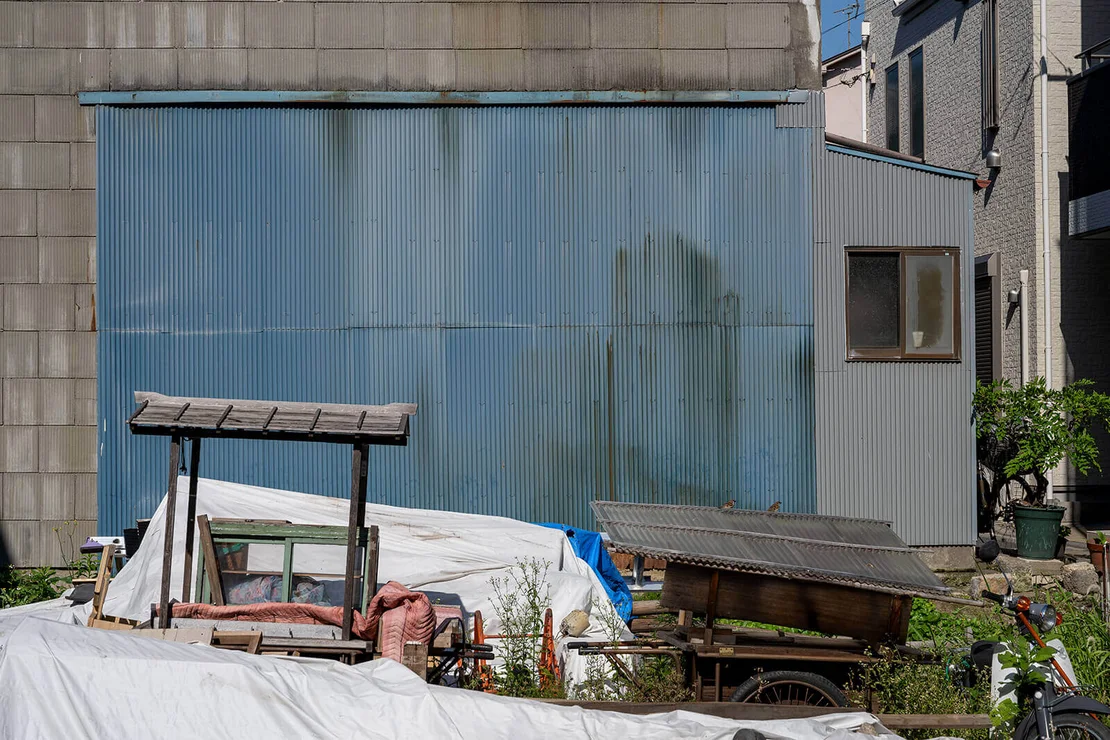
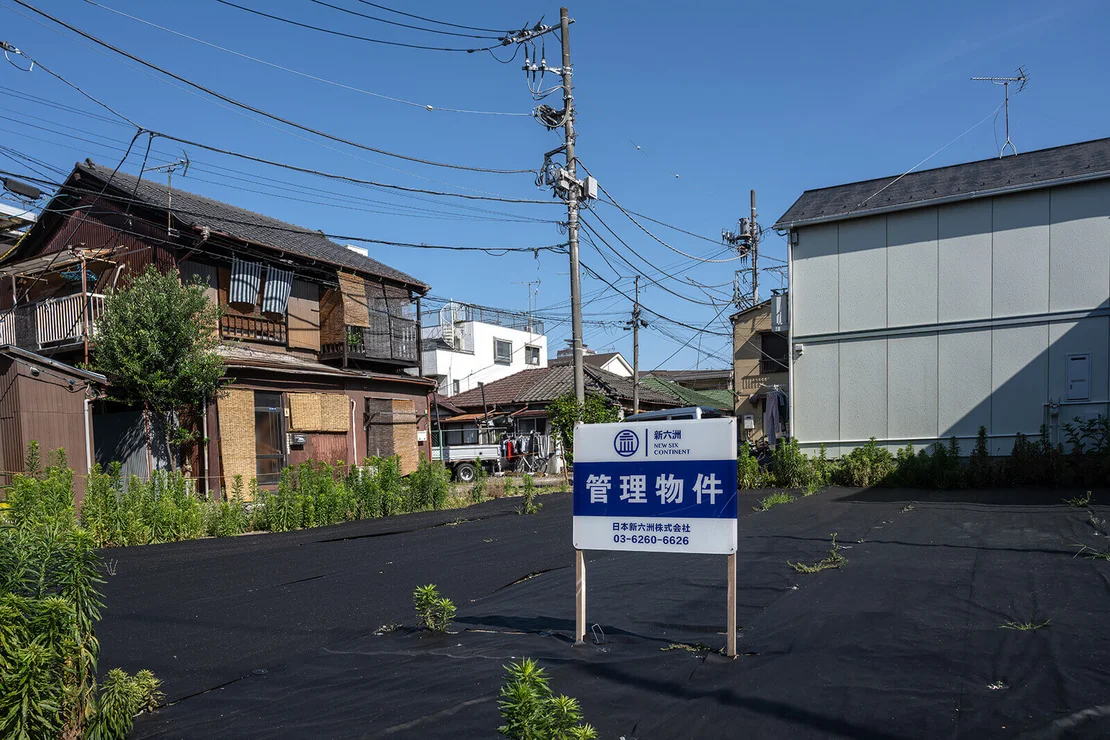
Despite growing interest in the neighbourhood, rents have remained surprisingly low. One reason is the maze of narrow streets, which makes large-scale redevelopment almost impossible. Without space for high-rise apartment buildings, housing remains affordable—allowing both the residents and the character of the neighbourhood to endure.
The Disappearing Public Bathhouses
In the past, private bathrooms were prohibited in these densely packed wooden homes because of the constant risk of fire. Instead, residents gathered at their local sento—public bathhouses that served not only as places to wash, but also as the social heart of the neighbourhood.
Today, many of these bathhouses are disappearing. In many cases, it has become more profitable to demolish the buildings and replace them with parking lots, leaving behind community spaces that once connected entire generations.
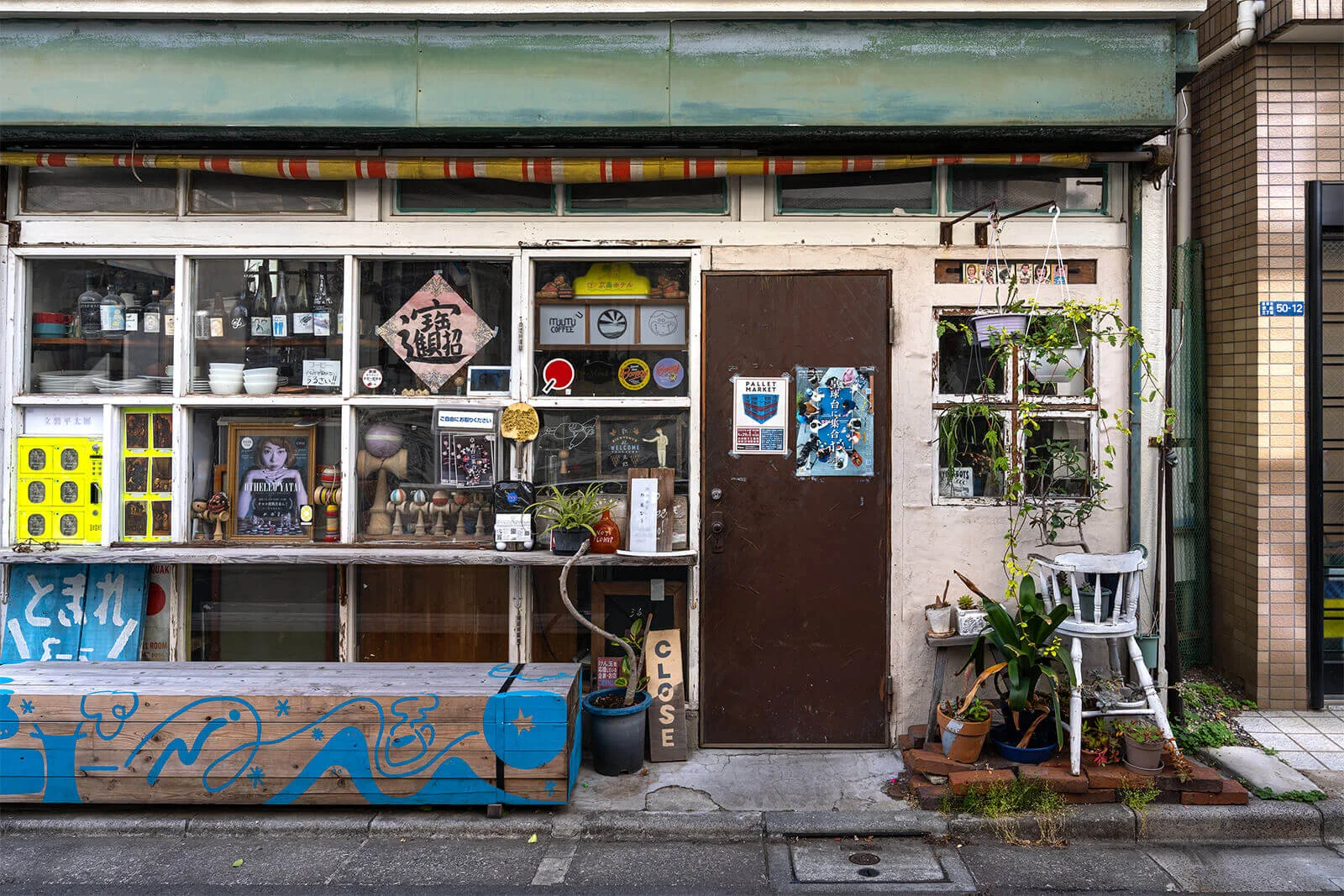
Mumu Café — Where It All Began
Many of the neighbourhood’s recent changes can be traced back to a single place.
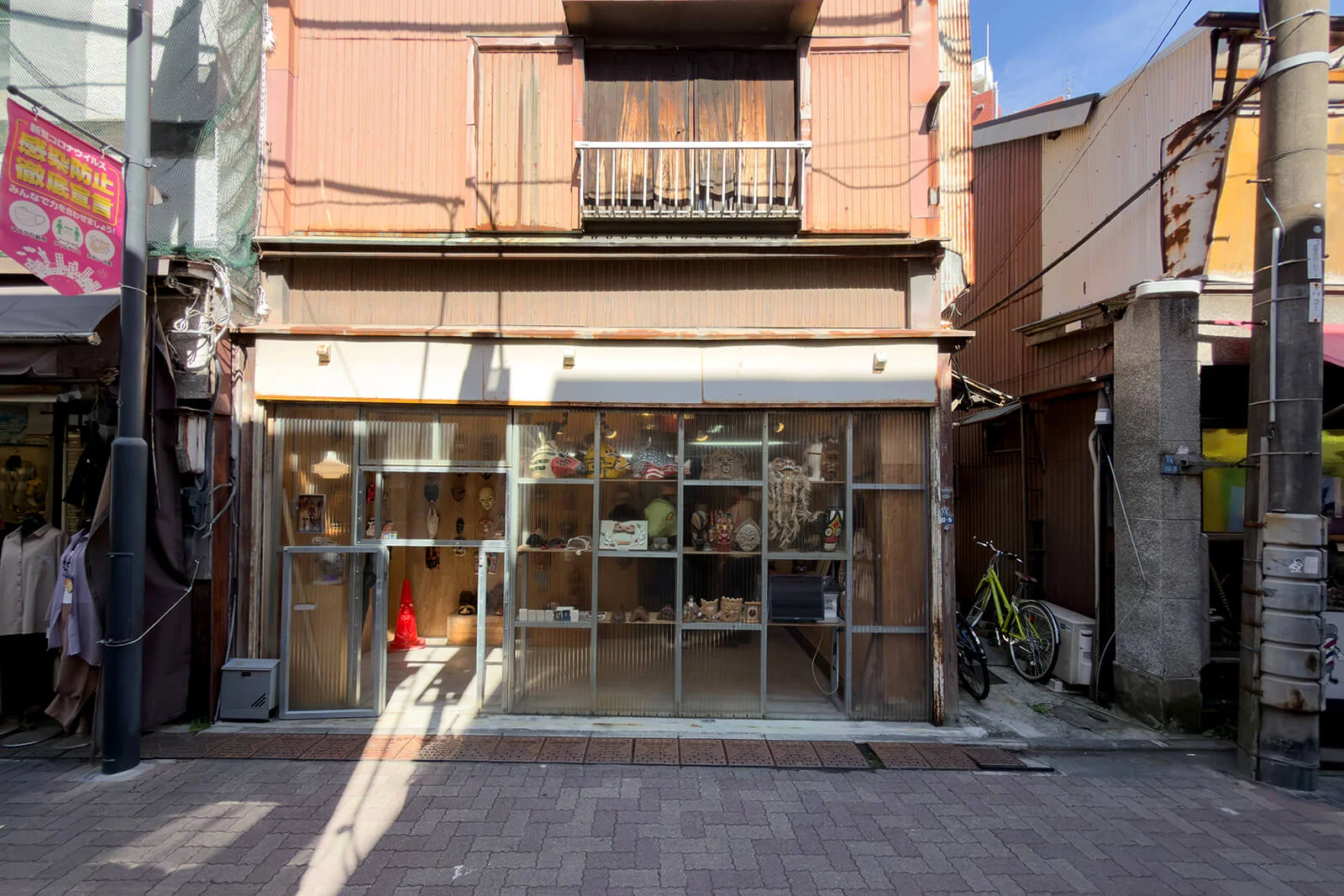
When a young café owner transformed an old building according to his own ideas, he showed other landlords what was possible. The success of that first project inspired others to renovate vacant buildings rather than tear them down.
What began as a single experiment gradually evolved into a network of cafés, studios and community spaces that continues to shape Kyojima today.
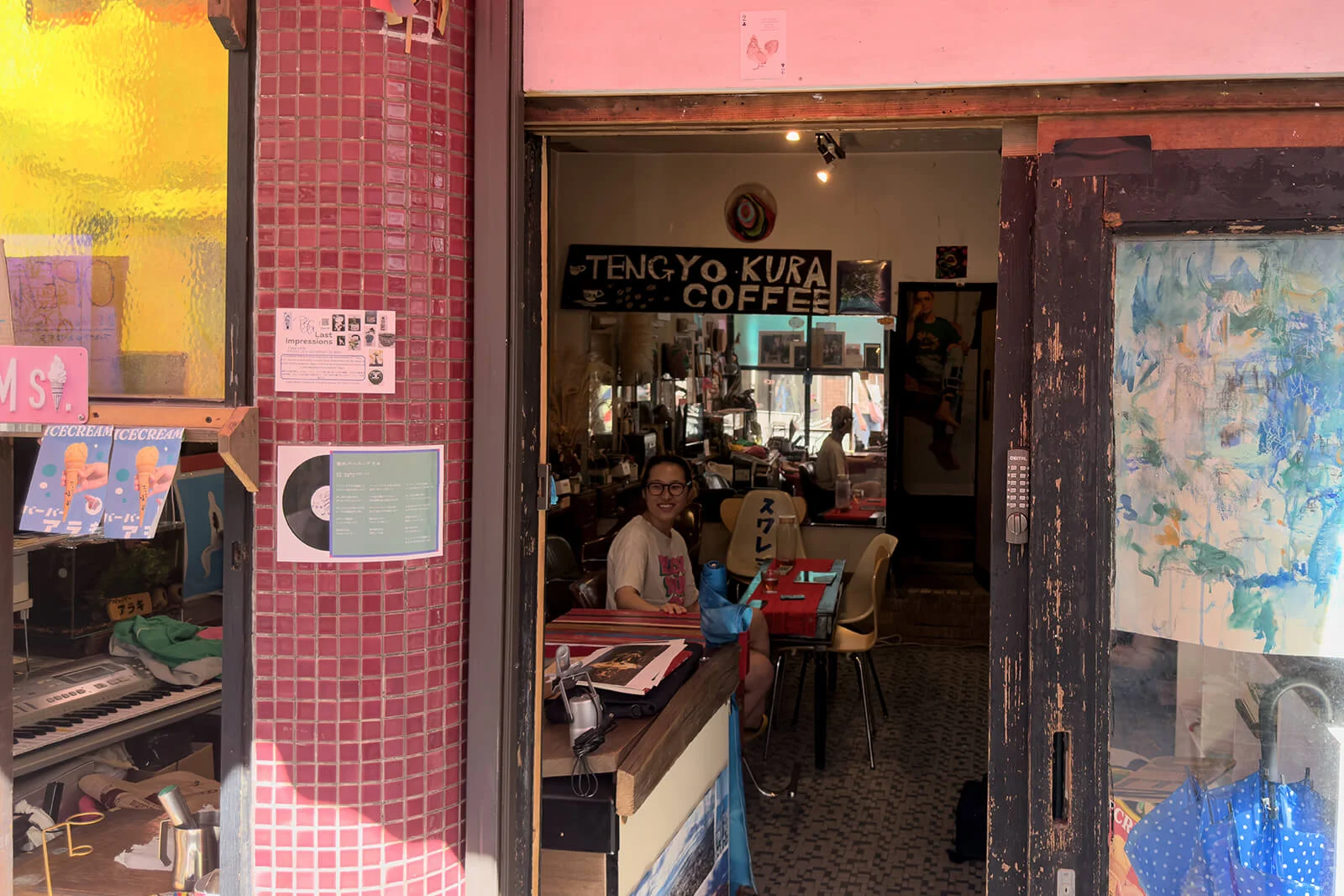
This location was once home to Mumu Café. The first changes to the built fabric of the neighbourhood led landlords to rethink their approach, making new uses possible
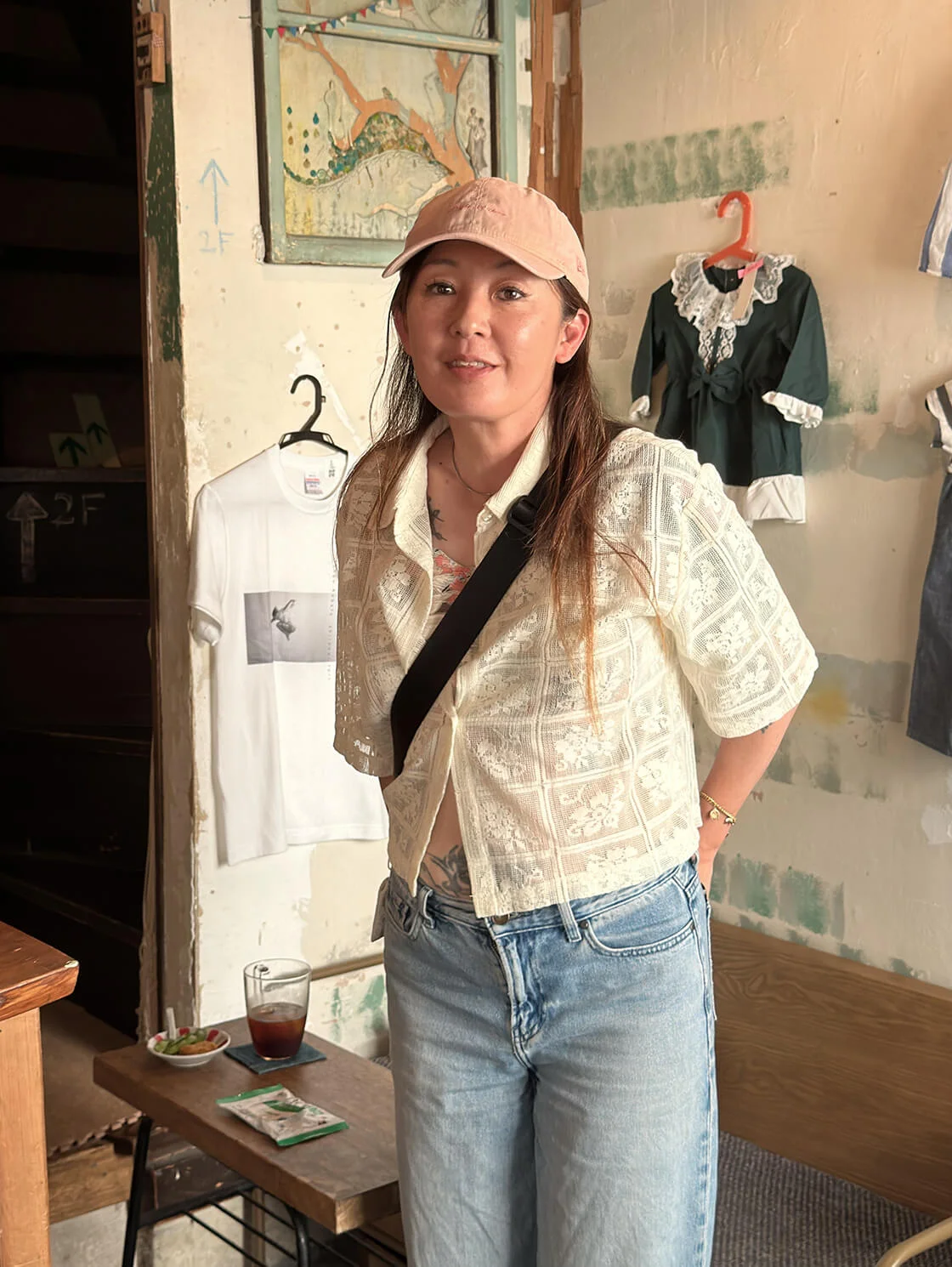
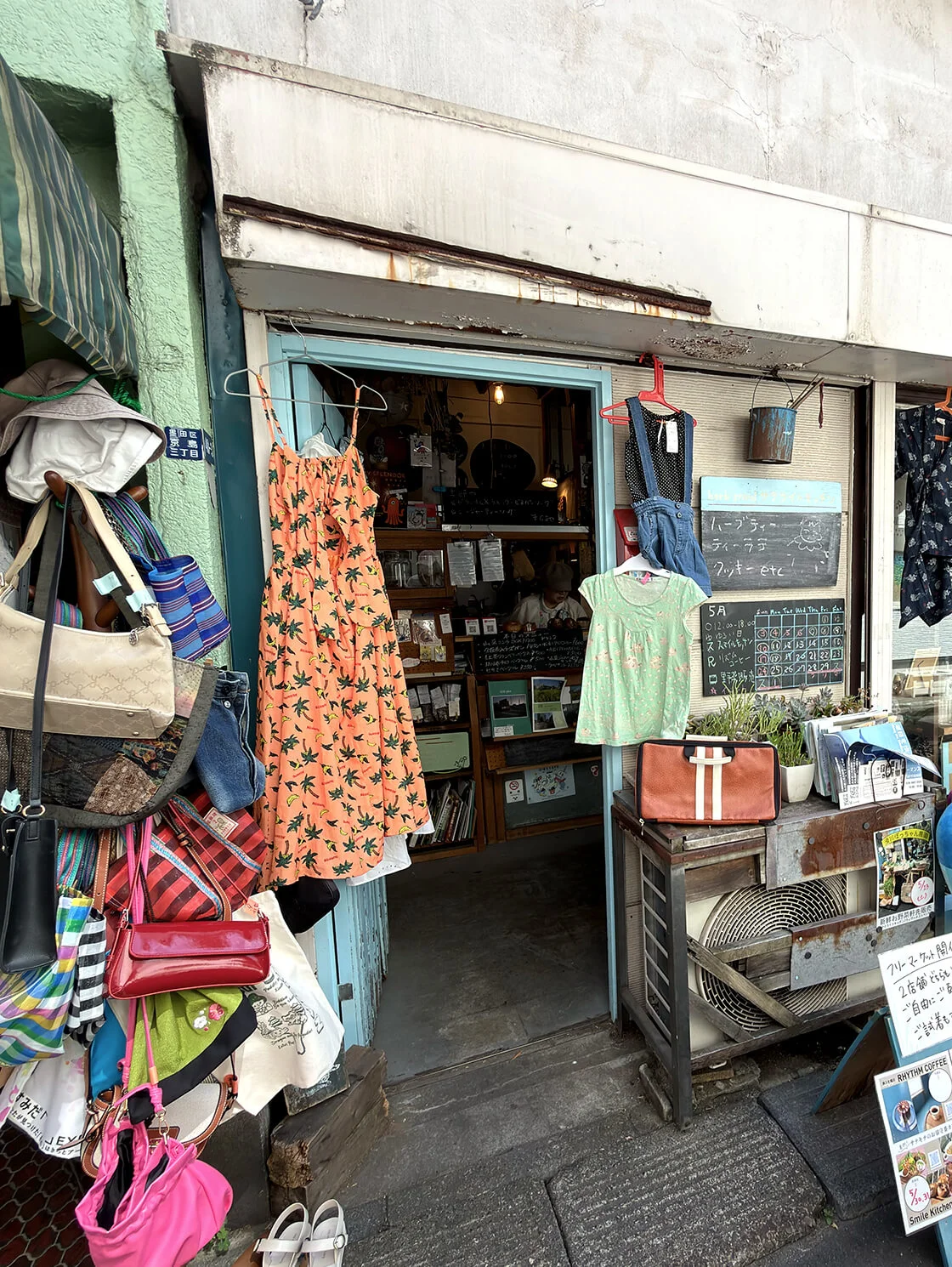
Manami shows me the café now housed in the building…
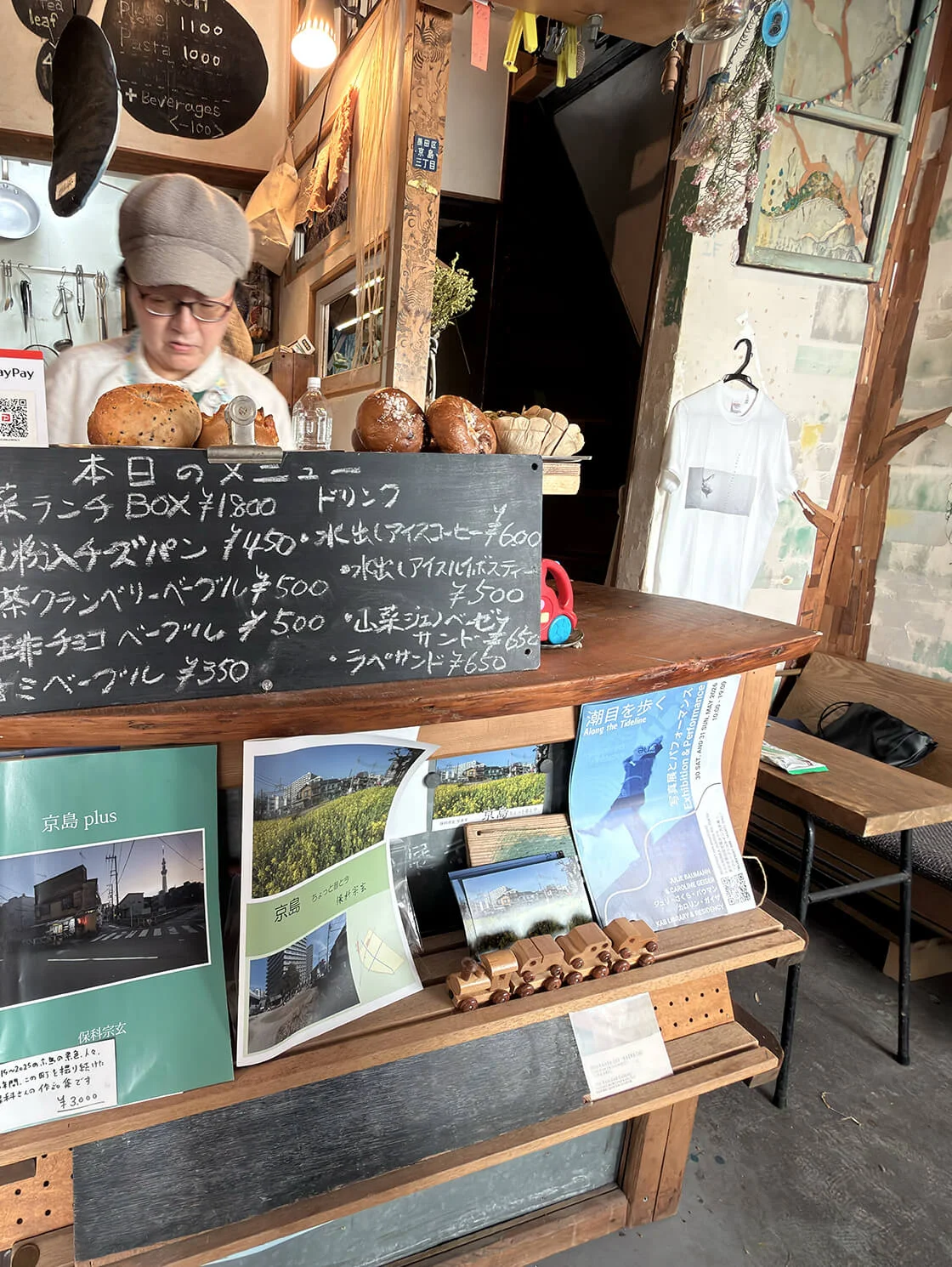
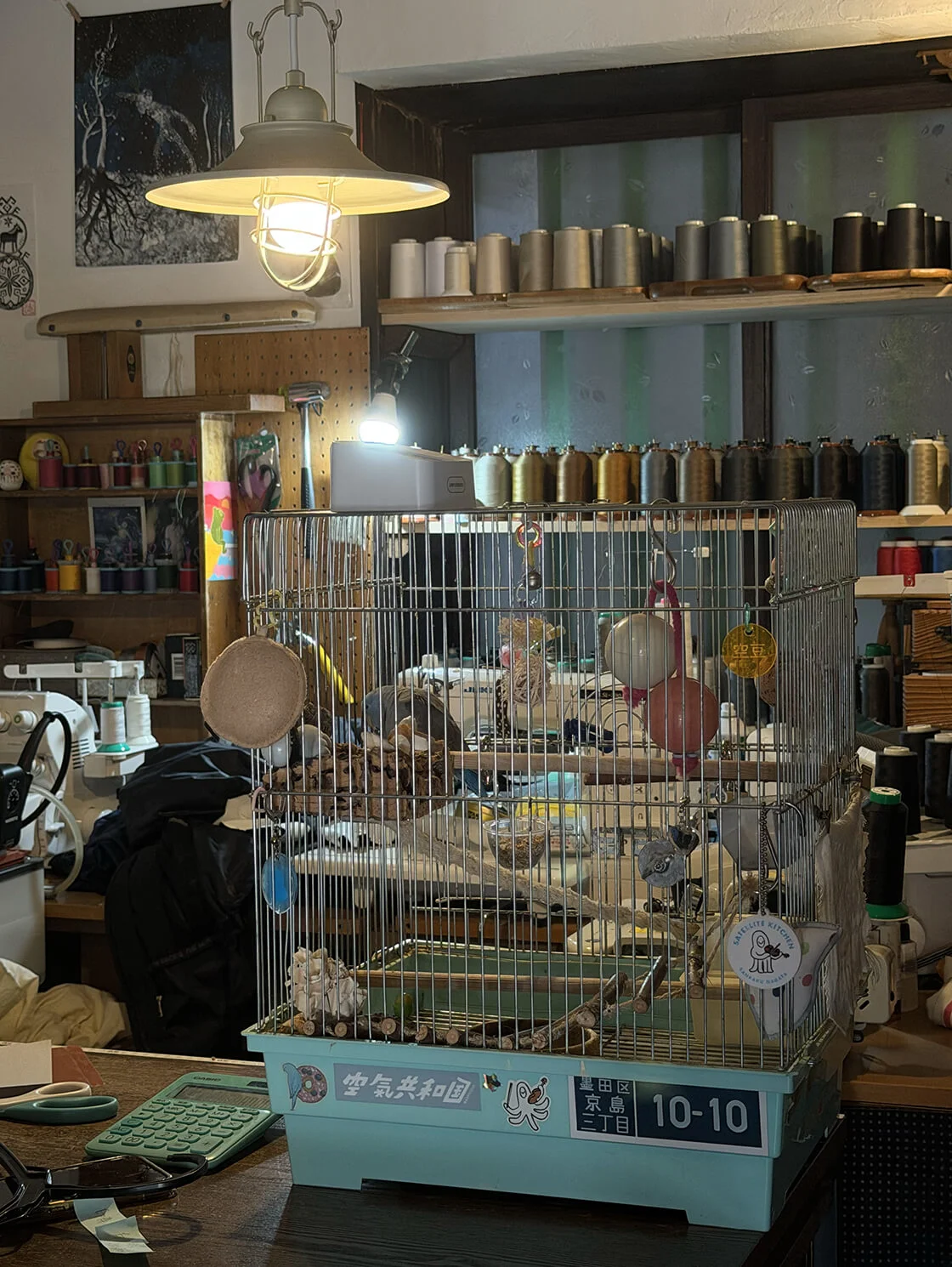
…as well as the repair-focused tailor’s shop right next door
Although Mumu Café has since moved a few doors down the street, its spirit remains. A tailor repairs clothing instead of replacing it, small workshops continue to produce locally, and long-established family businesses preserve skills that have disappeared elsewhere.
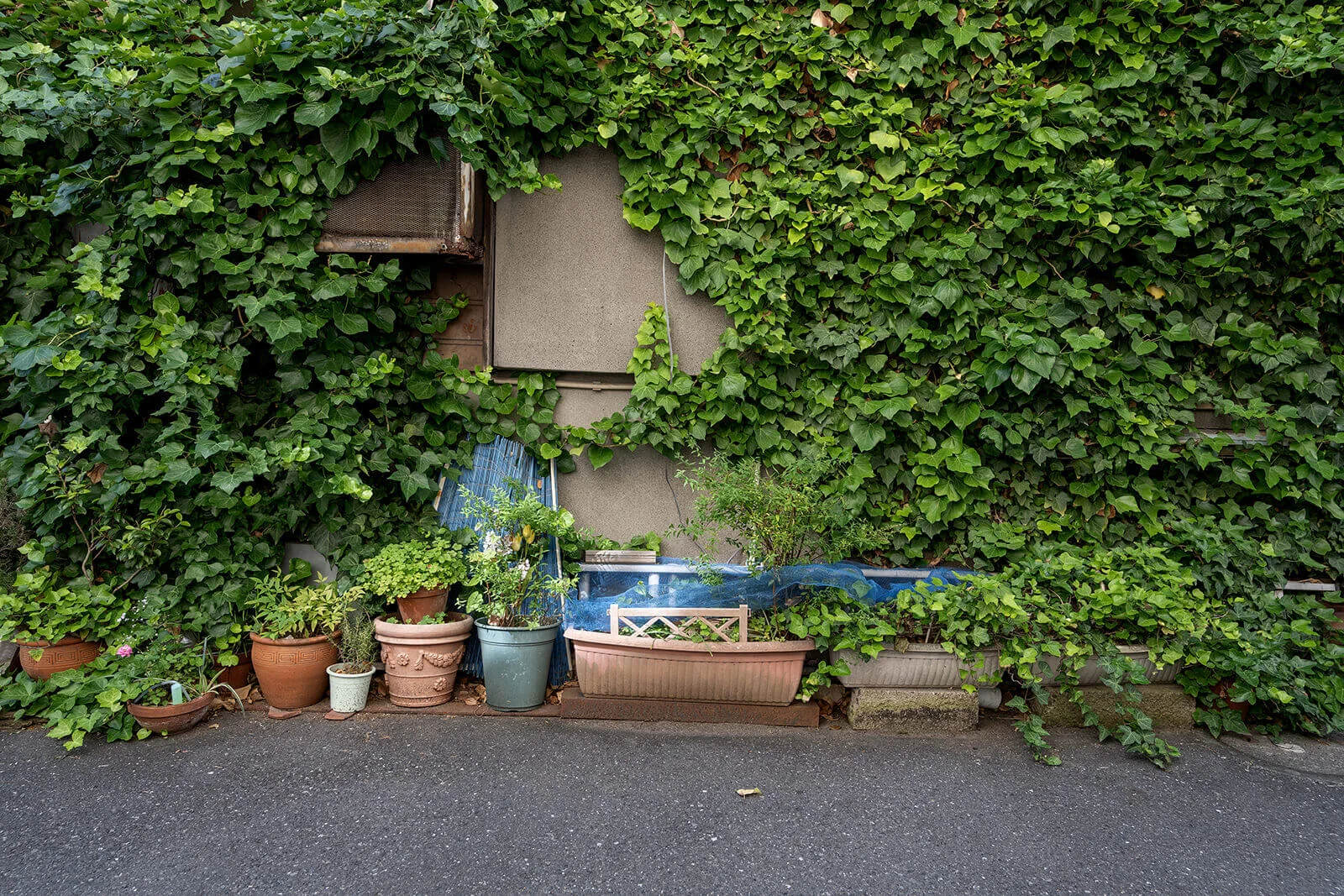
Life unfolds in the narrow alleyways. Potted plants, conversations between neighbours and open front doors create a sense of community that has become increasingly rare in modern Tokyo.
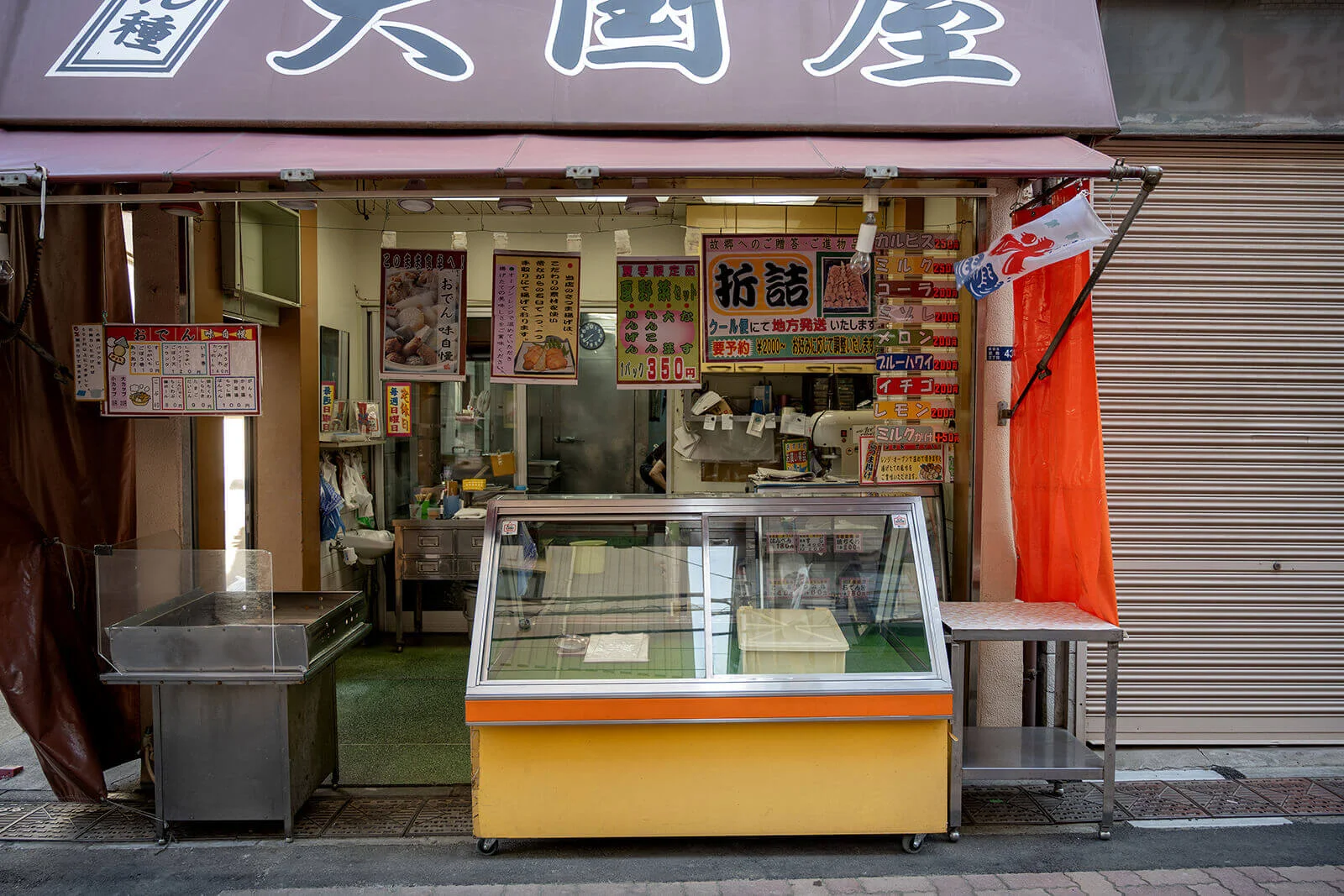
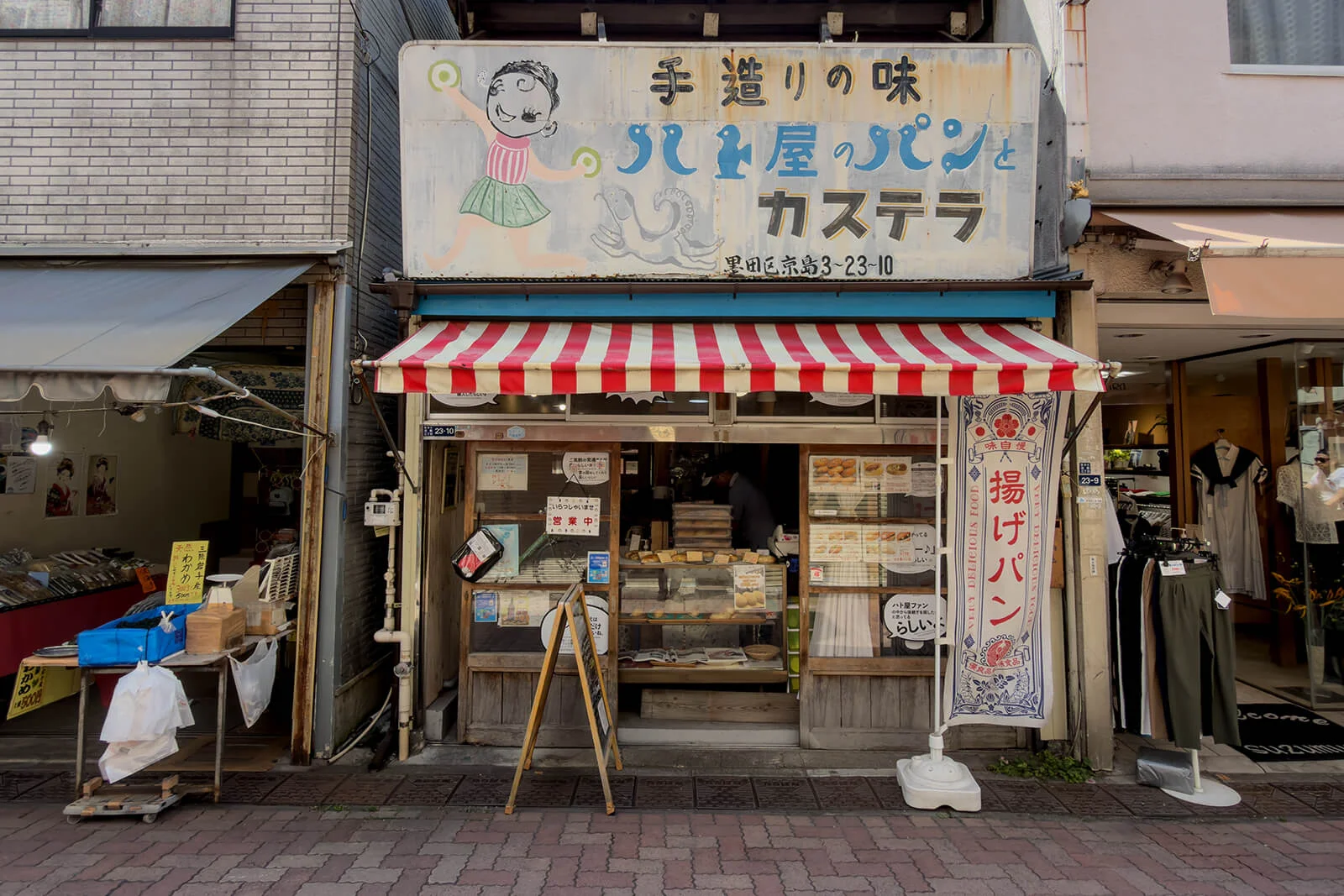
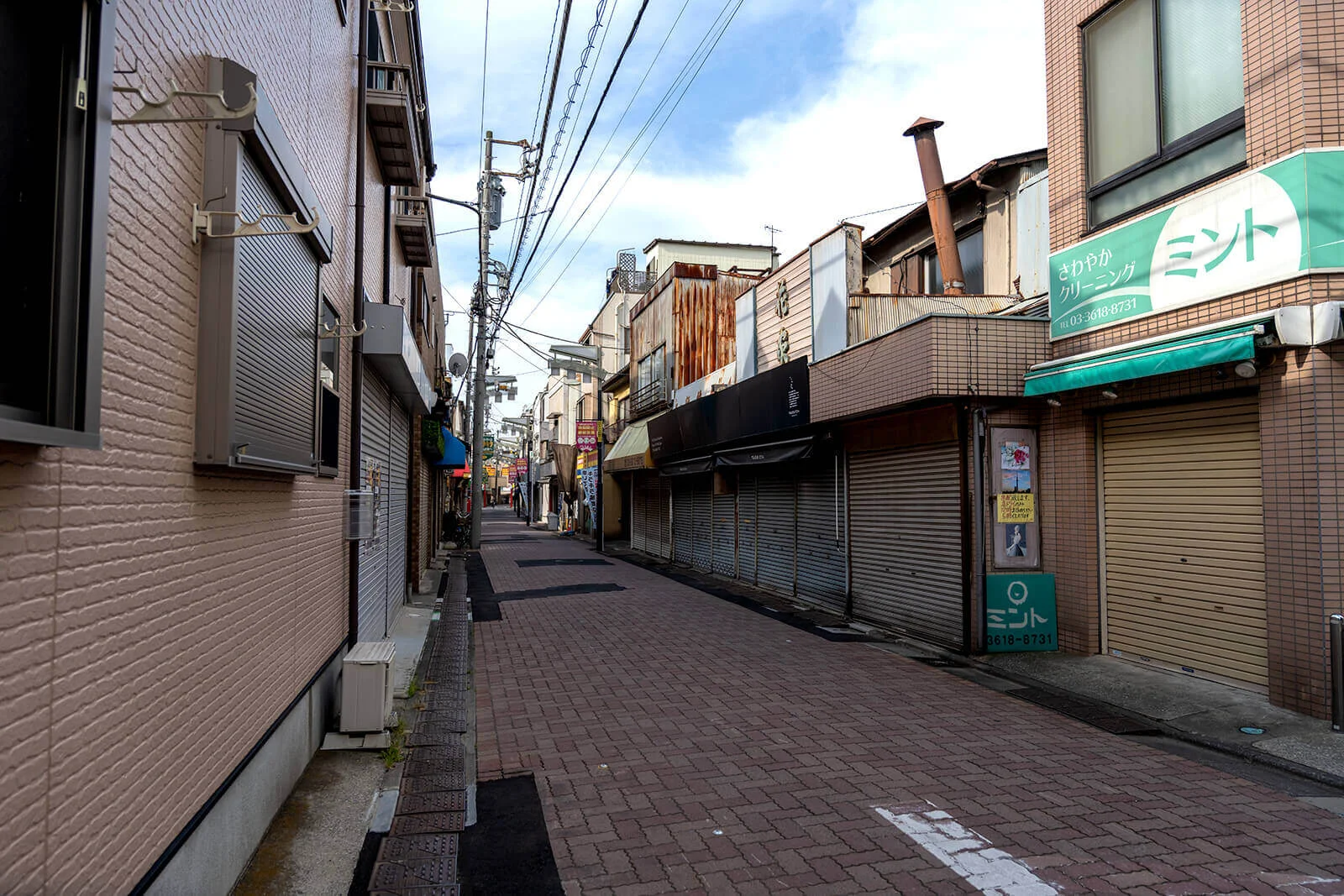
The Backbone of the neighbourhood: Kirakira Tachibana Shotengai
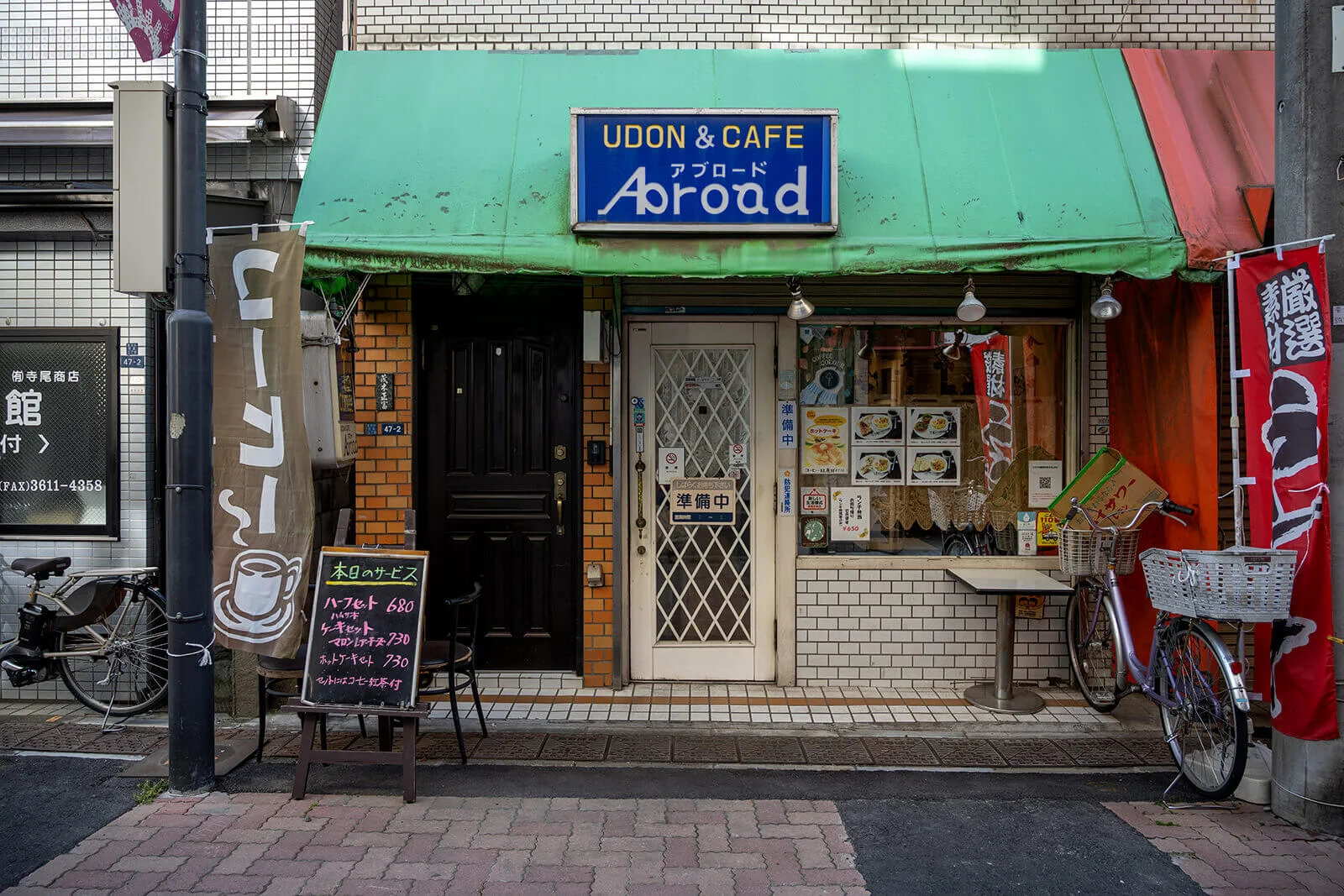
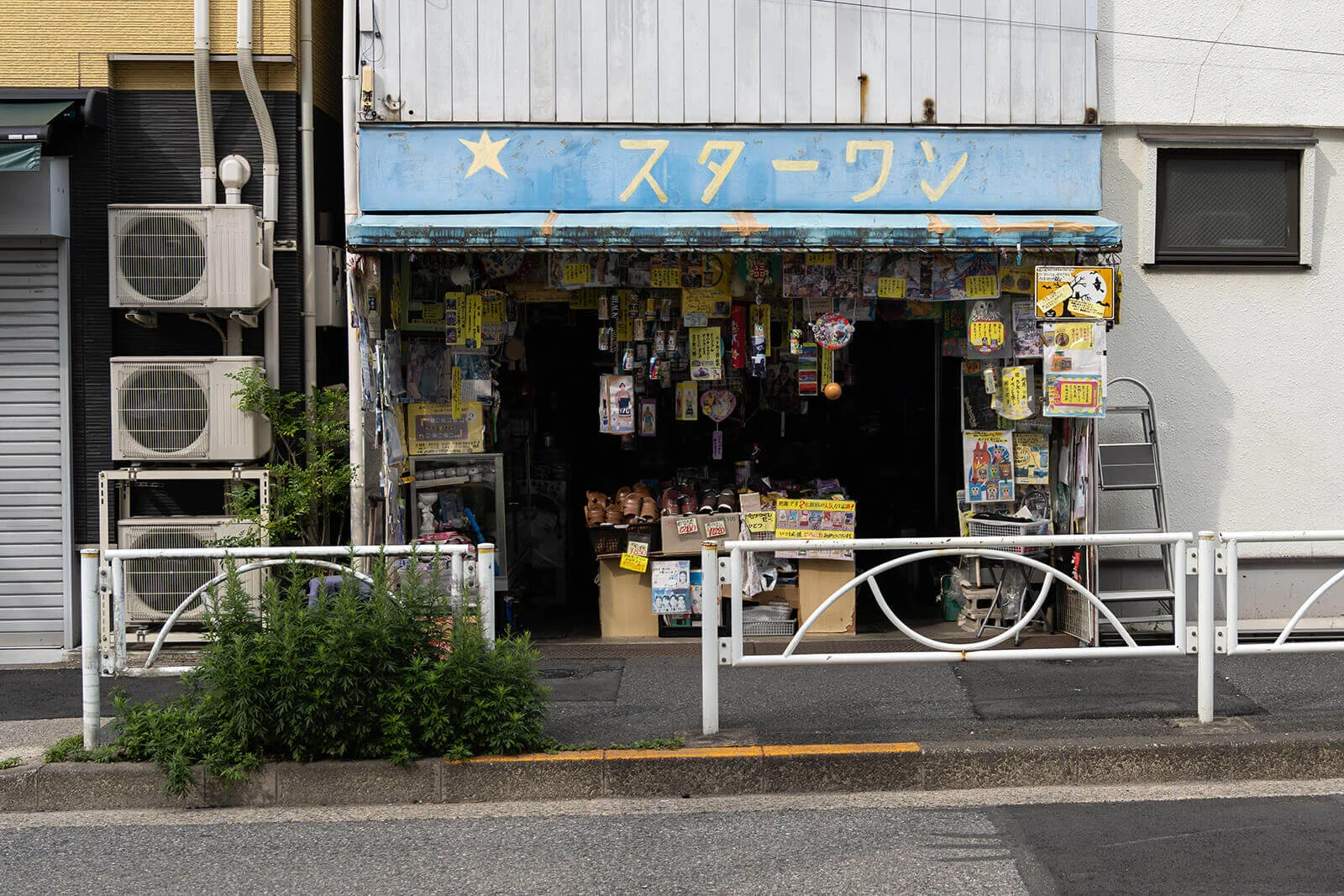
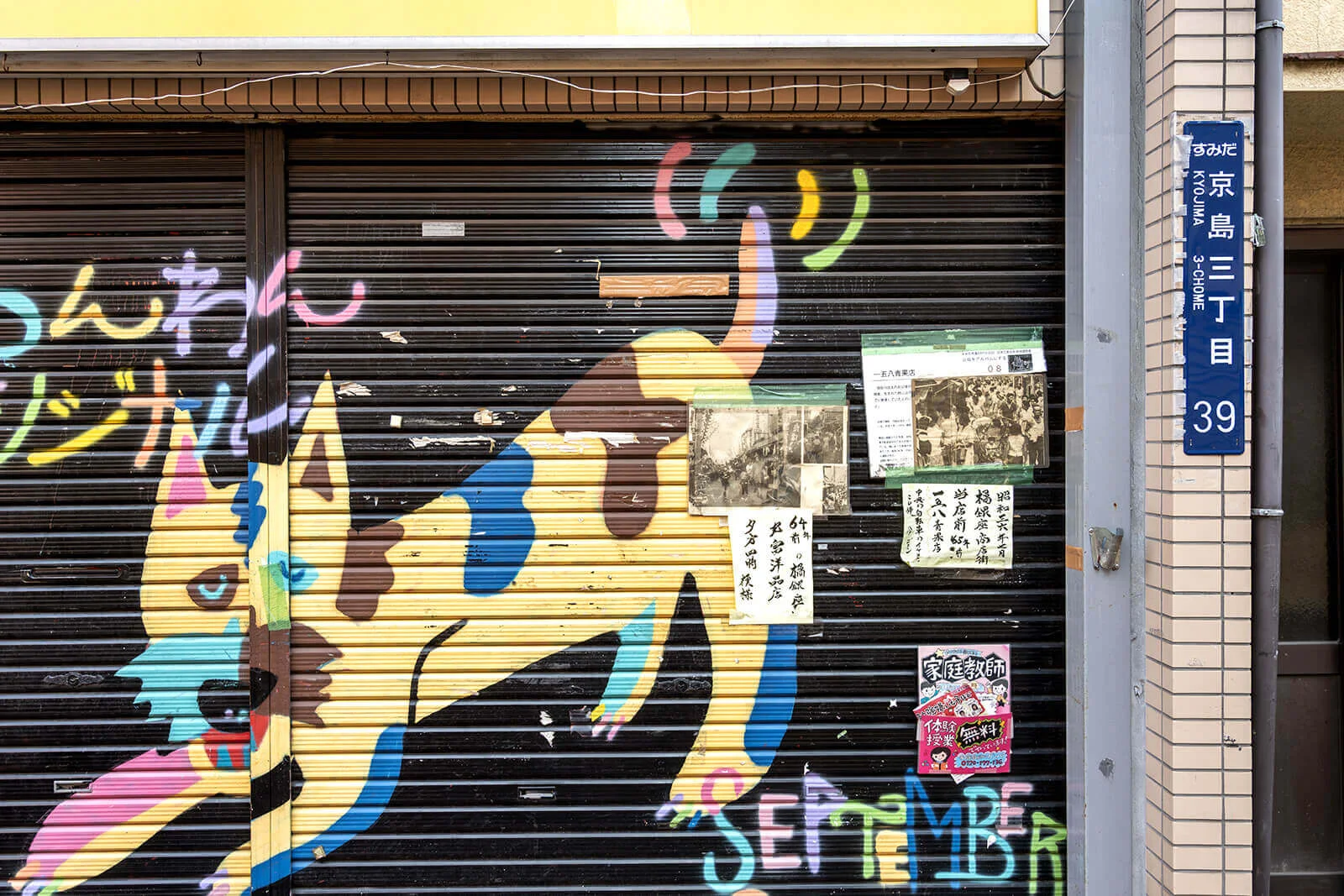
Kirakira Tachibana is one of the traditional shopping streets in Tokyos historic Shitamachi. Unlike many revitalised neighbourhoods, it has retained much of its original character. Vegetable shops, family-run businesses and small workshops line the street, giving it the atmosphere of a small town rather than one of the world’s largest cities. At the same time, new ideas have quietly found their place here. Behind ageing shopfronts, independent cafés, studios and creative businesses have settled naturally alongside long-established local stores, adding new life without erasing the past.


Living Together Across Generations
What makes this neighbourhood truly special is the relationship between its long-time residents and the people who have recently moved in.
Many community projects are intentionally designed to include older residents rather than replace them. Instead of becoming a neighbourhood exclusively for young creatives, Kyojima has evolved into a place where different generations continue to share everyday life.
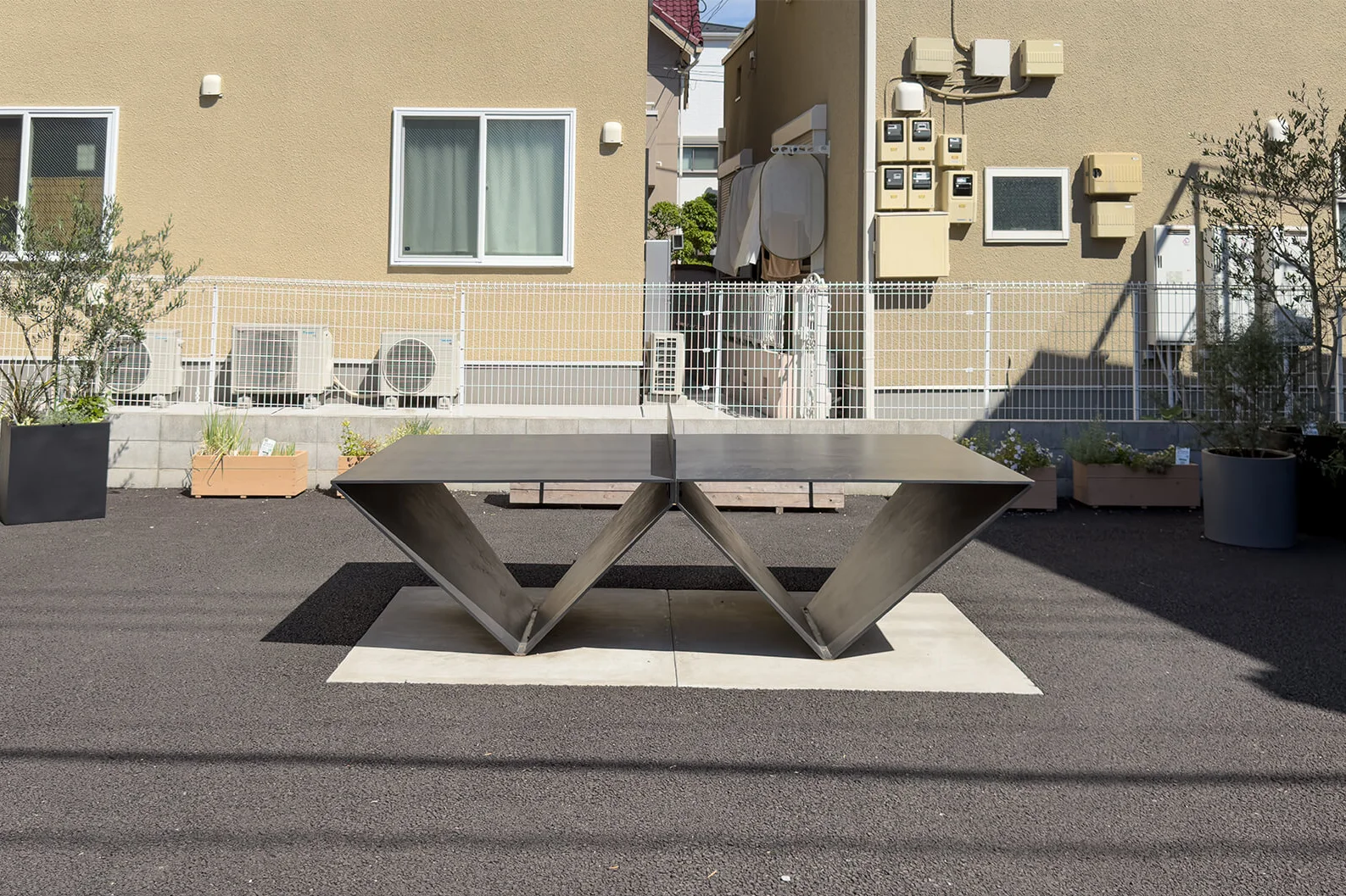
One small but meaningful example is the neighbourhood’s ping-pong table.
At first glance, it seems unremarkable. Yet it has become one of the area’s most important gathering places. Many older residents first learned table tennis at school decades ago, and today children, artists and retirees play side by side during local events.
Further reading
“The intricate, clandestine art of Japan’s traditional tattoos”, articel about Manami Okazaki‘s latest book The Japanese Tattoo, Huck Magazine, July 2026
“Nagaya Nostalgia: The Long and the Short of Tokyo’s Famed ‘Row Houses’” — Manami’s article on Tokyo’s Nagaya for The Japan Times (Paywall)


Write comment
Write comment
Comments
No Comments