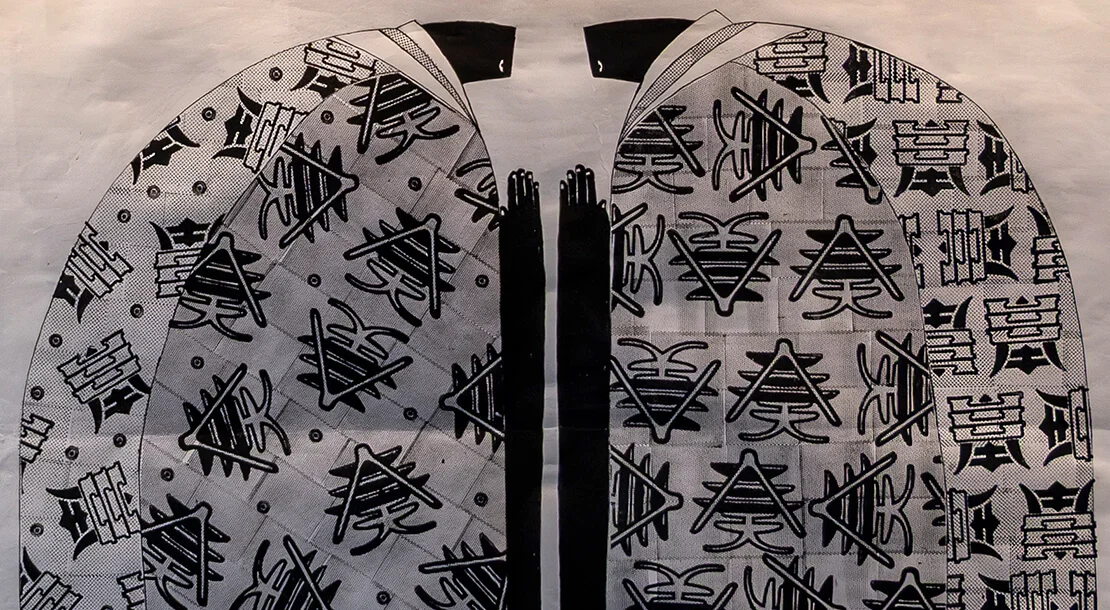
Detailed view of Hideji Terada’s “Tamiga” exhibition
Main content
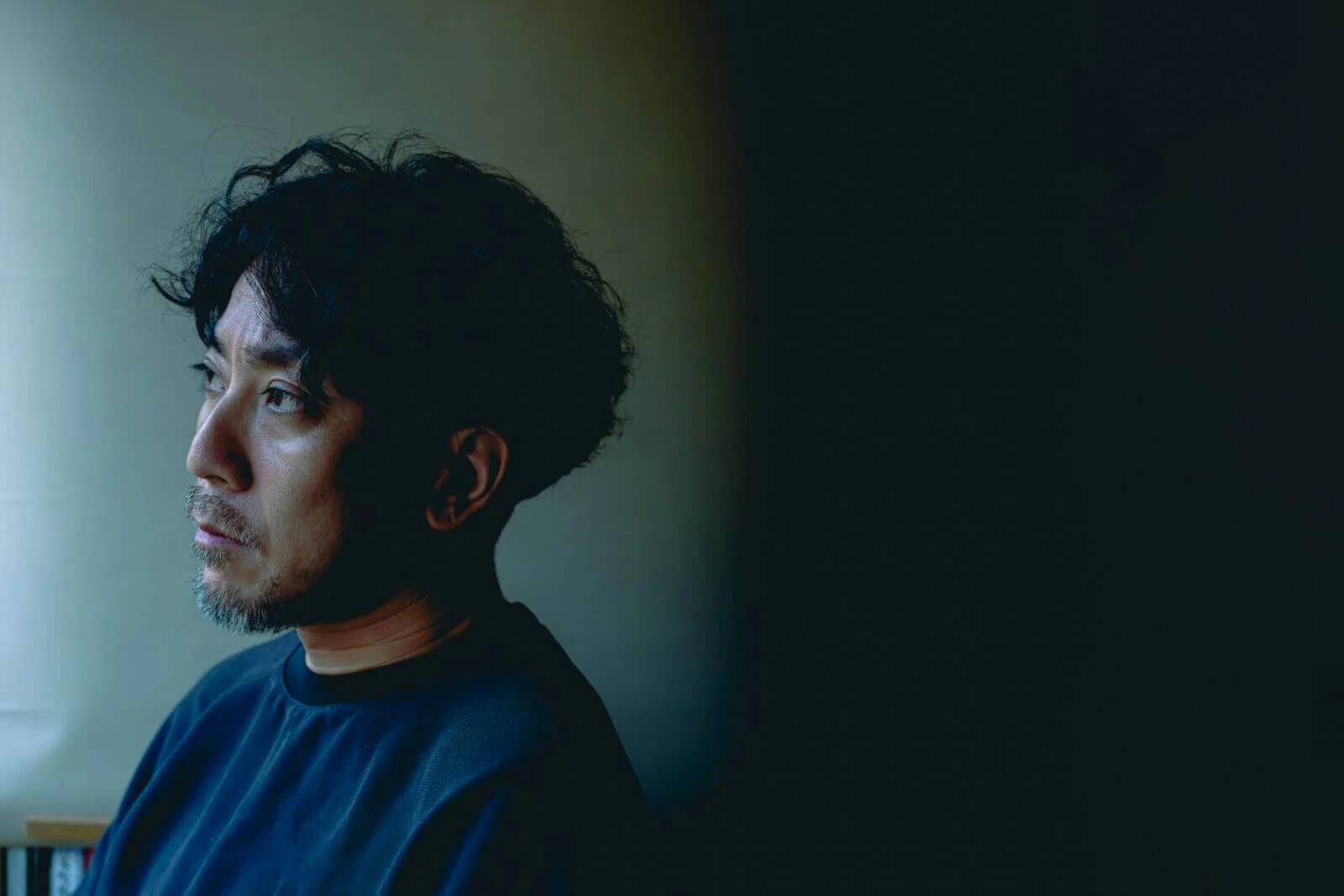
Interview with Artist Hideji Terada
Of People, Characters and Layers of Time
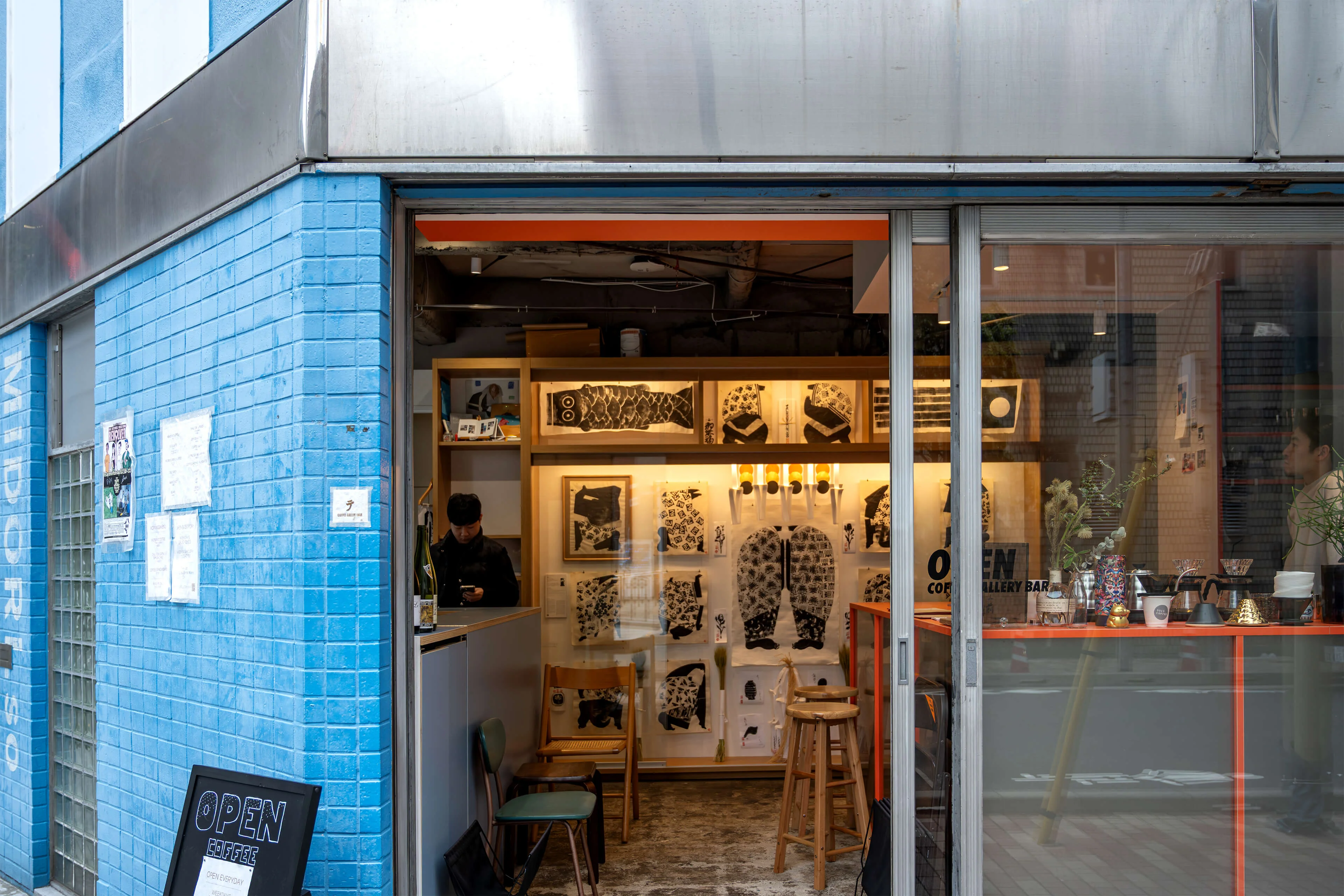
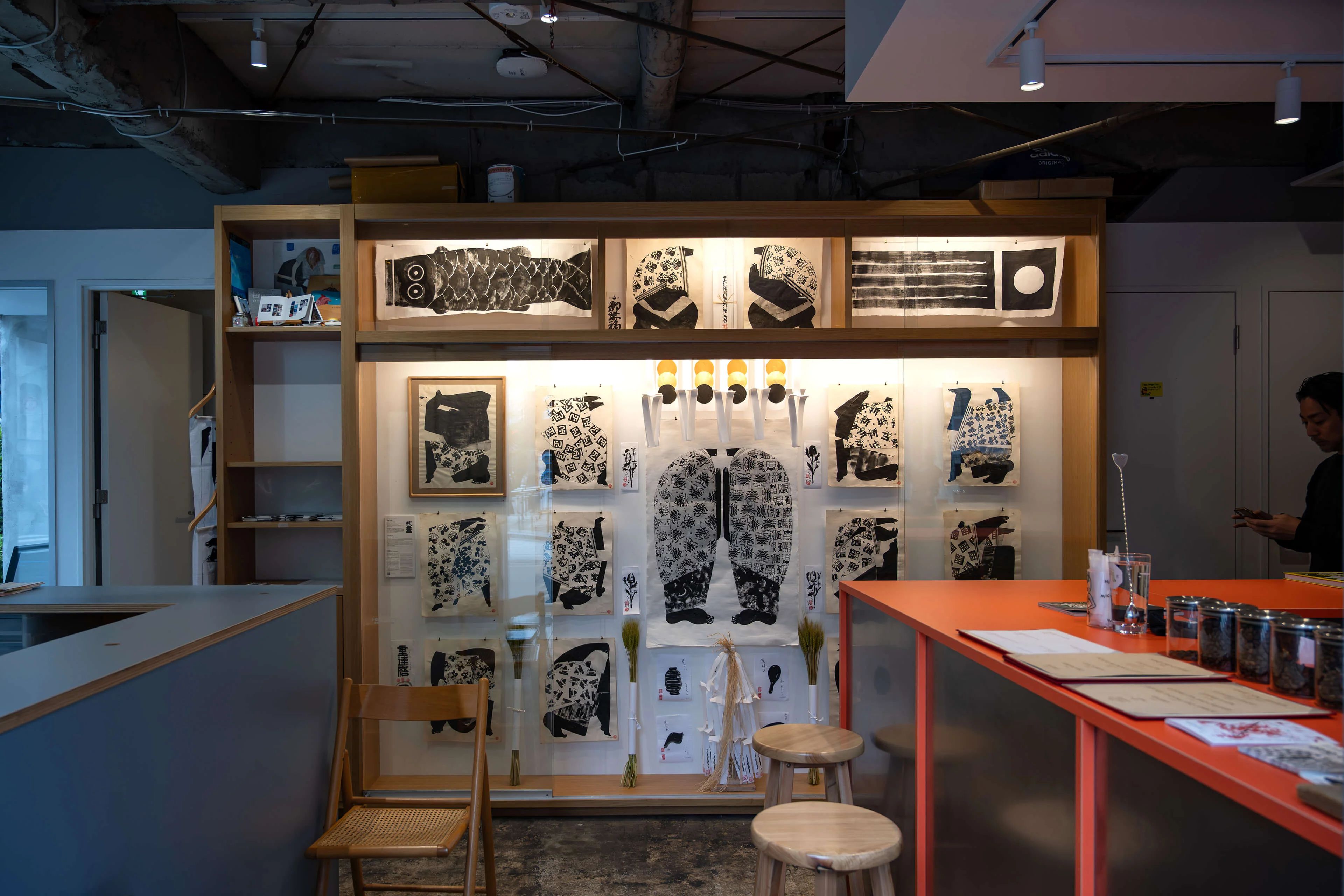
Hideji, your work is difficult to categorize. It exists at the intersection of illustration, typography, and calligraphy, incorporating elements of printmaking and textile art. All these influences weave together to form a completely new form of expression. How would you describe your art?
For me, the purpose is to express Japanese folk culture through images. I don’t think I choose particularly special subjects.
When it comes to materials, I’m not strict about it, but I feel that — despite the differences — I tend to choose methods that could, in some form, have been reproduced in the past.
I don’t categorise my works by technique. The combination of different methods reflects my personal preference, but more than anything, I have used whatever means allowed me to realise the expression I was looking for.
In the accompanying texts for the solo exhibition “Tamiga,” you speak of the countless nameless people who live, pray, and dance—and through whom the soul of Japan is passed on. Where do you draw your inspiration from?
It comes from being born in this place, and from the everyday life I shared with my parents and grandparents. They, too, inherited certain ways of living, thinking and feeling from their own parents and grandparents. That line of transmission continues directly to us today.
What interests me is this ongoing continuity of ordinary life and culture — the things that may not seem special, but have been passed down quietly from generation to generation.

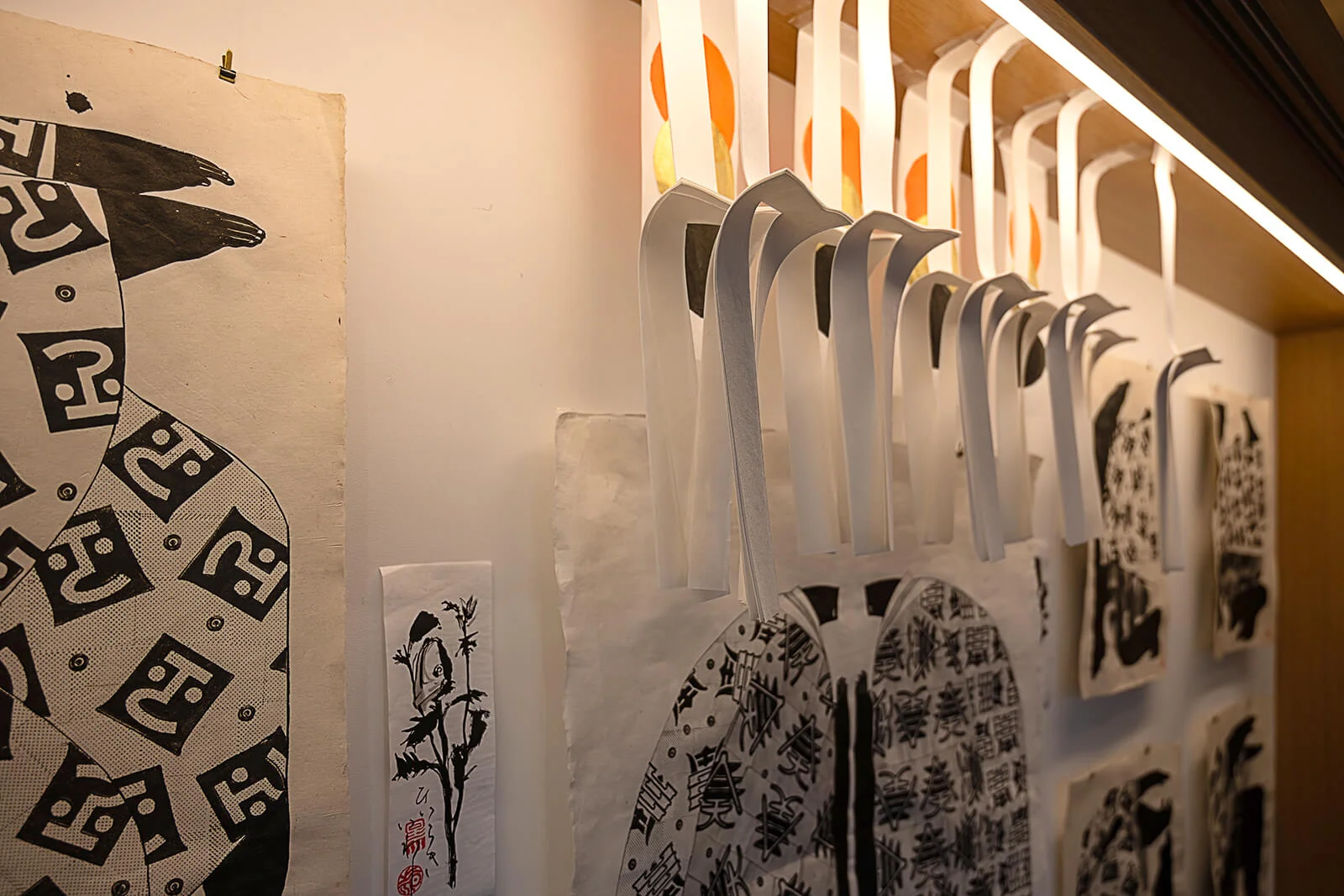
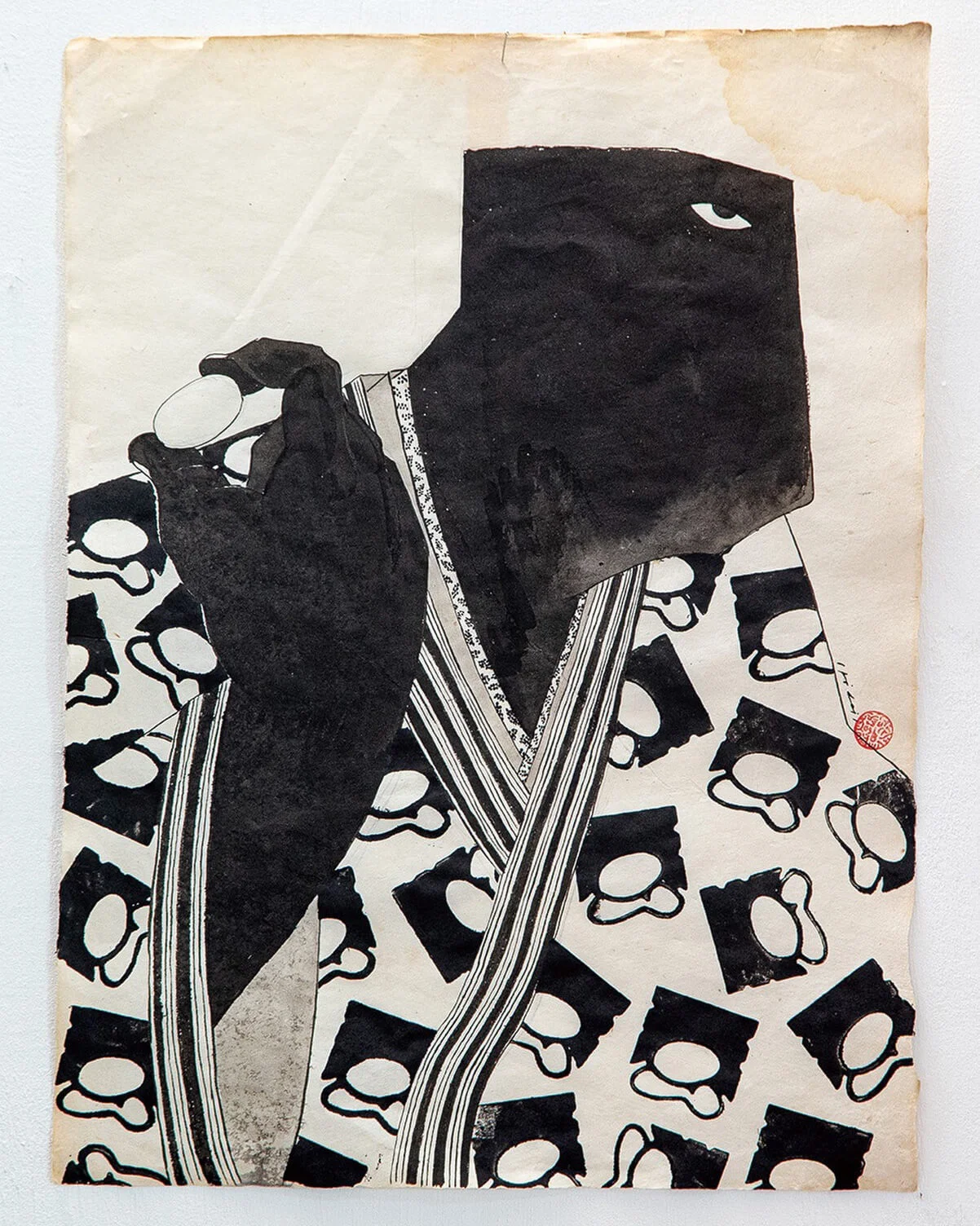
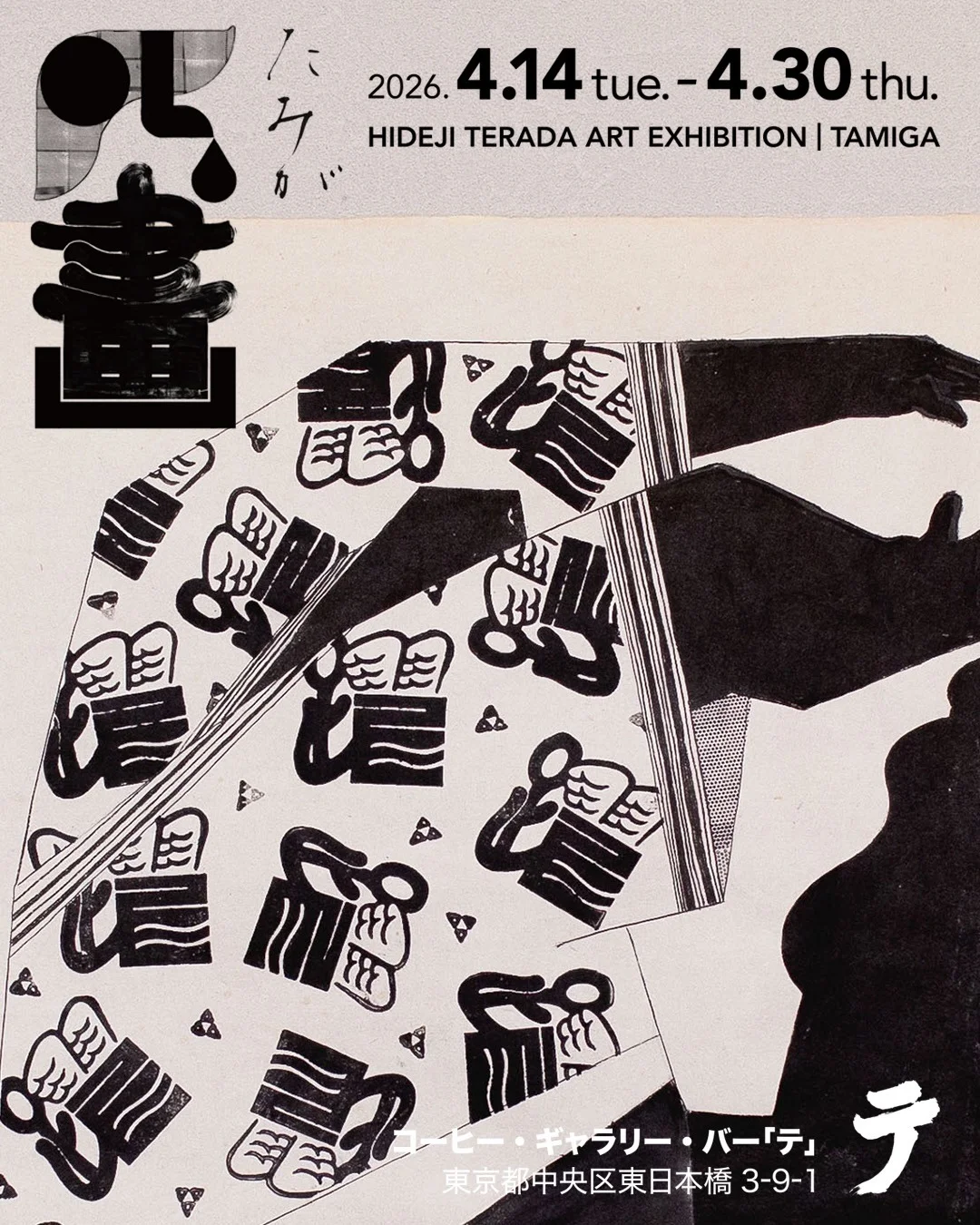
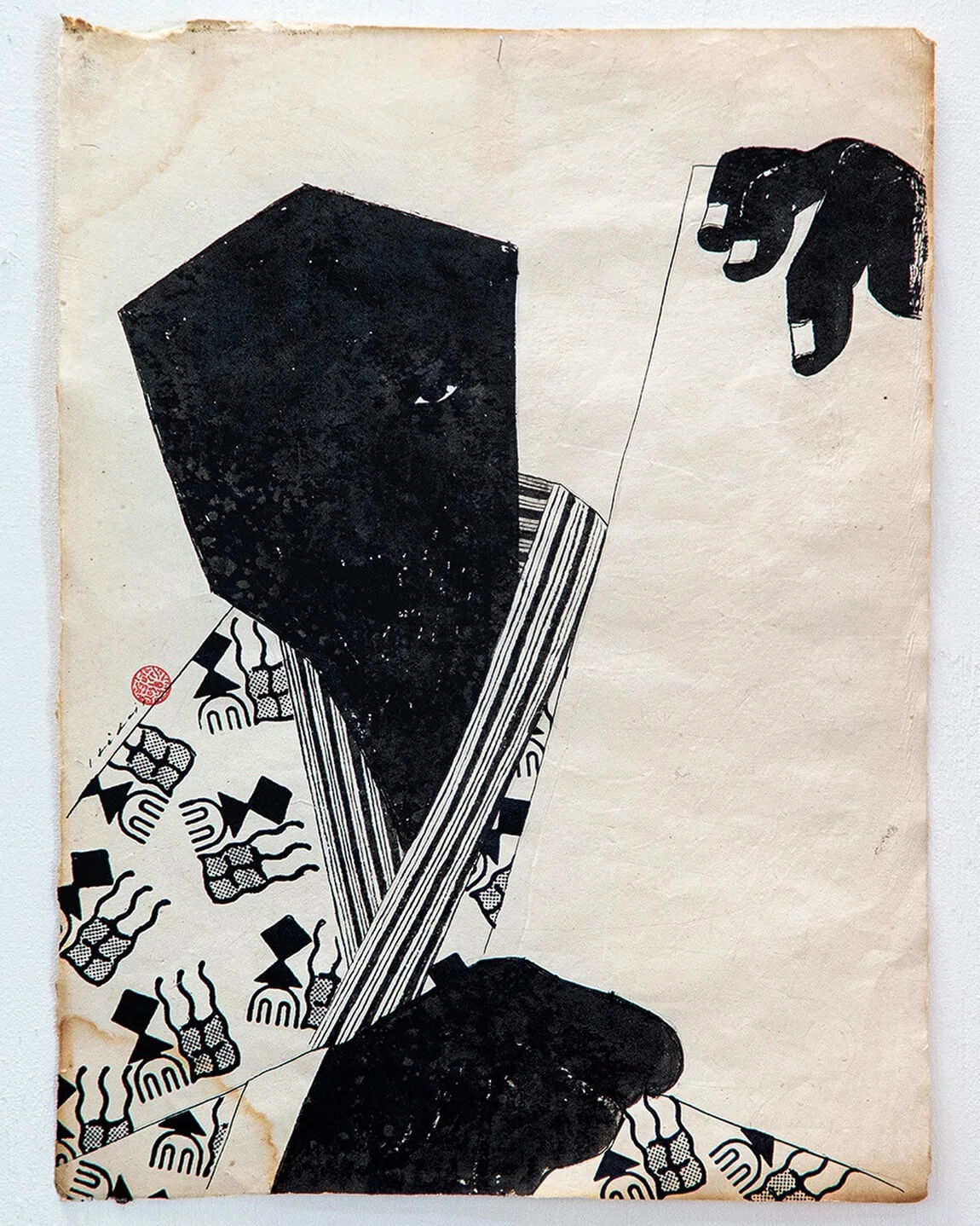
You draw on Japanese traditions, ancient texts, folk art, and the customs and beliefs of people from the Edo period (1603 to 1868). What role does research play in your work?
Research is an essential part of my practice. I draw on historical materials to find ideas and stories through which I can depict the people. In that sense, my work relies on the records left behind by those who came before us, as well as on the efforts of the people who have preserved, edited and passed them on.
How do you approach your research? Online or offline? Do you look for specific things to incorporate into your artistic practice, or do you discover things by chance and develop ideas from them?
I use both.
The ideas themselves mostly come from offline sources — from past experiences, of course, but also from books and, at times, from fieldwork. I use online research mainly as a way to find and access those materials.
Sometimes I come across other ideas while searching, but for now I usually research with a specific purpose in mind.
The majority of your works are executed in black and white as ink drawings. What techniques do you generally use? And why do these particular techniques resonate with you?
I use ink because it has always been something familiar and close at hand, both in the past and today. I feel that not using anything particularly special brings me closer to the themes I am working with. I am drawn to what exists within ordinary, unspectacular things — and this is why I imagine a kind of beauty created by the people, for the people; a beauty that exists before it is elevated to the status of art.
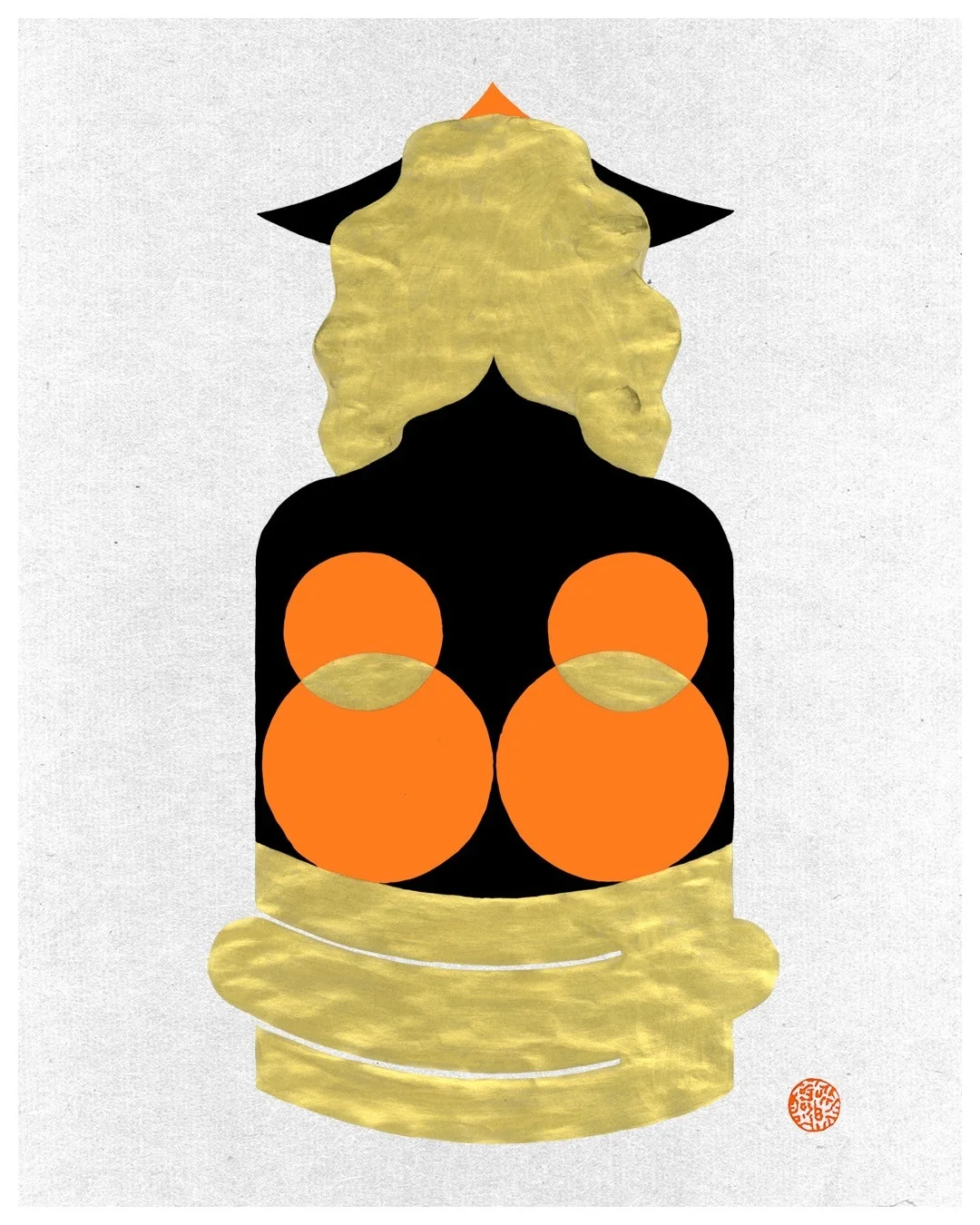
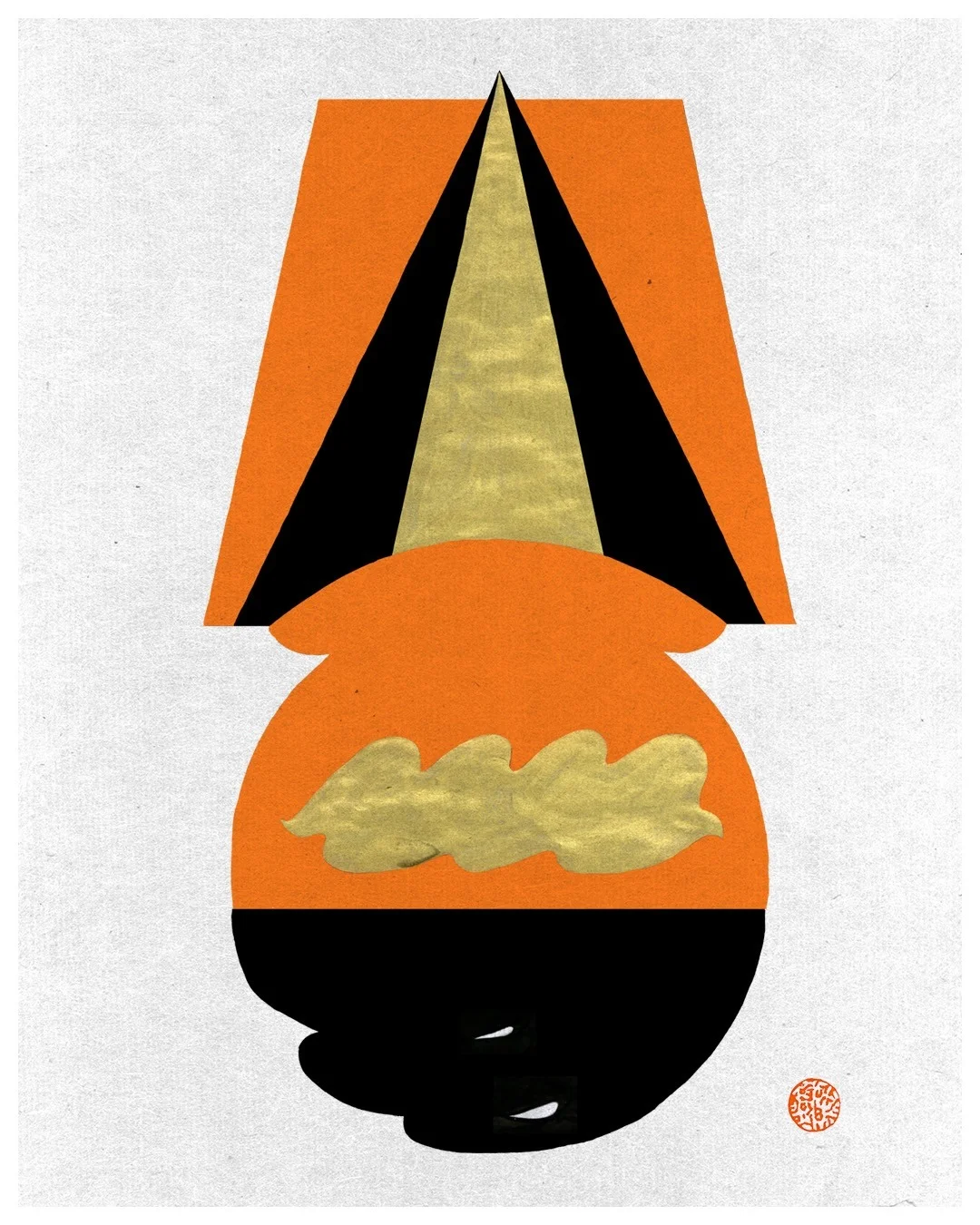
Visuals from a calendar project. The calendar consists of 24 bound pages, each featuring the characters for one of the 24 solar terms, written in three colours: gold, vermilion and black
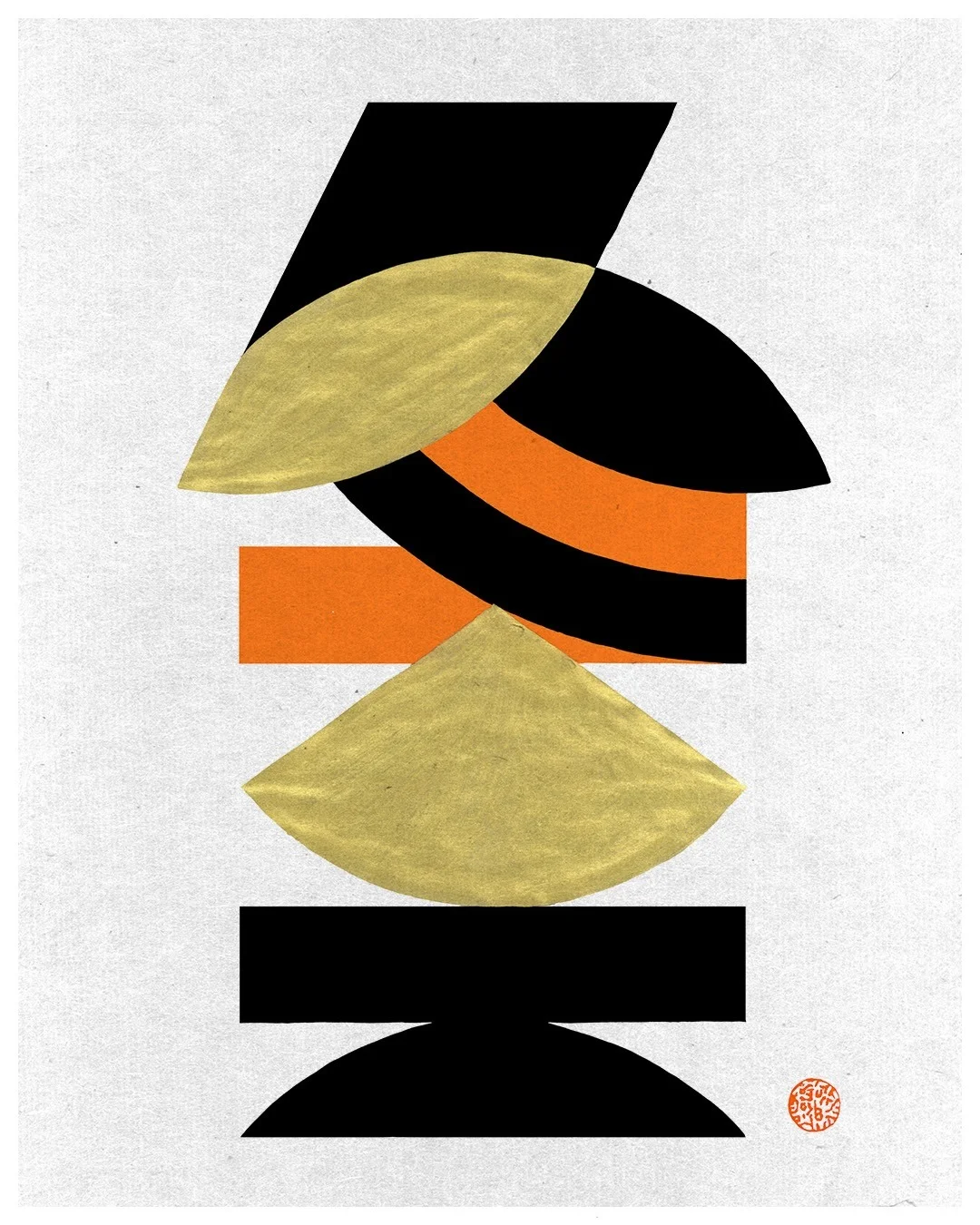
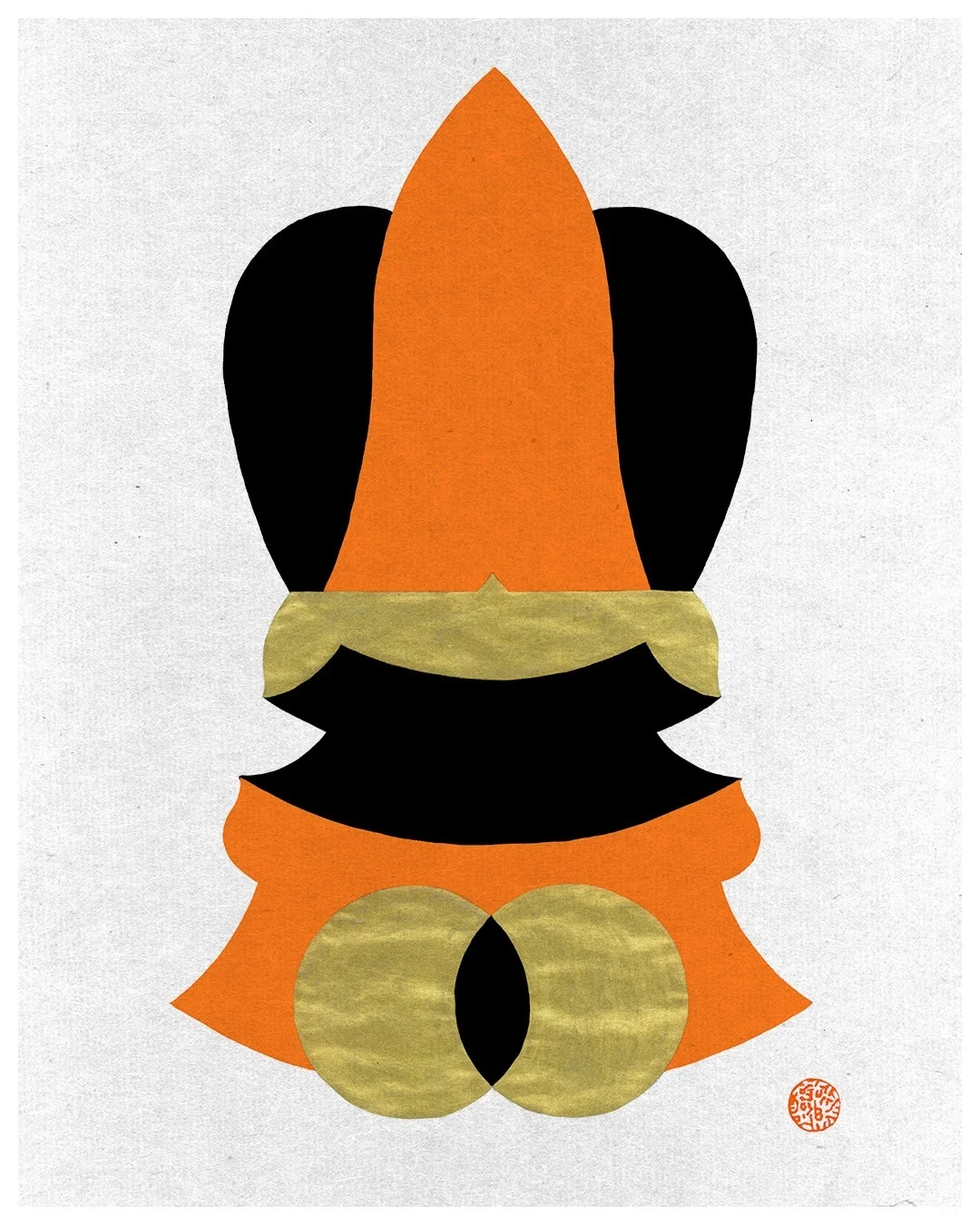
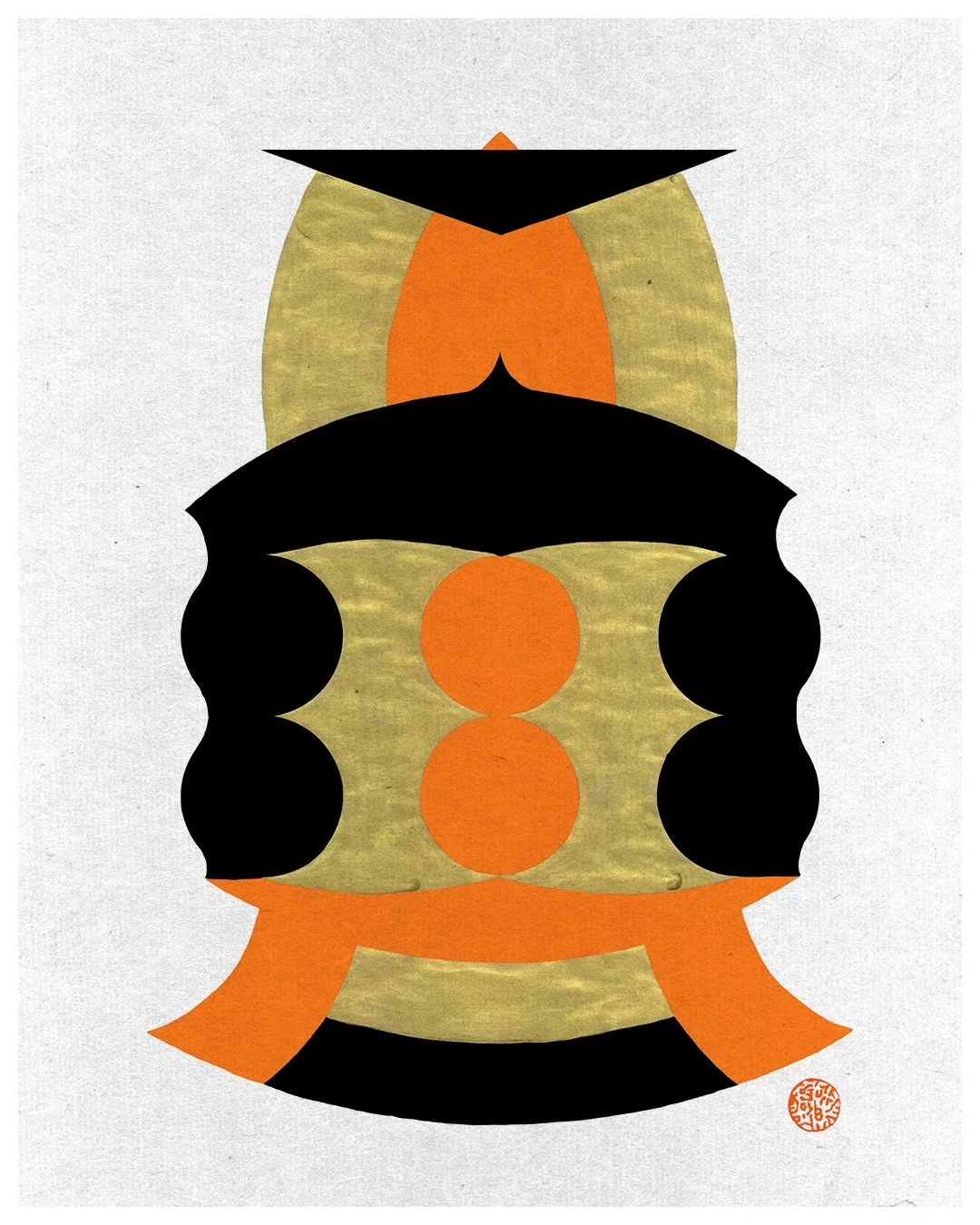
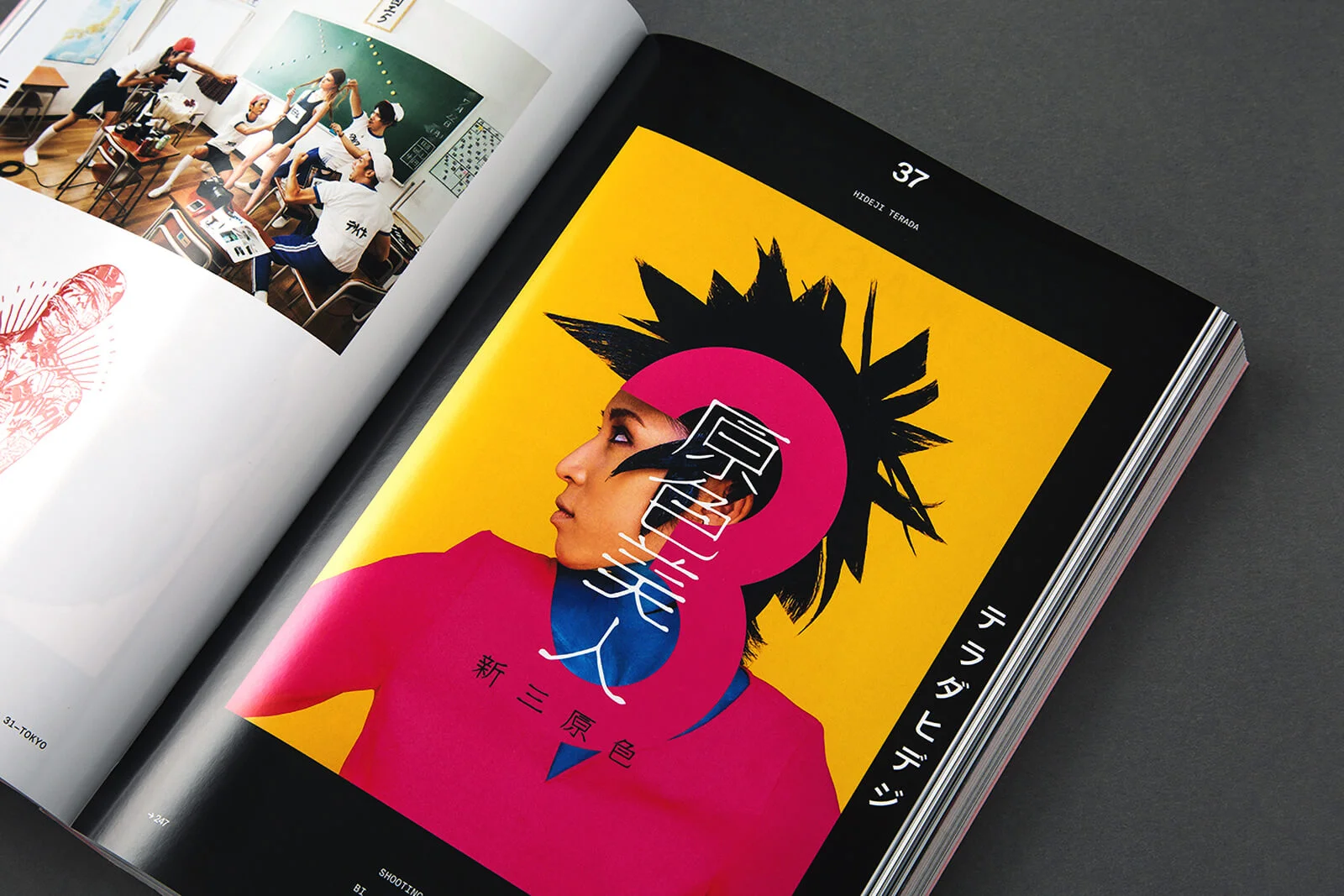
In our preliminary discussion, you mentioned your roots in graphic design and lettering. You were also featured in the Tokyo edition of Slanted Magazine in 2018. How does your background in graphic design influence your current work?
In Japanese graphic design from around the 1960s onwards — a period I particularly like — there are many works that still stand out as highly individual forms of expression. They have had a strong influence on me, in the sense that they made me want to create something like that myself.
At the same time, I see this more as an influence on my artistic expression. I don’t think I have the skill to produce that kind of work as design within the context of client projects.
In the Tamiga exhibition, you showcased more figurative representations and organic forms. Many of your other works are characterized by strong symmetry and calligraphic elements. Do you find it easy to switch between figurative and graphic styles?
If you are asking whether I can freely adapt my expression in response to a request, then no, I cannot.
The forms I am working with now are the result of creating while searching for my own style. I think about the themes that give rise to those forms, and I set certain constraints for the expression.
When I change the form of expression, I start by changing the theme. I need to decide why it should take that particular form. In that sense, I am not very flexible. It is only as a result that my work may appear to take on various different styles.
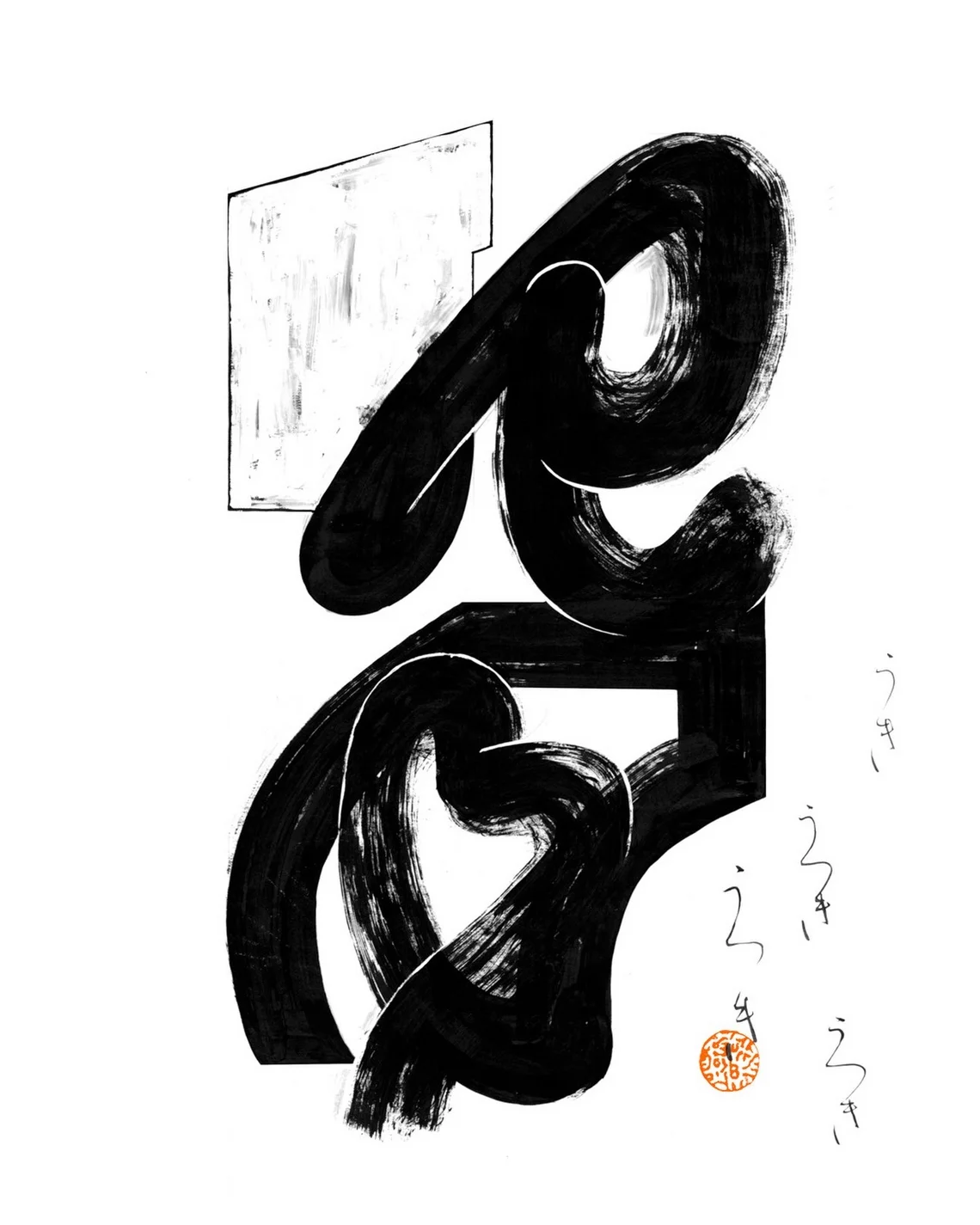
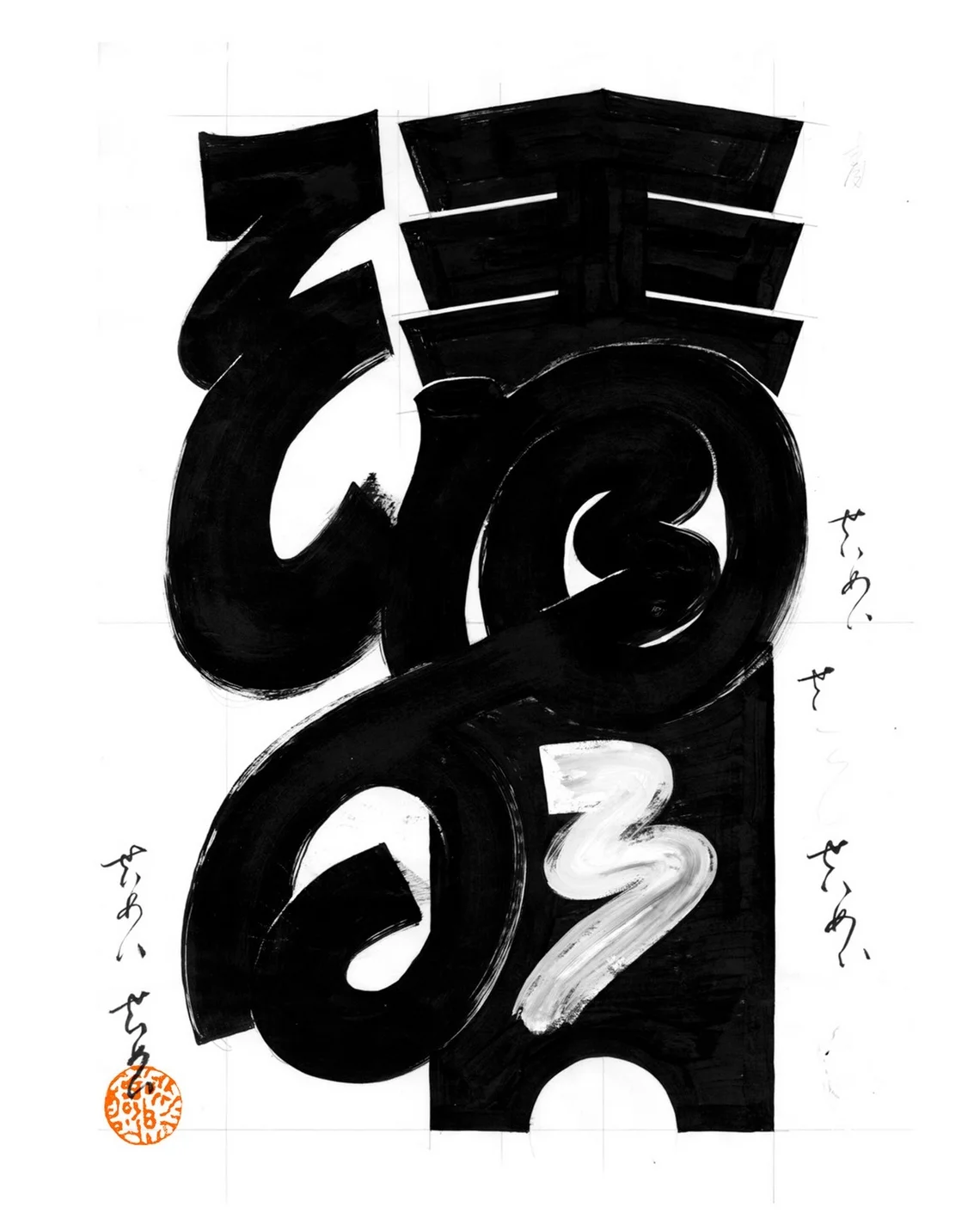
Hideji Terada published his hand-drawn lettering in the “Hand-Drawn Lettering Book”, now in its third edition
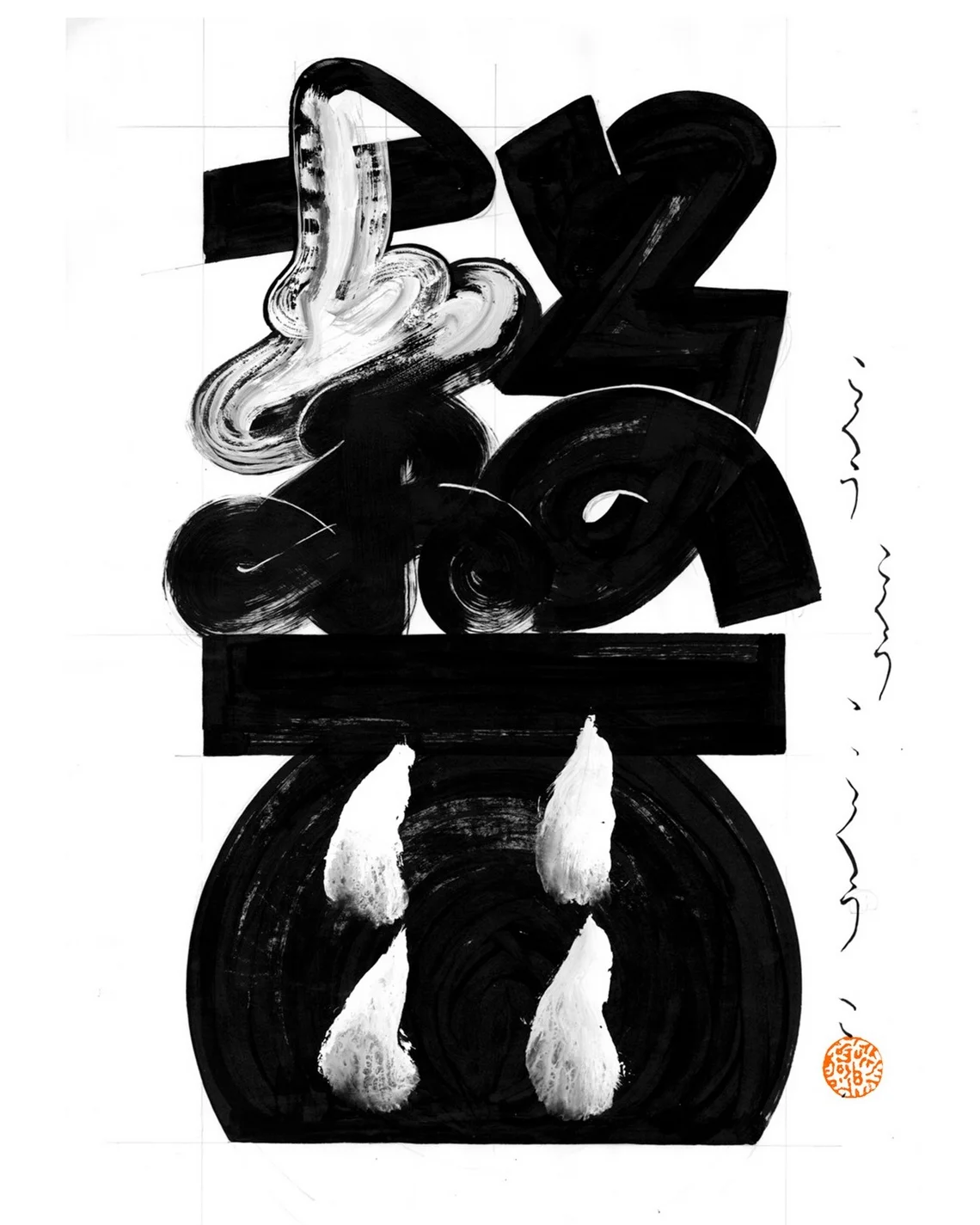
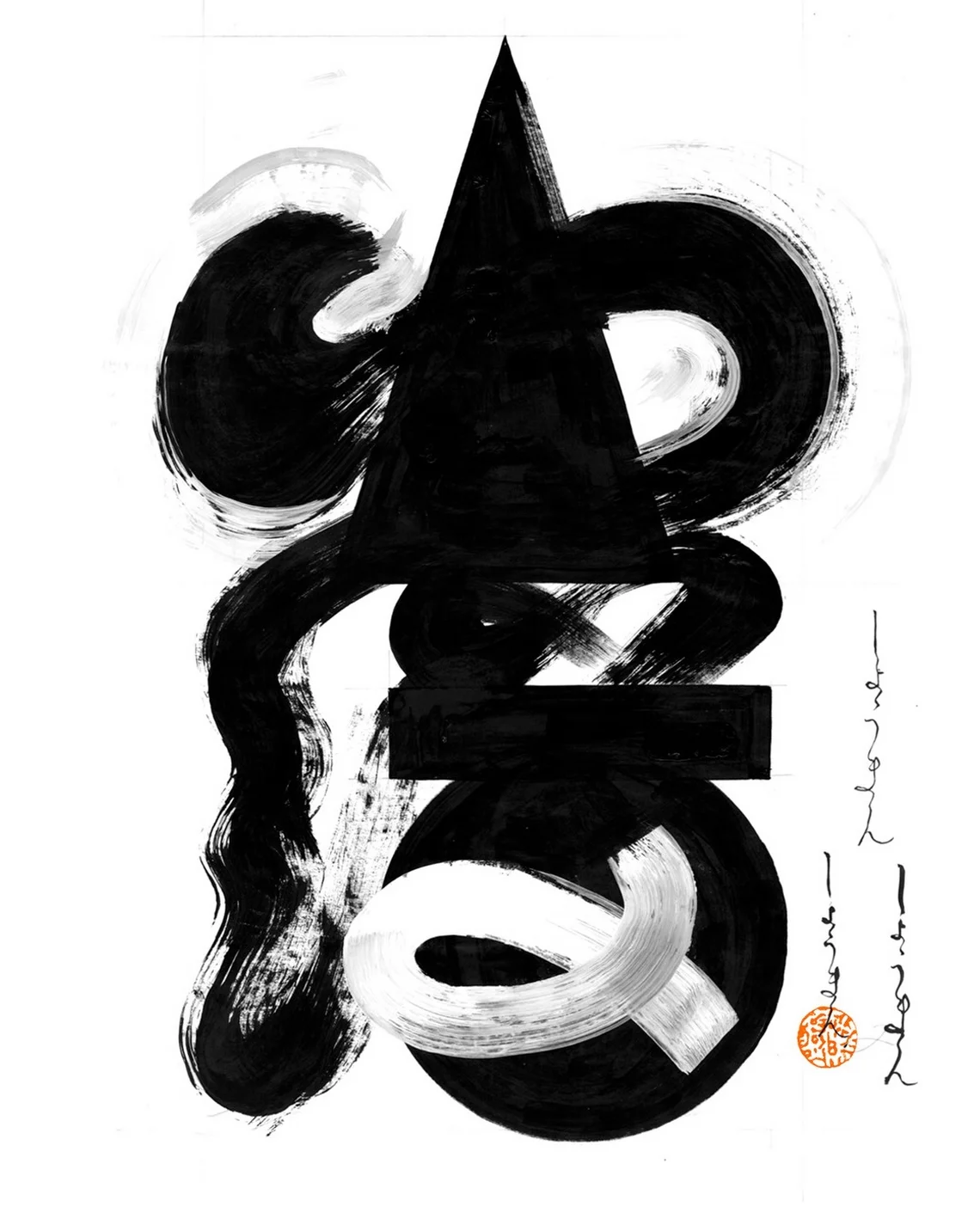
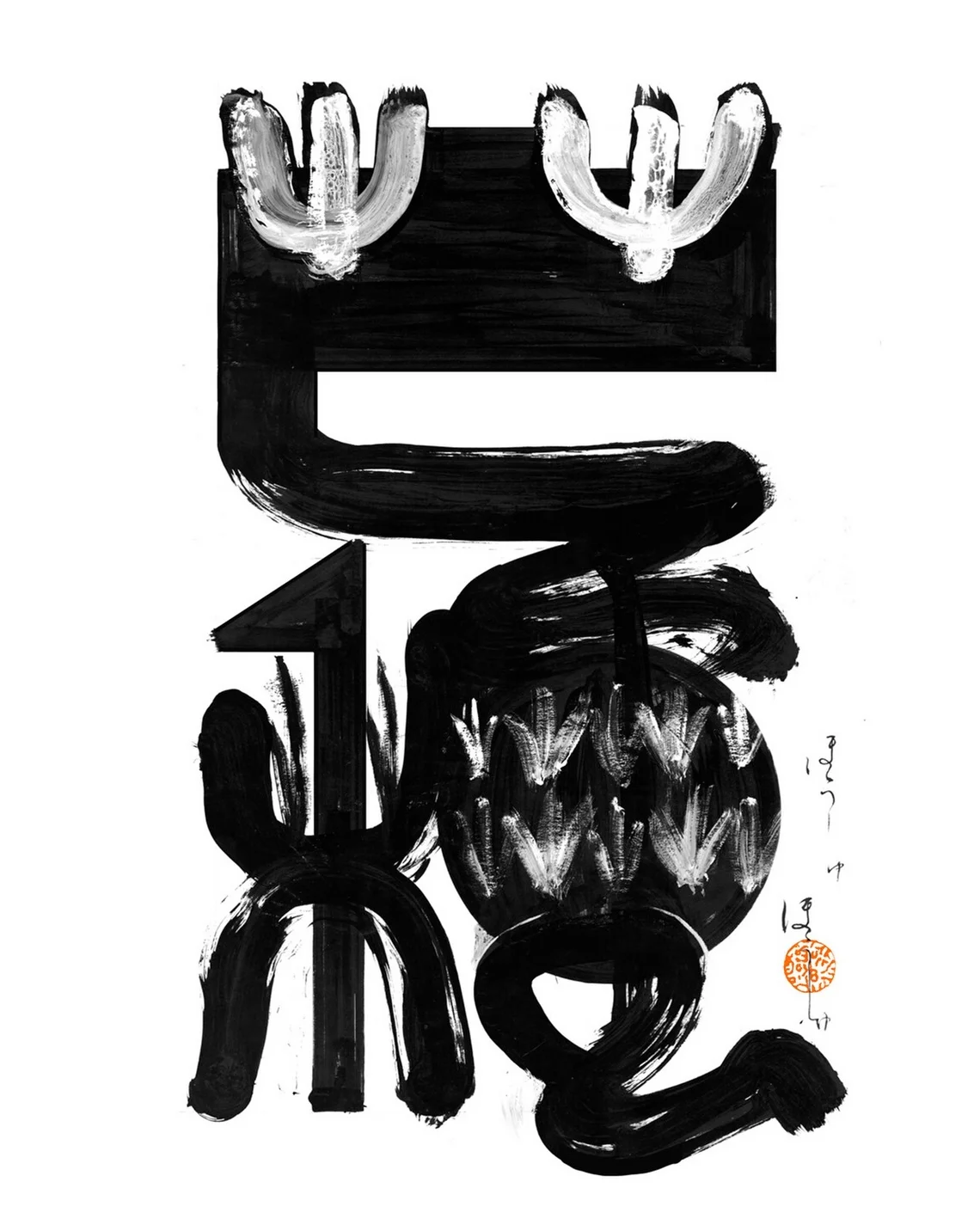
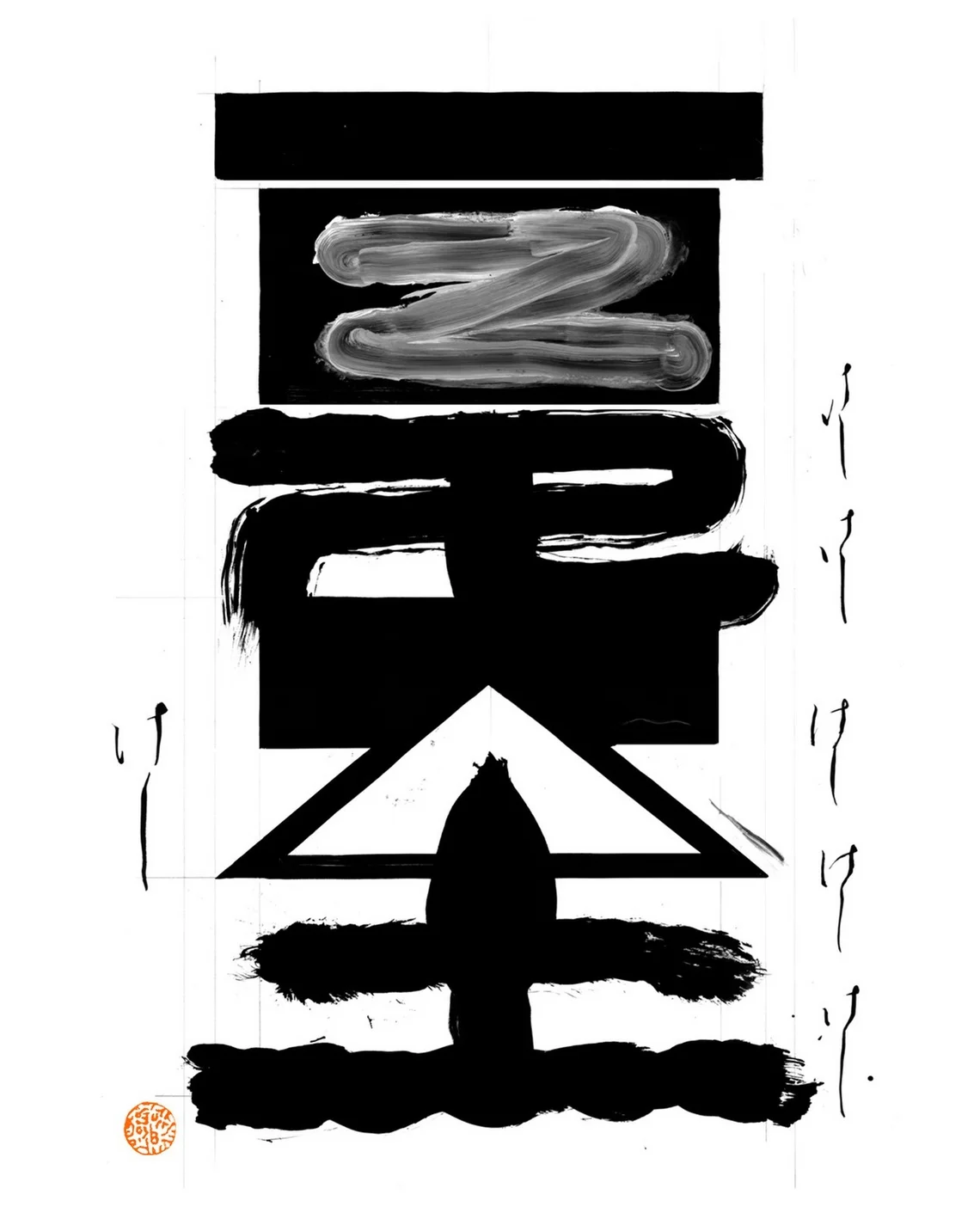
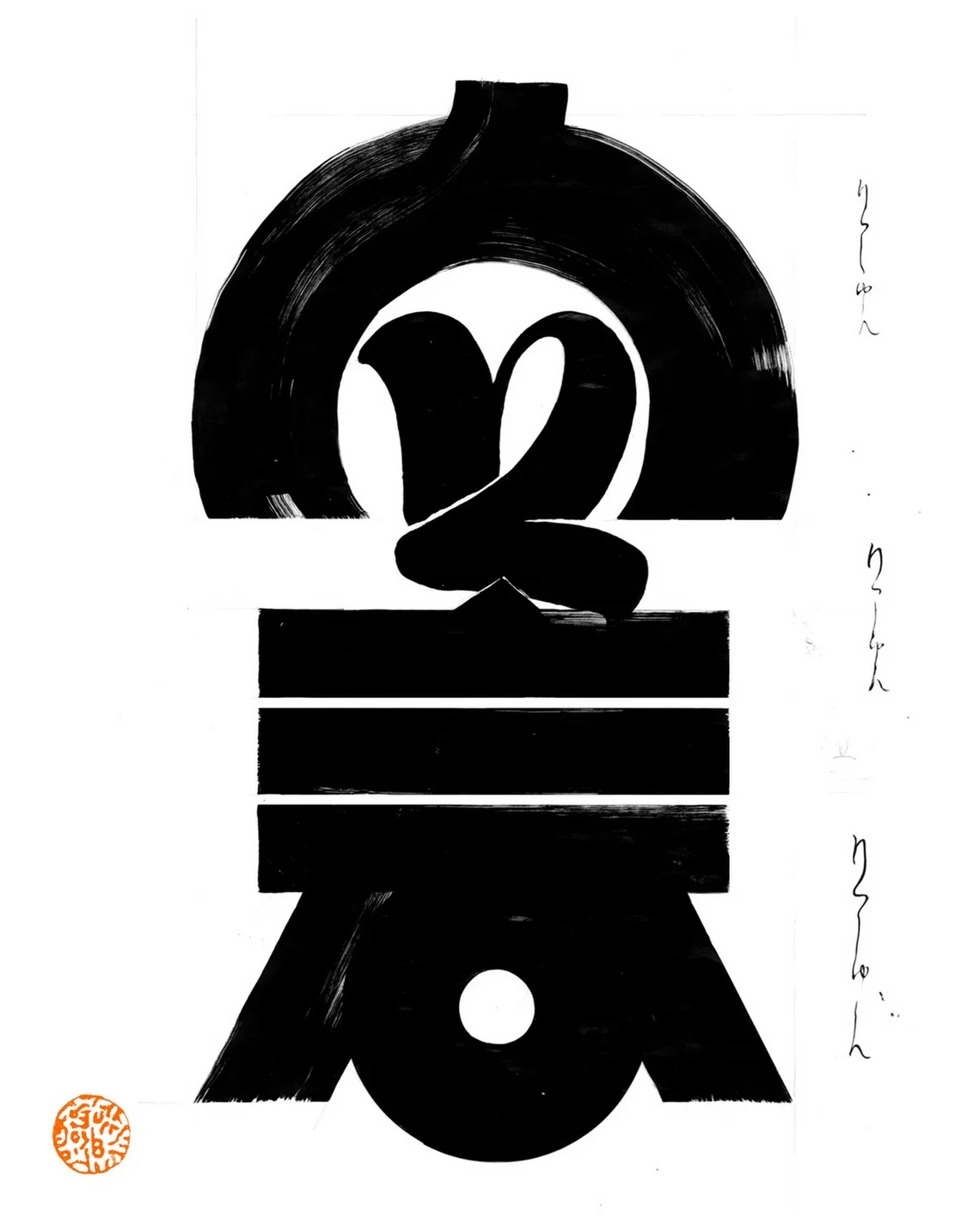
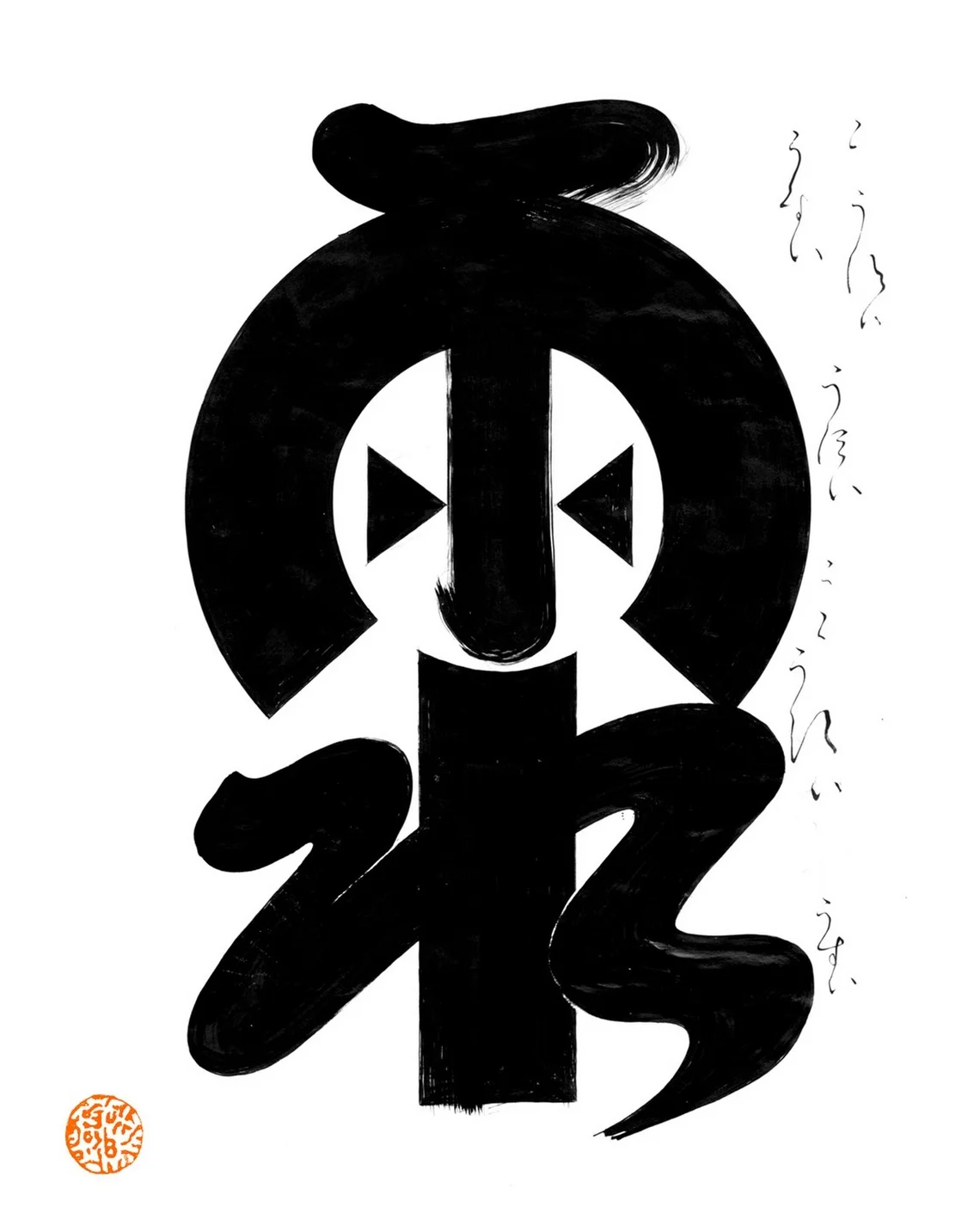
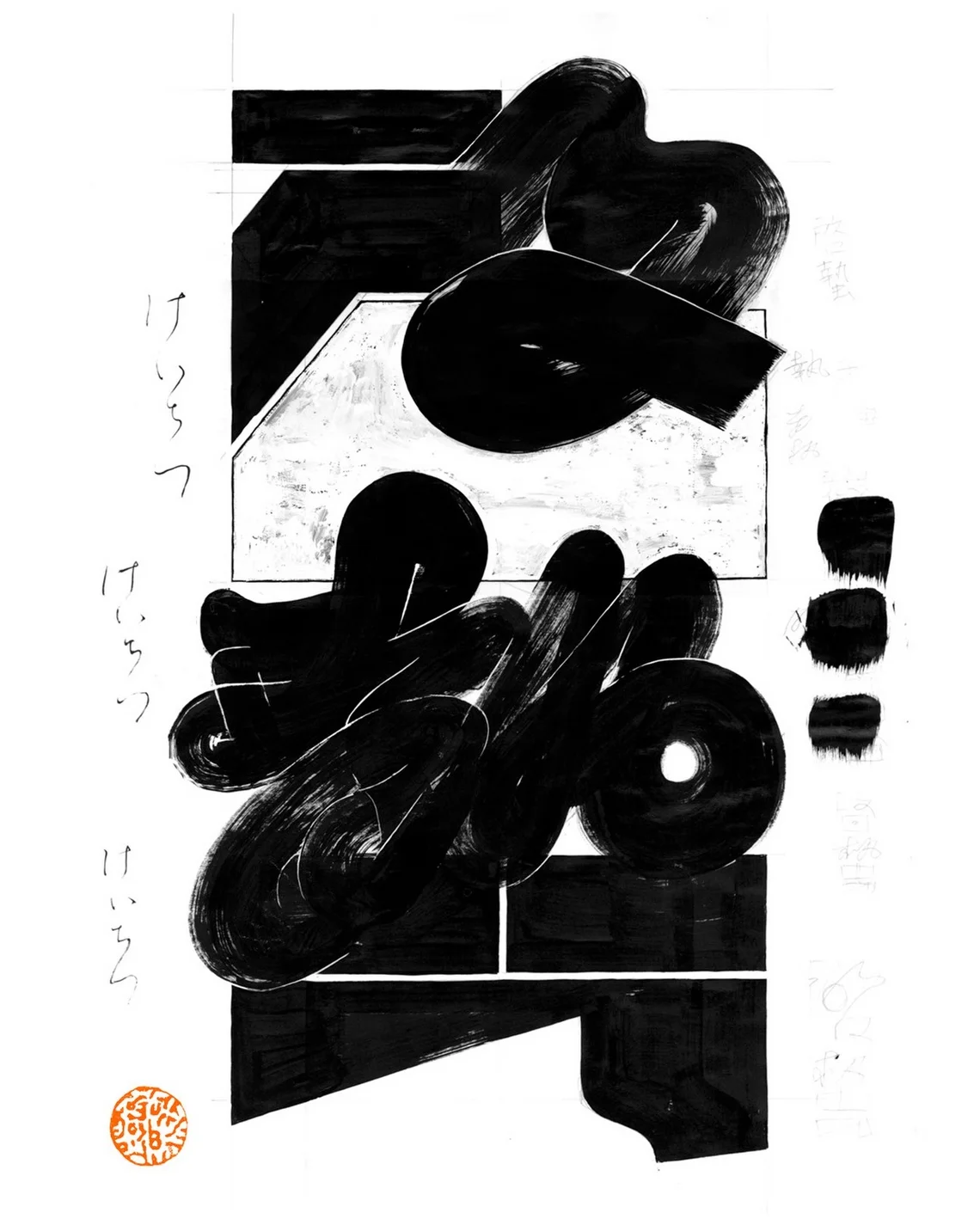
You also switch mediums frequently. You’ve designed calendars, painted vases, and created paper lampshades. In the past, this led to a collaboration with Matsuro Shuzo, a shochu distillery founded in 1928 in Miyazaki Prefecture, for which you created an exclusive label. Can you tell us more about these collaborations and projects?
All of my works are based on themes drawn from Japanese everyday life, customs and events — in other words, from our folk culture. Although I work across different media, everything remains an expression of that same theme.
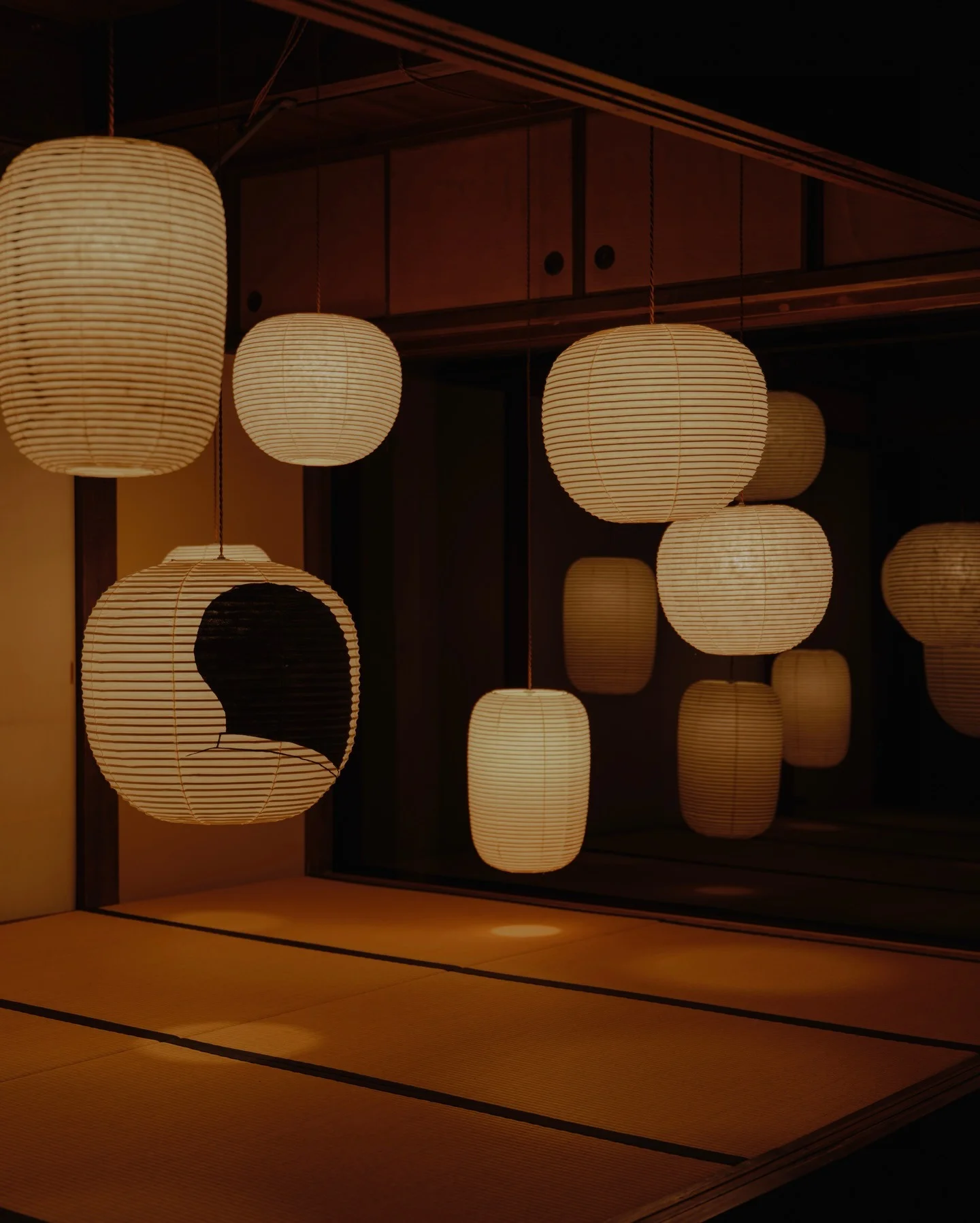
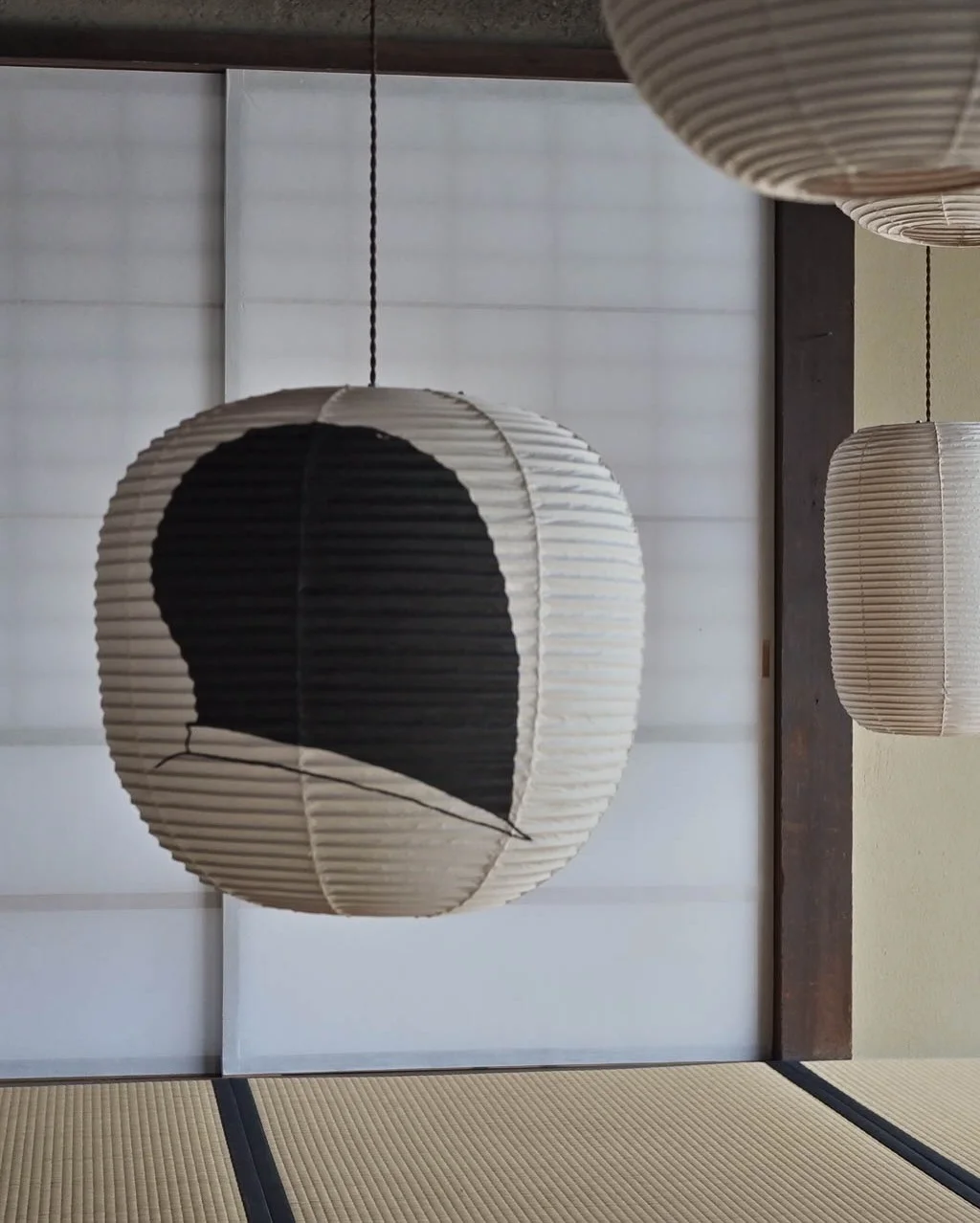
The vases, lanterns and shochu were made possible through the cooperation of the people who produce them, who supported the creation of works for my solo exhibition. Each of these objects has long been close to the lives of ordinary people.
In the exhibition “Tamiga”, using media other than paper was an attempt to approach the theme from multiple angles. I wanted to see whether these different forms could lead viewers to rediscover, or newly recognise, how various things, objects and practices are embedded in everyday life and culture.
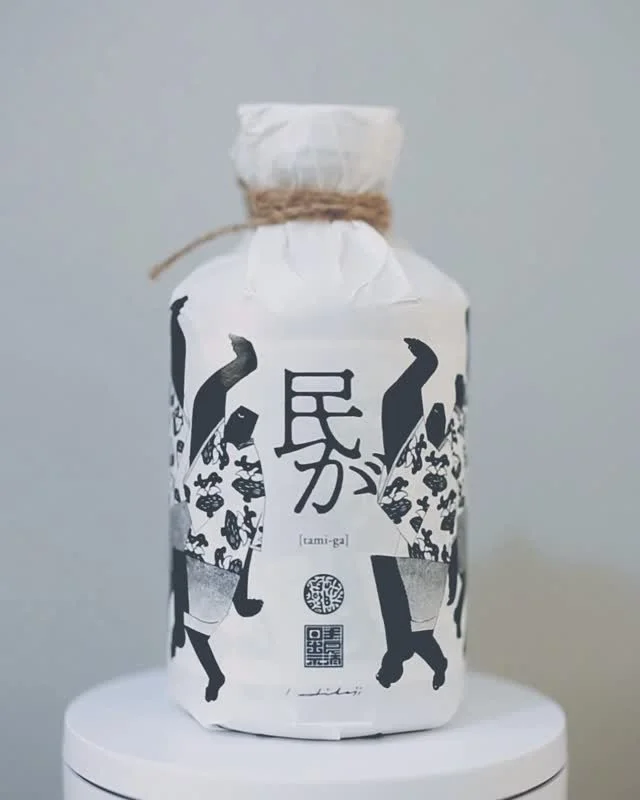
For his solo exhibition, Hideji Terada commissioned Matsuro Shuzo to create a special shochu, featuring a label designed by him and custom-made packaging.
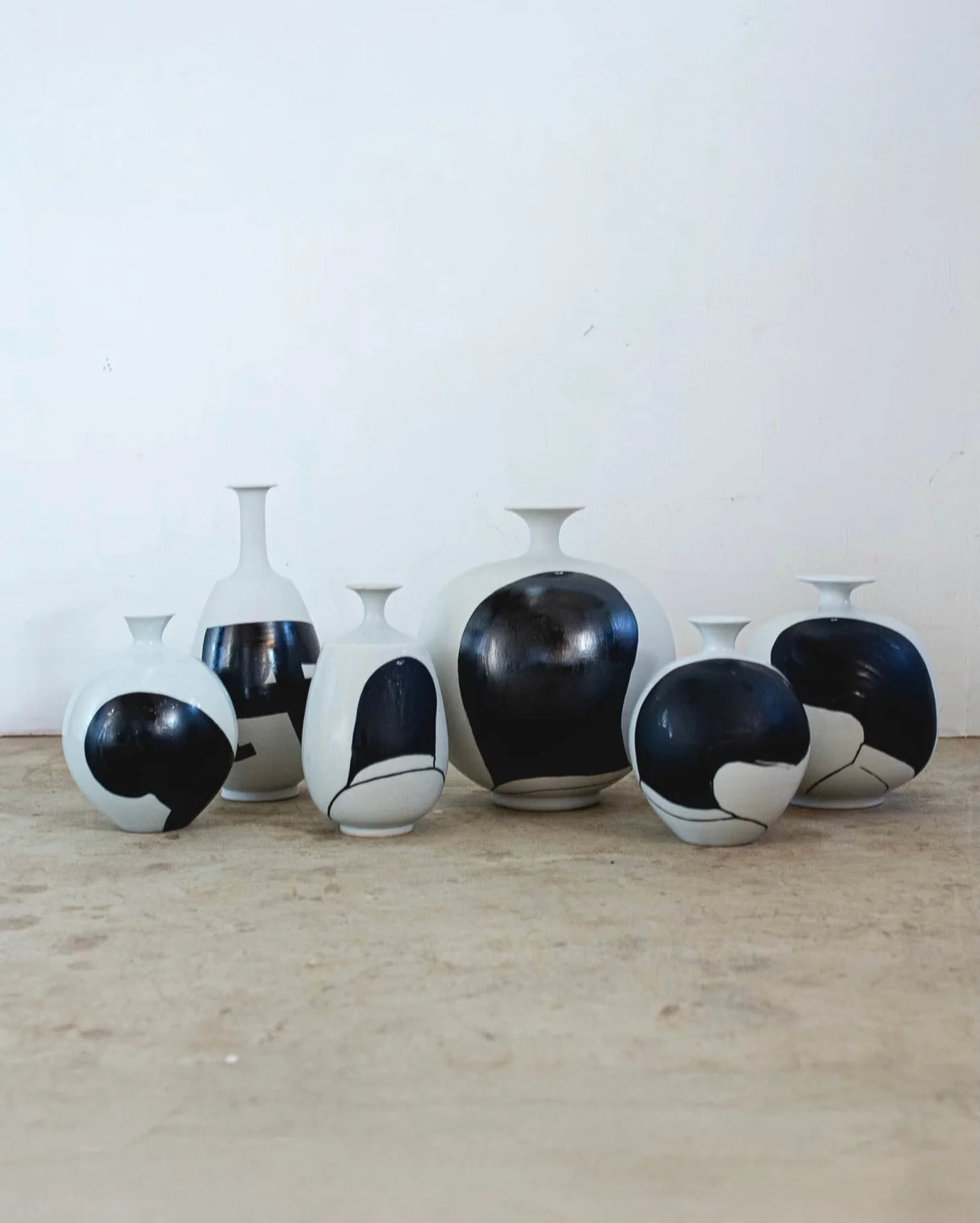
For a solo exhibition, Hideji Terada painted remaining stock of Kutani ceramic vases by QUTANI and Miya Creative Pottery, as well as Kyoto-style lanterns by Kojima Shoten
Another project involves cat paws. What’s the story behind it?
I sometimes make engimono — auspicious objects or lucky charms.
The reason I chose the raised paw of the maneki-neko was that I began to think about what separates an ordinary cat from a lucky beckoning cat. The difference, of course, is the raised paw. So I imagined the paw itself as a kind of concentrated form of good fortune, and gave that idea physical shape. The phrase “maneki-neko’s paw” also contains a playful pun.
I imagine that in the past there were many more shops selling auspicious objects than there are today. For this work, I created a kind of fictional story around those shops: that they might once have competed with one another, each claiming that their lucky charms brought more good fortune than anyone else’s.
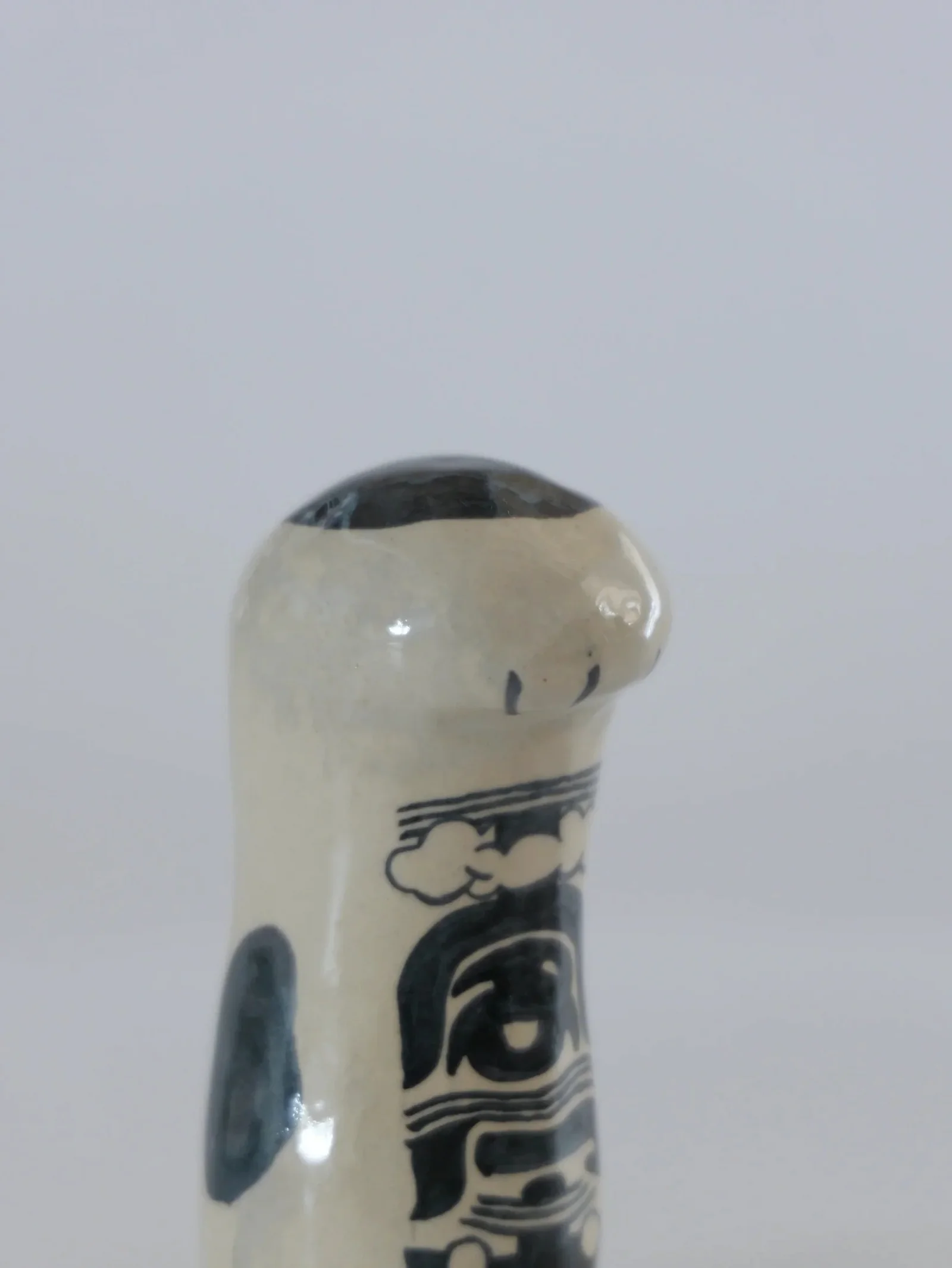
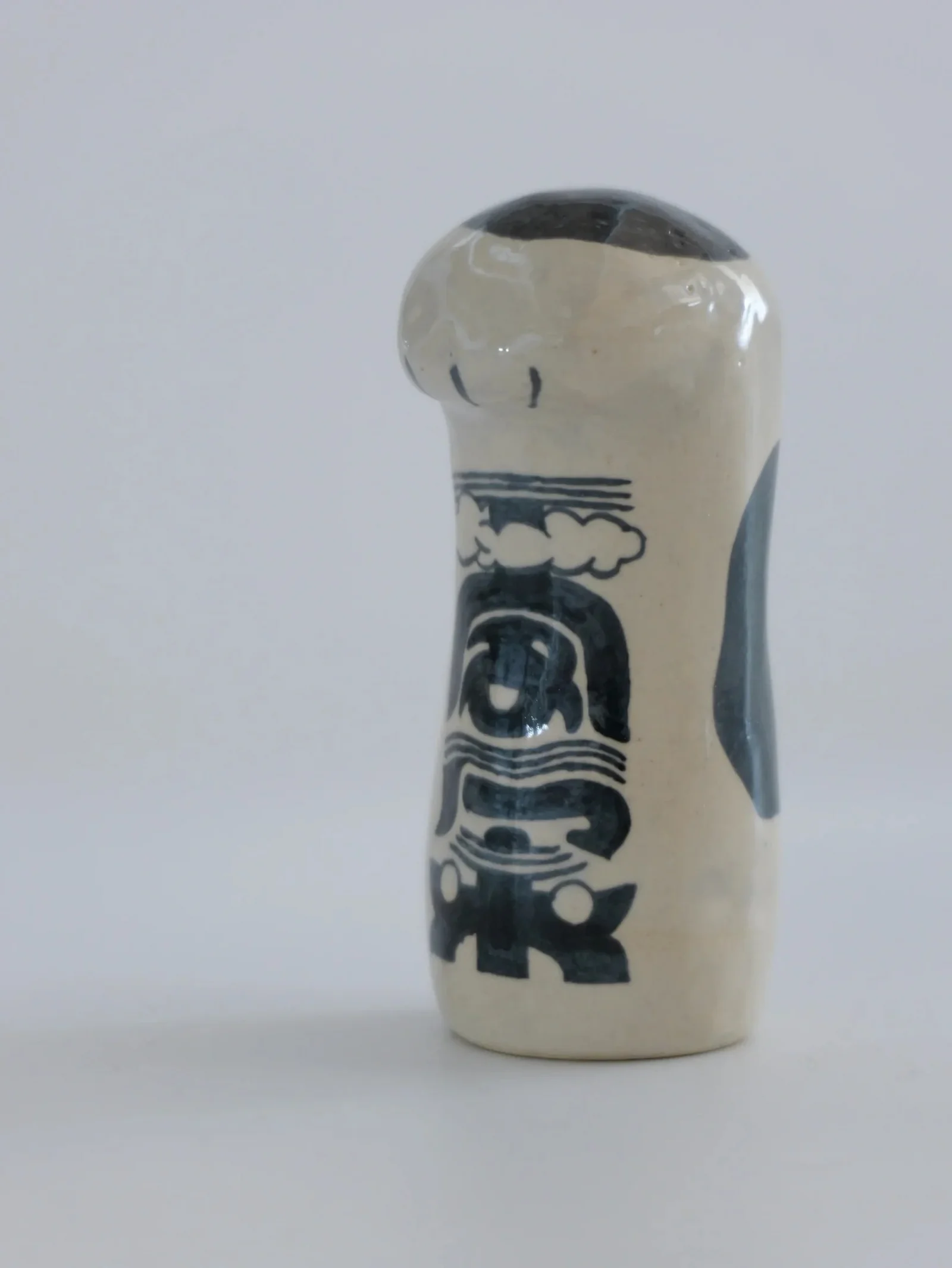
The “paws” of the maneki-neko, said to bring good fortune and good relationships, were faithfully reproduced for Hideji Terada by local ceramic artist Hiroaki Hayashi
Your books were published in 2025 and 2026 and had sold out. Are there any plans for a reprint or for a new book?
They were recently reprinted, so they are now available again.
Hand-Drawn Lettering Book, third edition
https://ec.teradahideji.com/items/147599506
For this publication, I brought together around 300 drawn letters and illustrations that I had previously shared on social media. The book is both an archive of my lettering work and a personal document. Over time, my way of drawing letters has gradually changed, shaped by new knowledge, shifting interests and different points of fascination. Looking back at these changes has become a valuable learning experience.
ODOLI Book, third edition
https://ec.teradahideji.com/items/113726581
The solo exhibition “ODOLI” held in 2023 consisted of 100 “mono-tachi” dancing freely in unconventional forms, accompanied by musical words from folk songs in various regions of Japan, posters and original drawings. This book is a collection of all the exhibited works.
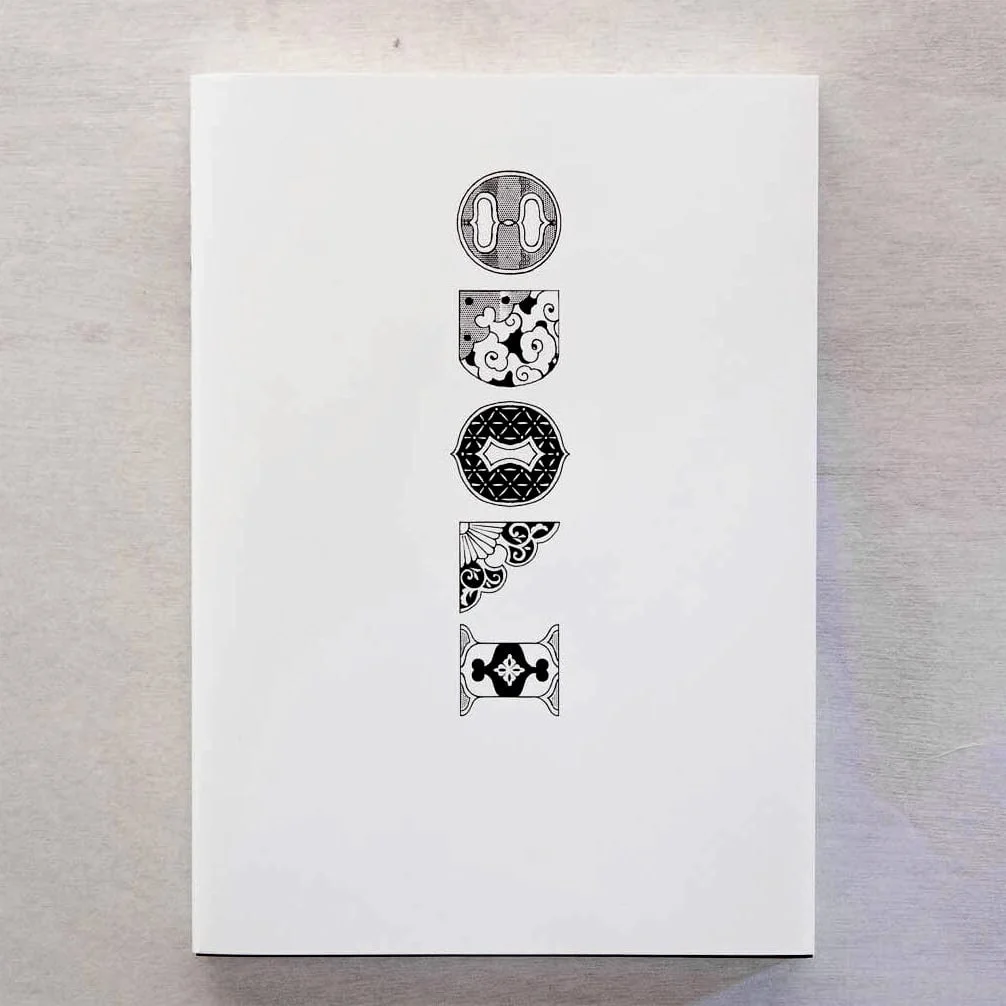
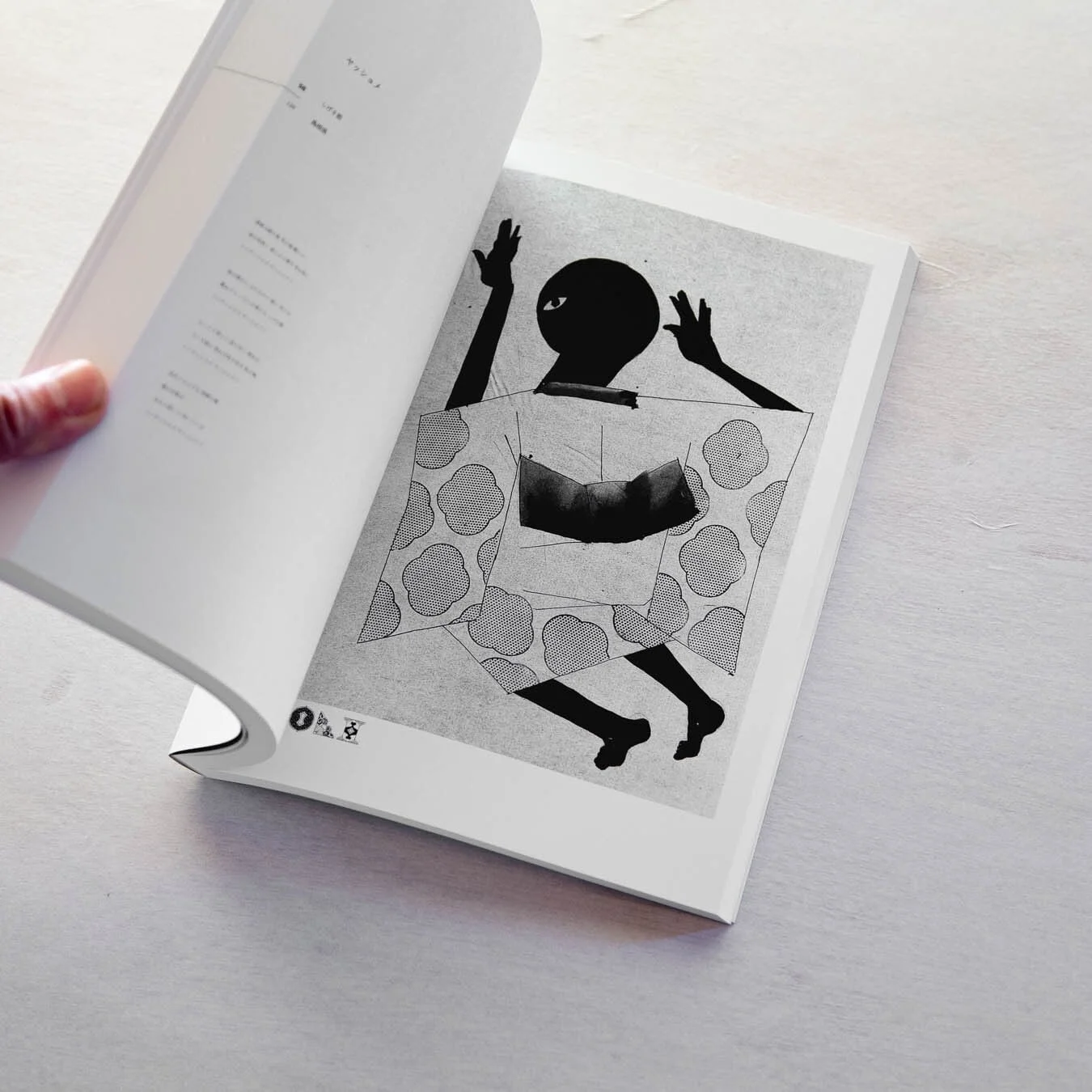
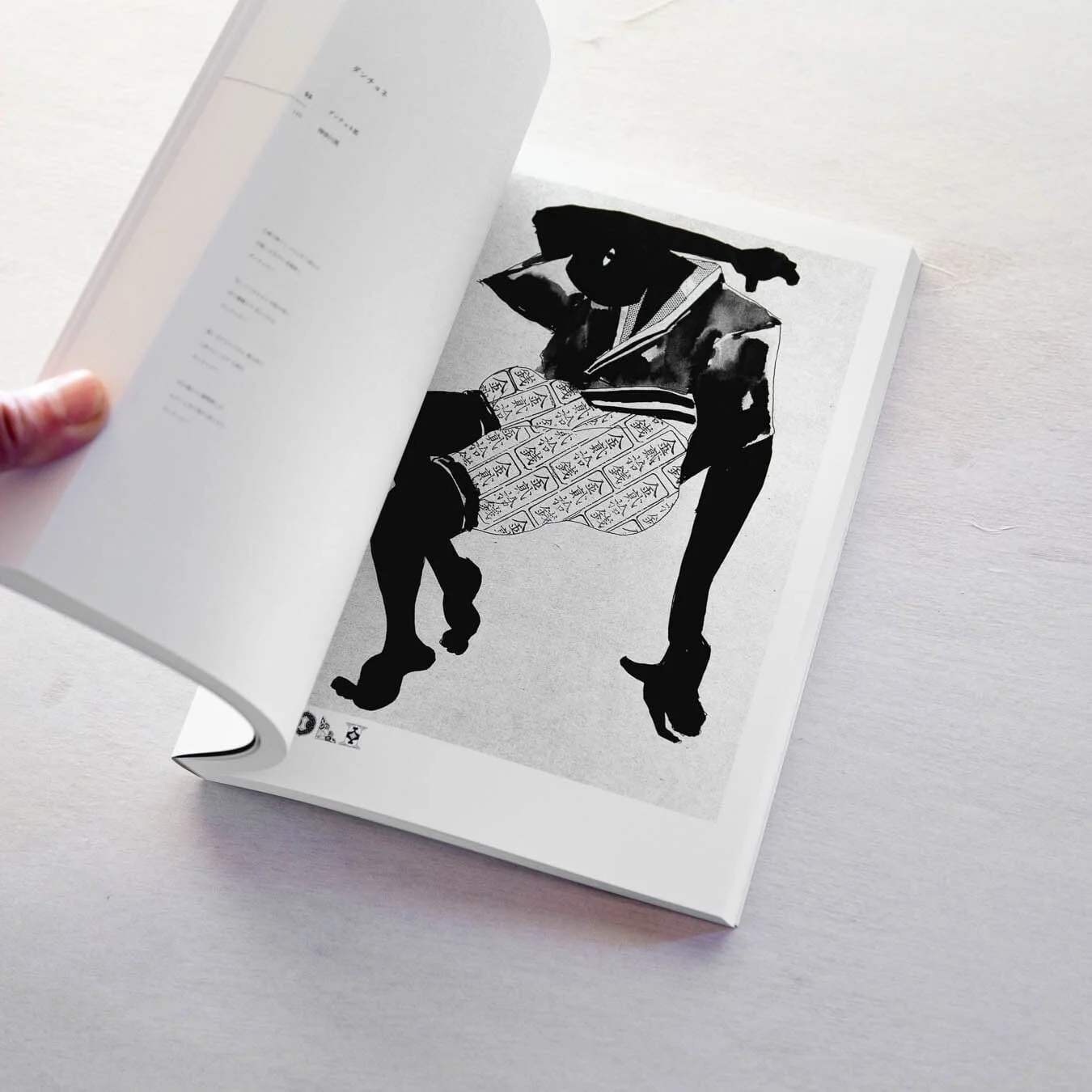
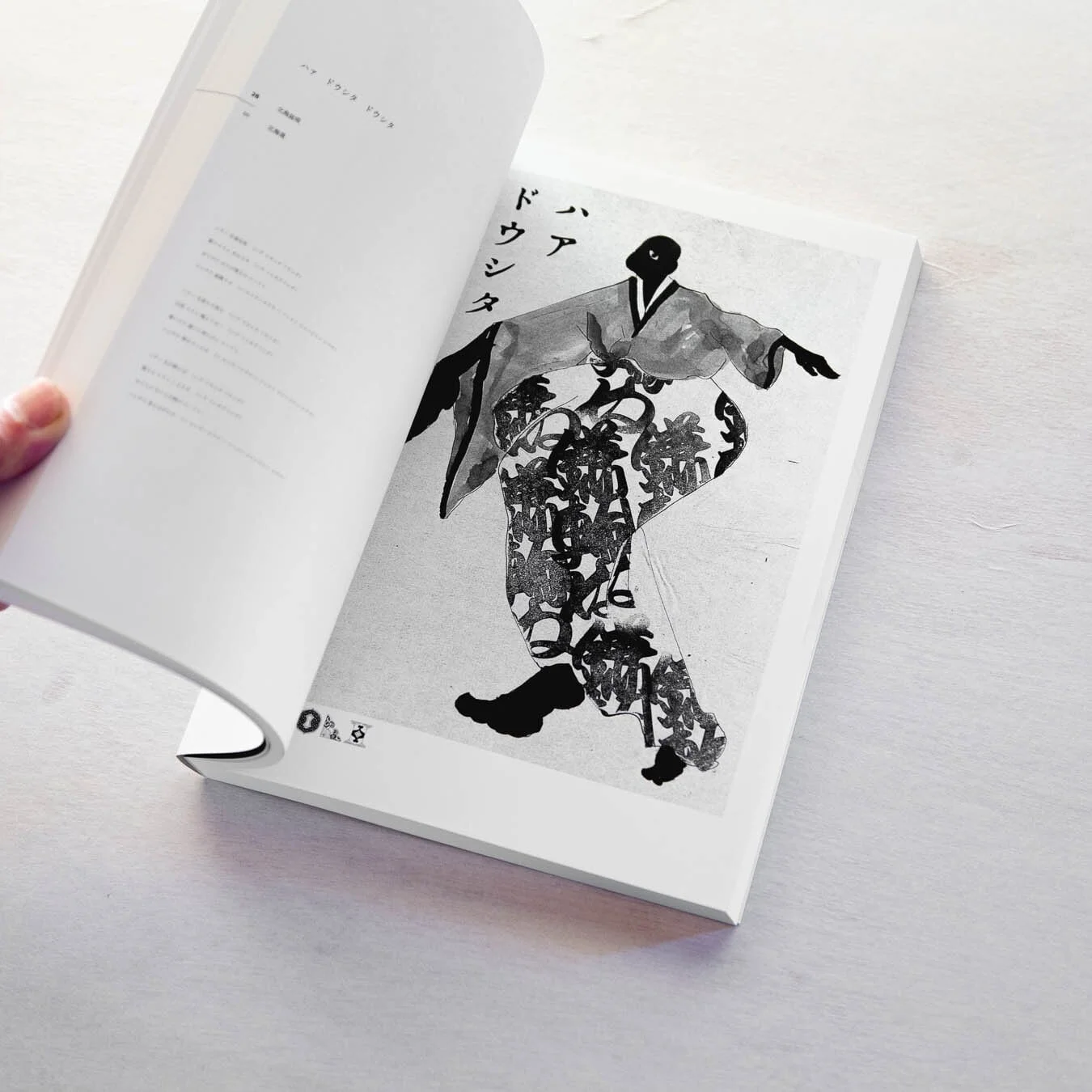
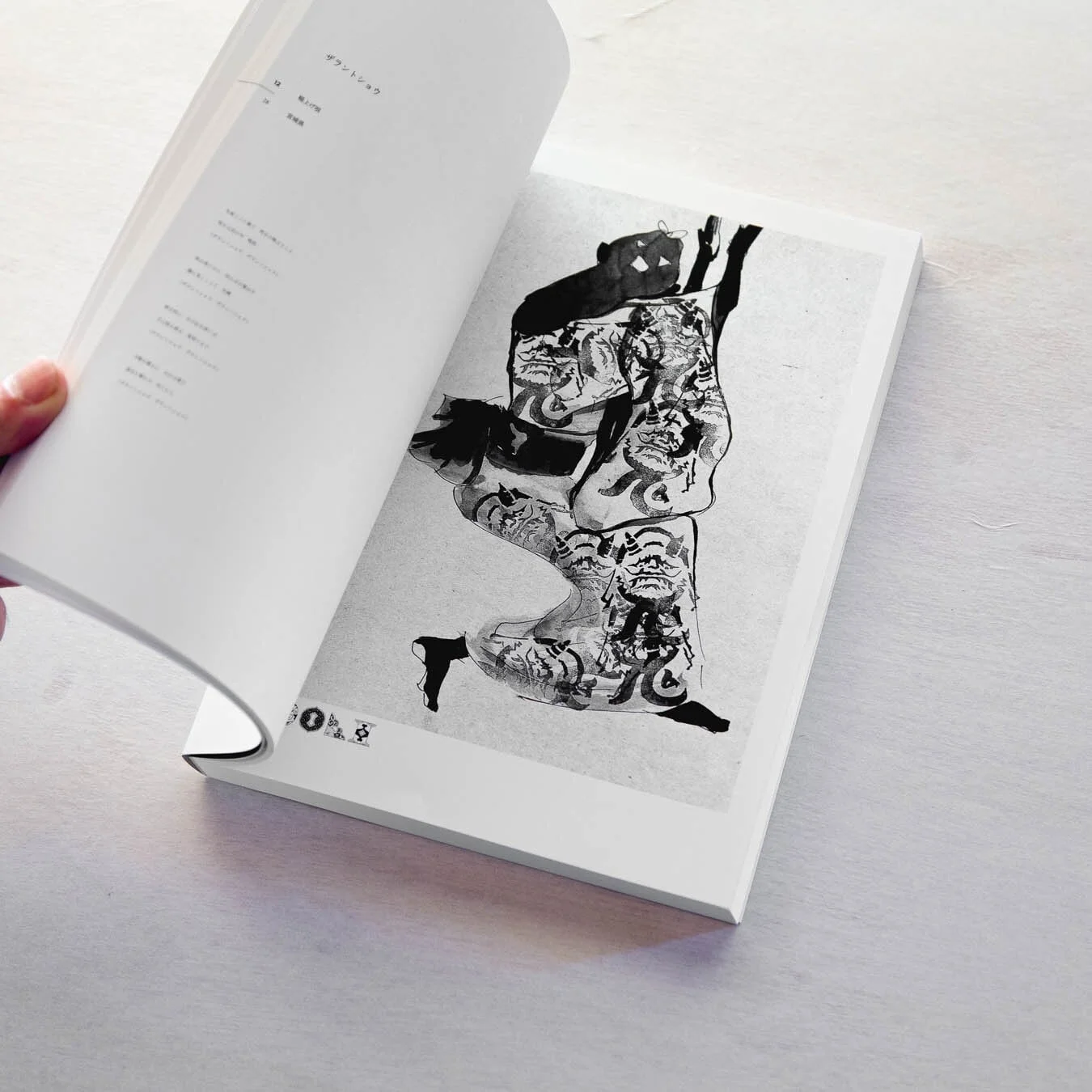
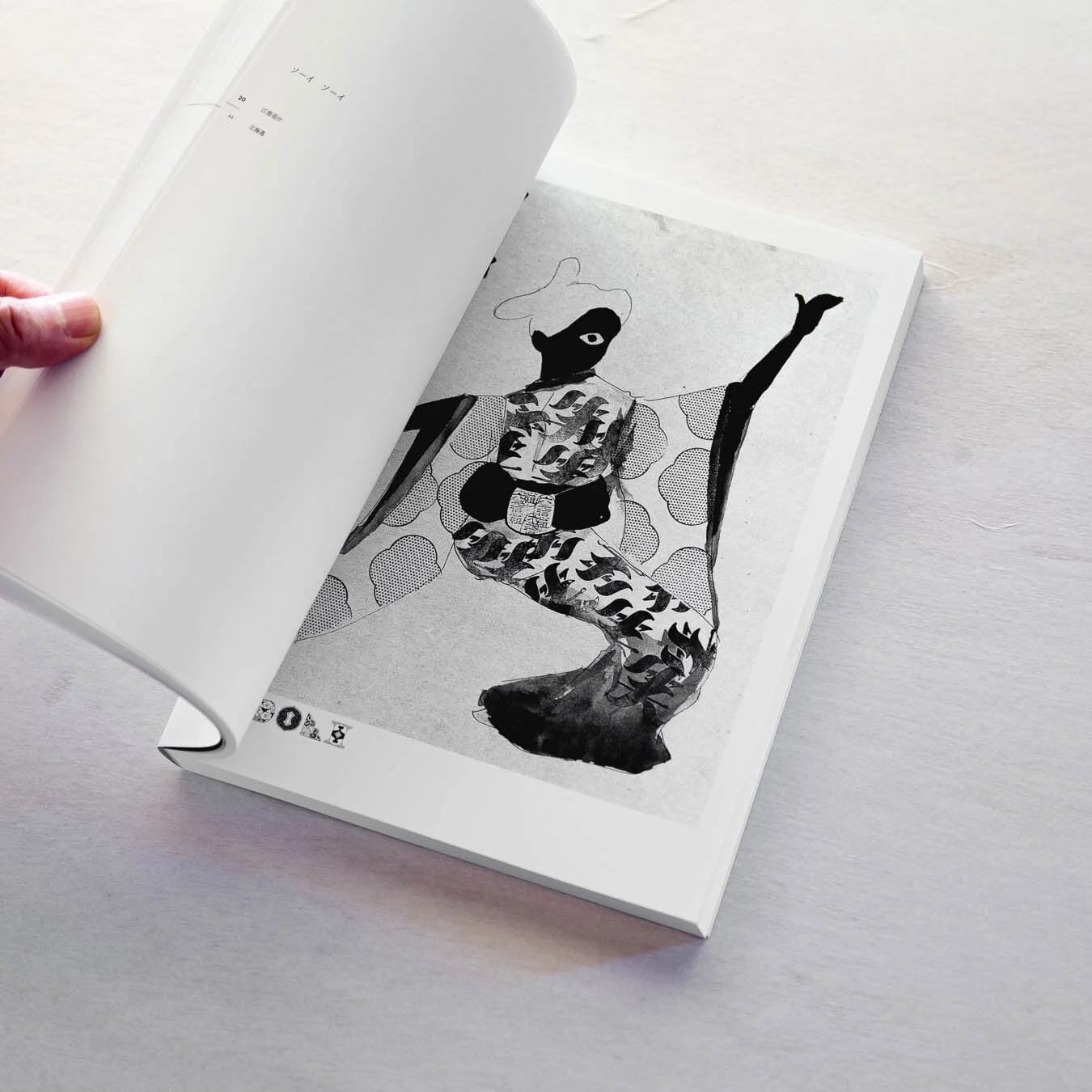
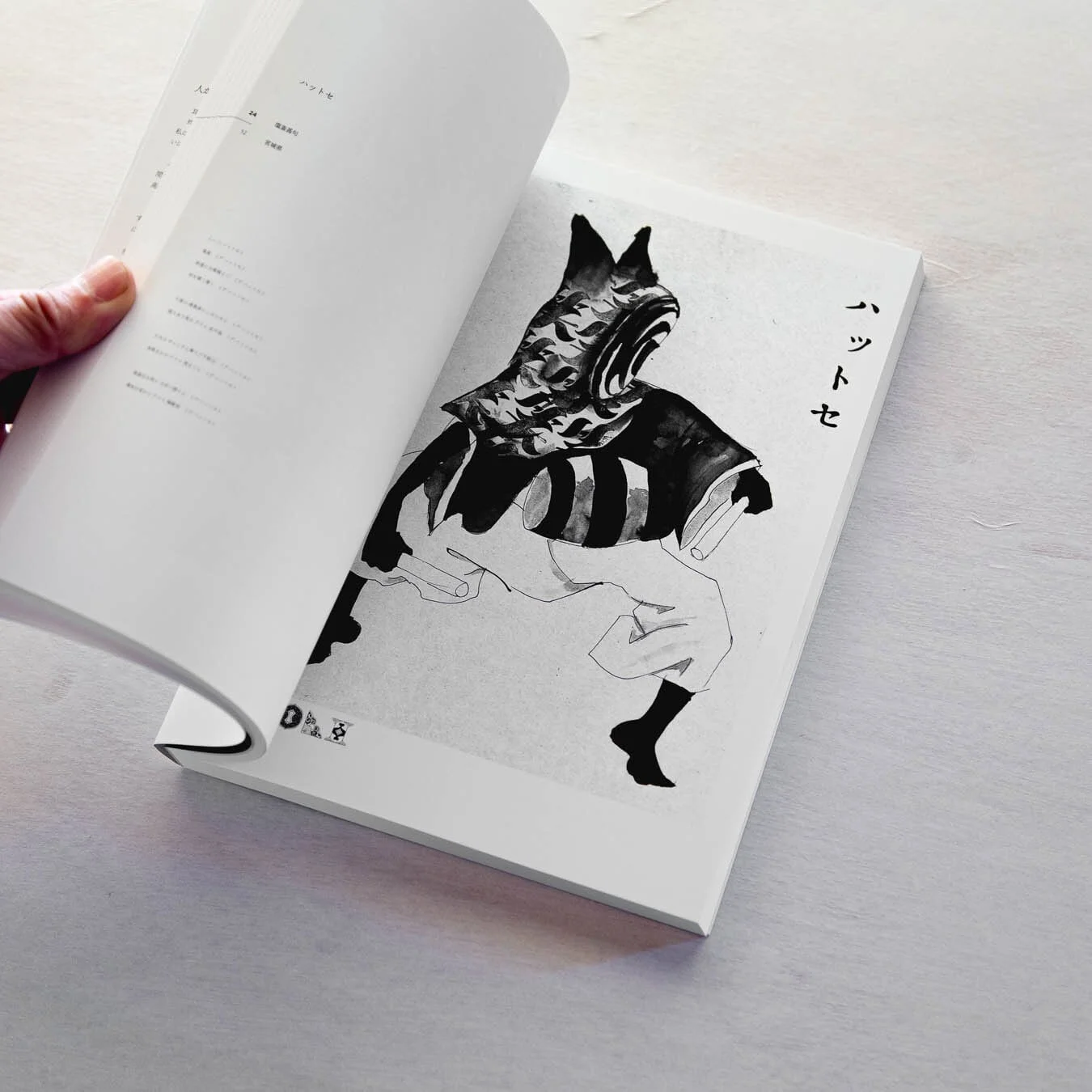
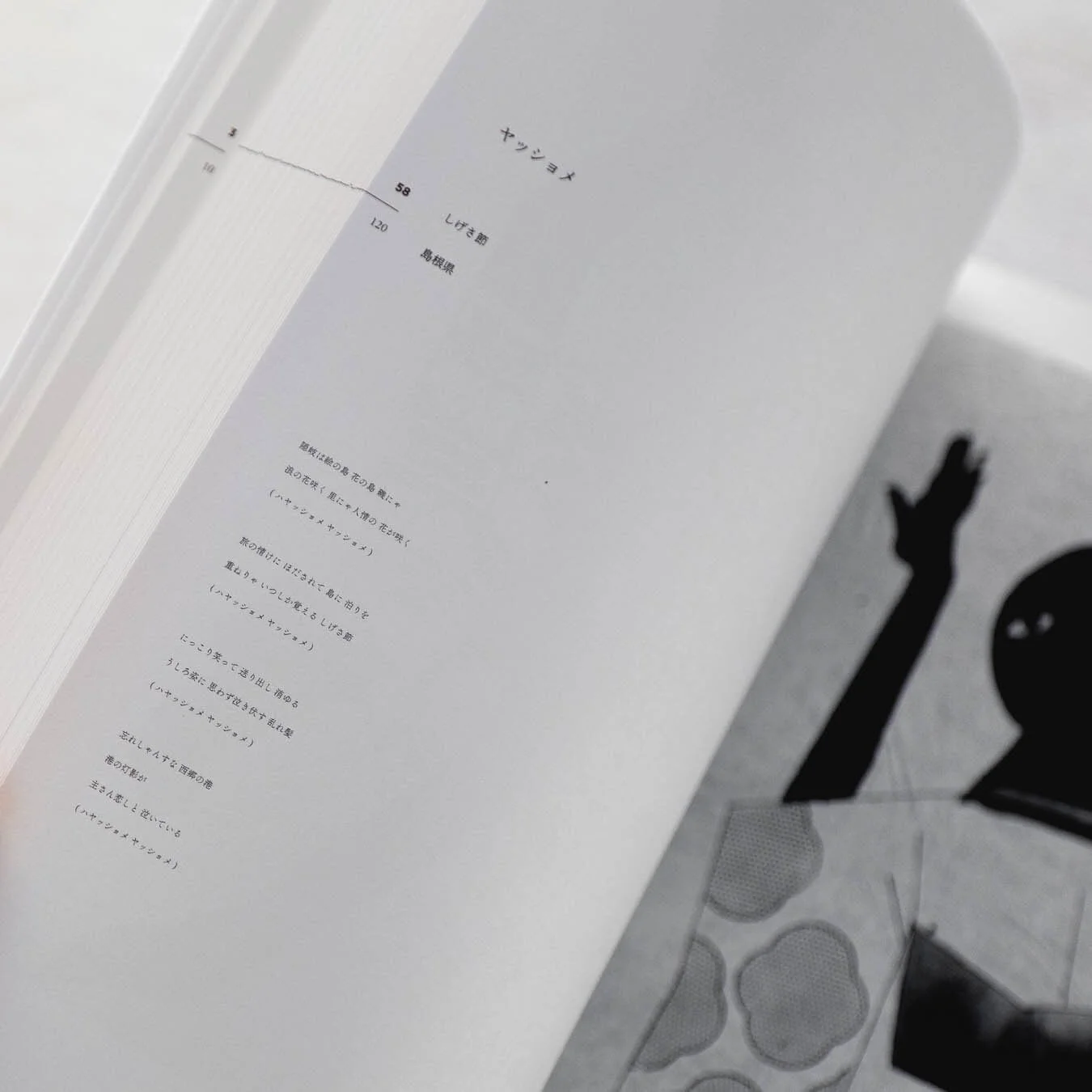
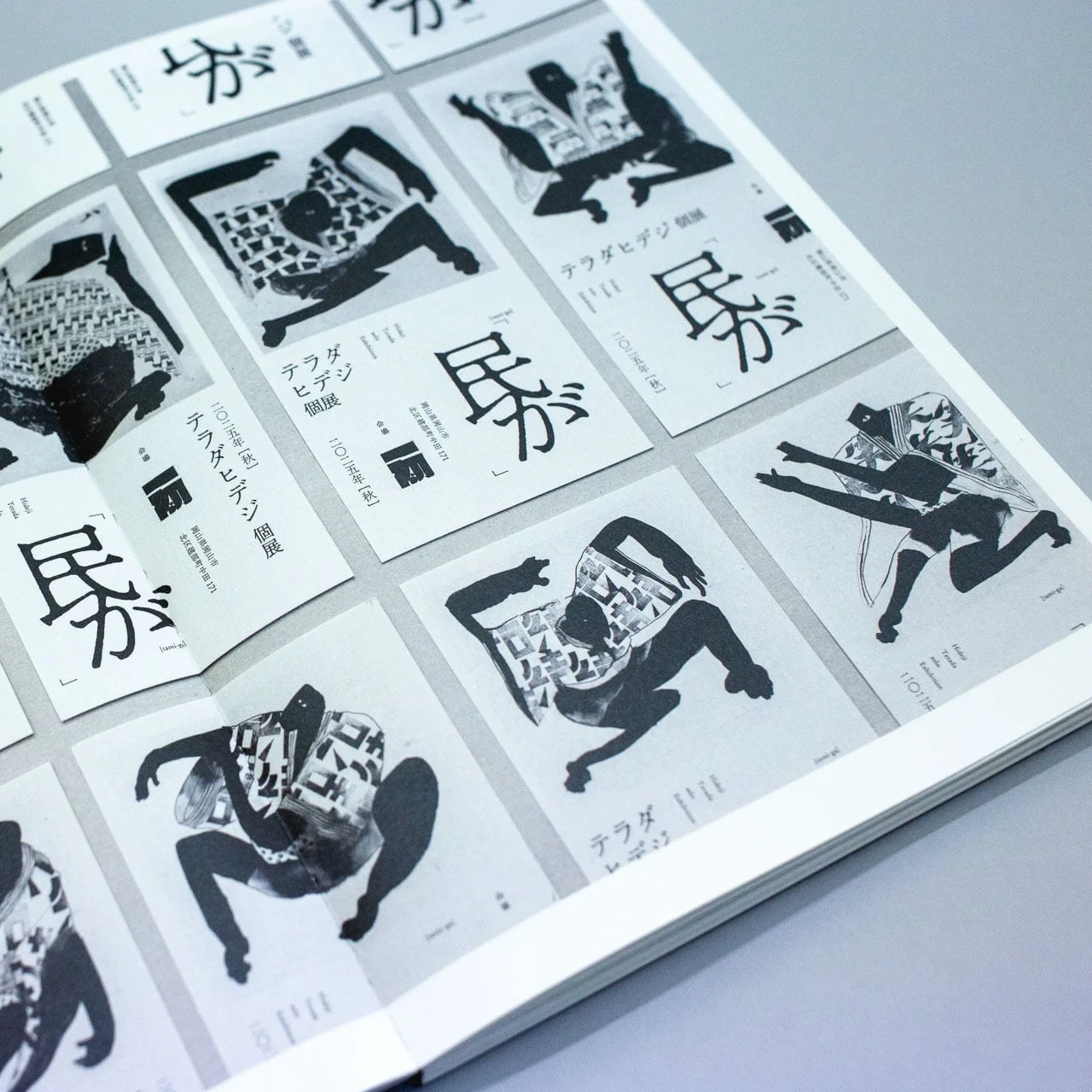
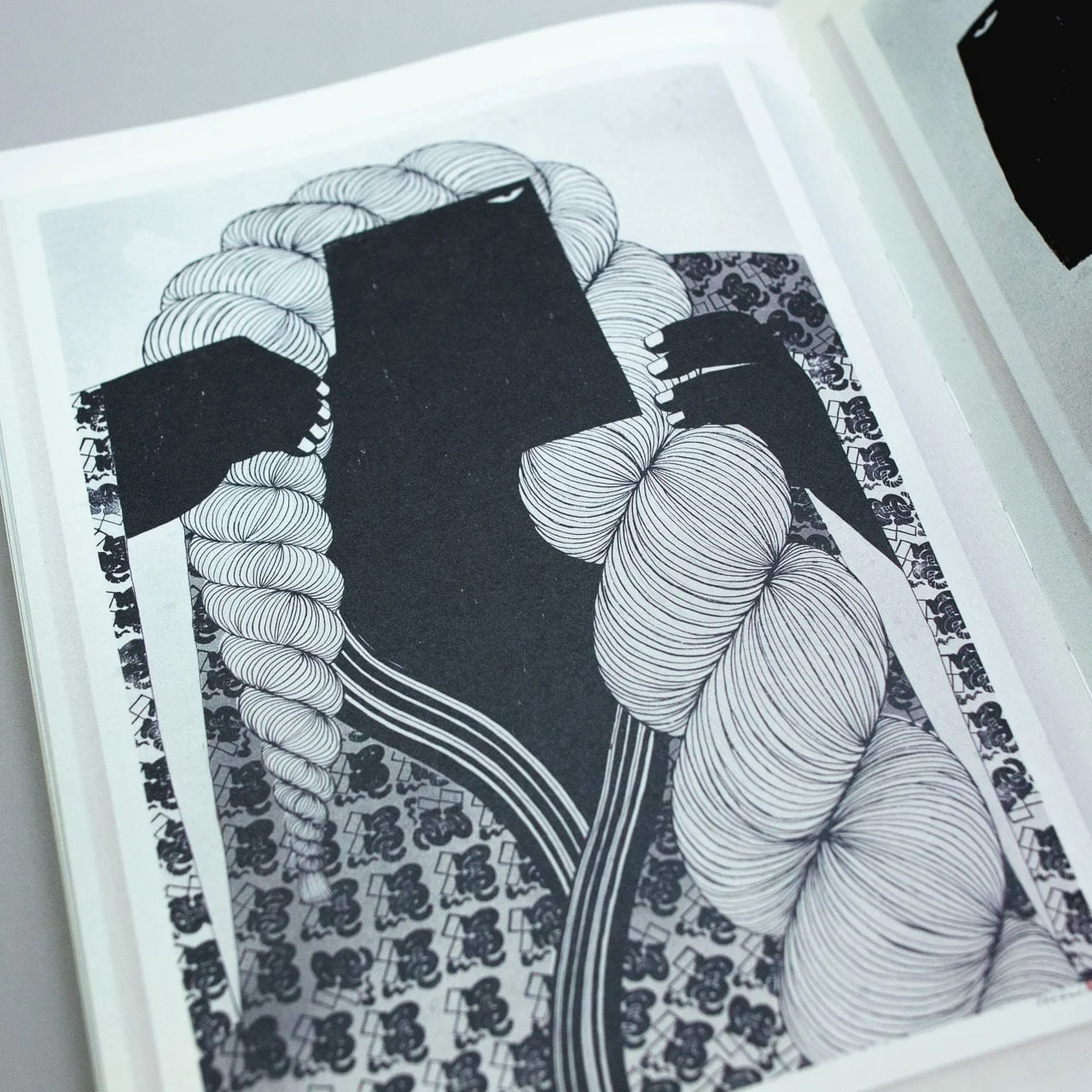
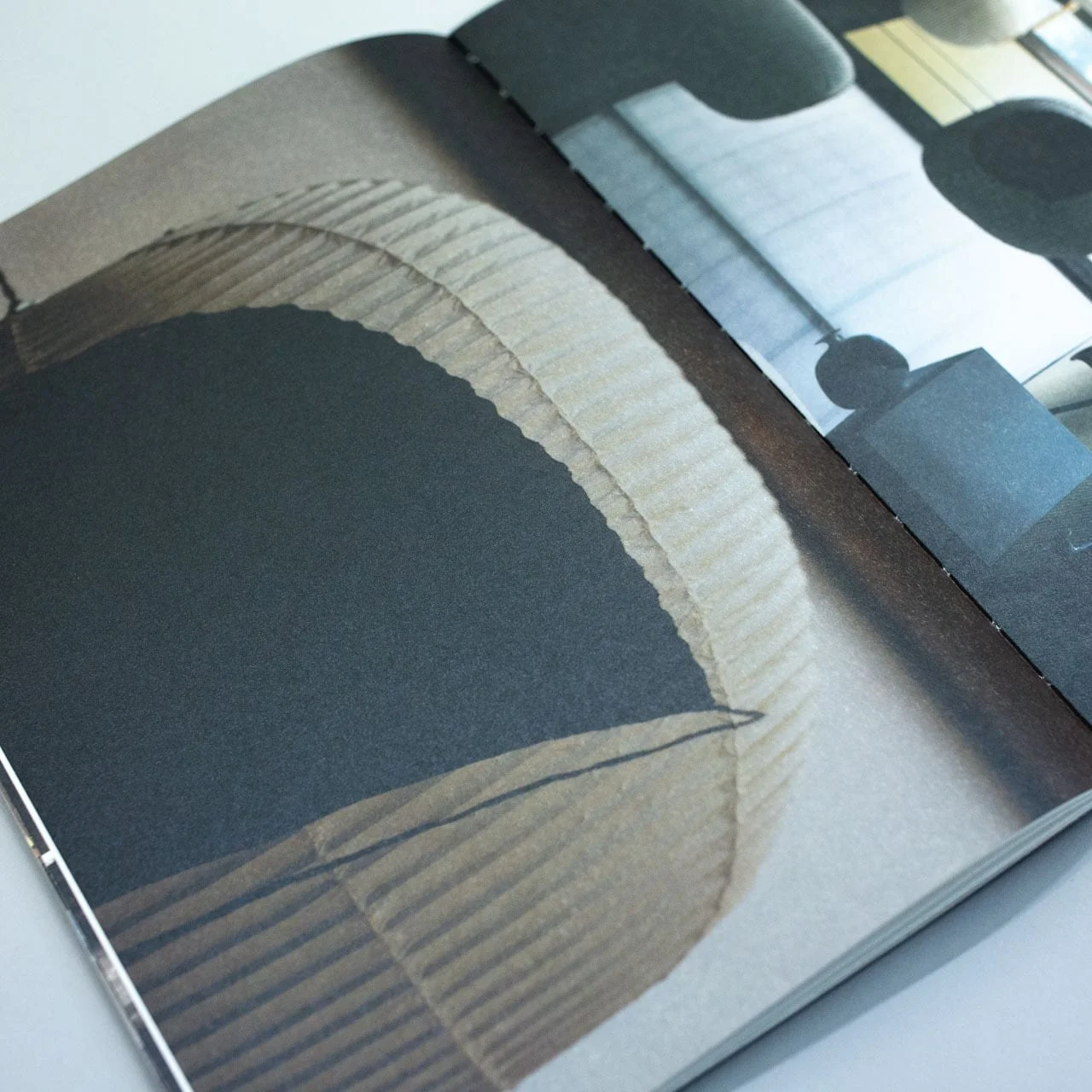
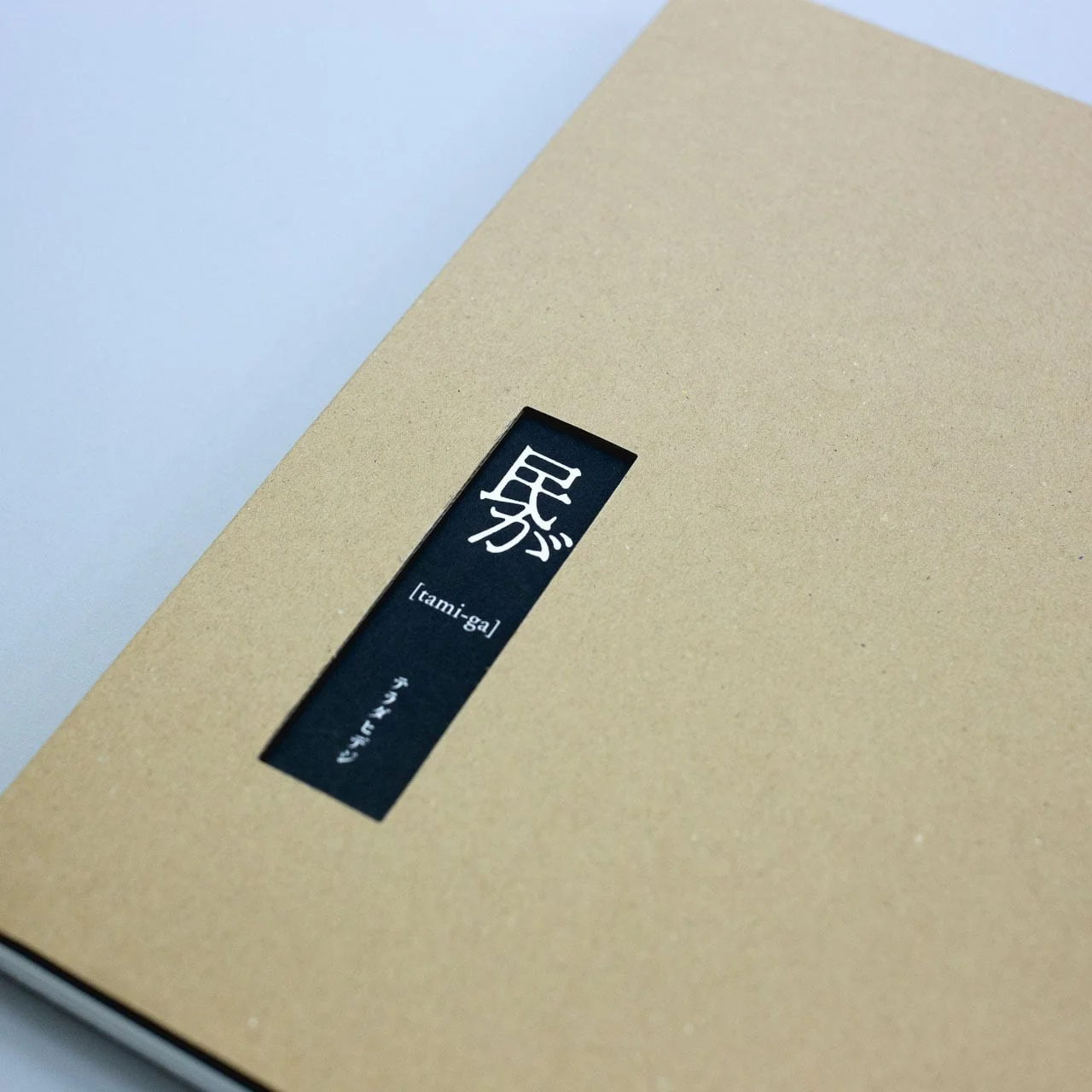
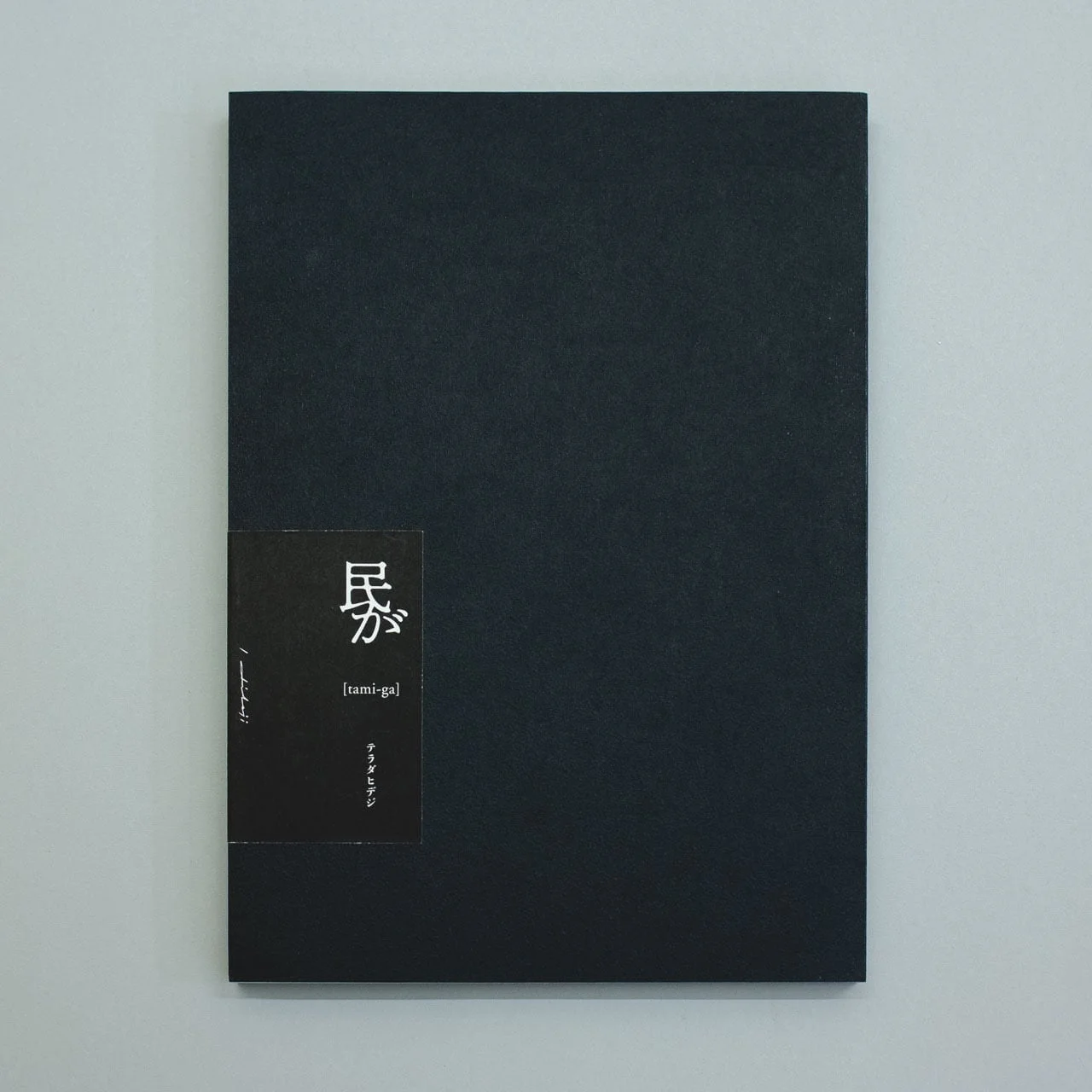
Solo Exhibition “Tamiga” Catalogue, the new publication
https://ec.teradahideji.com/items/147600860
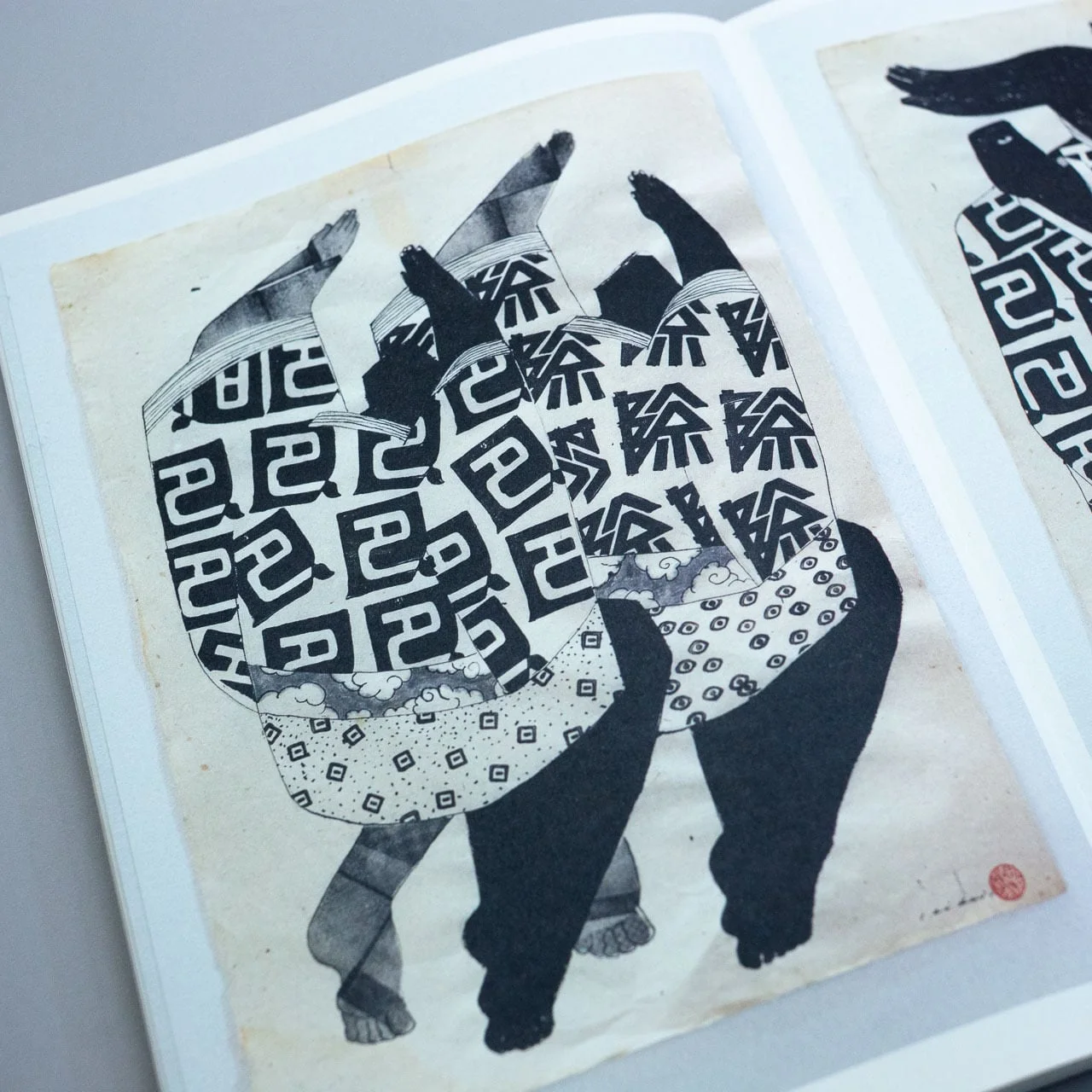
This exhibition explored the prayers and wishes embedded in Japanese ceremonies, beliefs, and customs that have been passed down as part of daily life. It unearthed the sensibilities of “the people” that underlie these traditions from a contemporary perspective.
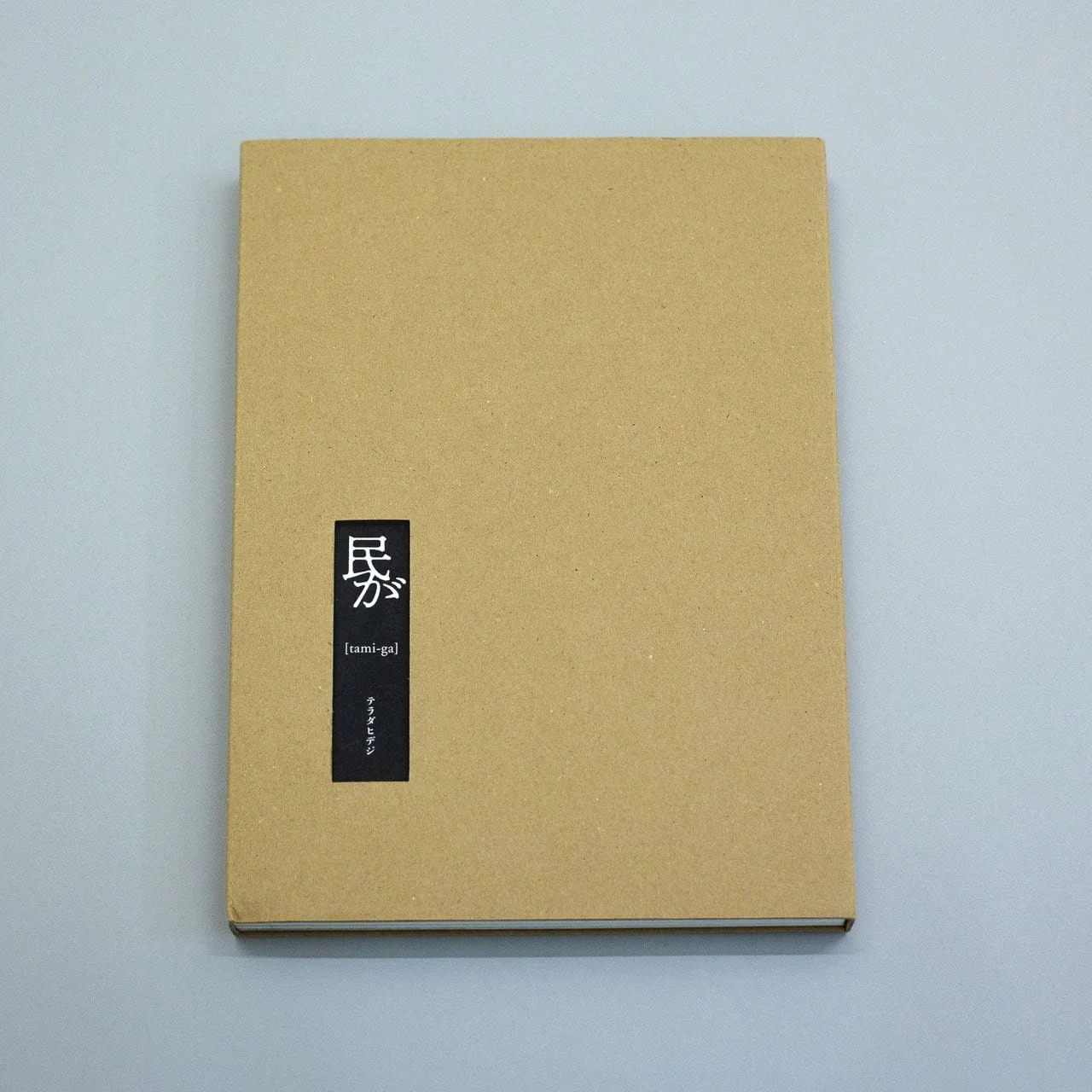
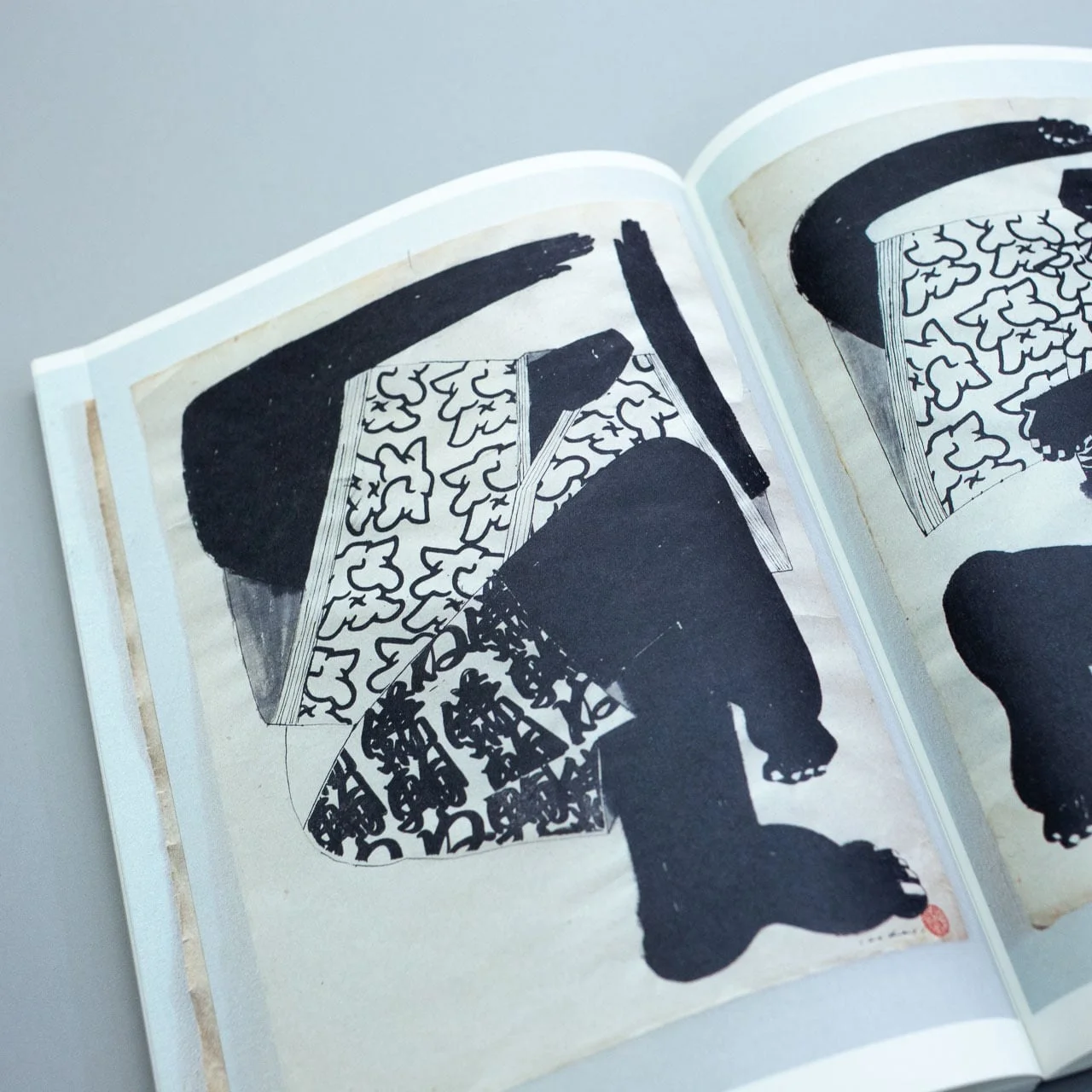
Pages from the “Tamiga” exhibition catalogue

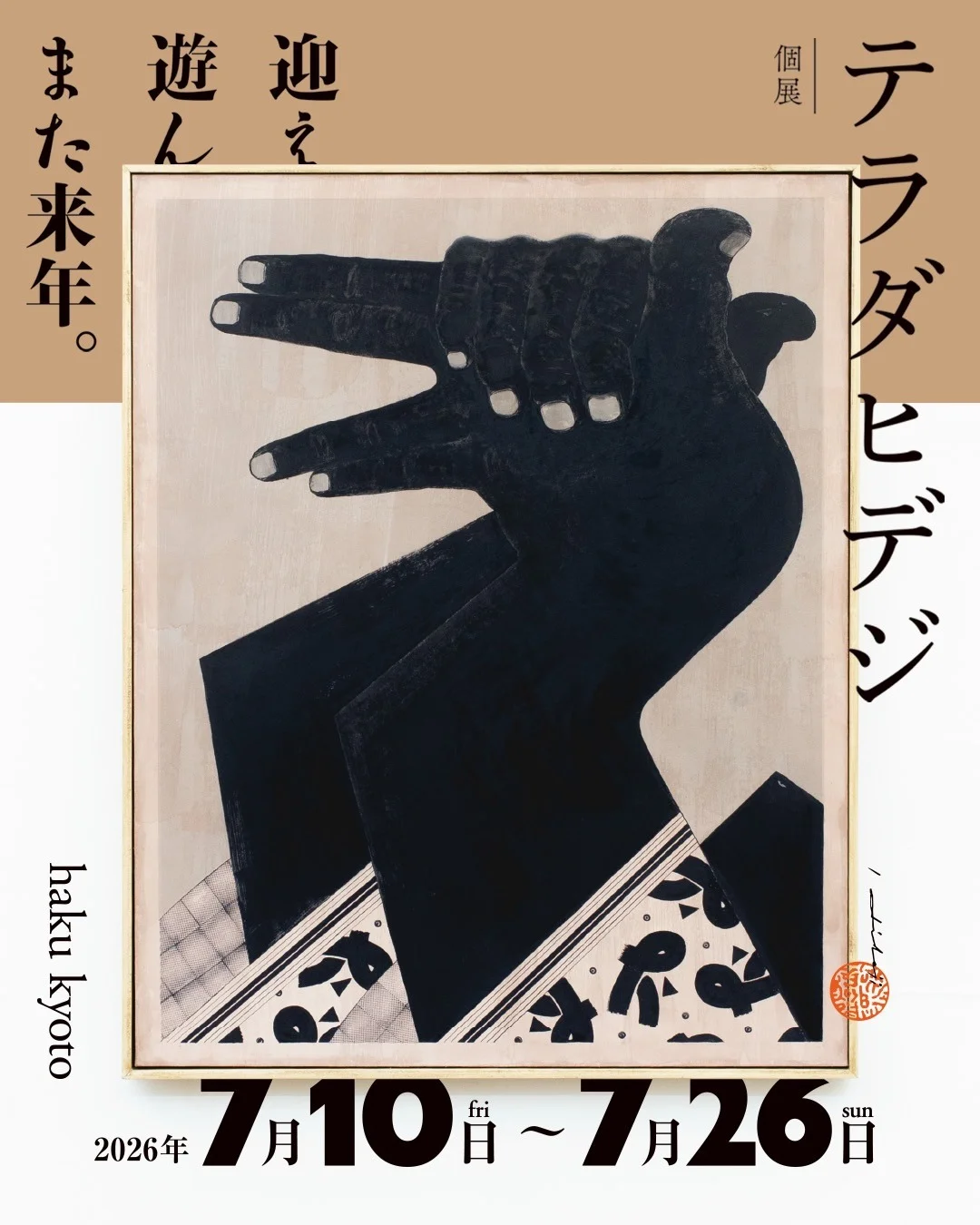
You’re currently working on a solo exhibition this summer in Kyoto. What will be on display there? (When and where will it take place?)
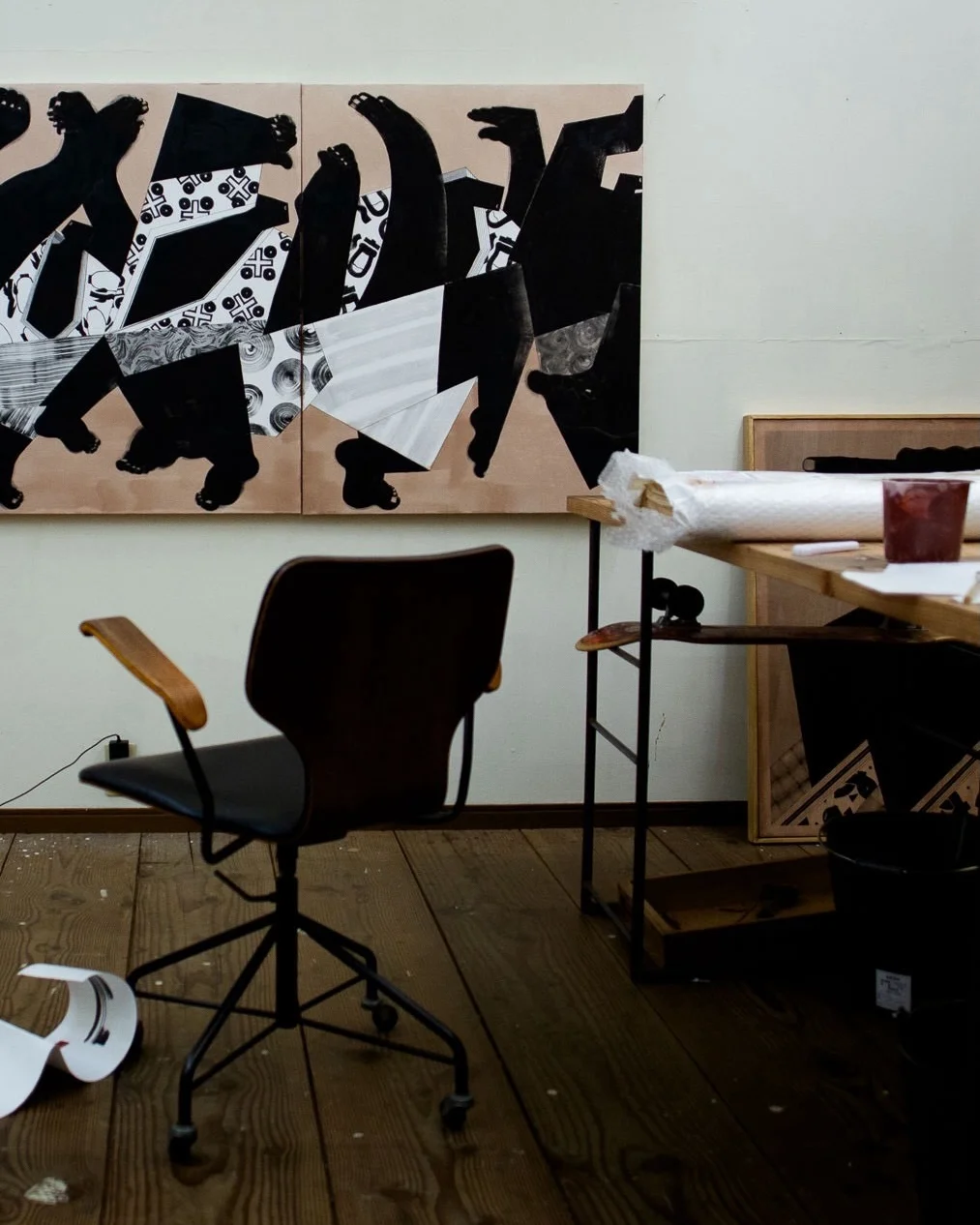
For this exhibition, I am challenging myself to work on a larger scale than in my previous drawings.
The exhibition coincides with Kyoto’s Gion Matsuri, one of Japan’s most important festivals. During this time, forces of misfortune that are normally kept at a distance are invited in, enshrined, and then ritually sent away. This act of welcoming, honouring and releasing them is connected to the idea of senkyaku.
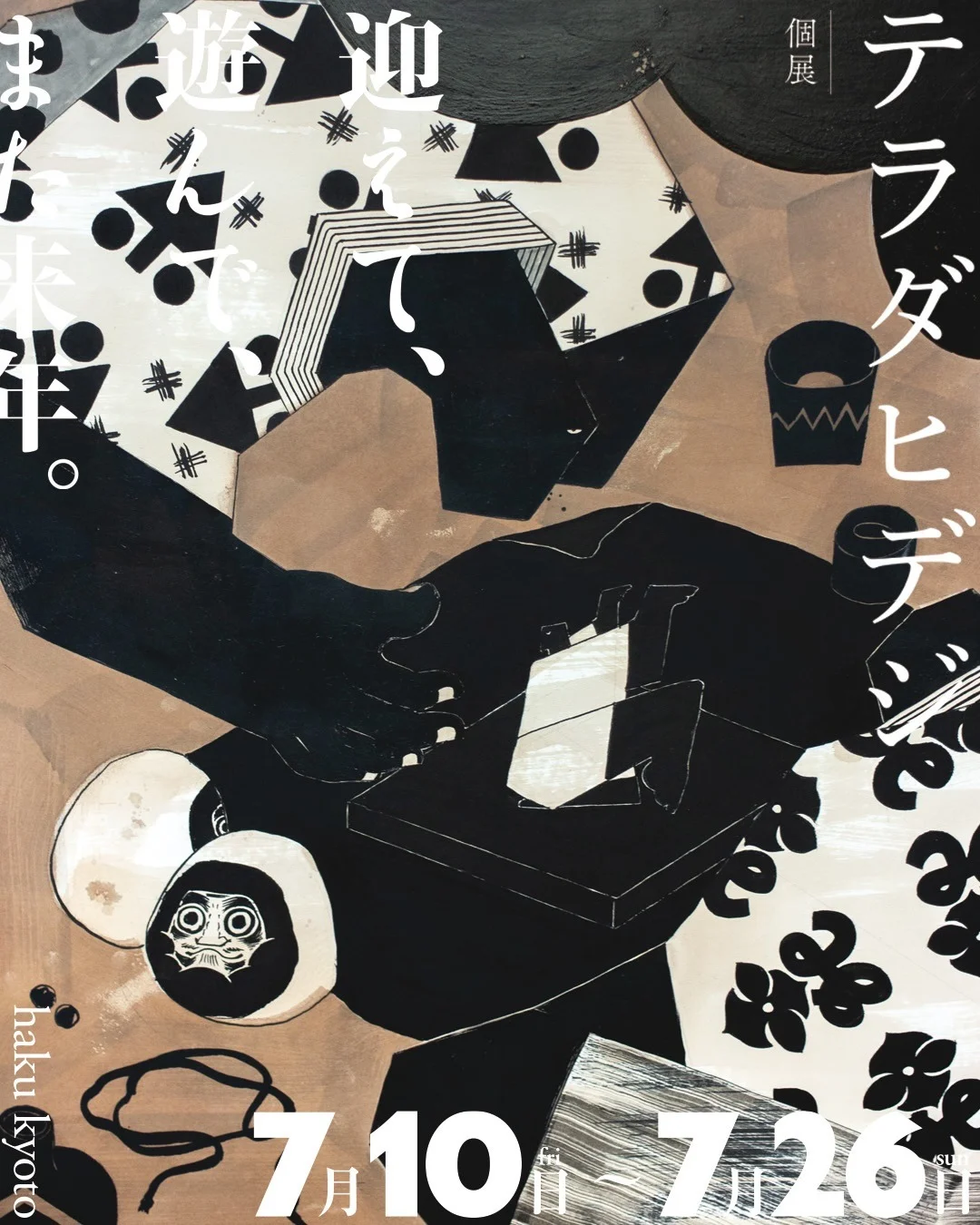
Inspired by the structure of the festival, I chose the title “Welcome Them In, Celebrate, and See You Next Year.”
I am currently in the process of creating the works.
Hideji Terada Solo Exhibition
“Welcome Them In, Celebrate, and See You Next Year”
10 July – 26 July 2026
At haku kyoto, @haku_kyoto
566 Nakanomachi, Shimogyo-ku, Kyoto, Japan
Final Qestion
I ask all my interviewees this final question: Can you tell me about a place in Tokyo that is special to you, one that either inspires you or holds particular significance for you?
There is no particular place that I would describe as special to me. The closest would probably be Yoyogi Hachimangū. Whenever I have the chance, even when there is no special occasion, I go there to pay my respects.
What makes it special to me is precisely the fact that it has become part of my life in an ordinary, unexceptional way.
The places that inspire me are those where I can sense traces of the past and of history within everyday life.
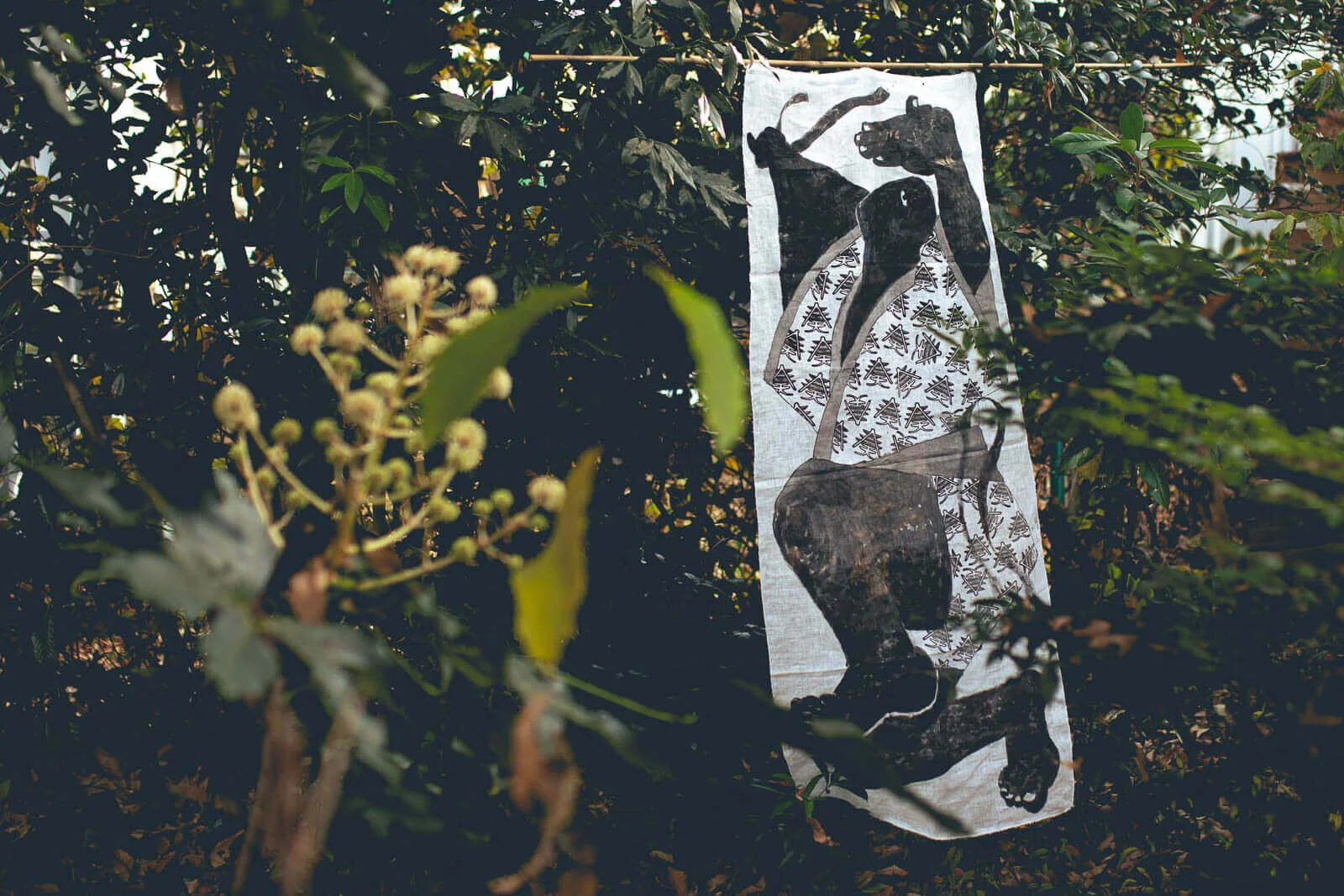
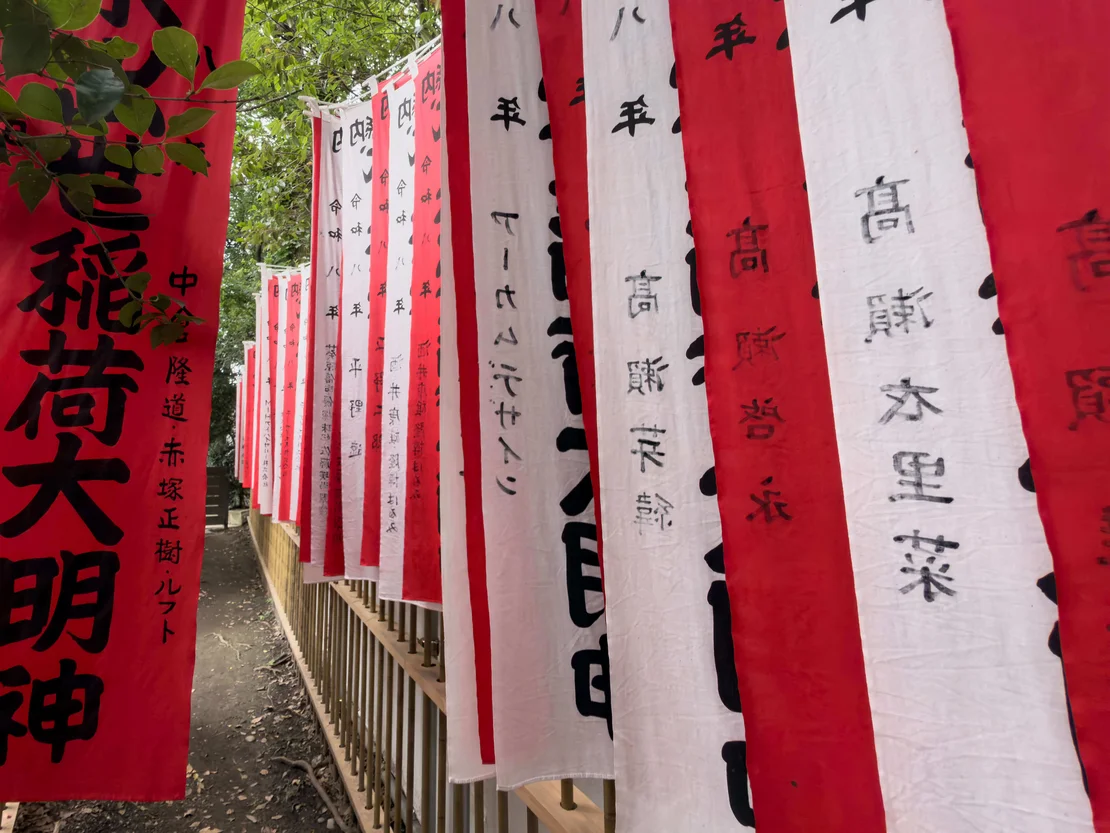
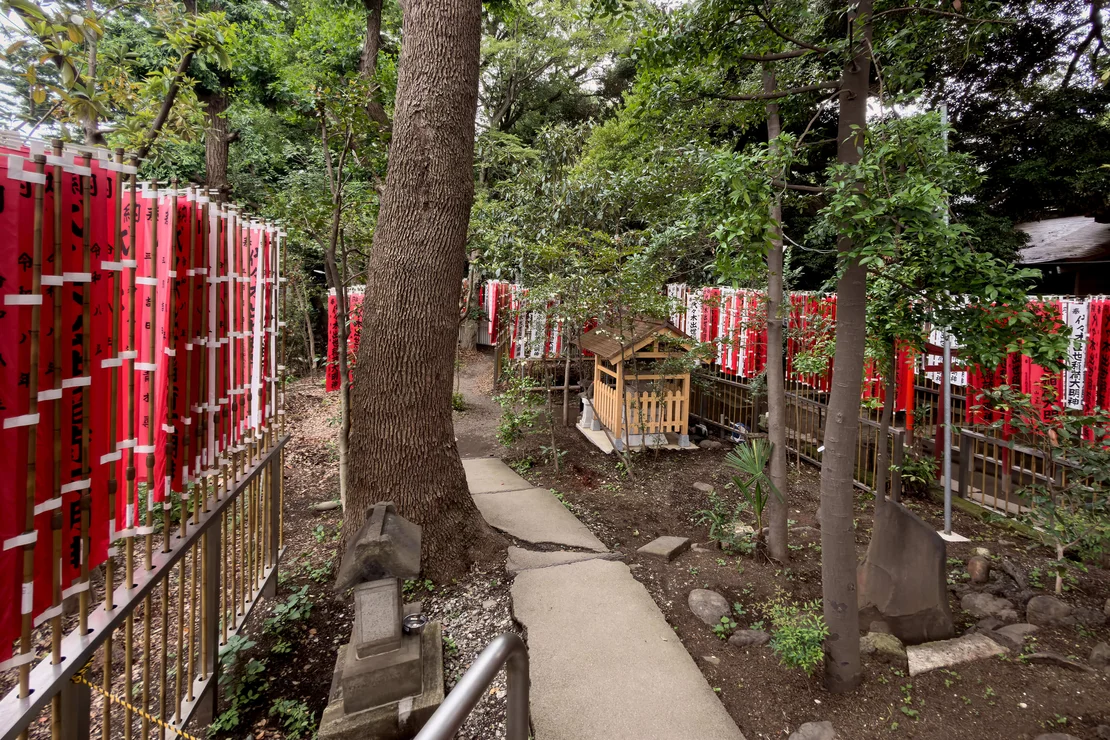
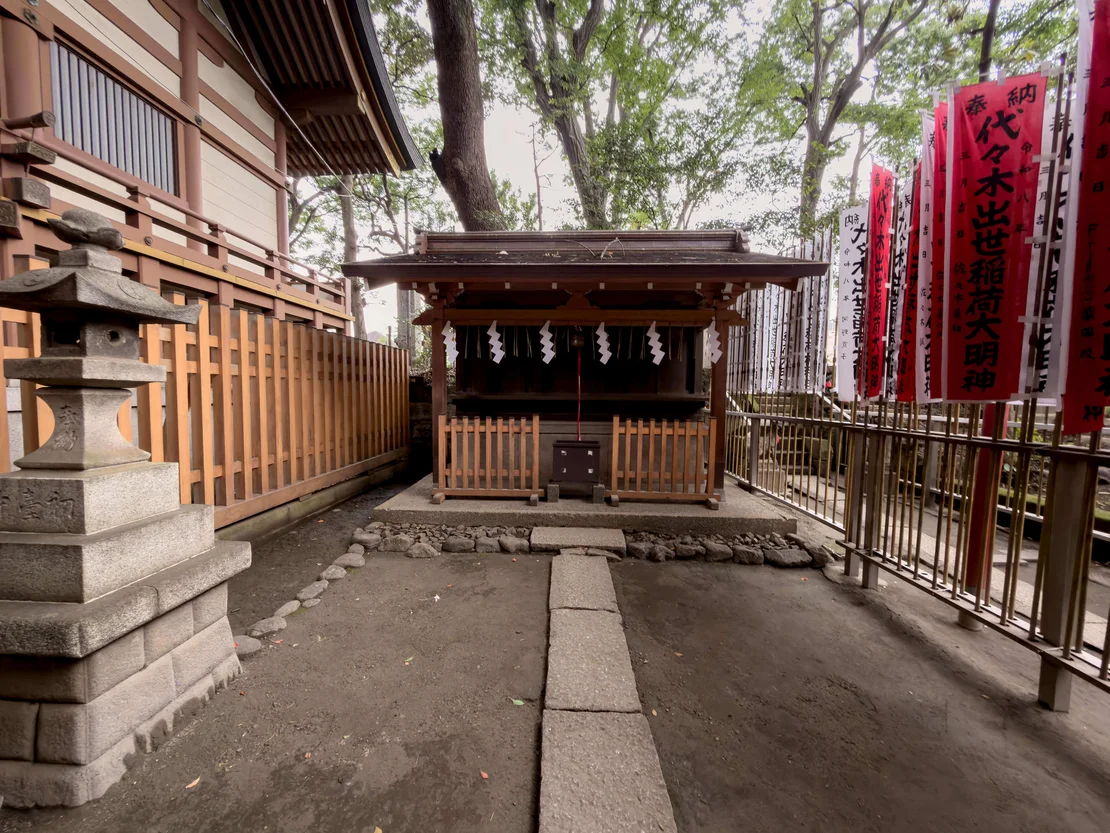
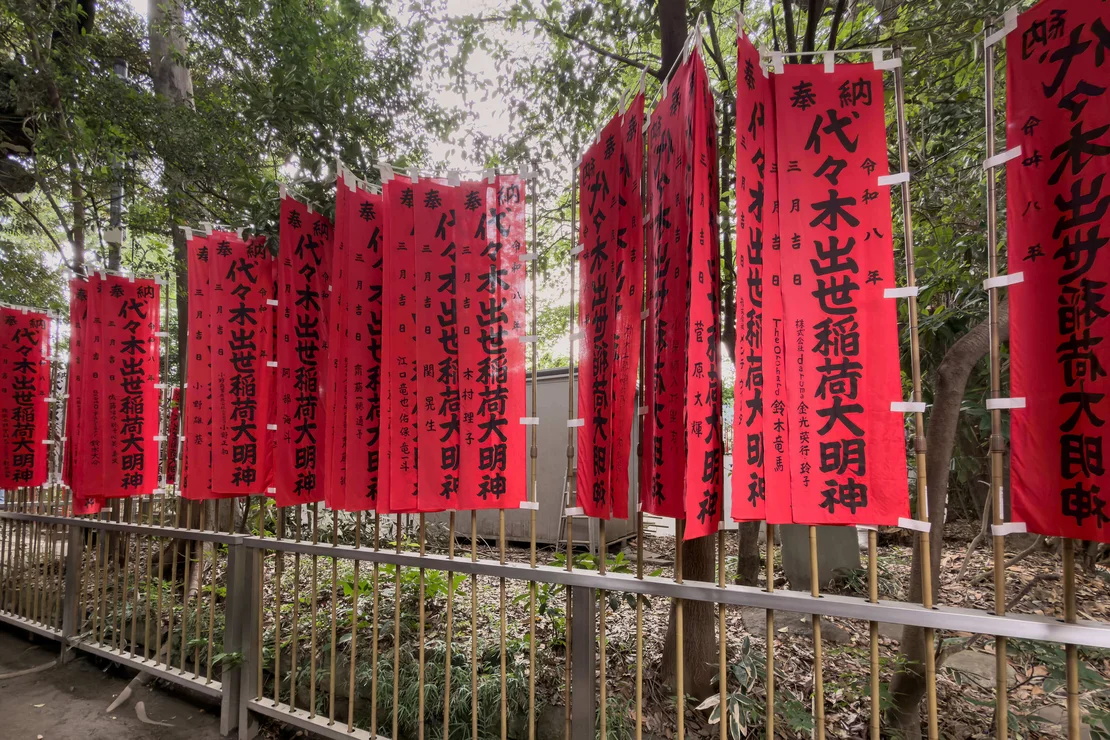
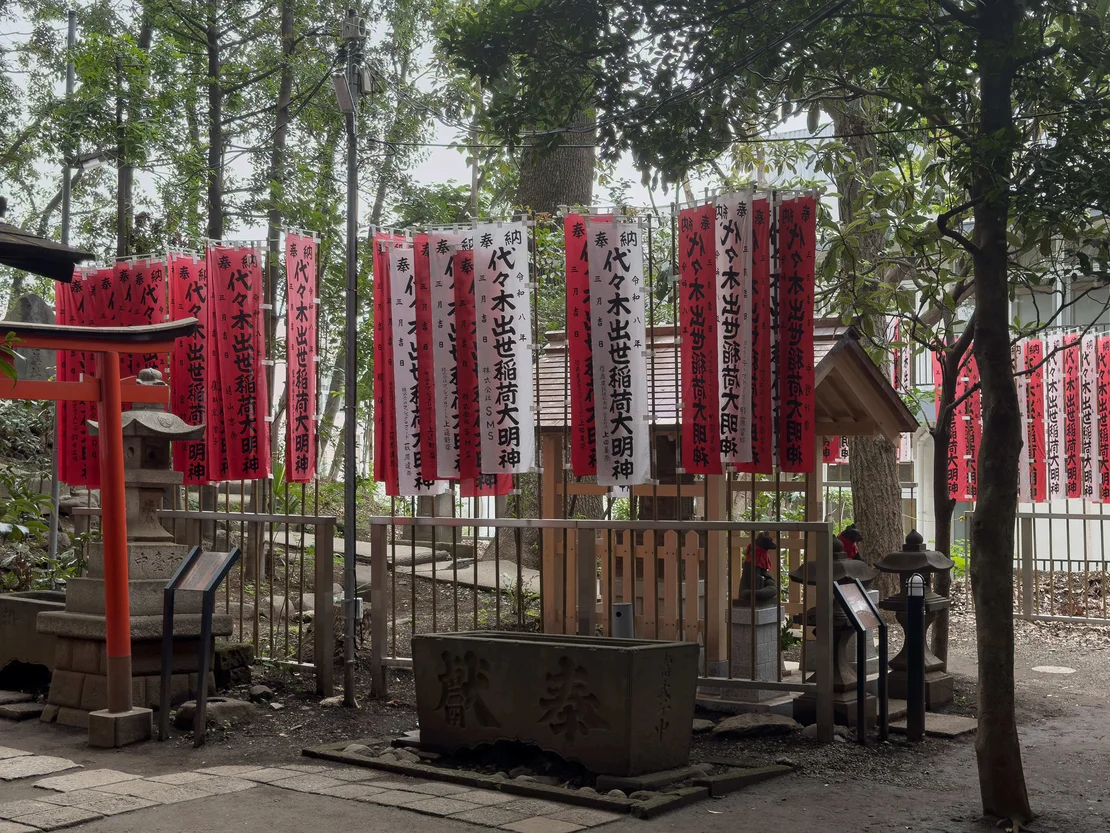
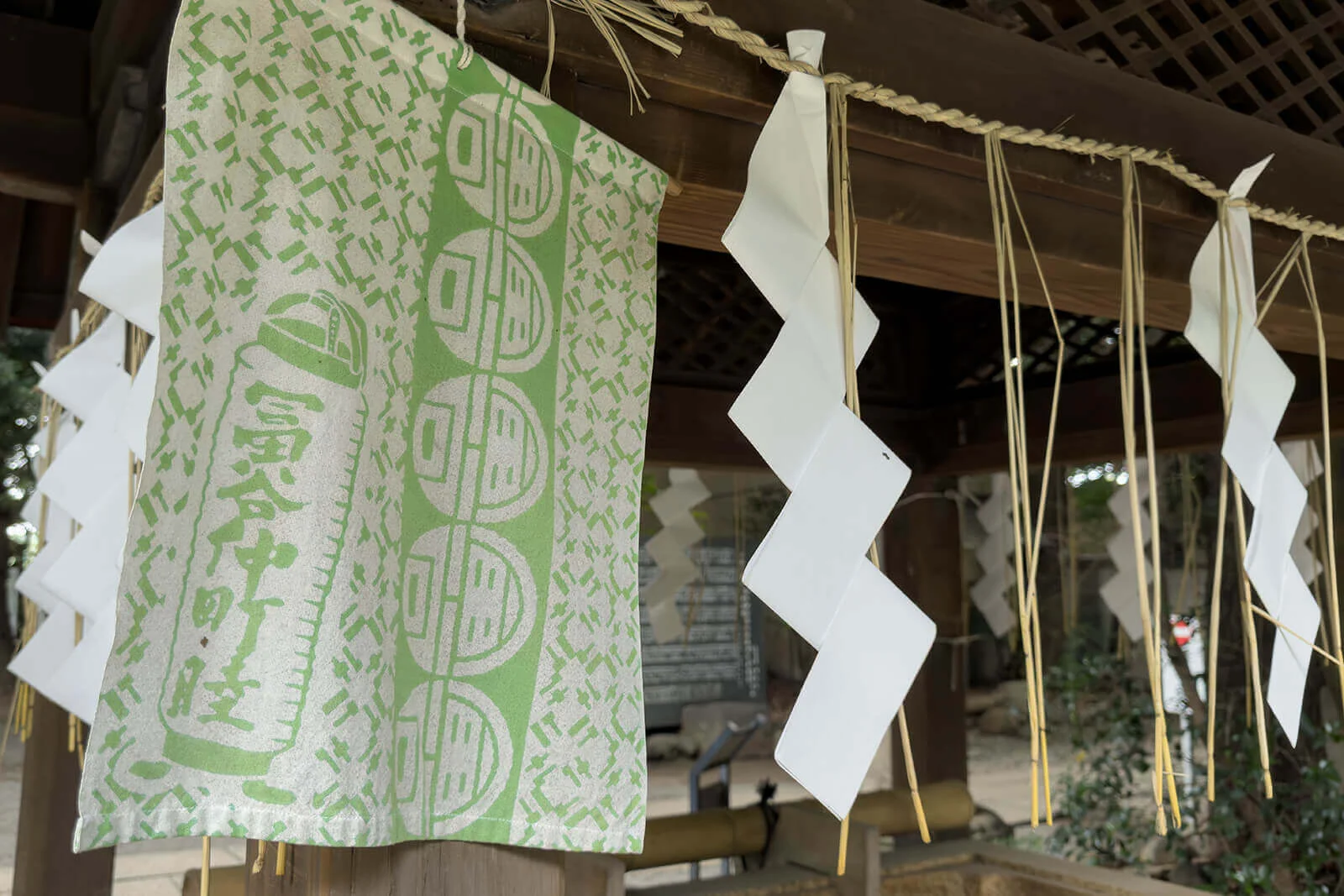
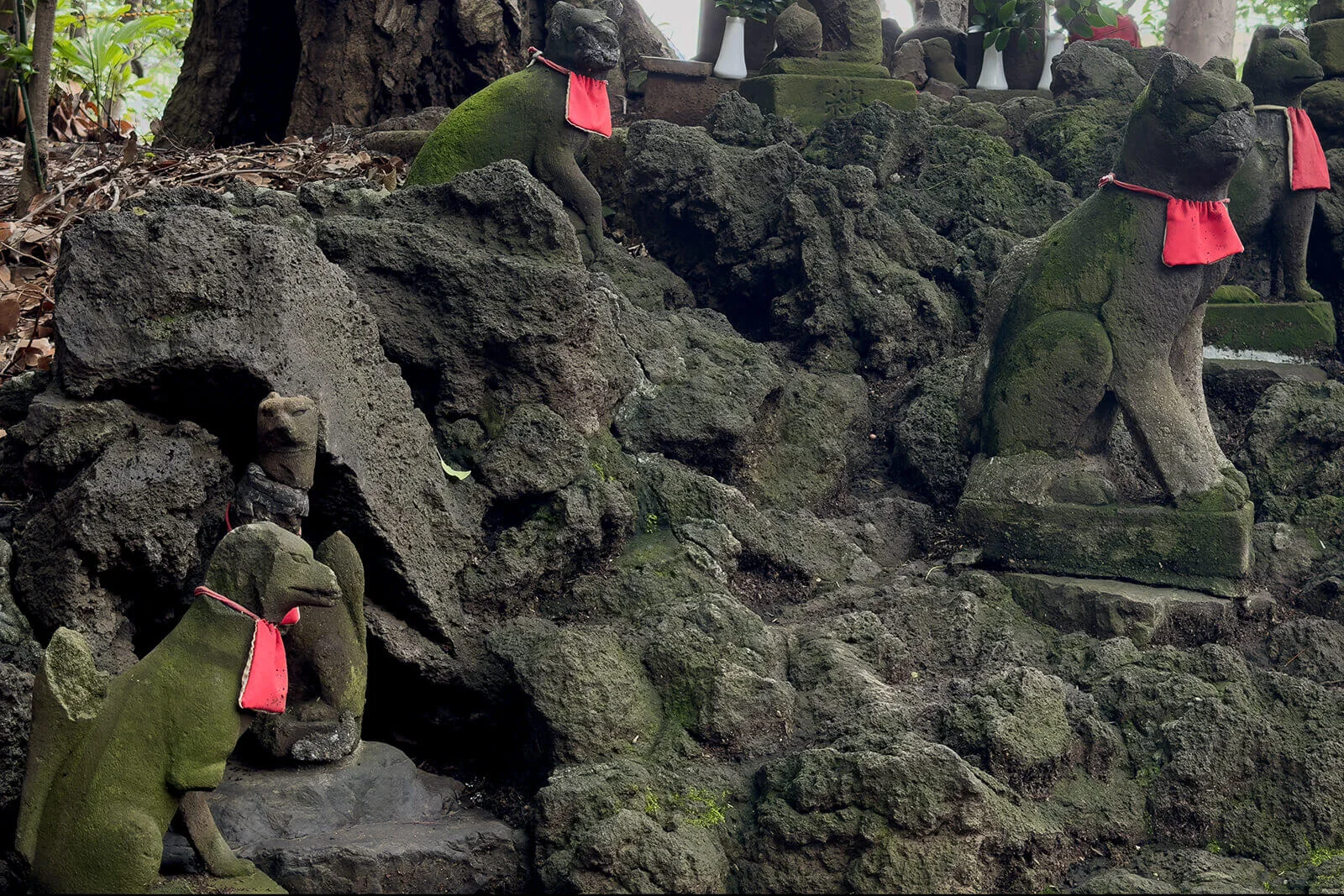
A few days after our conversation, I visit Yoyogi Hachimangū Shrine to capture the atmosphere of the place in photographs. Just a few steps away from the traffic of Yamate-dōri, the shrine sits on a wooded hill opposite Yoyogi Park. Among old trees, stone paths and subdued light, an almost secluded atmosphere emerges – a quiet retreat in the middle of the city. Many Tokyoites also associate the shrine with good fortune in one’s career and personal advancement.
While waiting for my goshuin, the stamp collected in a shrine or temple book, I recognise a familiar face: Hideji Terada stops by.
There are nine days left until the exhibition opening in Kyoto.


Write comment
Write comment
Comments
No Comments