Main content
Stoke Newington
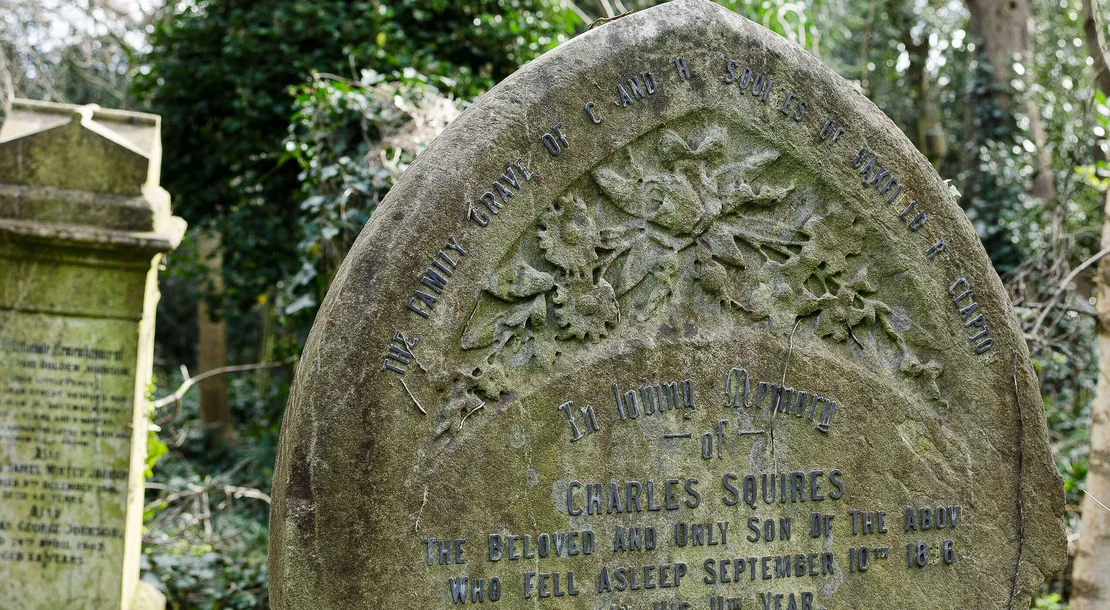
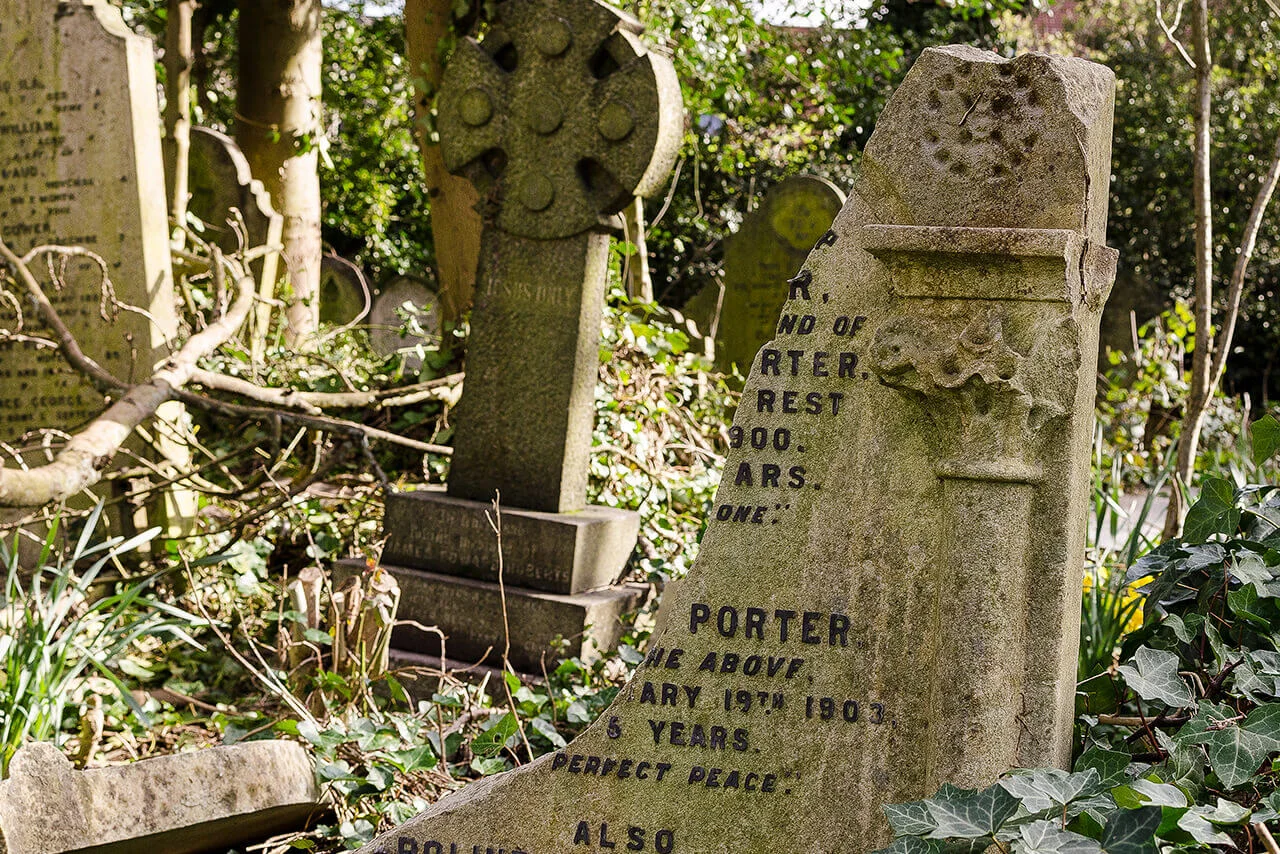
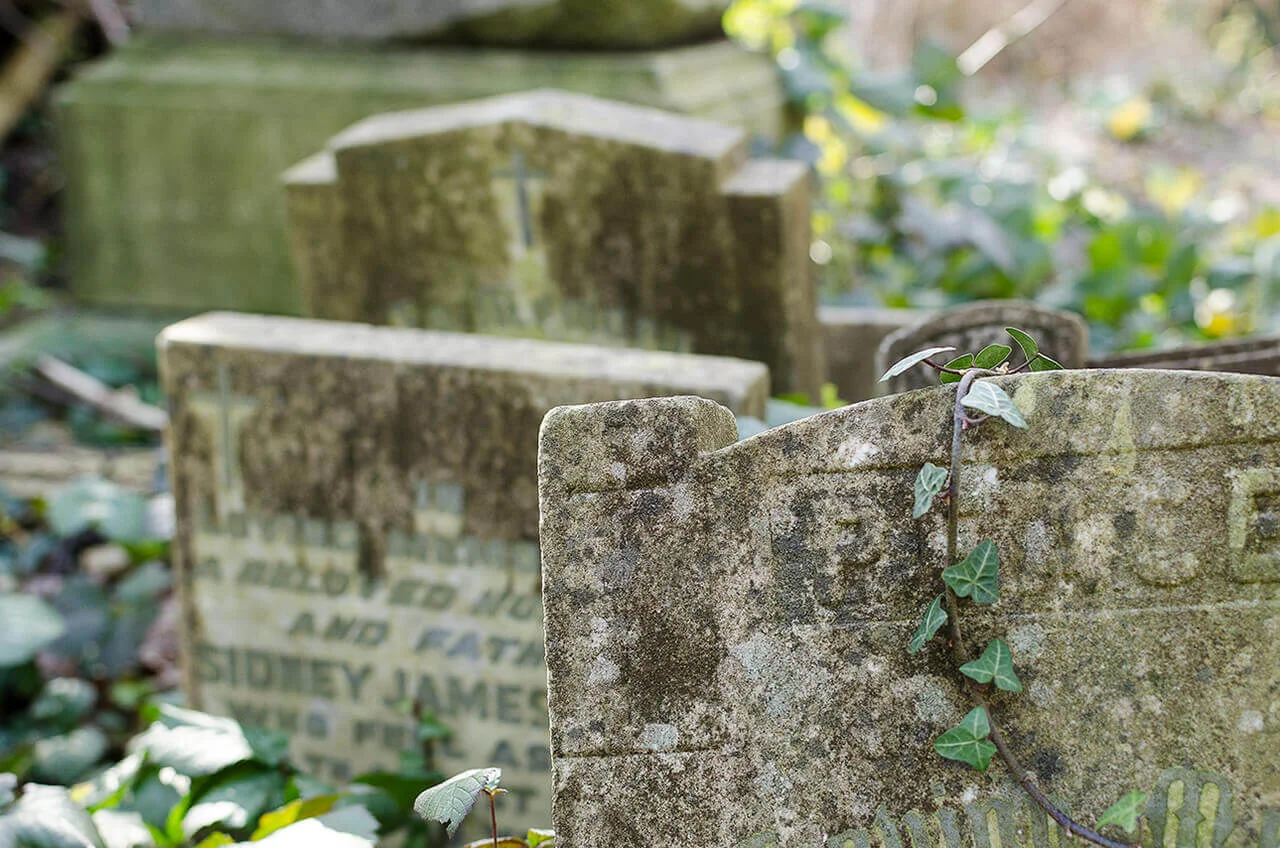
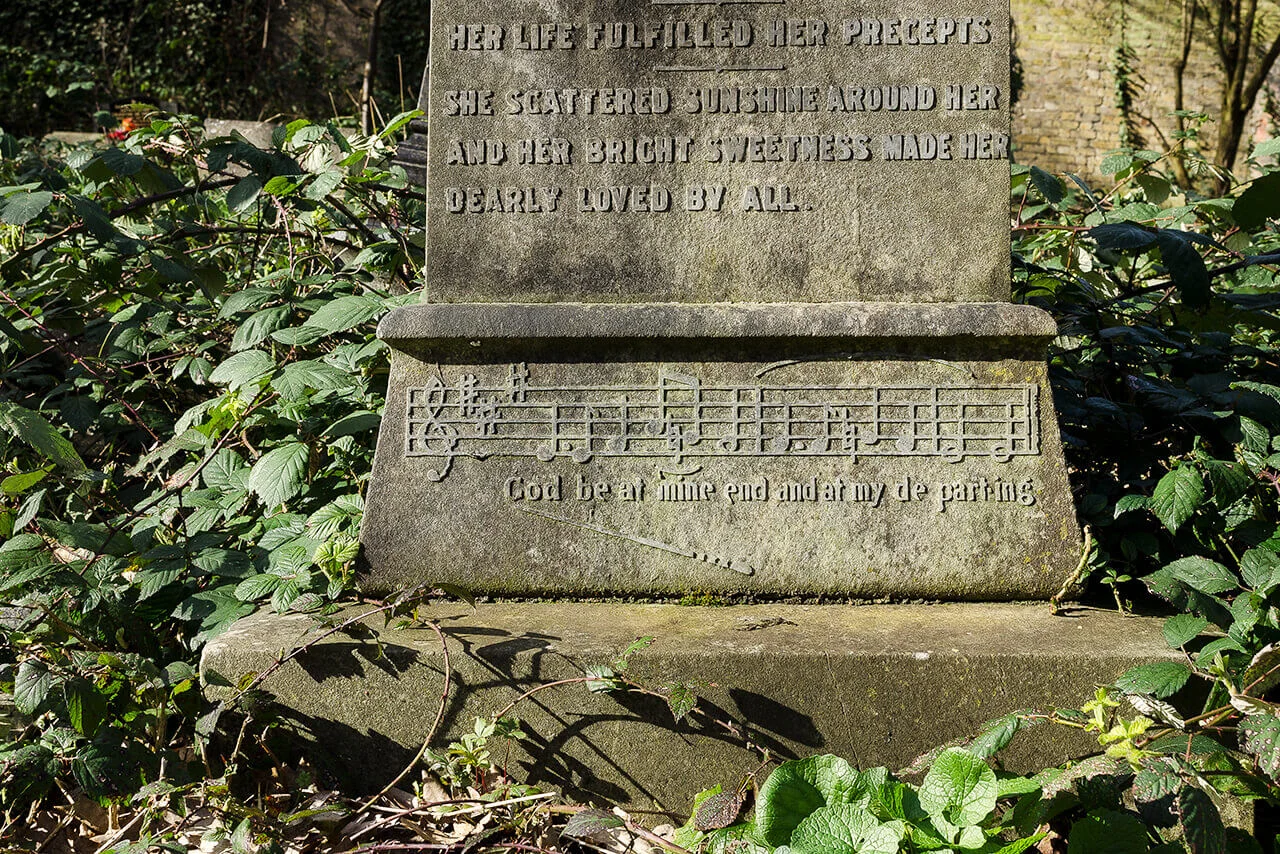
The secret of the Gravestones at Abney Park
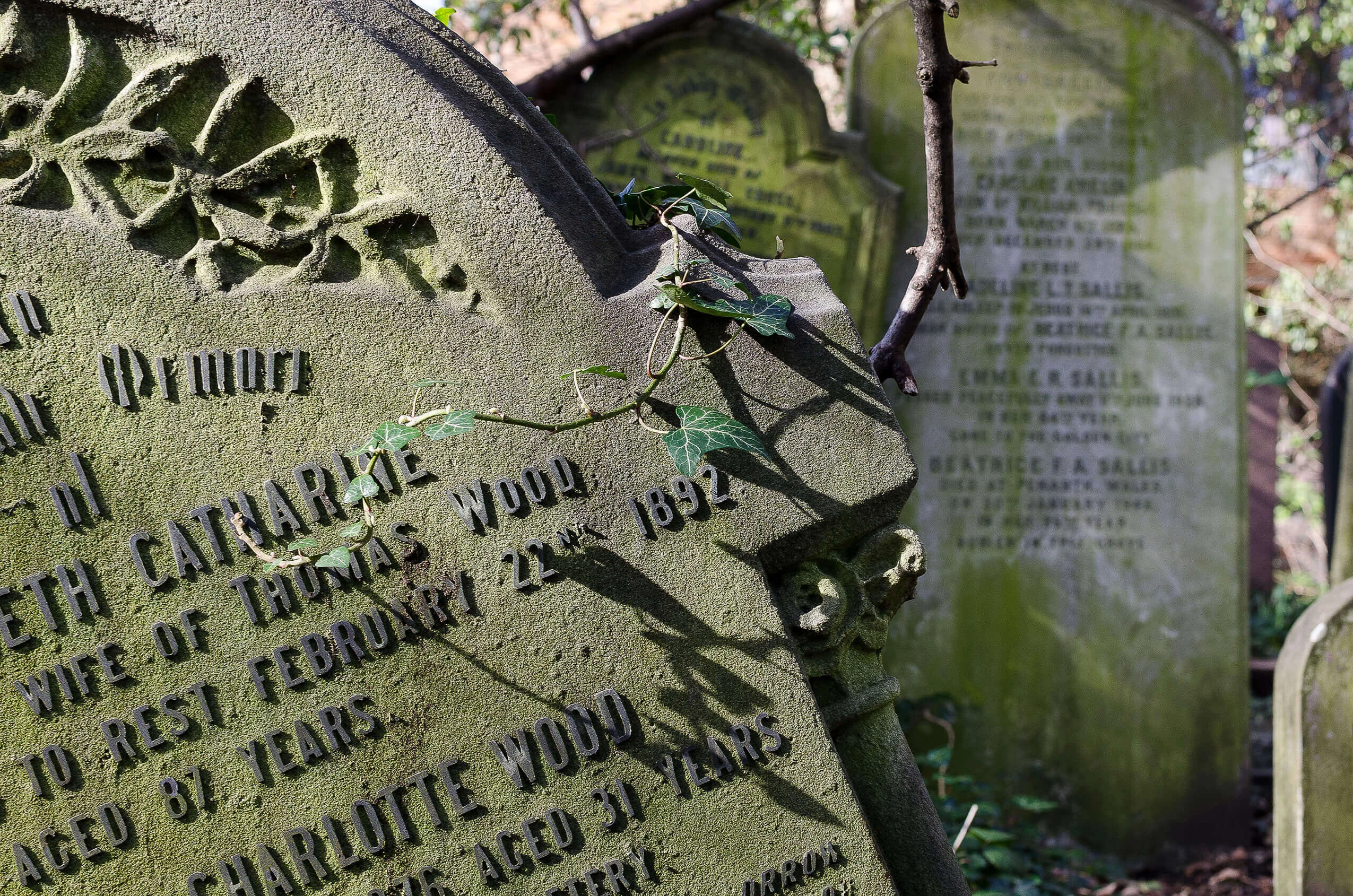
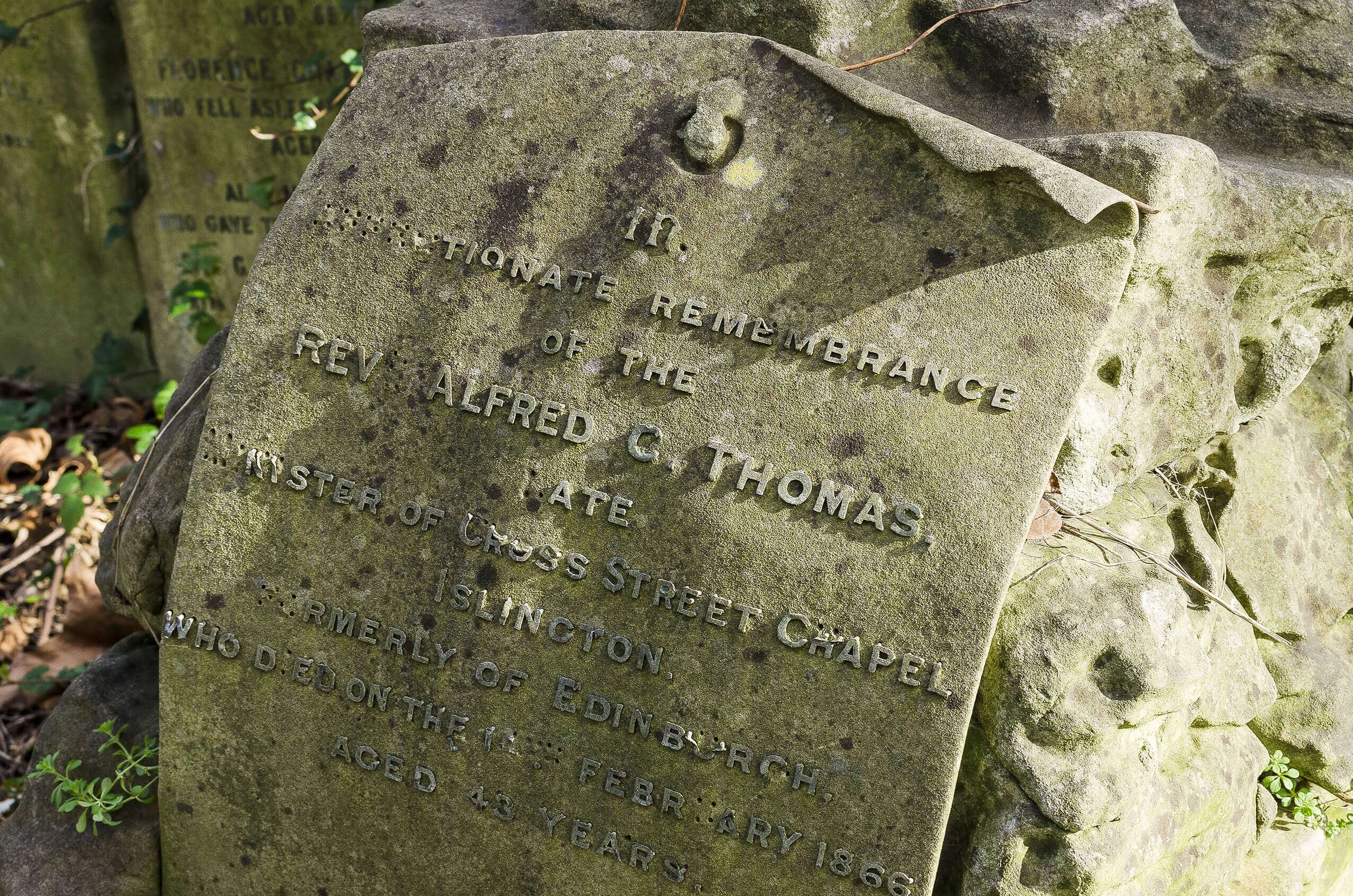

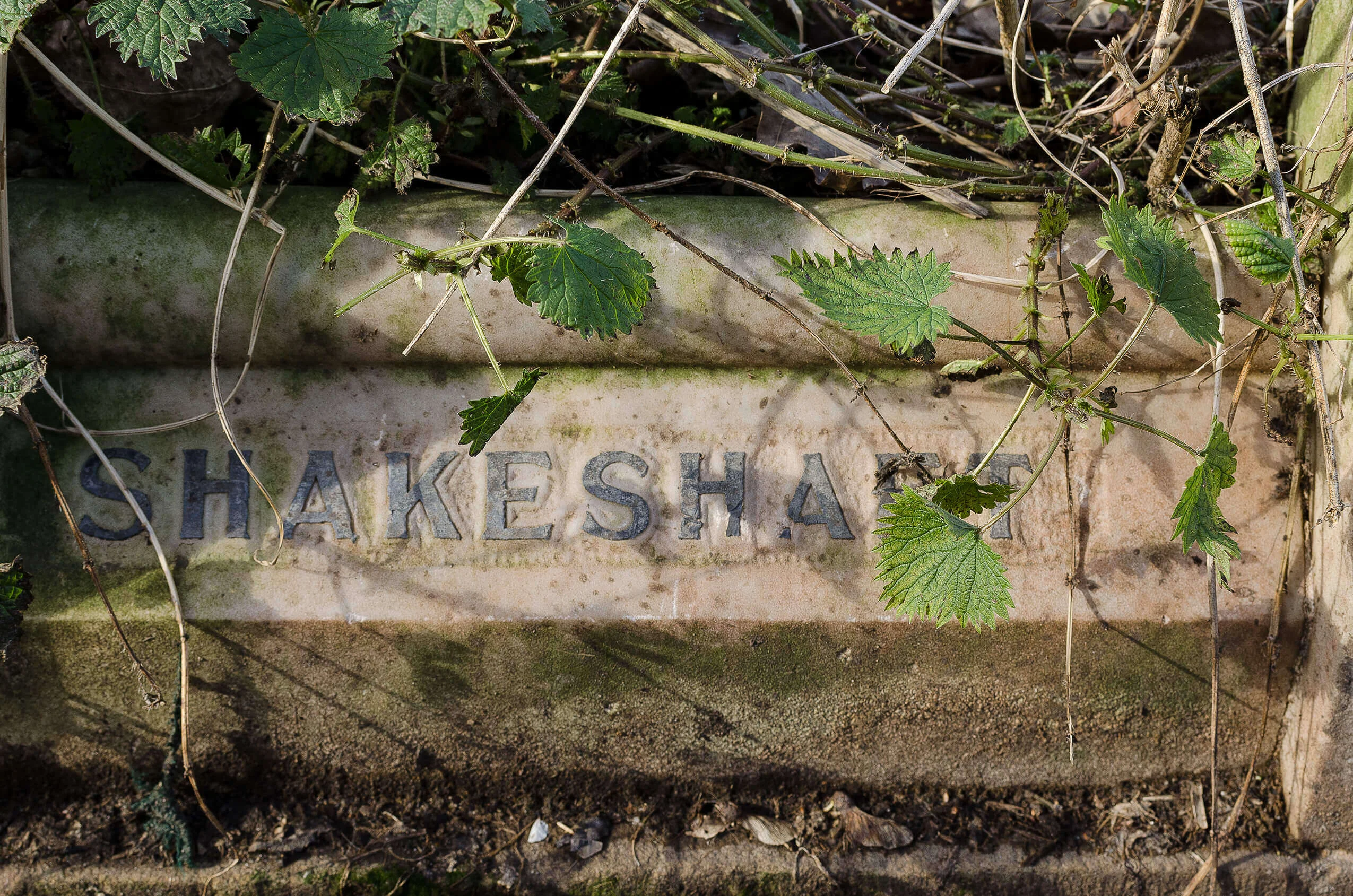
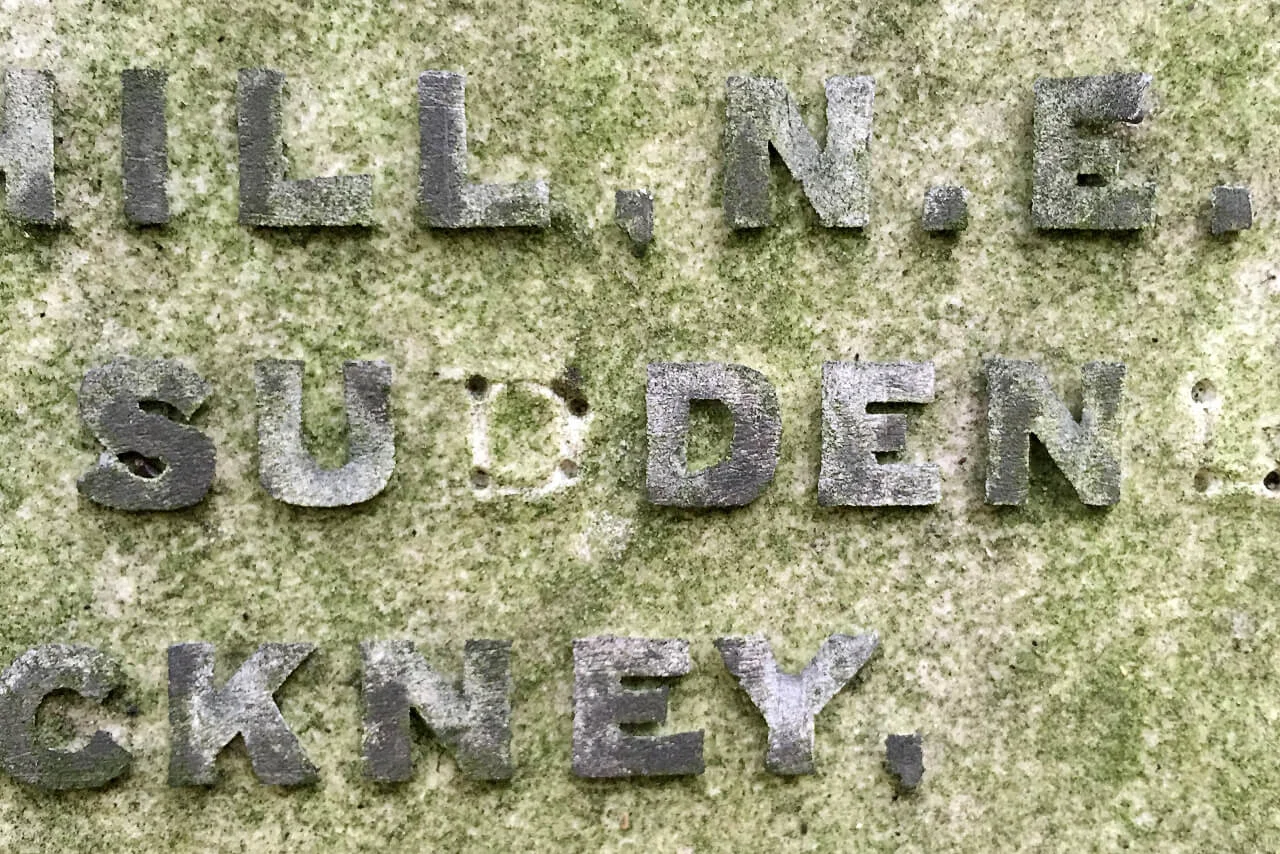
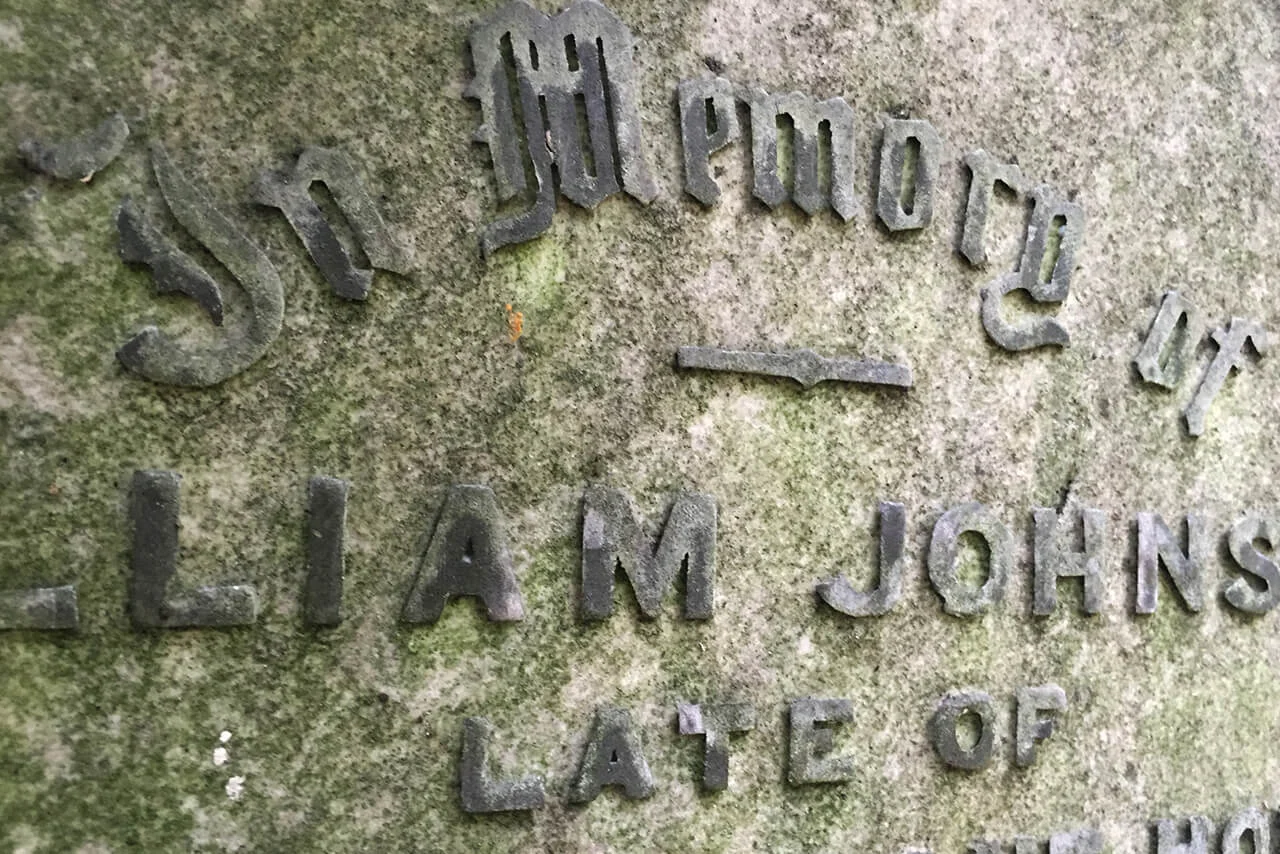
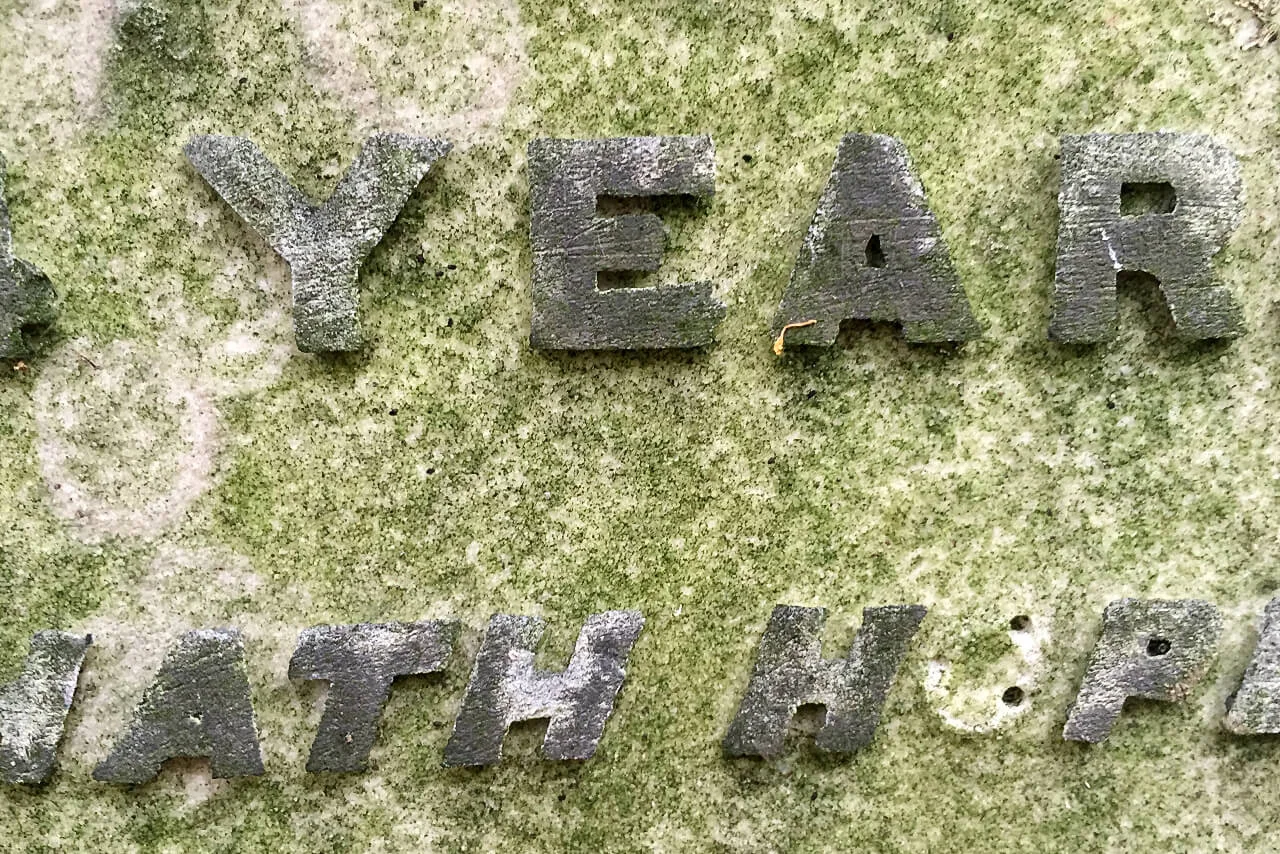
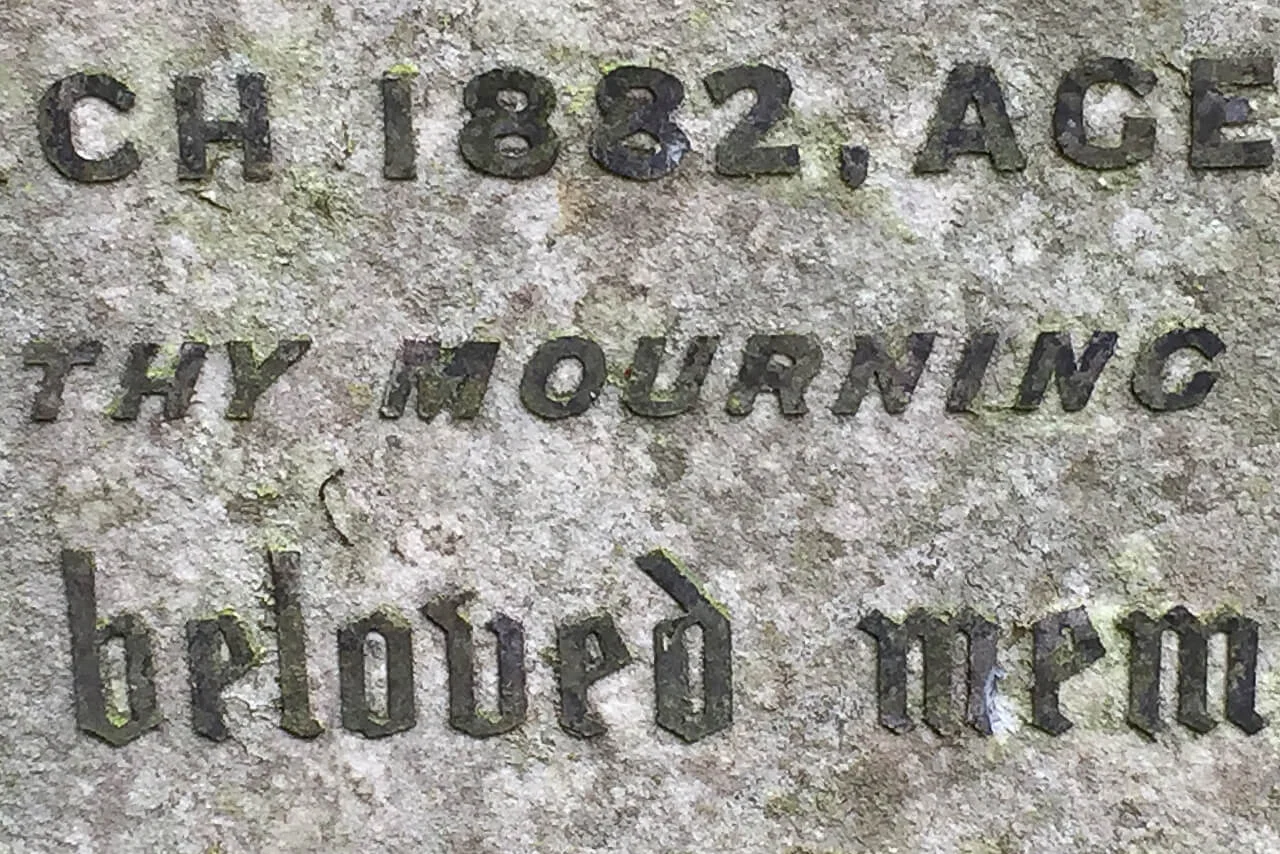
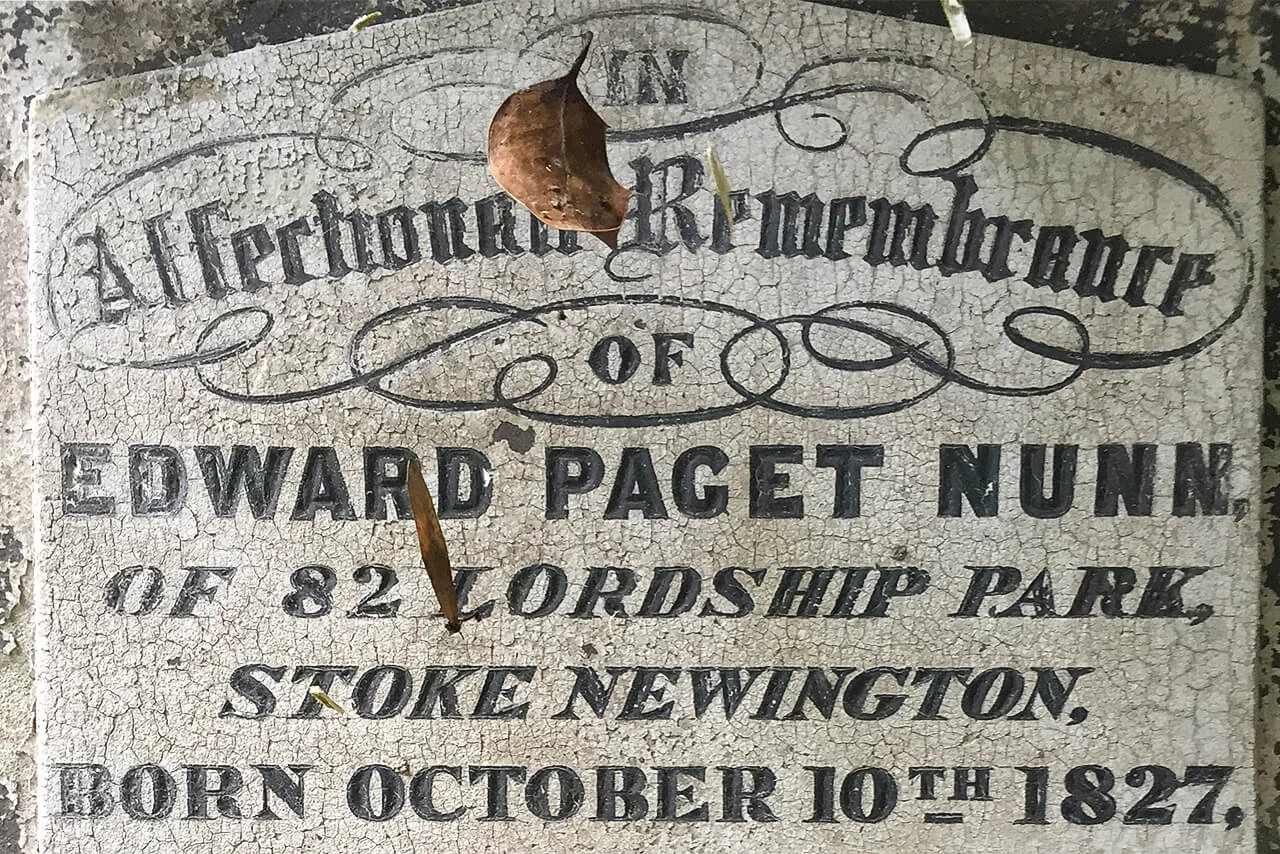
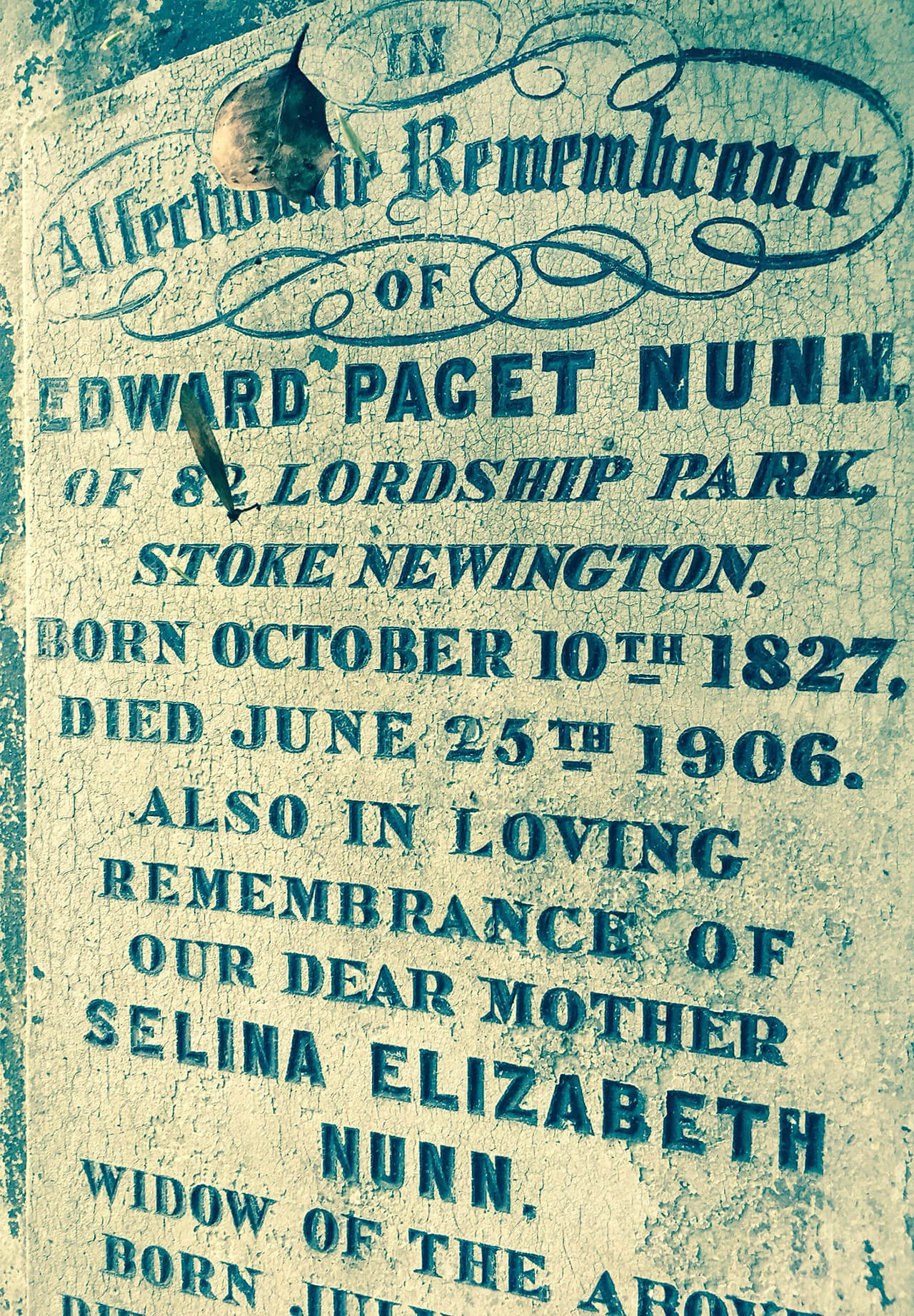
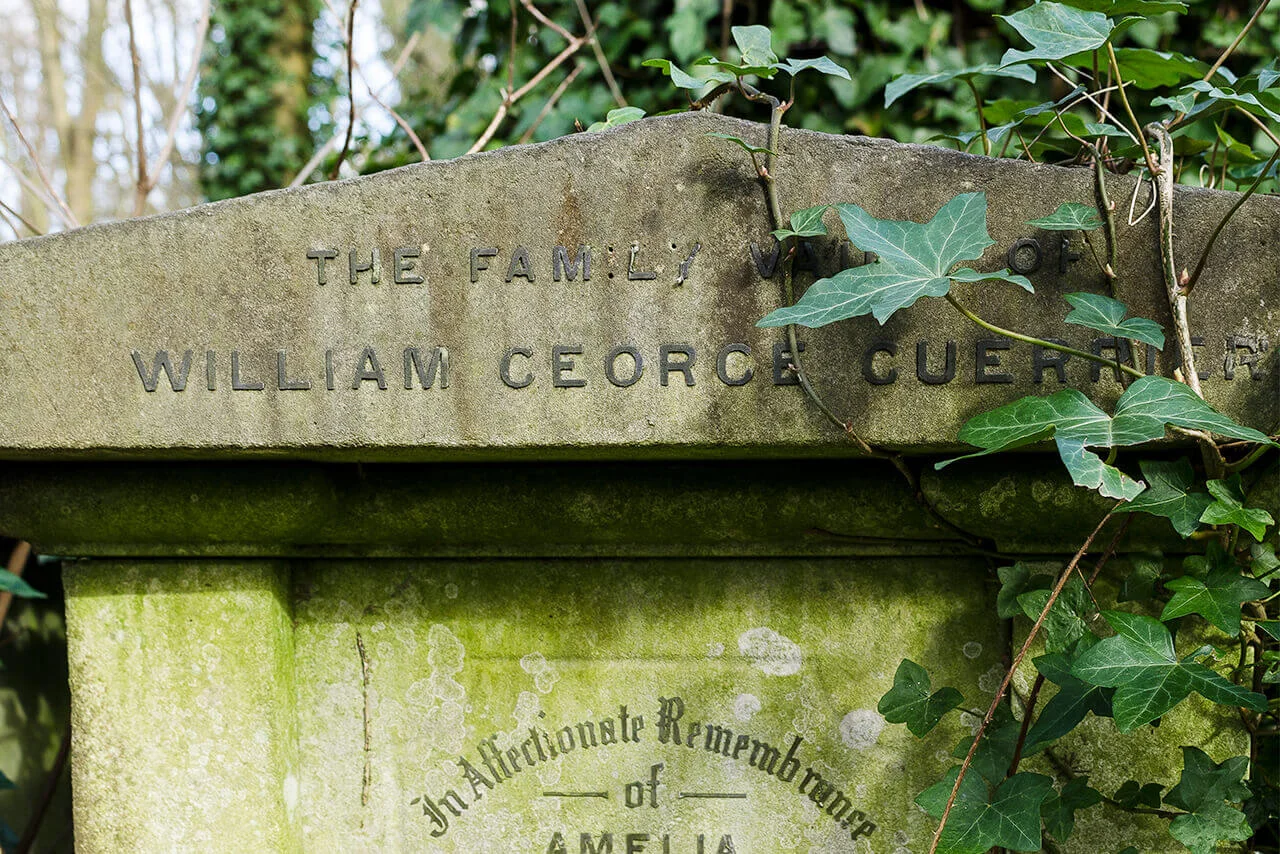
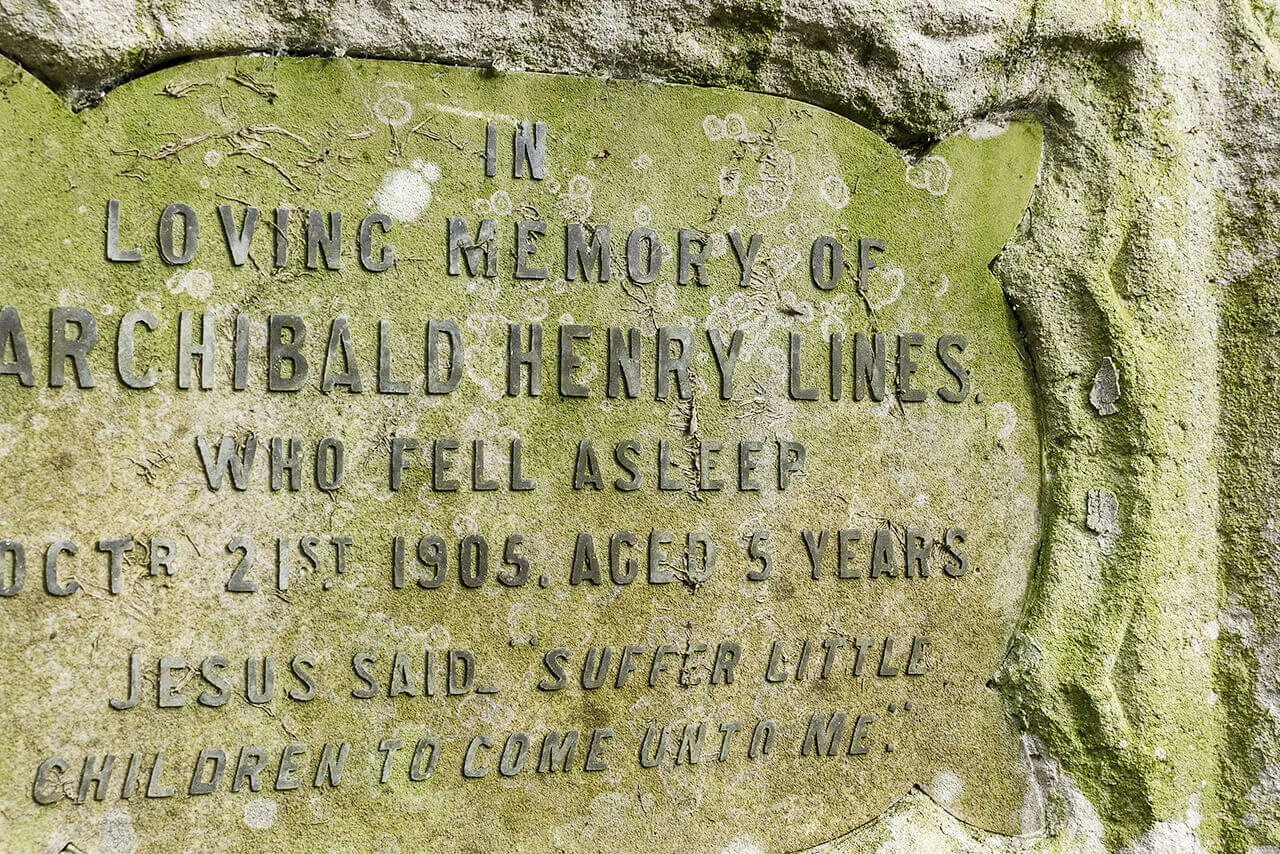
The Lead Lettering Index (LLI)
is used to determine
the degree of erosion
of the sandstone:
W = (f (s, t (M, E, P, F))
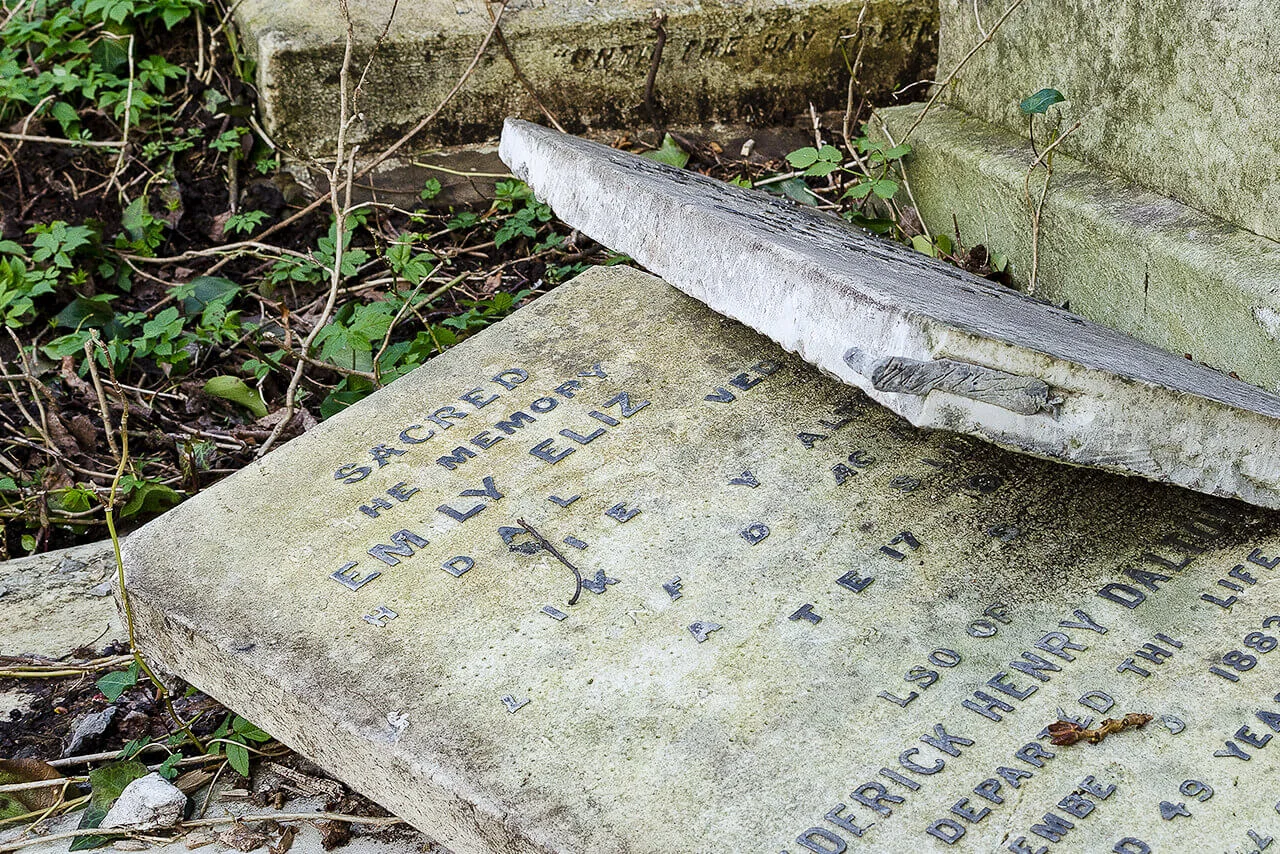
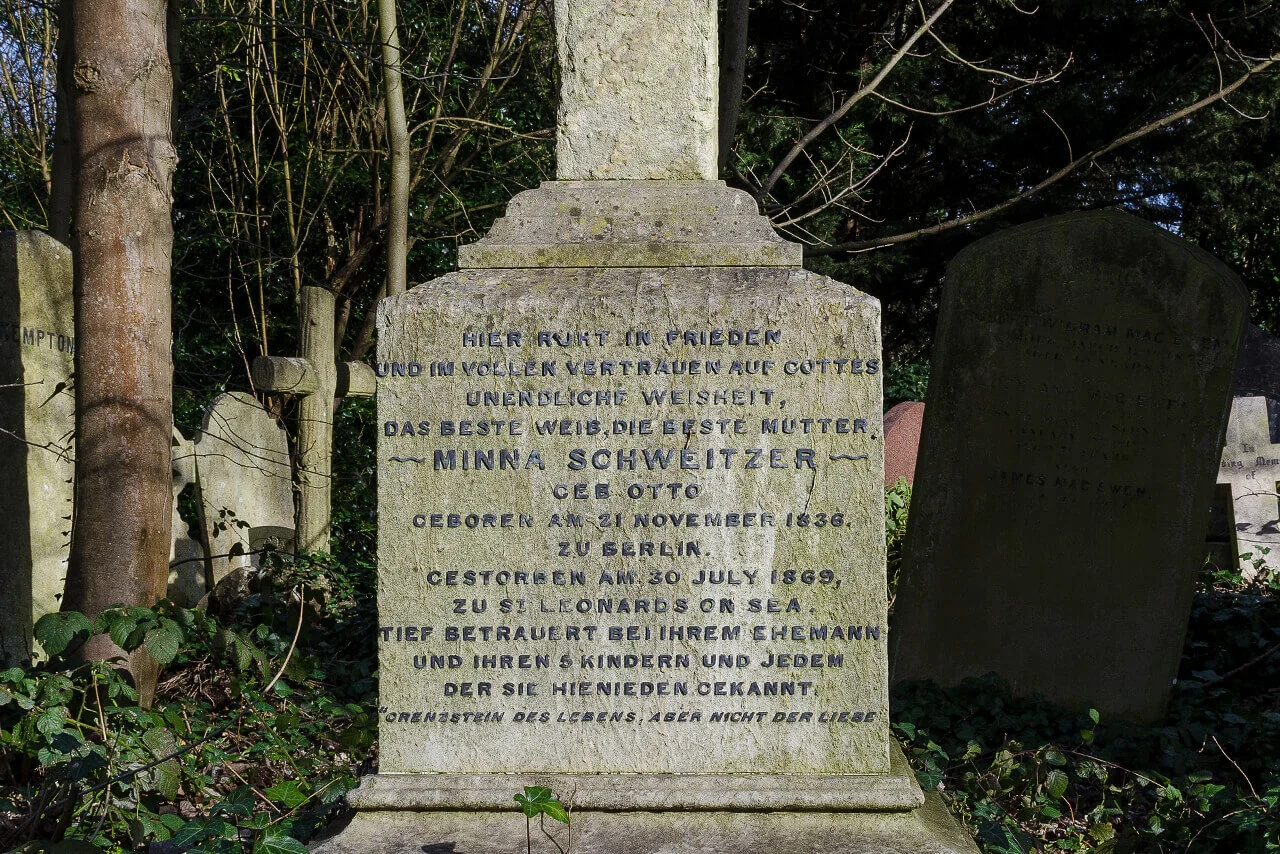
The weathering
observed on gravestones
is a product of four factors:
material (M), environment (E),
process (P) and shape (F).
They can be spatially (s)
as well as in time (t).
researchportal.port.ac.uk
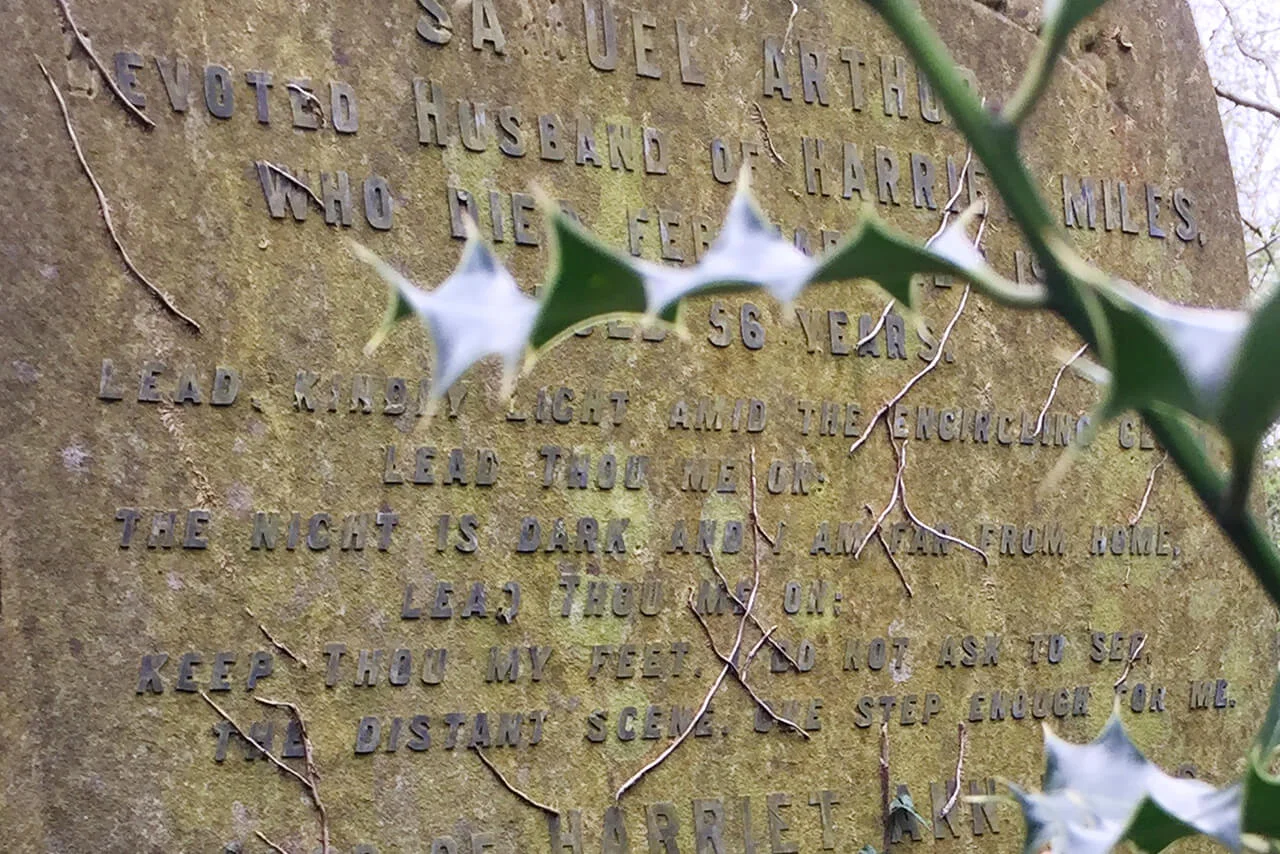
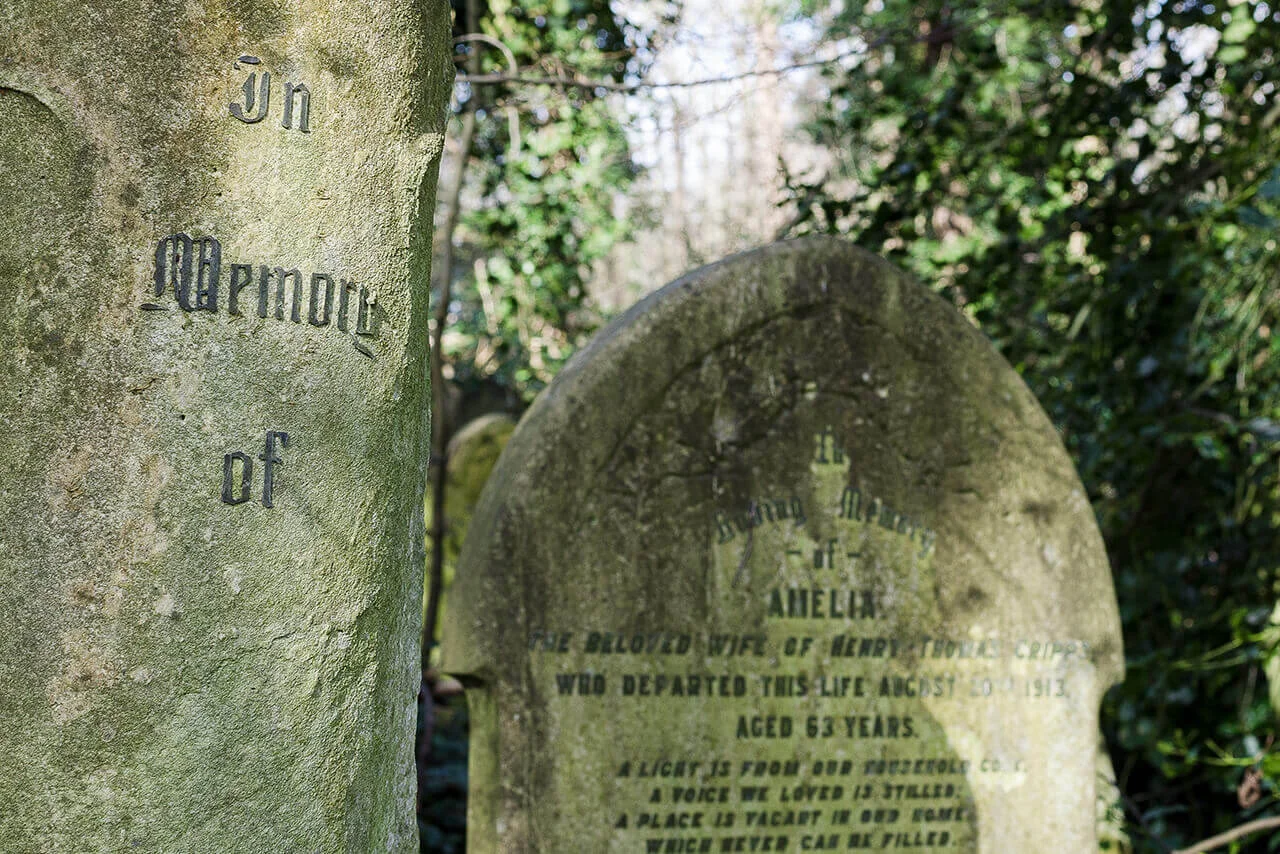
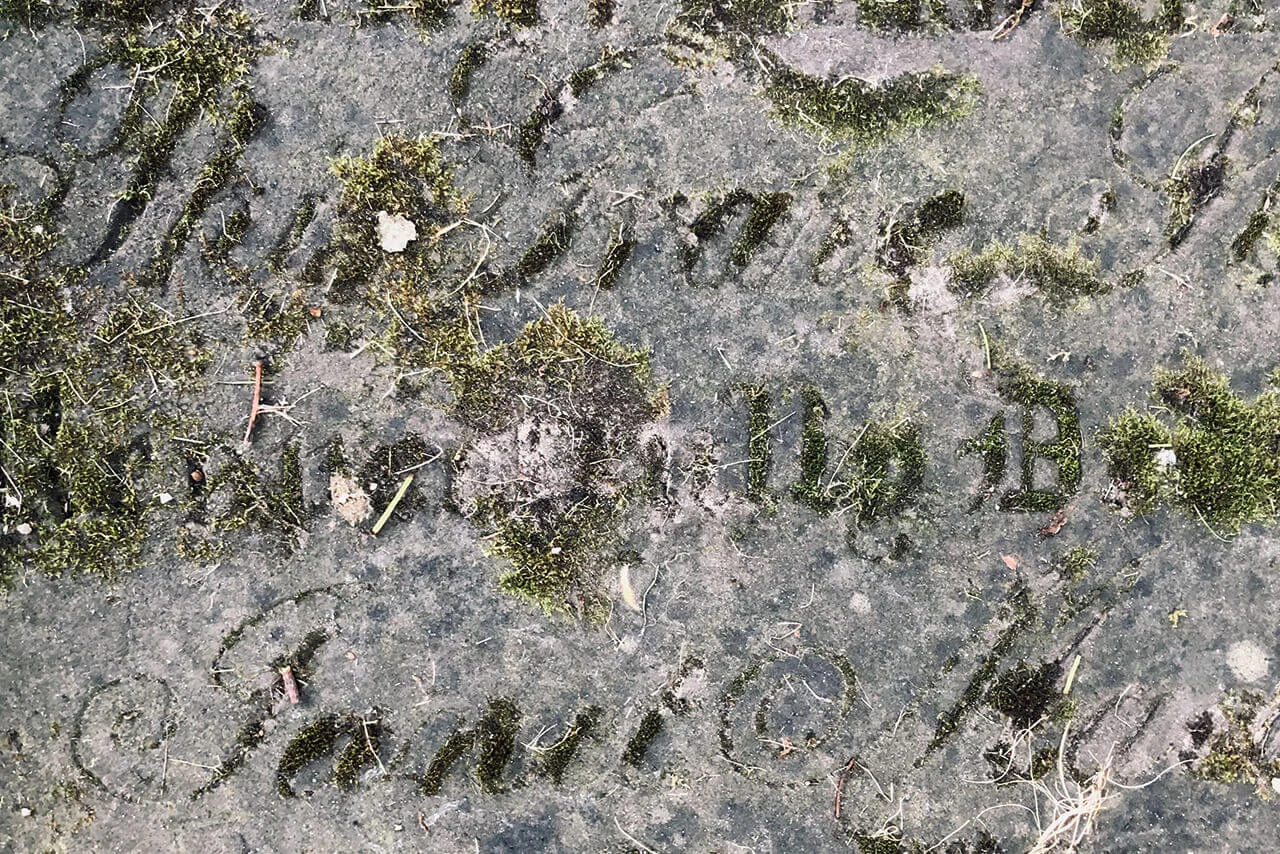
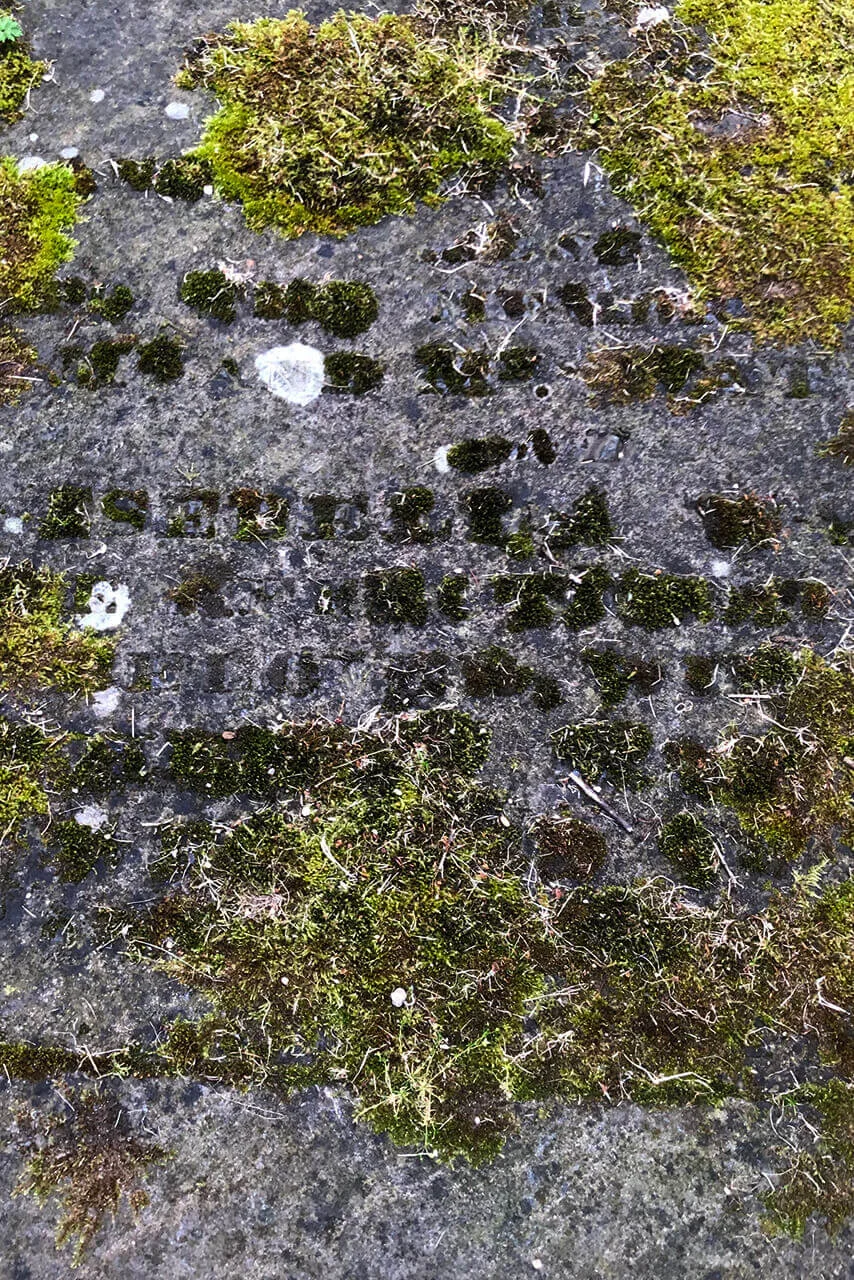
Mossed Inscriptions
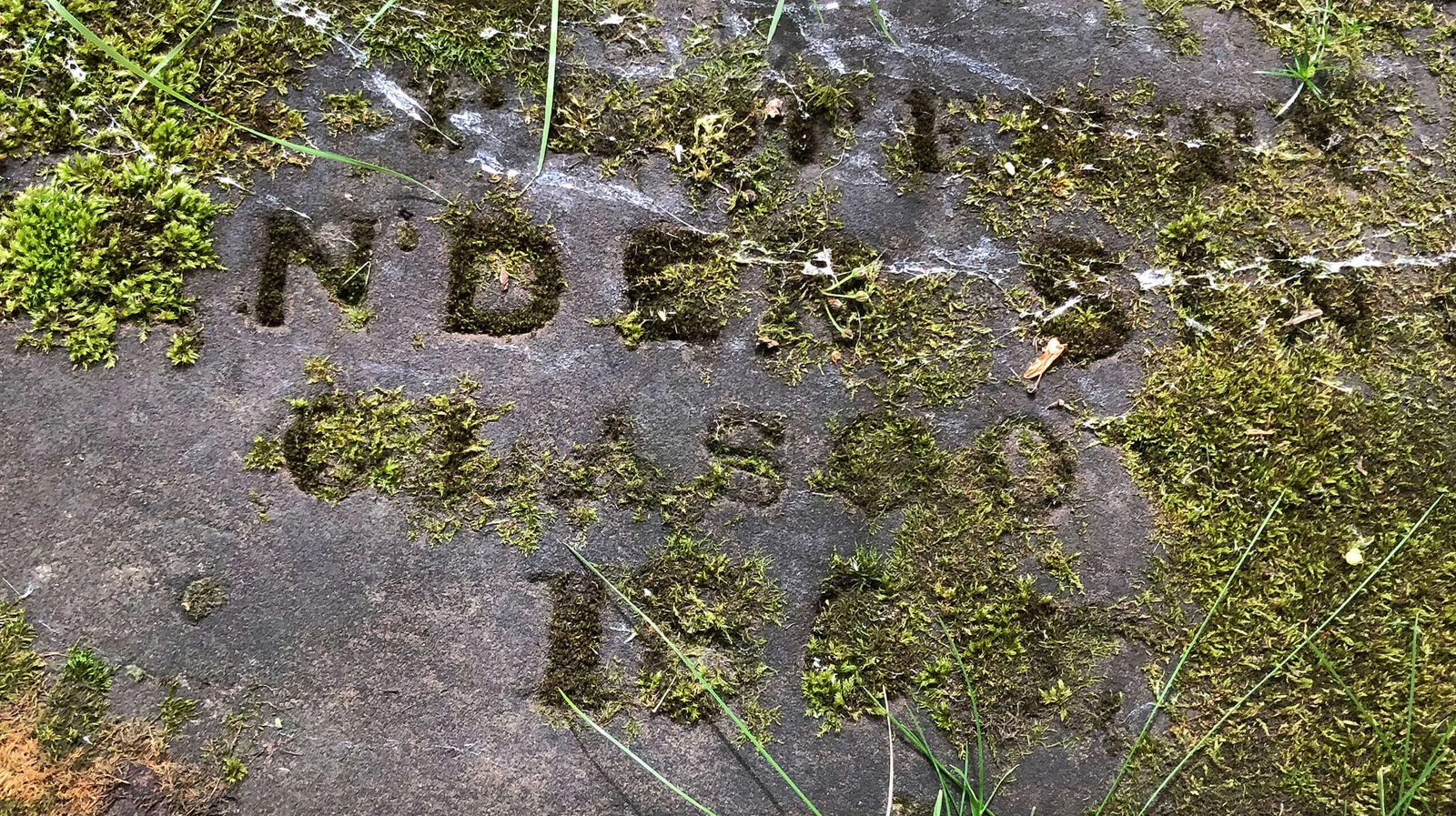
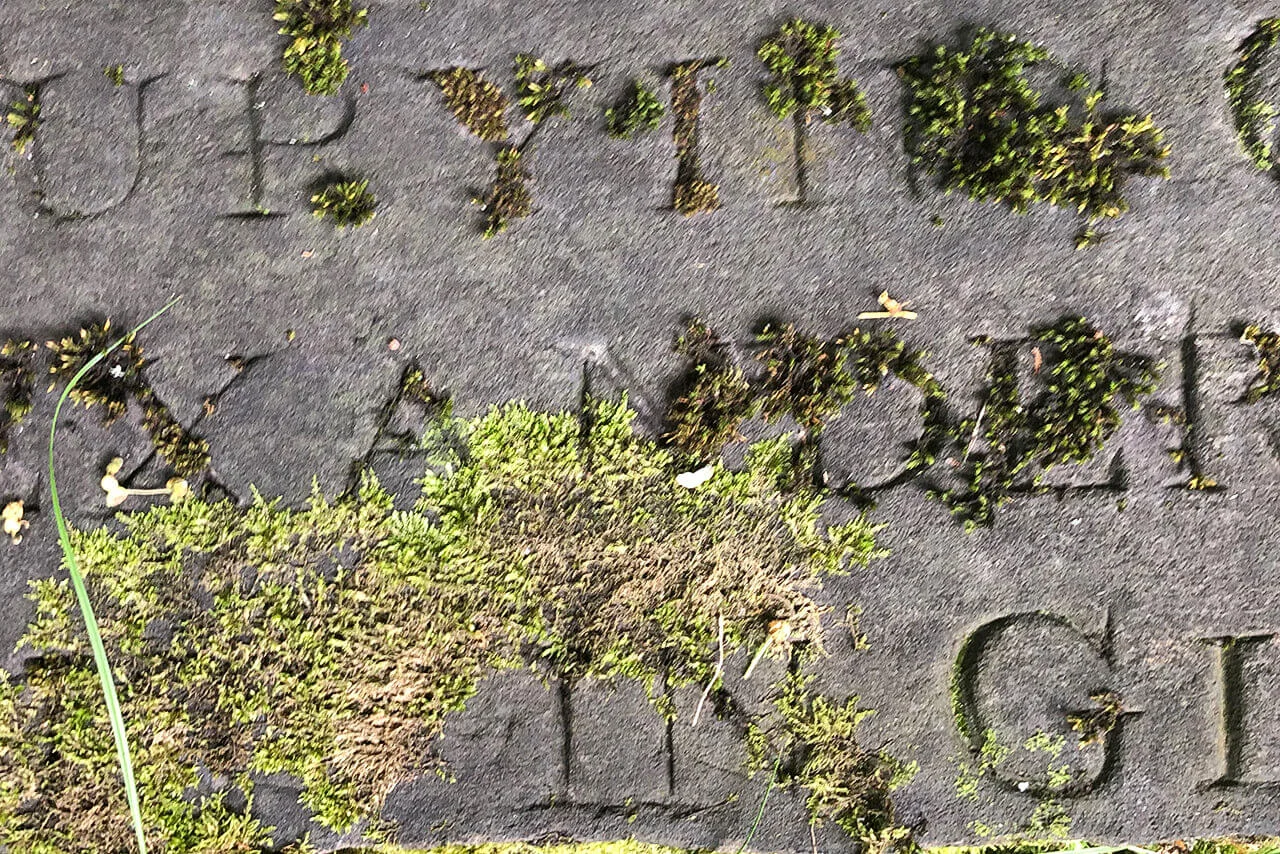
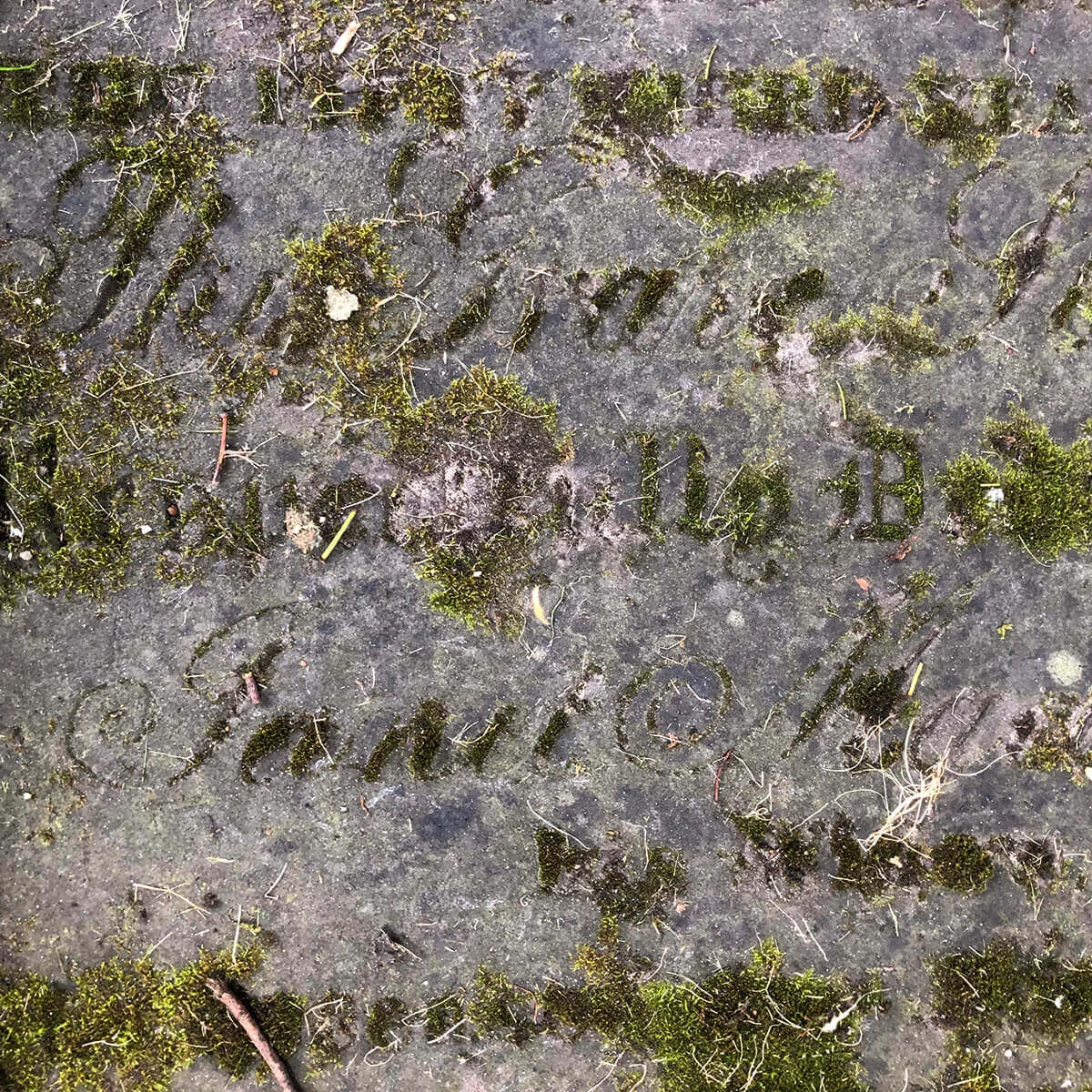
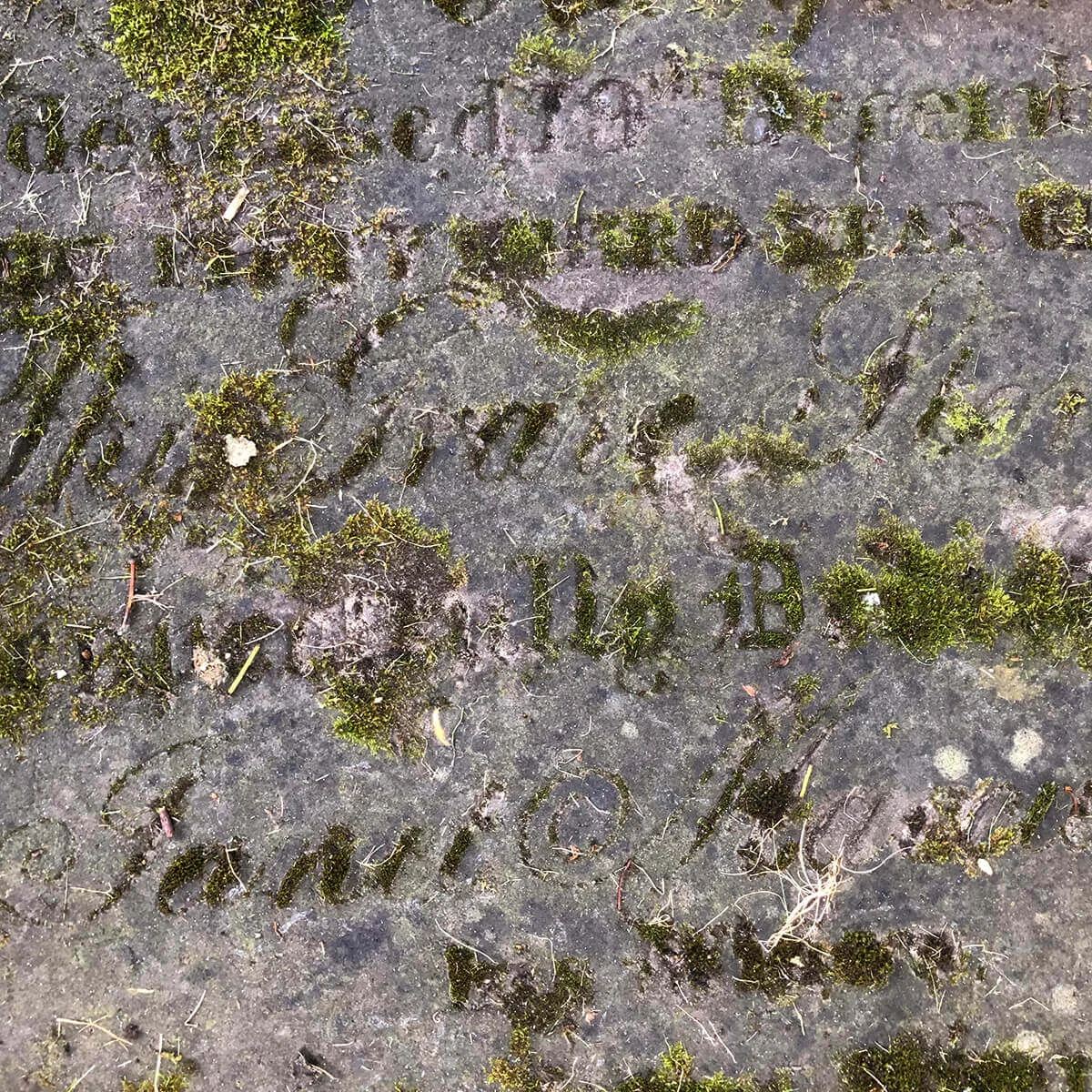
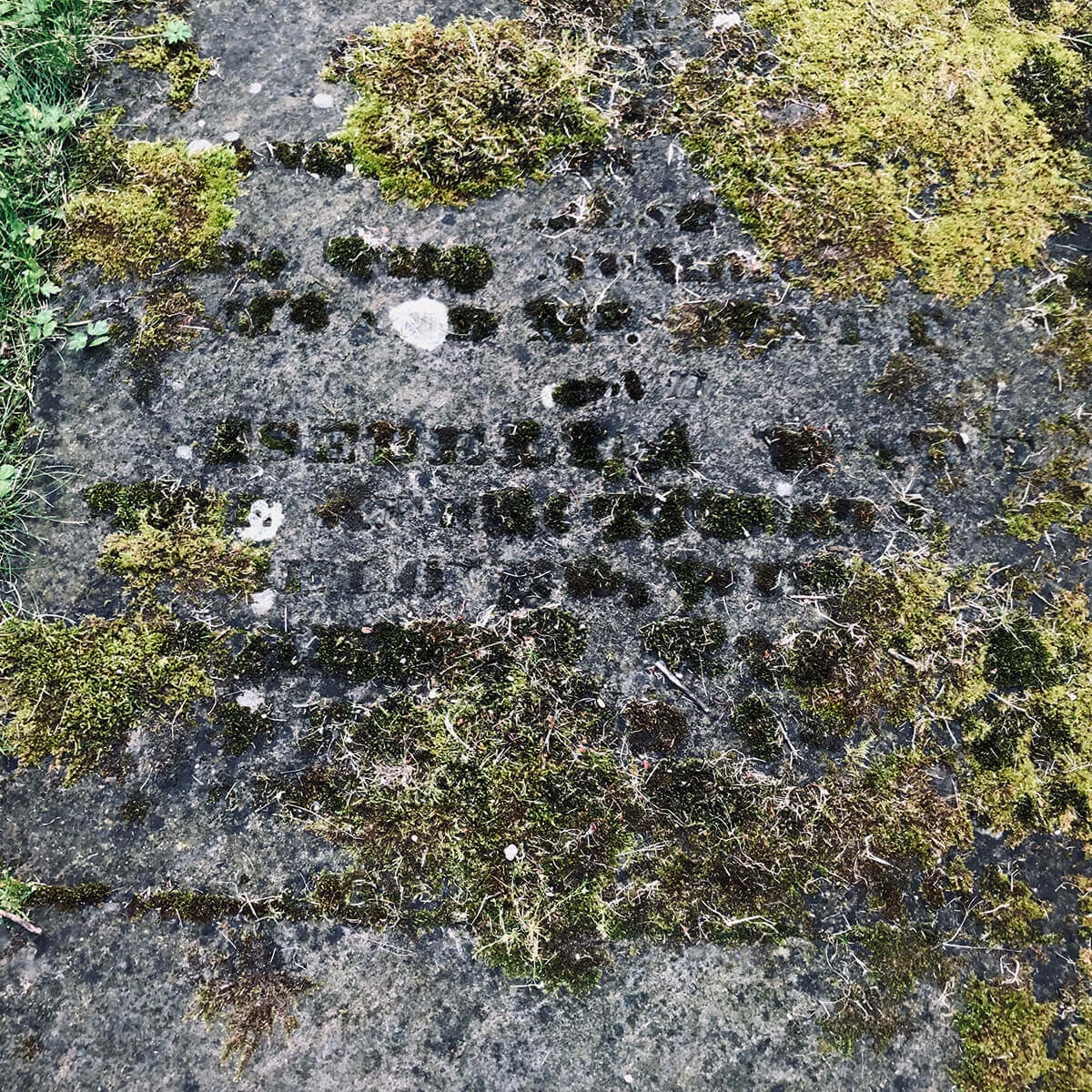
At Ramshorn Graveyard in Glasgow, an inverse phenomenon can be observed. Here, gravestones laid flat into the ground develop a distinctive typographic effect over time, as moss colonises the recessed lettering.
Rather than emerging from the surface, the inscriptions are gradually defined by organic growth: the moss settles within the engraved forms, rendering the letterforms visible through contrast and texture. The result is a subtle, time-shaped typography in which nature itself becomes the agent of inscription.


Write comment
Write comment
Comments
No Comments