Main content
Alone in the Wiener Prater
Lockdown in the Amusement Park
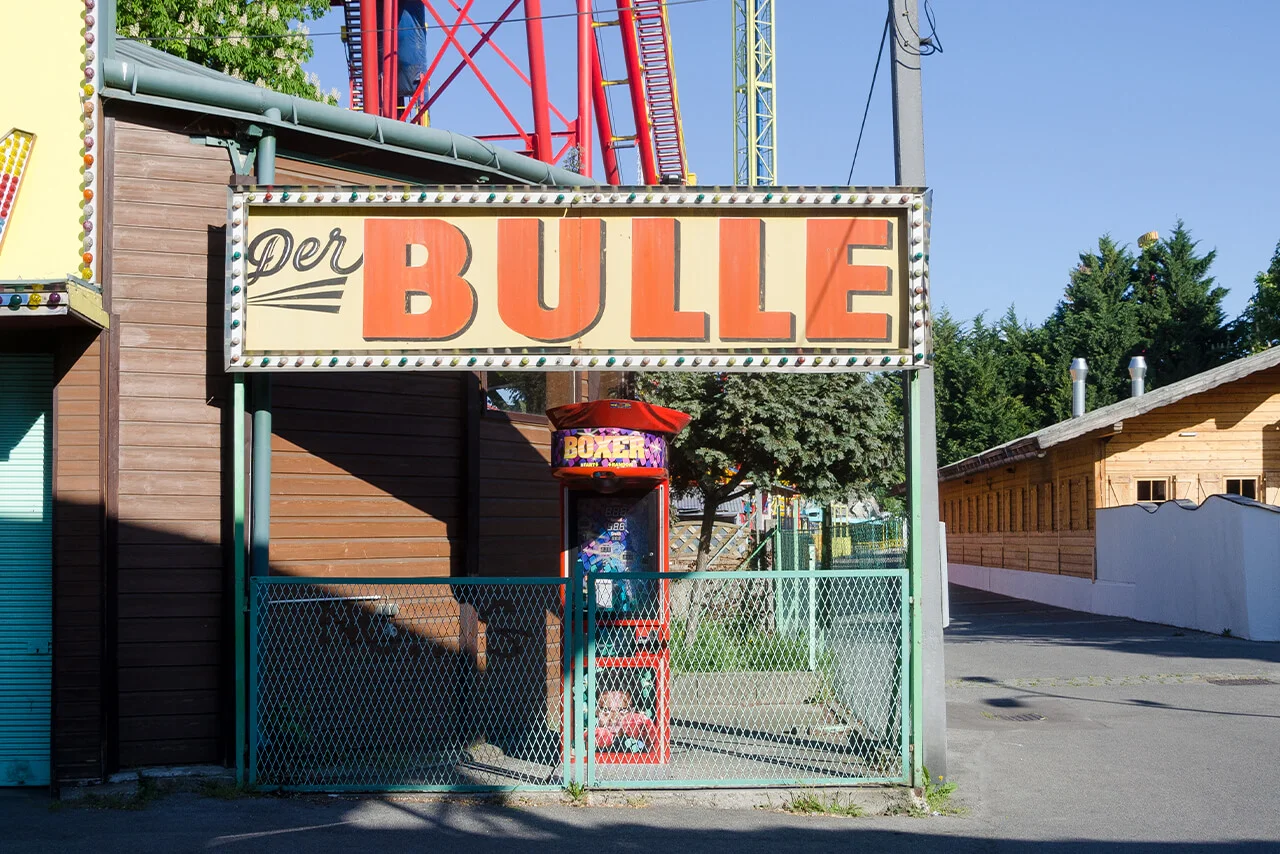
Silent Figures, an Empty Park
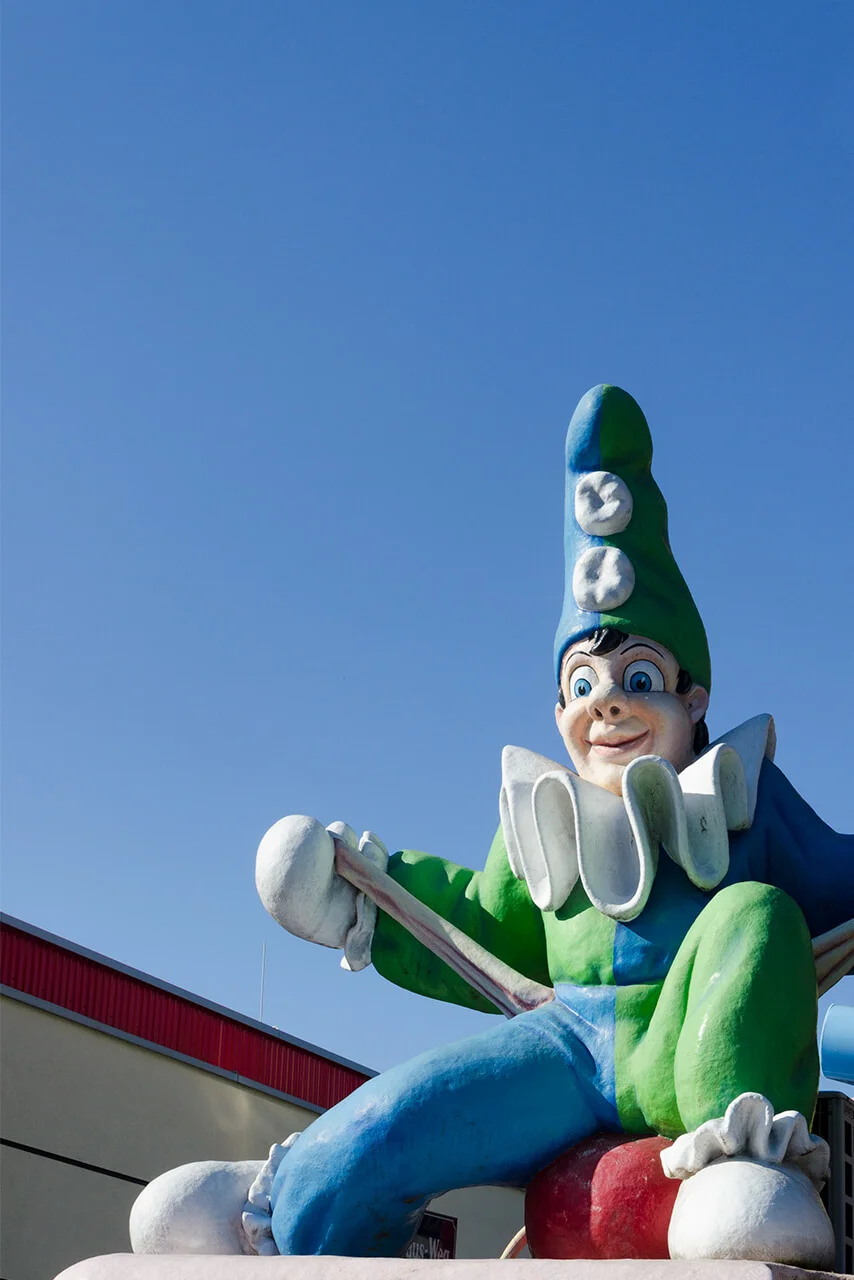
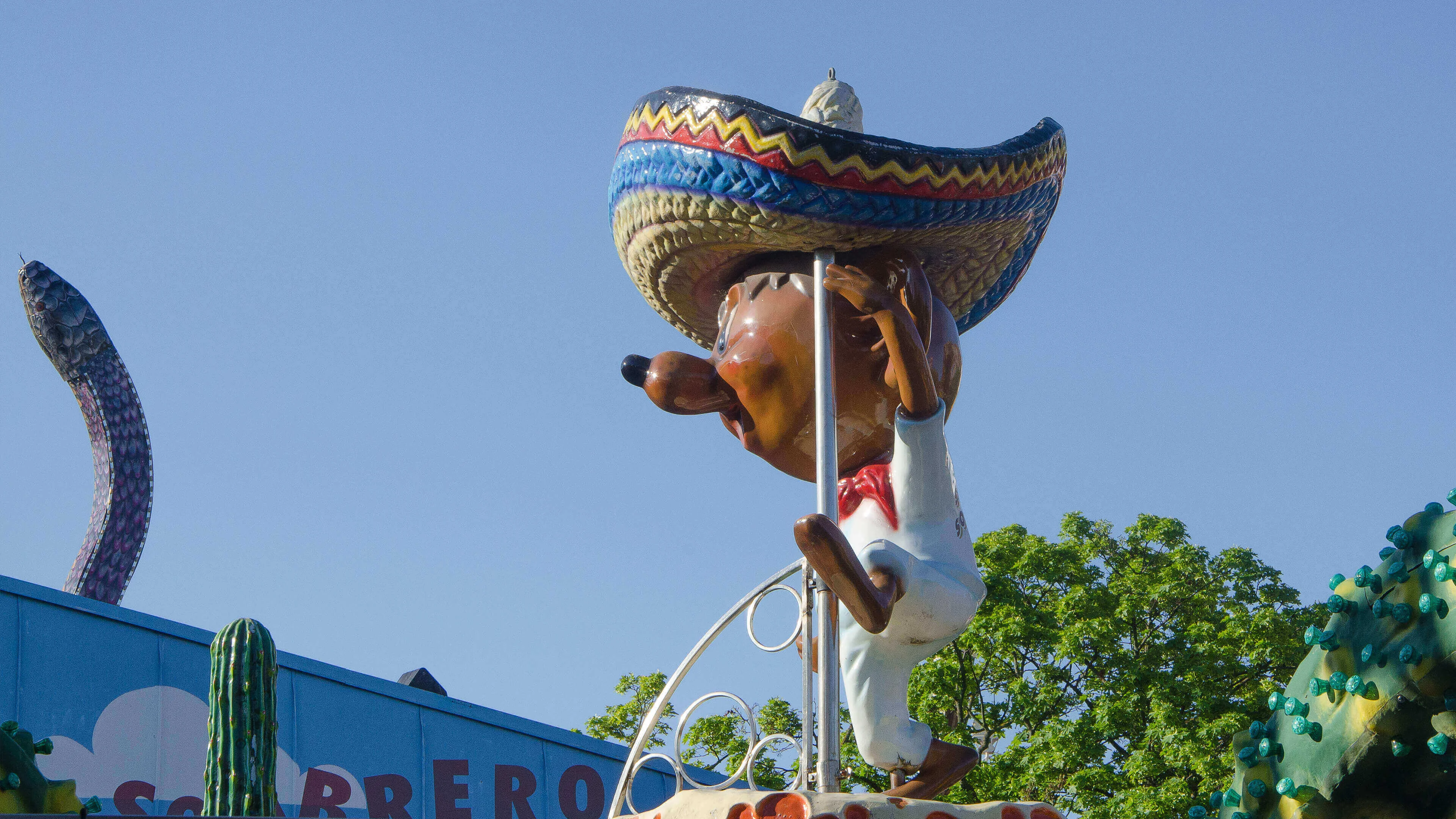
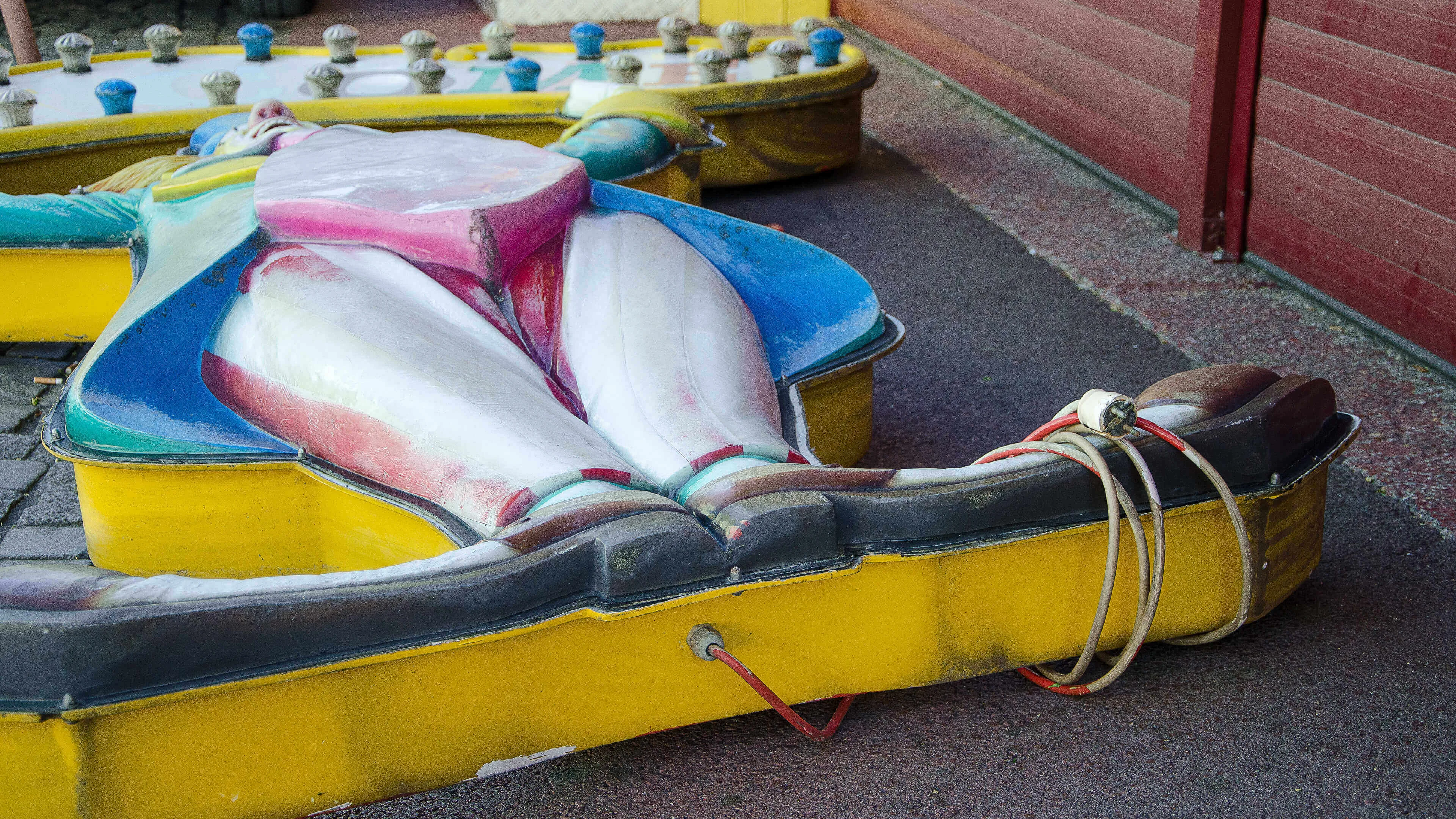
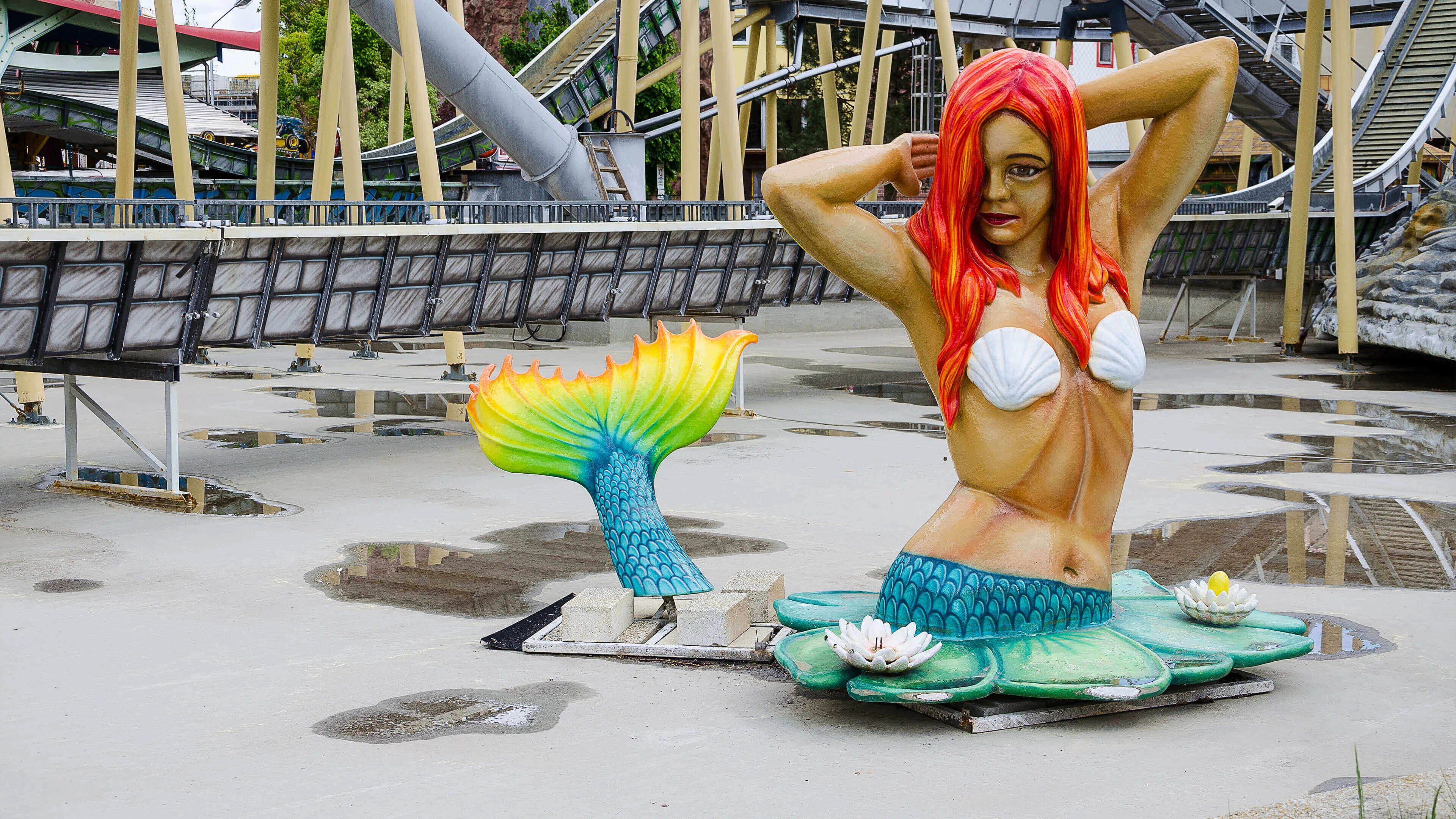
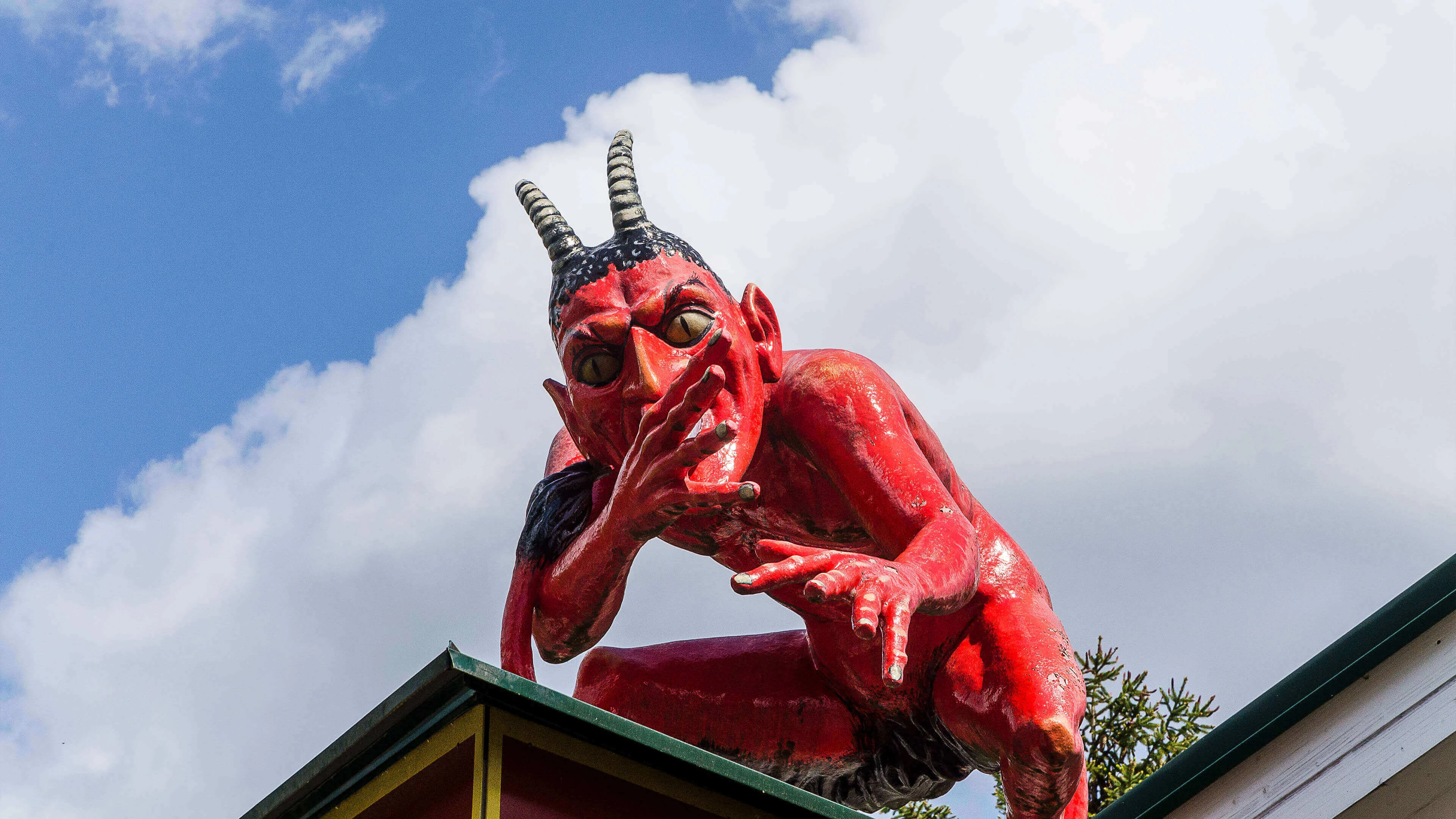
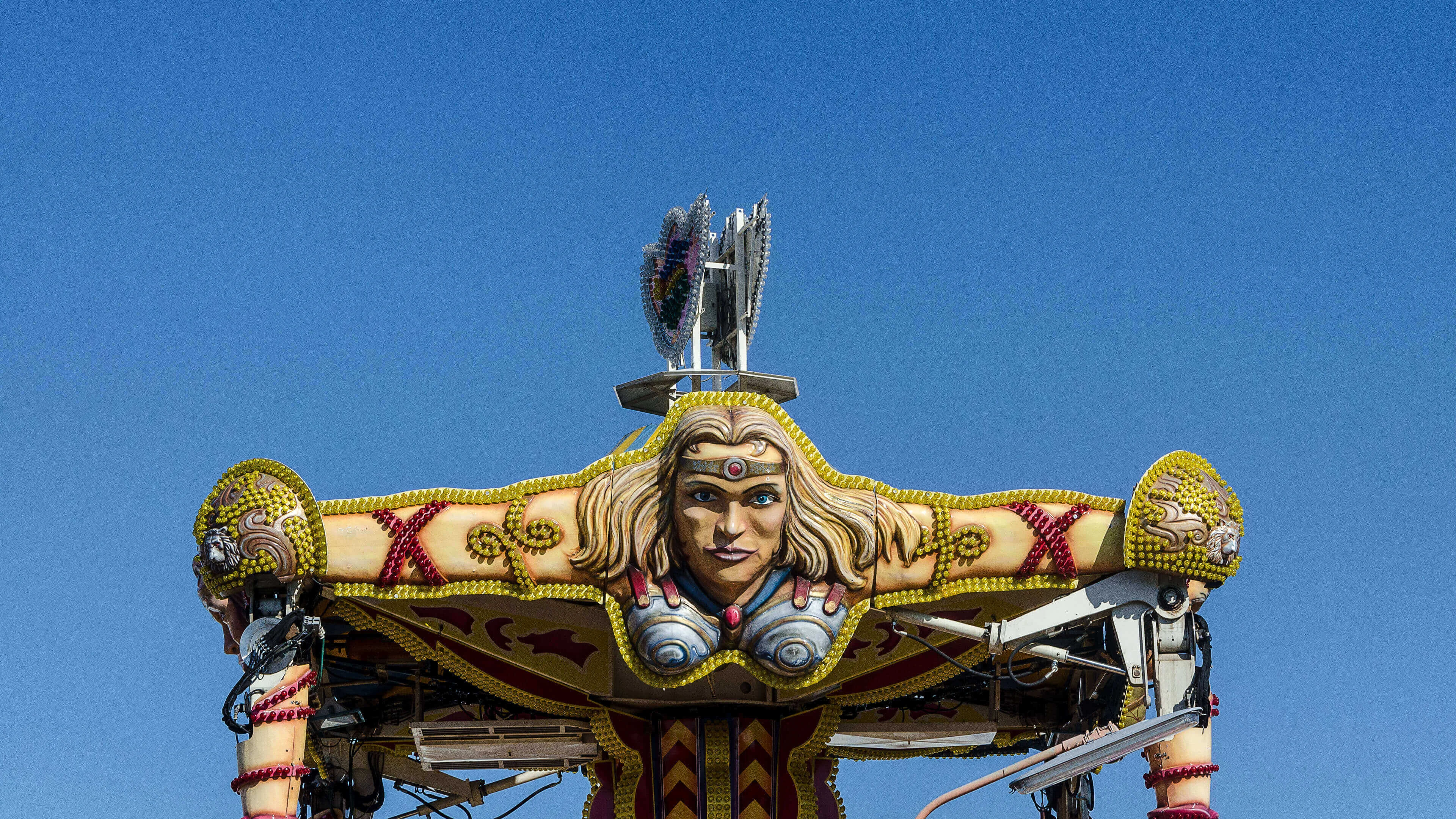
The figures atop the attractions gaze mutely across a park devoid of visitors. The closure, initially set from 16 March to 29 May 2020, proved a severe test for the approximately eighty Prater operators, whose 250 businesses had, by the time of the lockdown, already endured four months of winter dormancy. During the first weeks, the grounds were completely sealed off; from April onwards, they were at least accessible during the daytime. In the early morning hours, unfamiliar perspectives of the Prater began to emerge.
Where crowds would normally press together: emptiness. Where the cacophony of barkers’ calls and cheap Euro-disco would drown out every word: silence. In its place, something rarely heard here—the gentle clatter of breakfast dishes on a Sunday morning. For alongside the loud attractions, many of the showmen live directly beside or behind their rides.
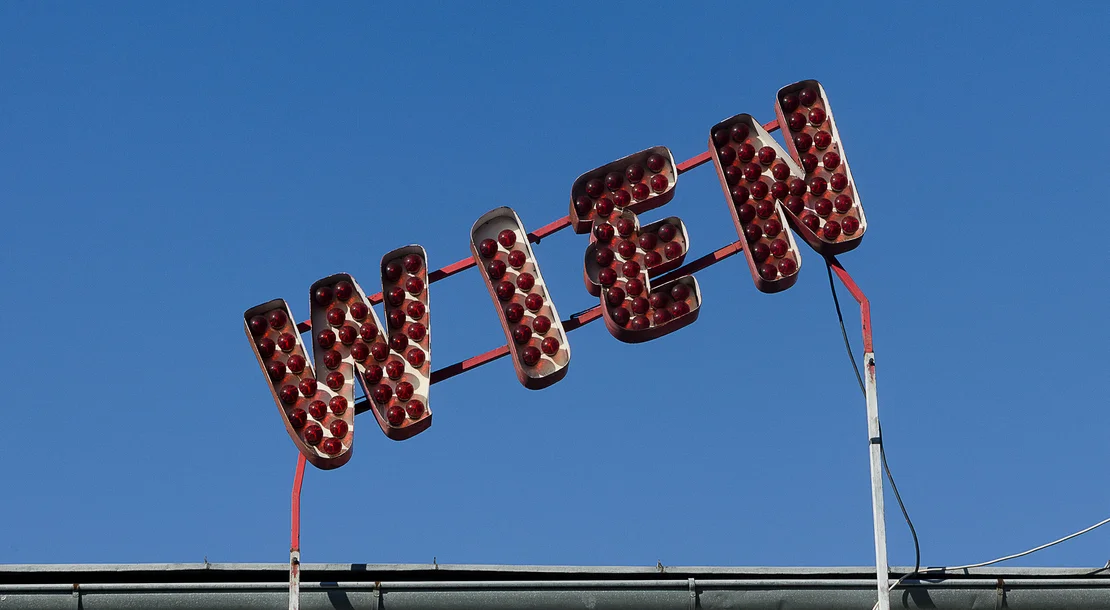
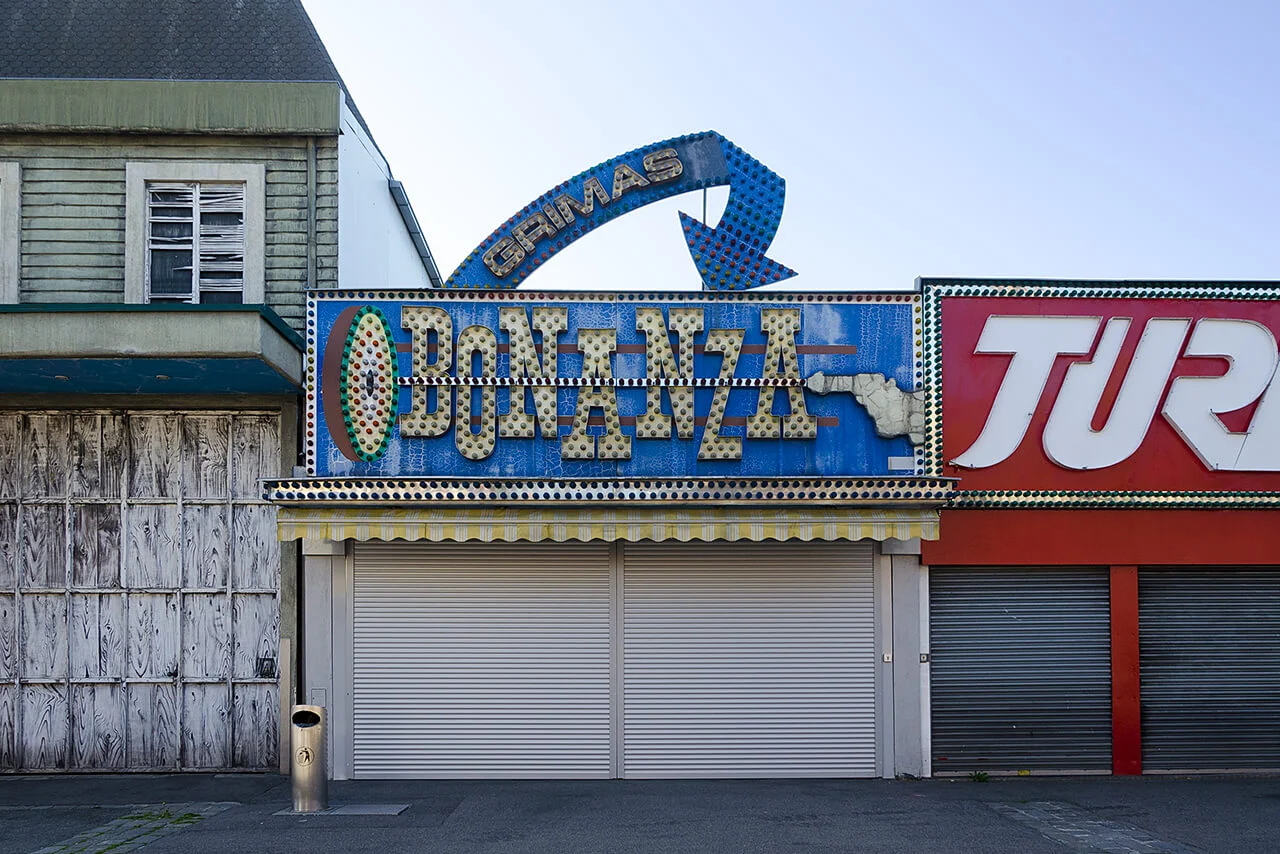
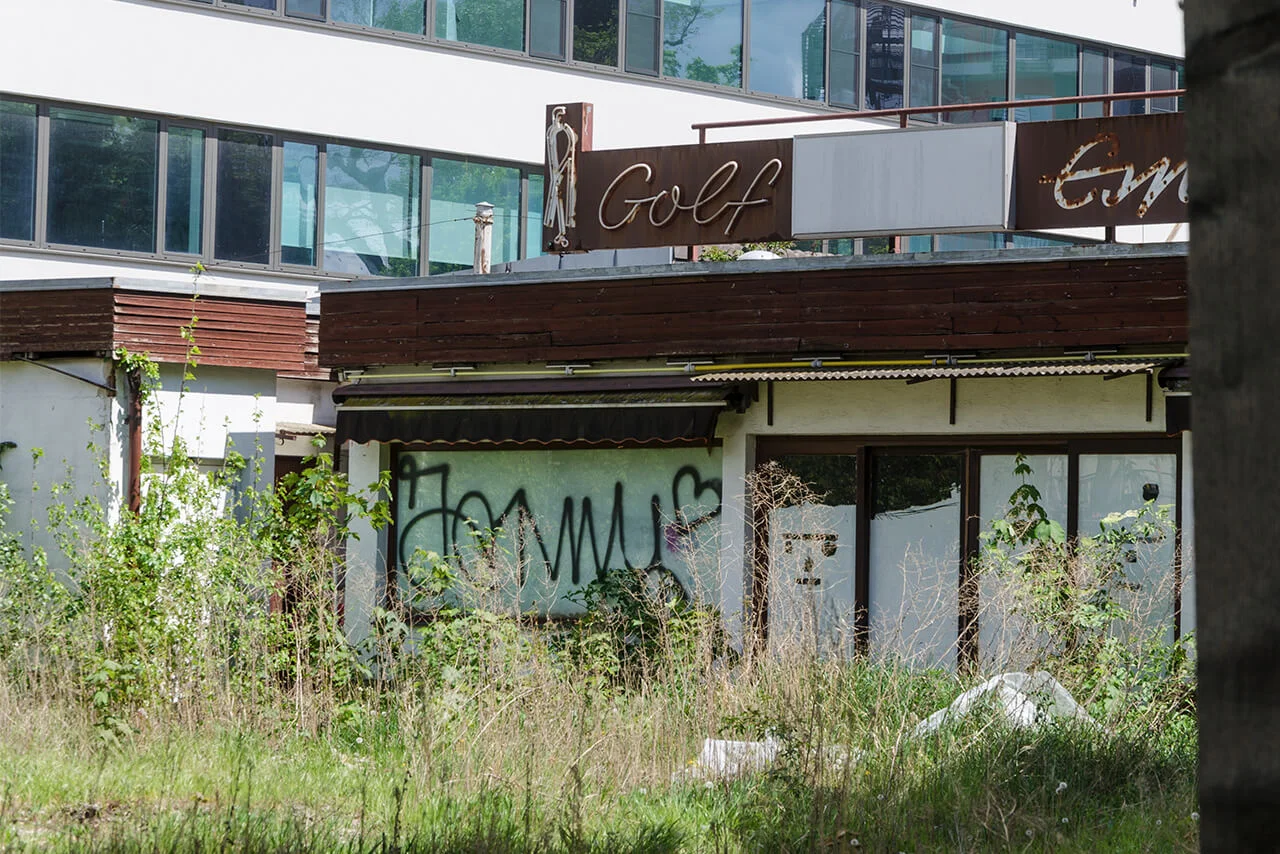
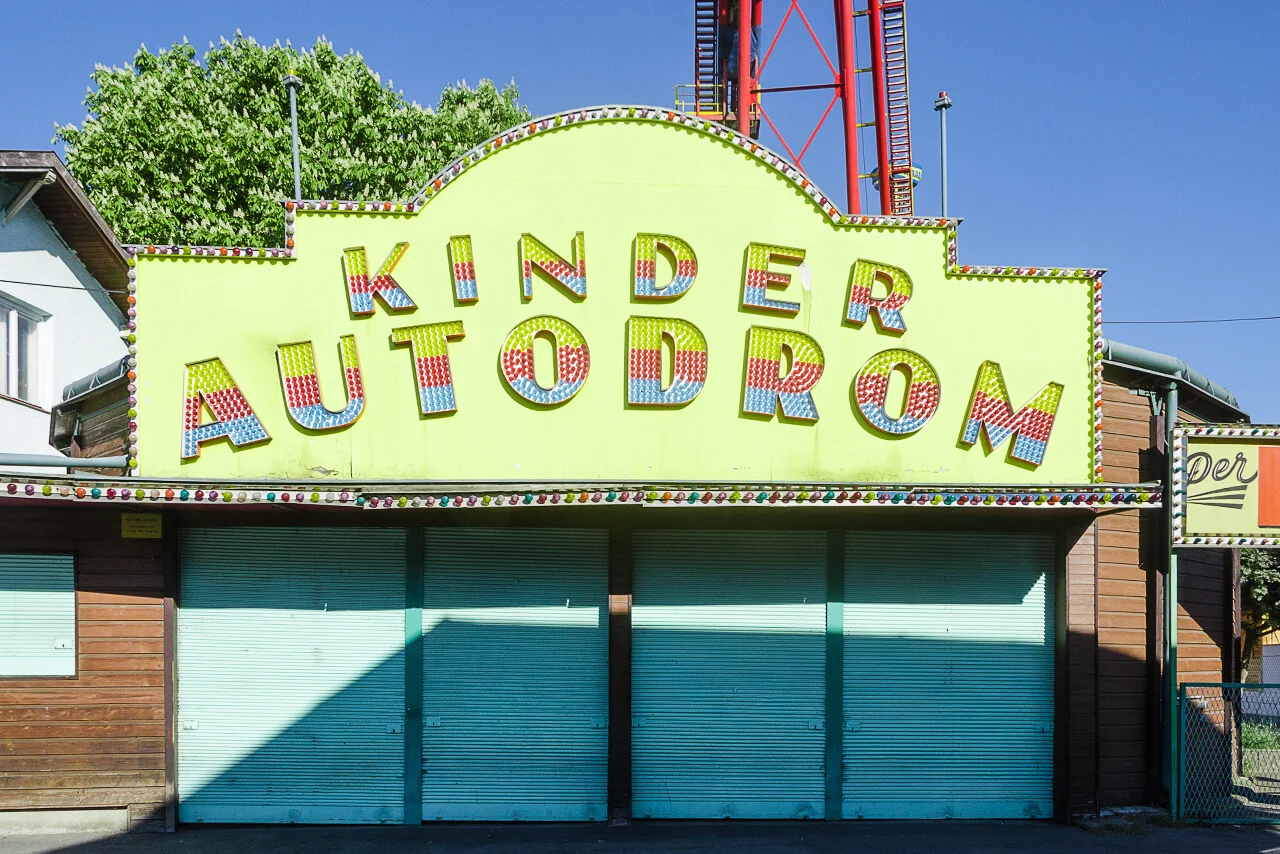
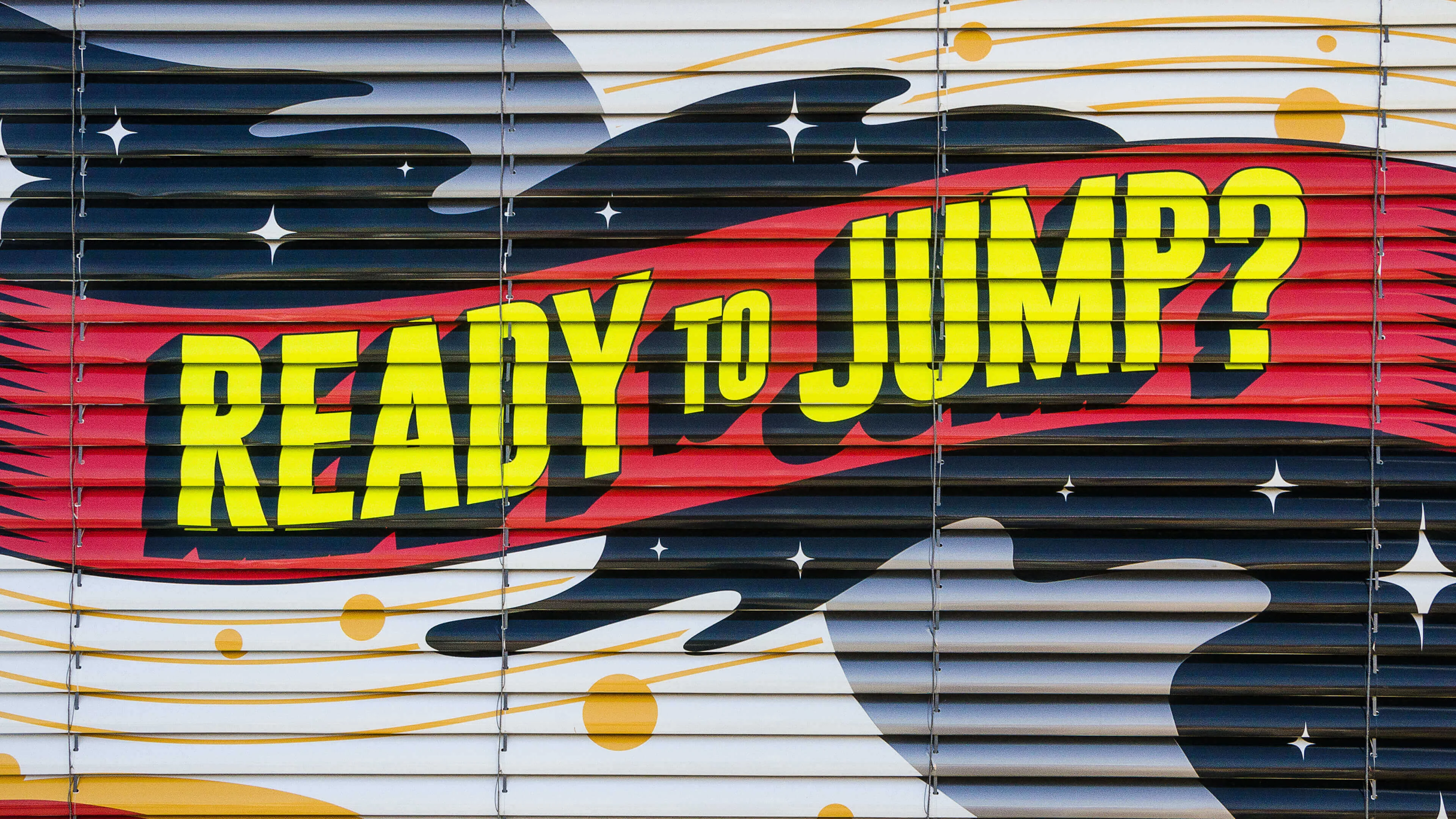
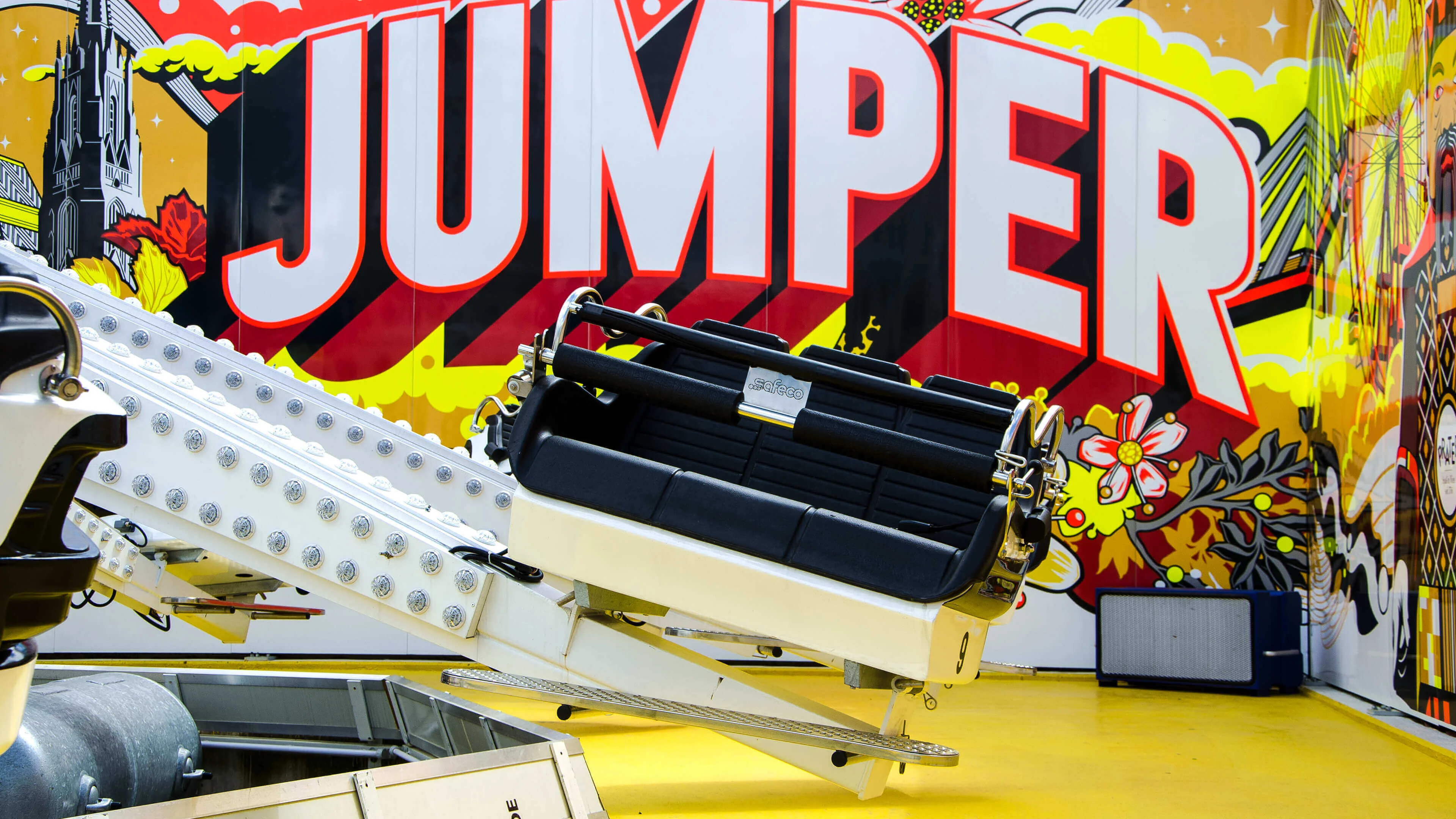
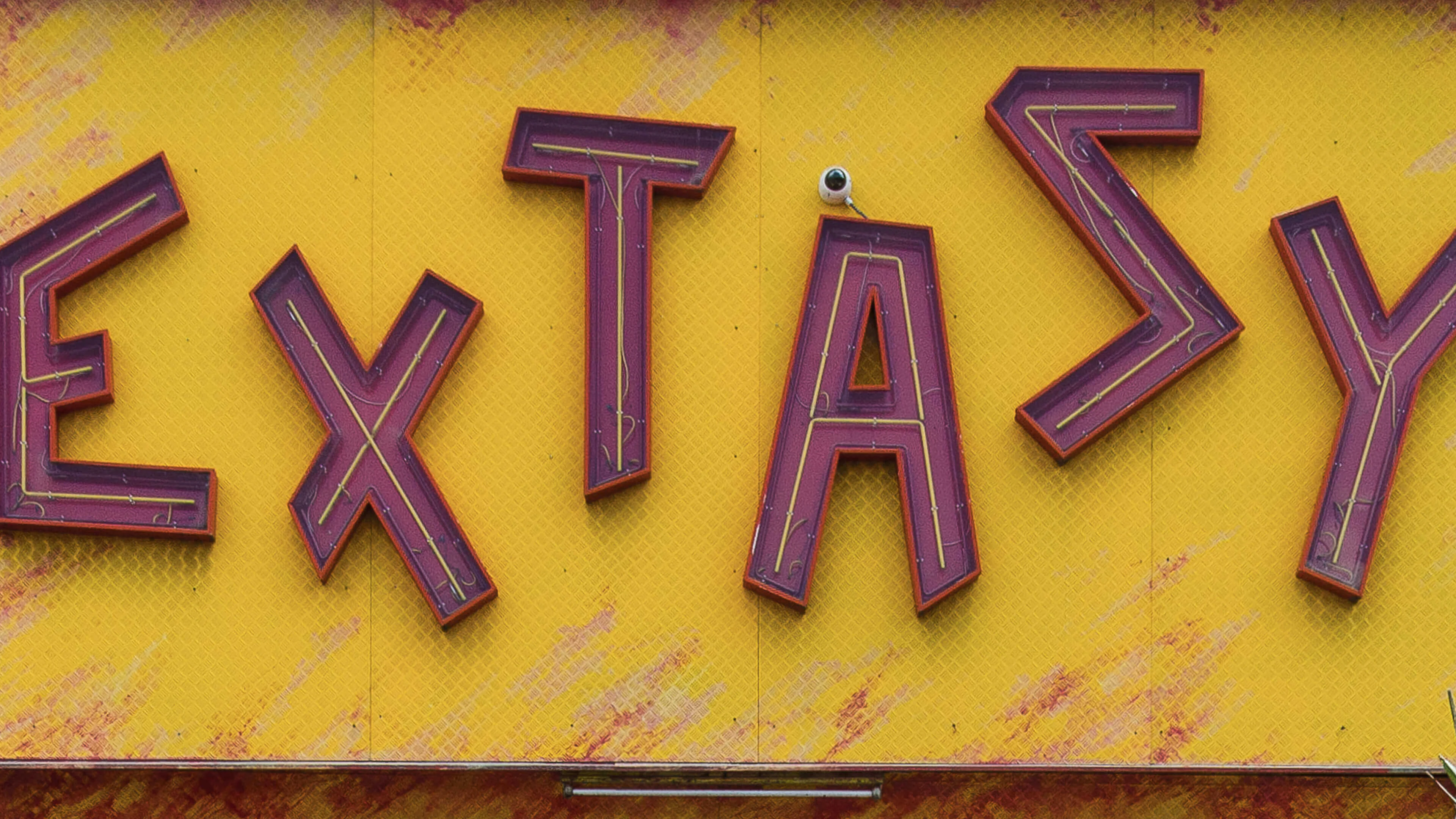
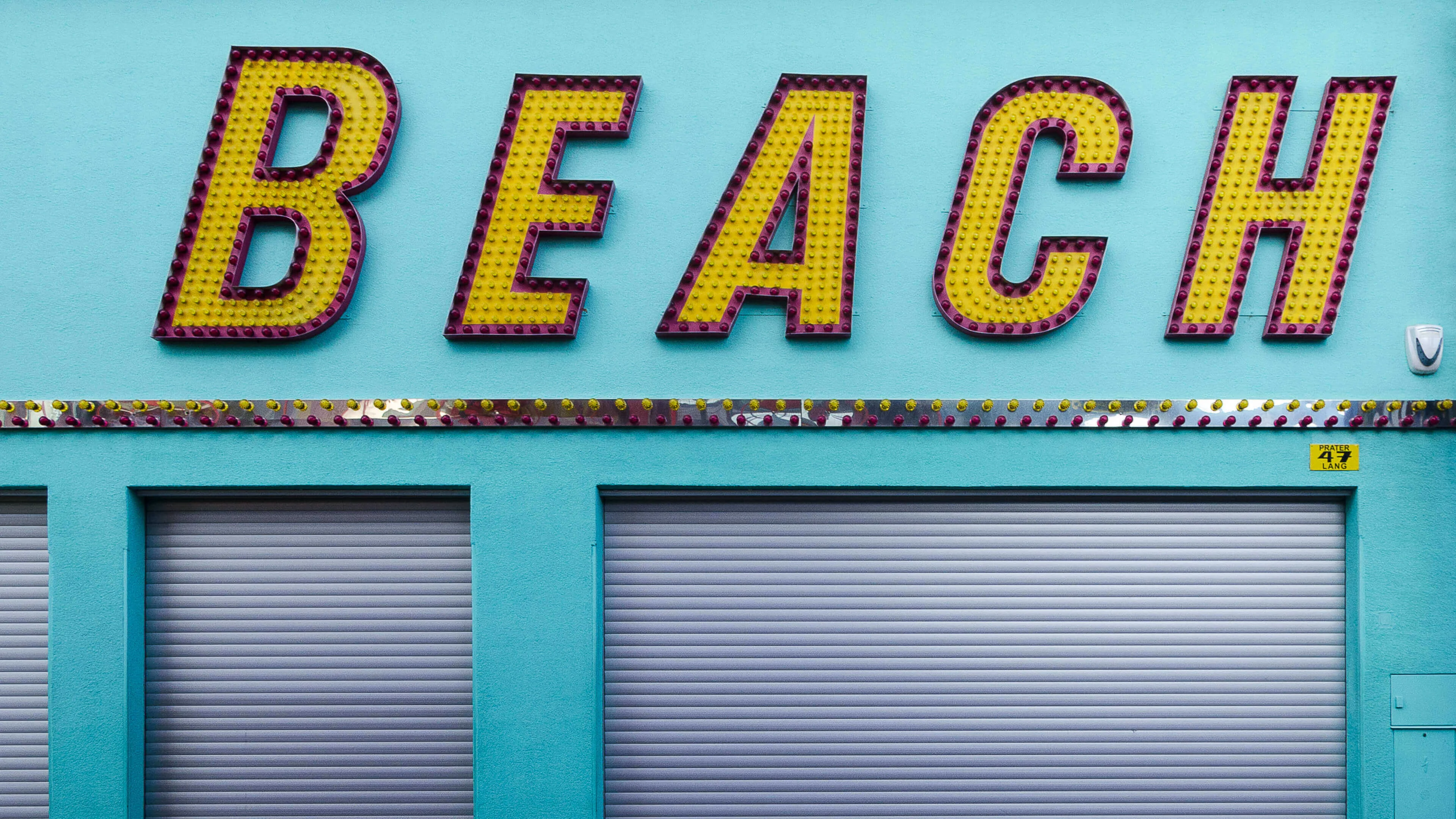
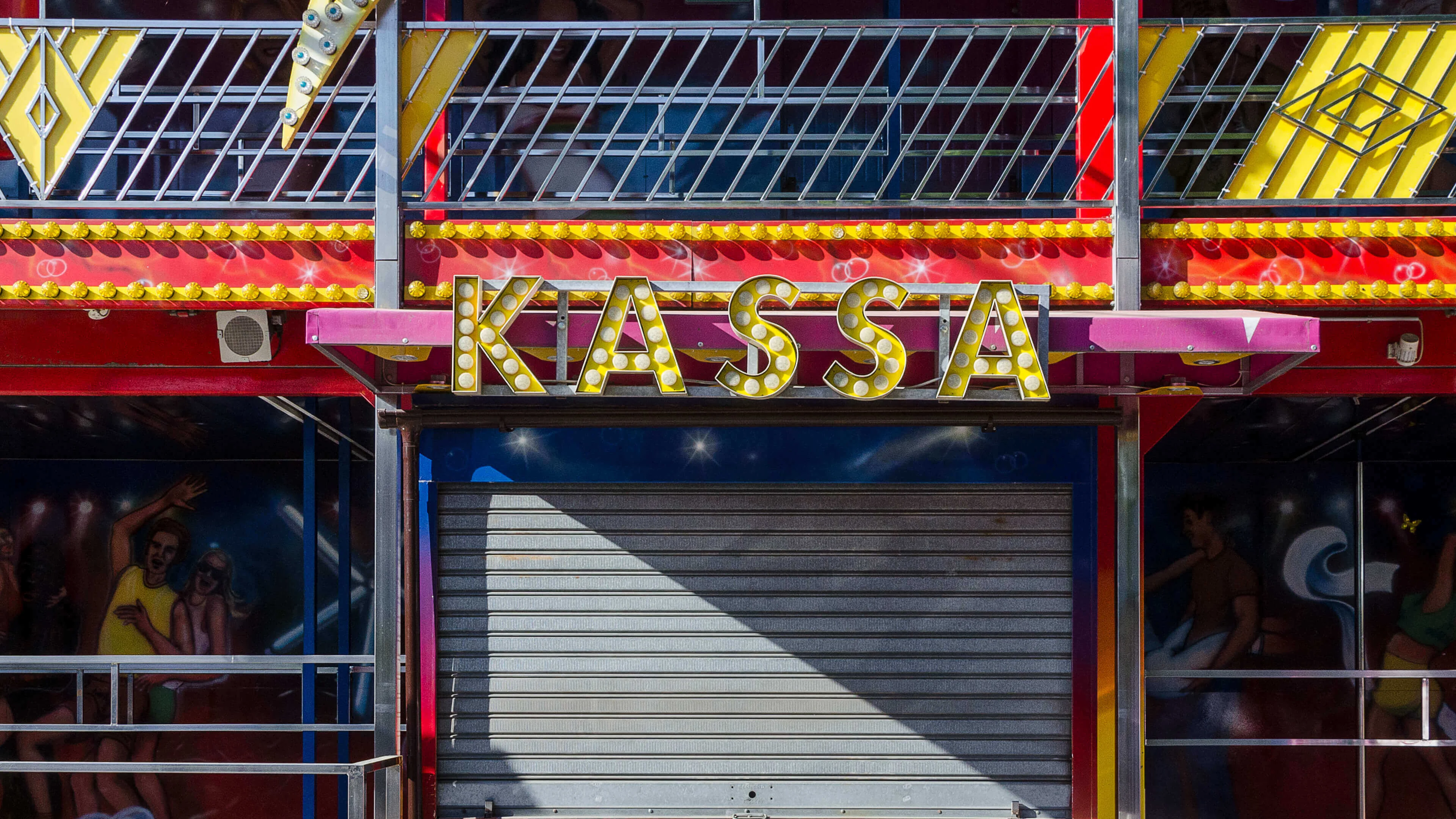
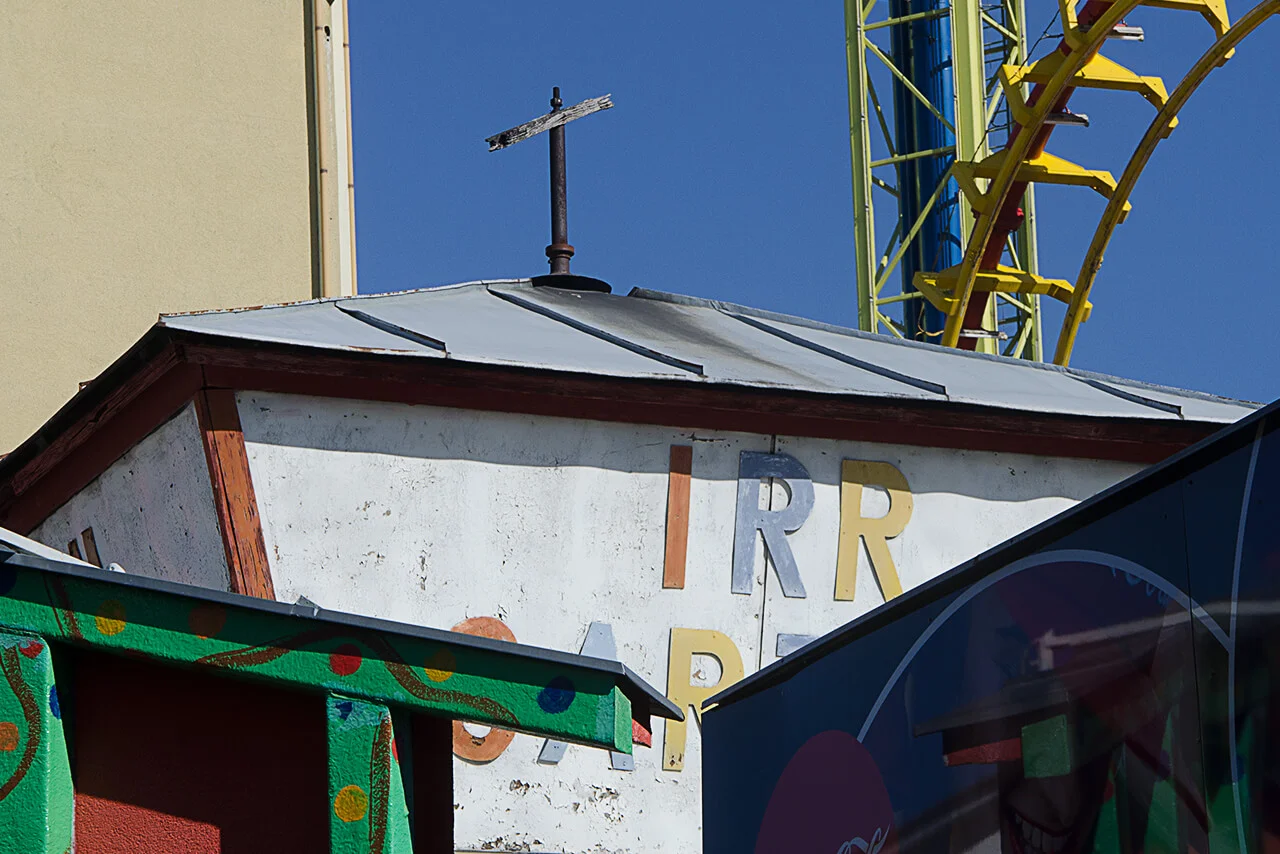
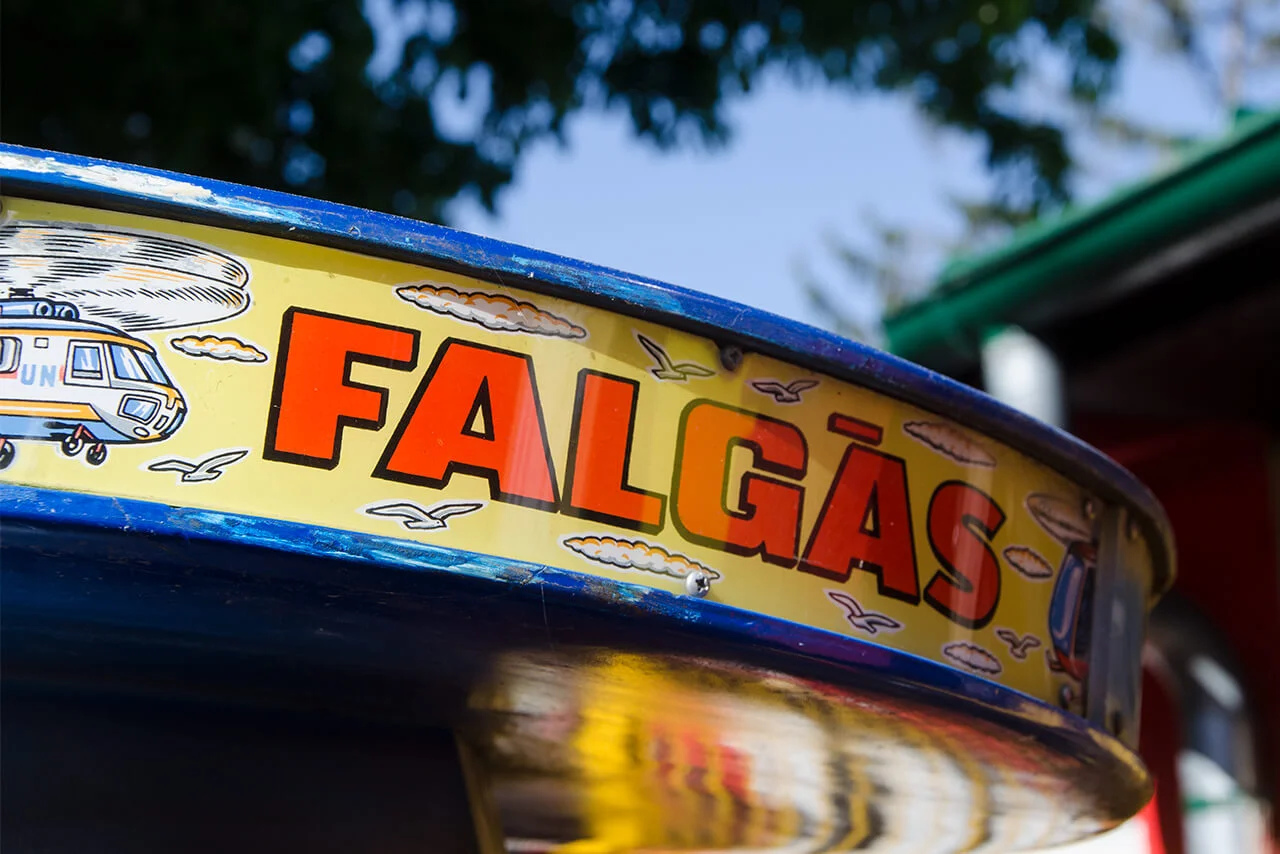
An Eclectic Typographic Mix Across Seven Decades
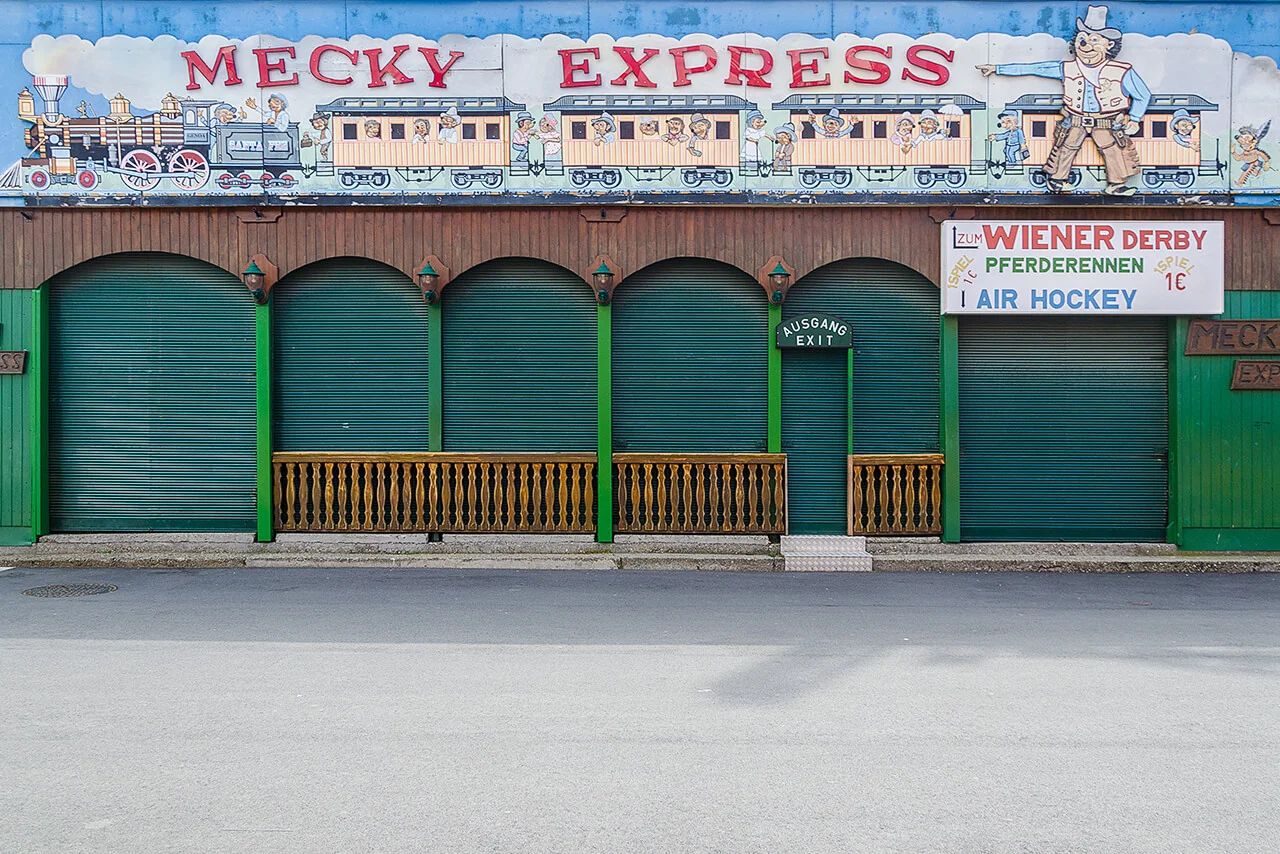
The attractions of the amusement park are operated by family dynasties, some of which have been rooted in the Prater for more than 150 years. The structures of ownership are far from transparent (as explored, for instance, in the Addendum investigation “Wem gehört der Prater”). Loosely organised within the association of Prater entrepreneurs, they operate autonomously and without central direction. This may help explain why the Prater has evolved into an amusement park of differing temporalities. While each year the press celebrates ever taller, faster, and more daring rides, older, more contemplative attractions persist tenaciously in the margins. The Mecky Express, unchanged to this day, already served in 1973 as the backdrop for the video to André Heller’s song “Schnucki, ach Schnucki.”
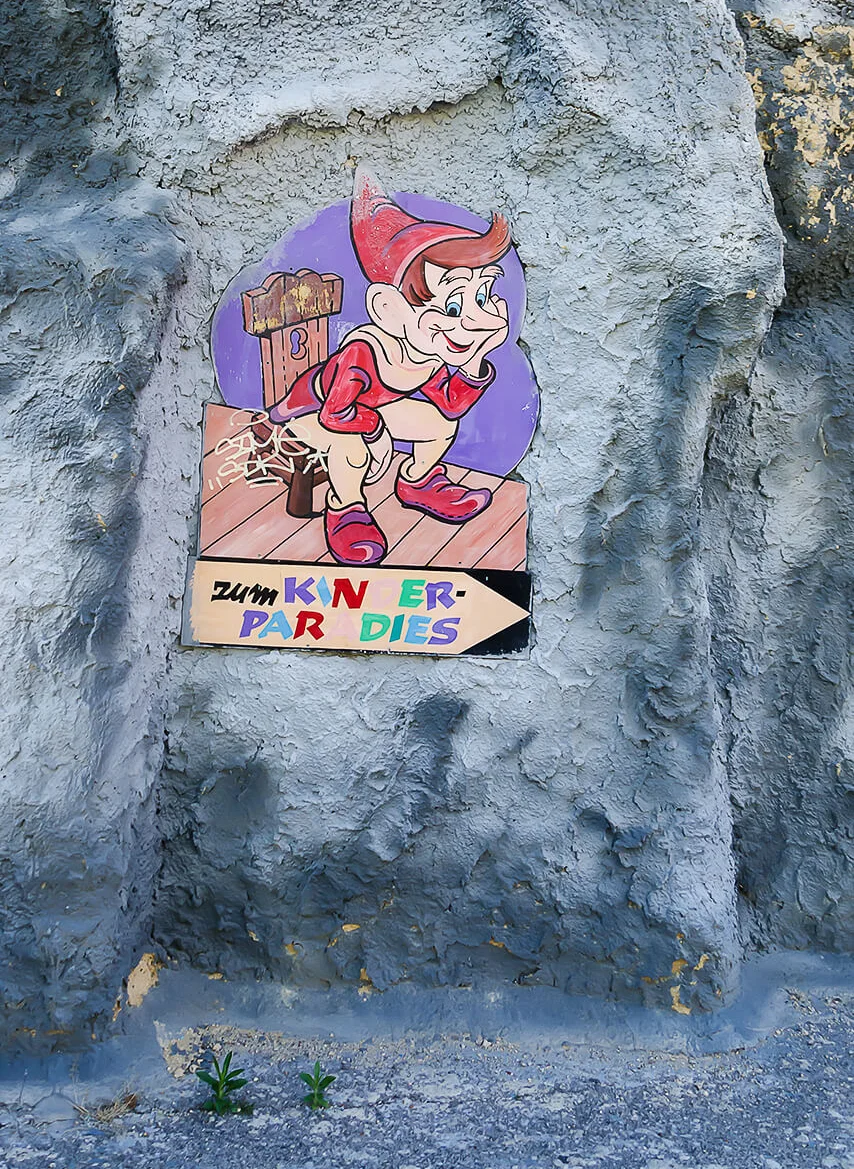
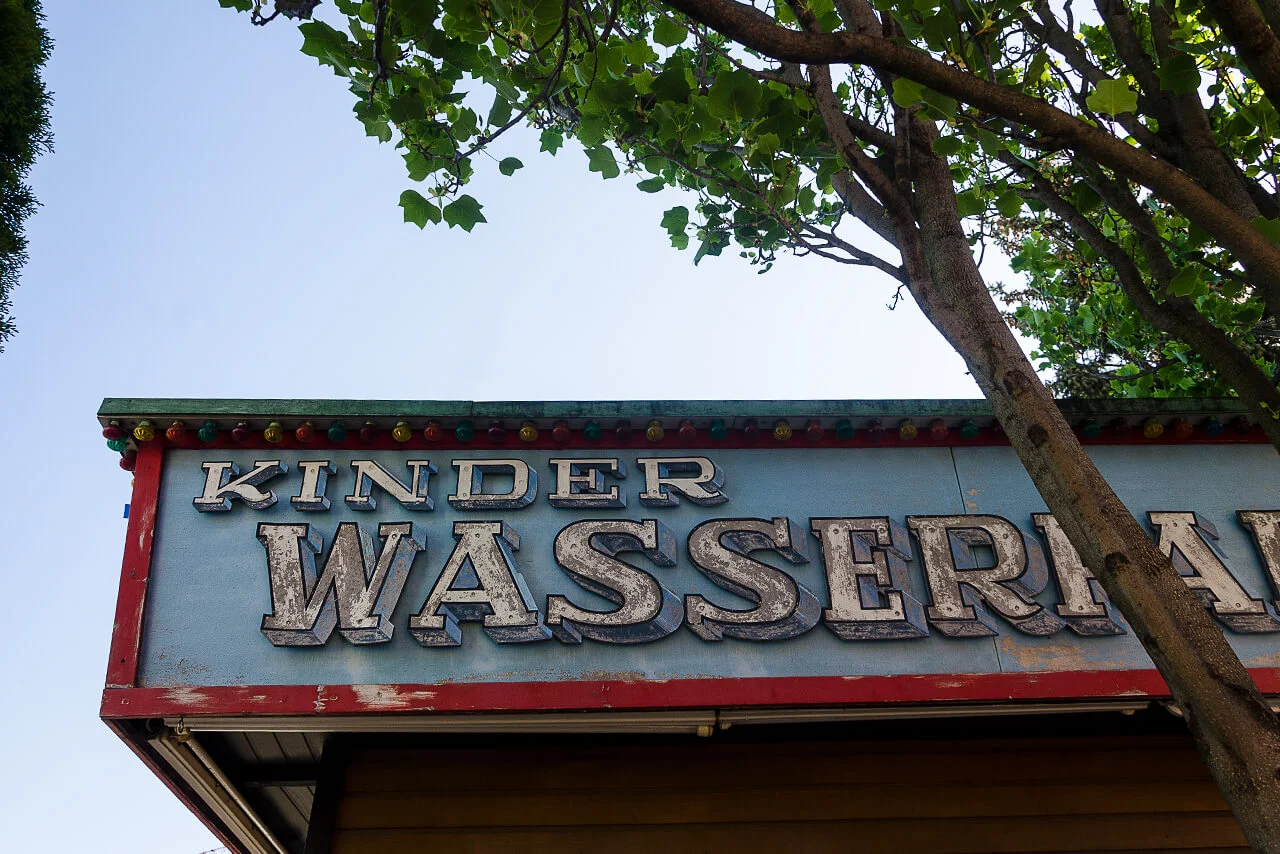
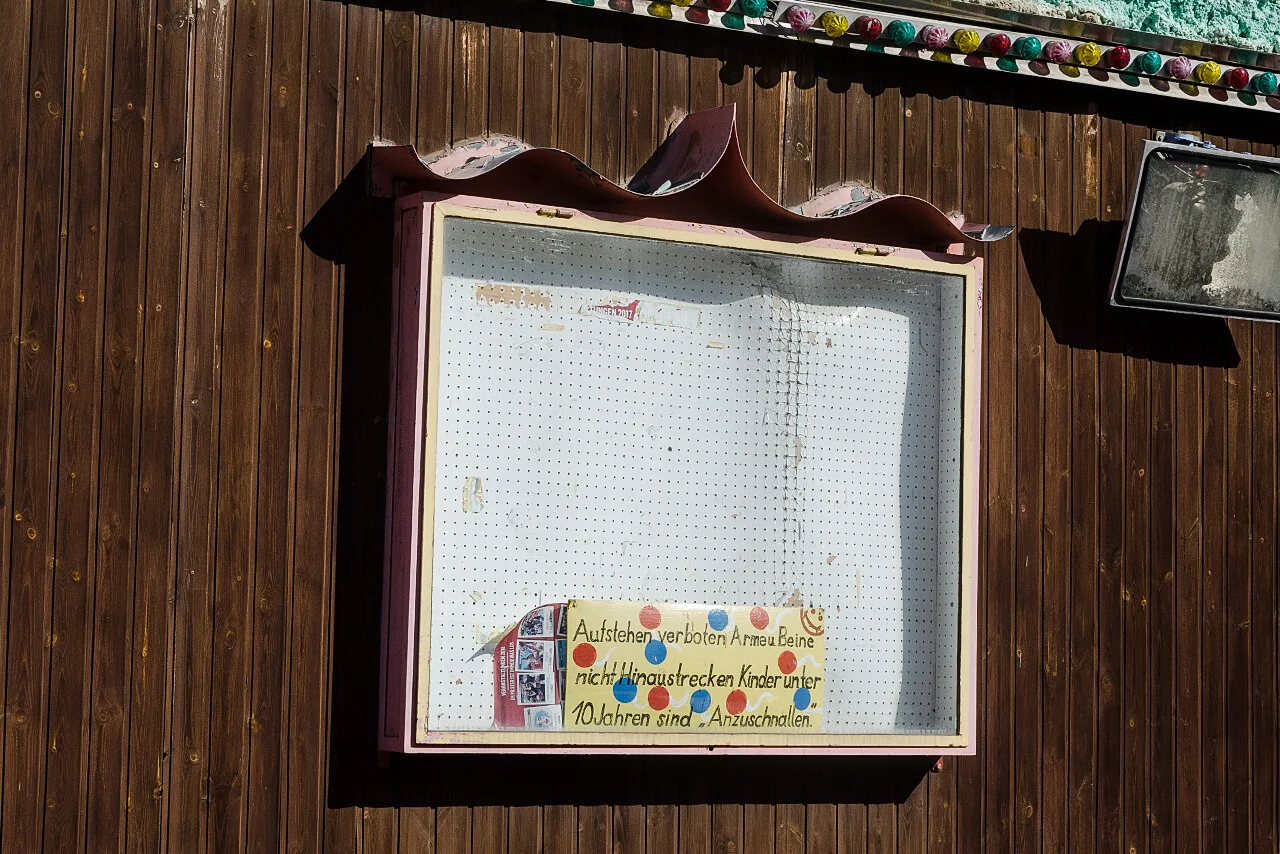
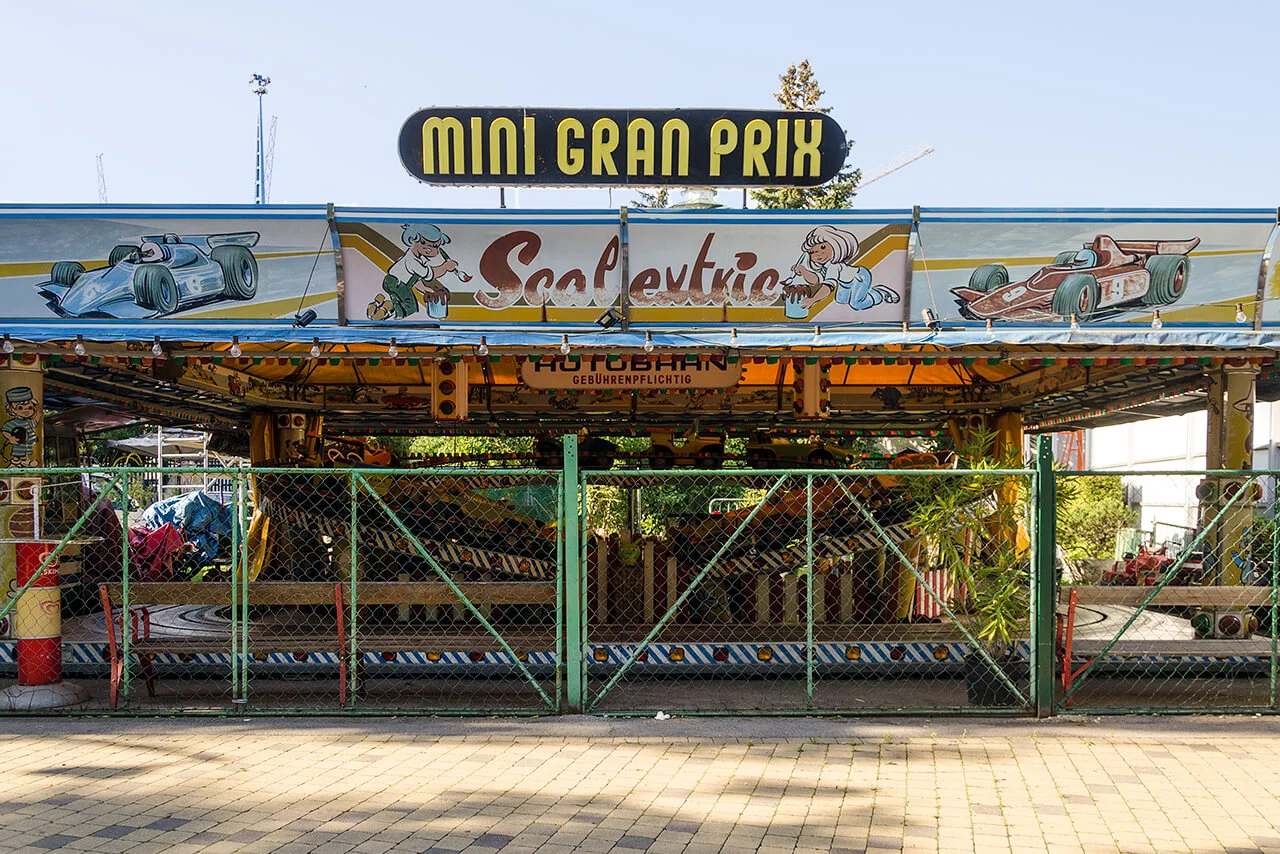
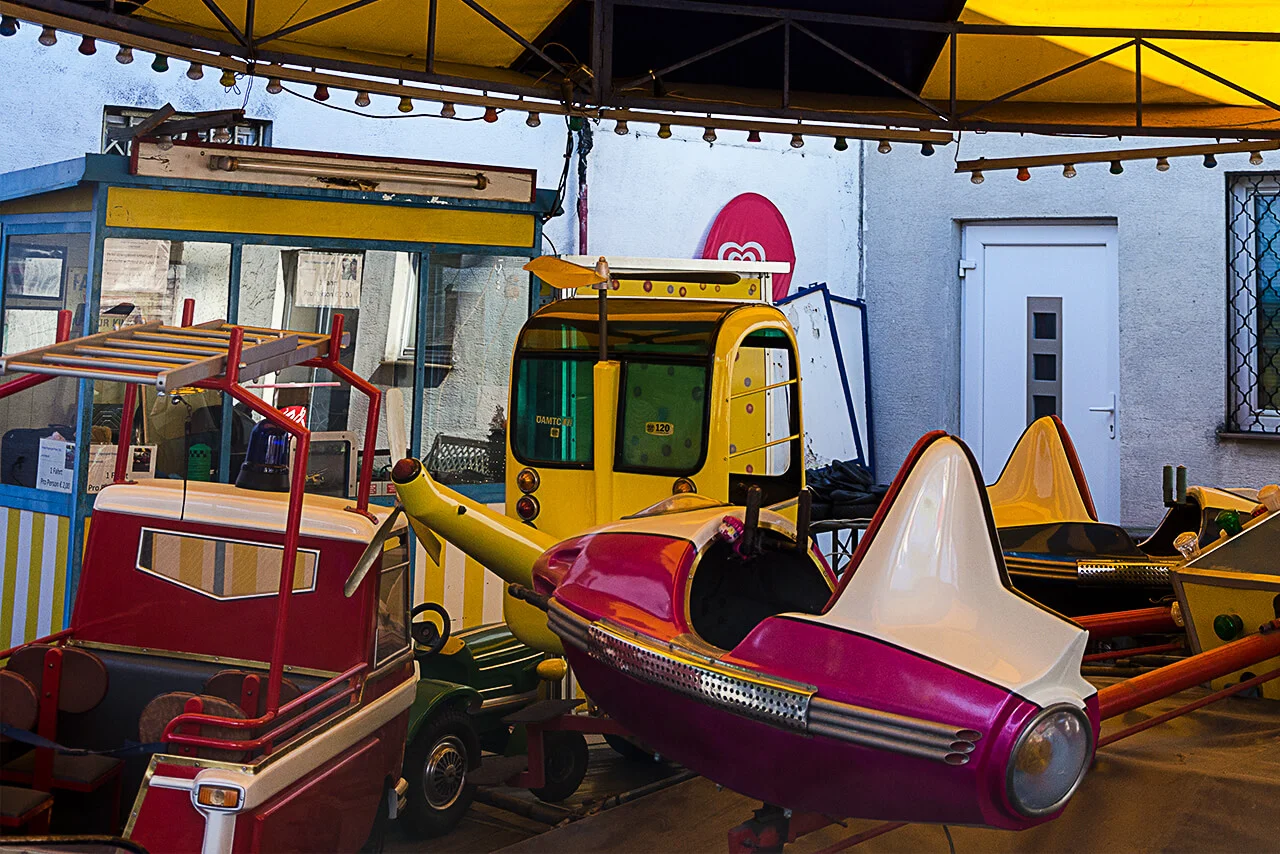
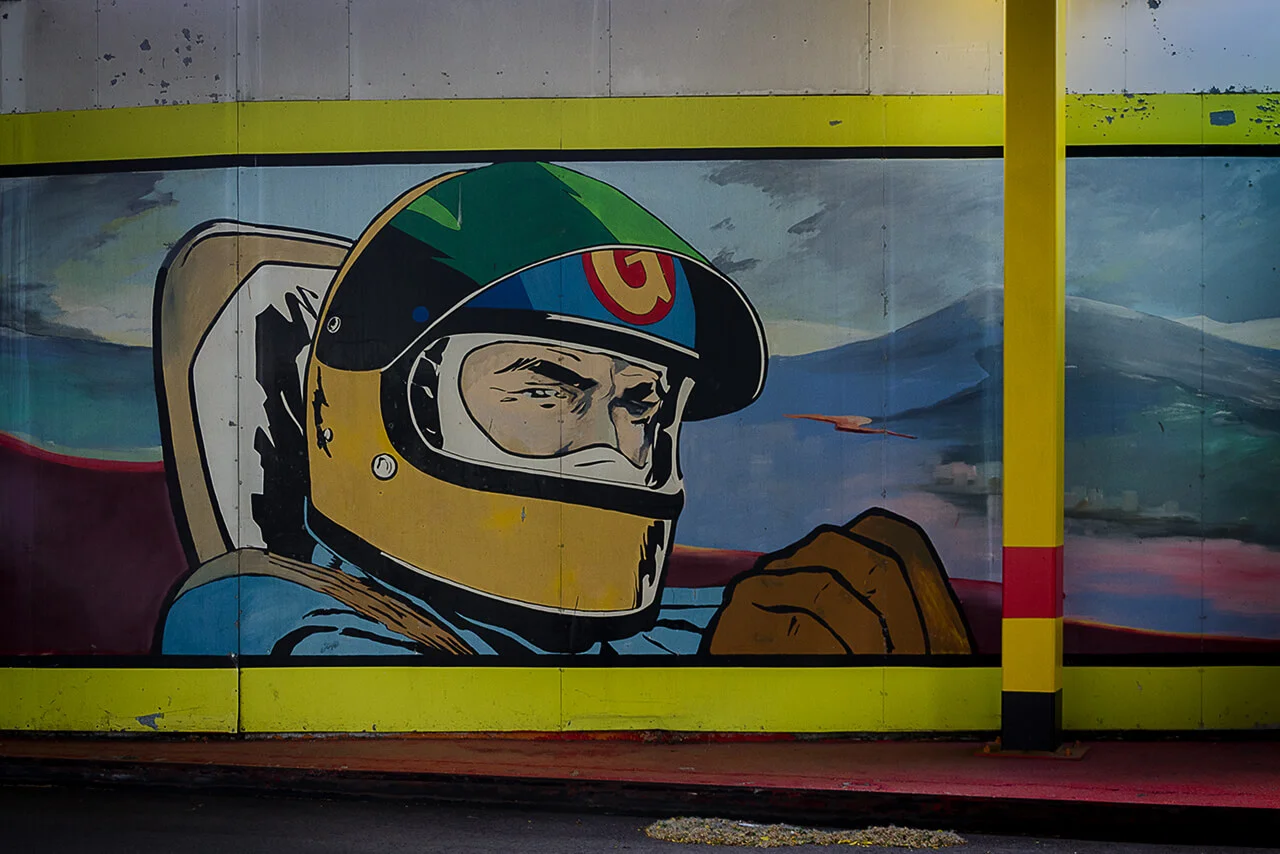
Alongside this continuity runs a rich layering of typographic fragments that recall the 1950s, when the Prater was rebuilt following its destruction in the final weeks of the war. Attractions for younger children, in particular, seem in no hurry to adapt to contemporary aesthetics: racing cars still bear the names of Formula One drivers whose careers ended in the 1980s, while fuel is dispensed beneath the emblem of a brand that disappeared from the market at the close of the last century.
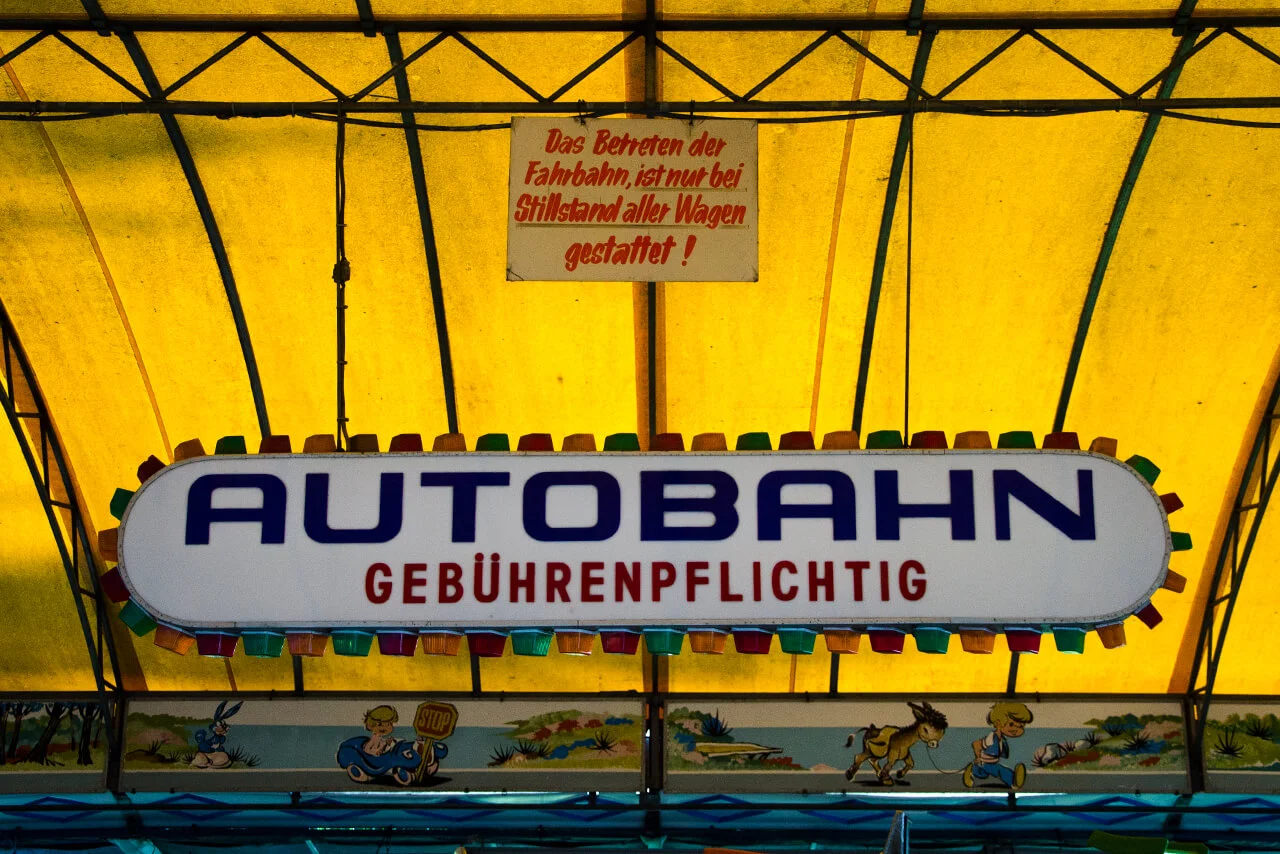

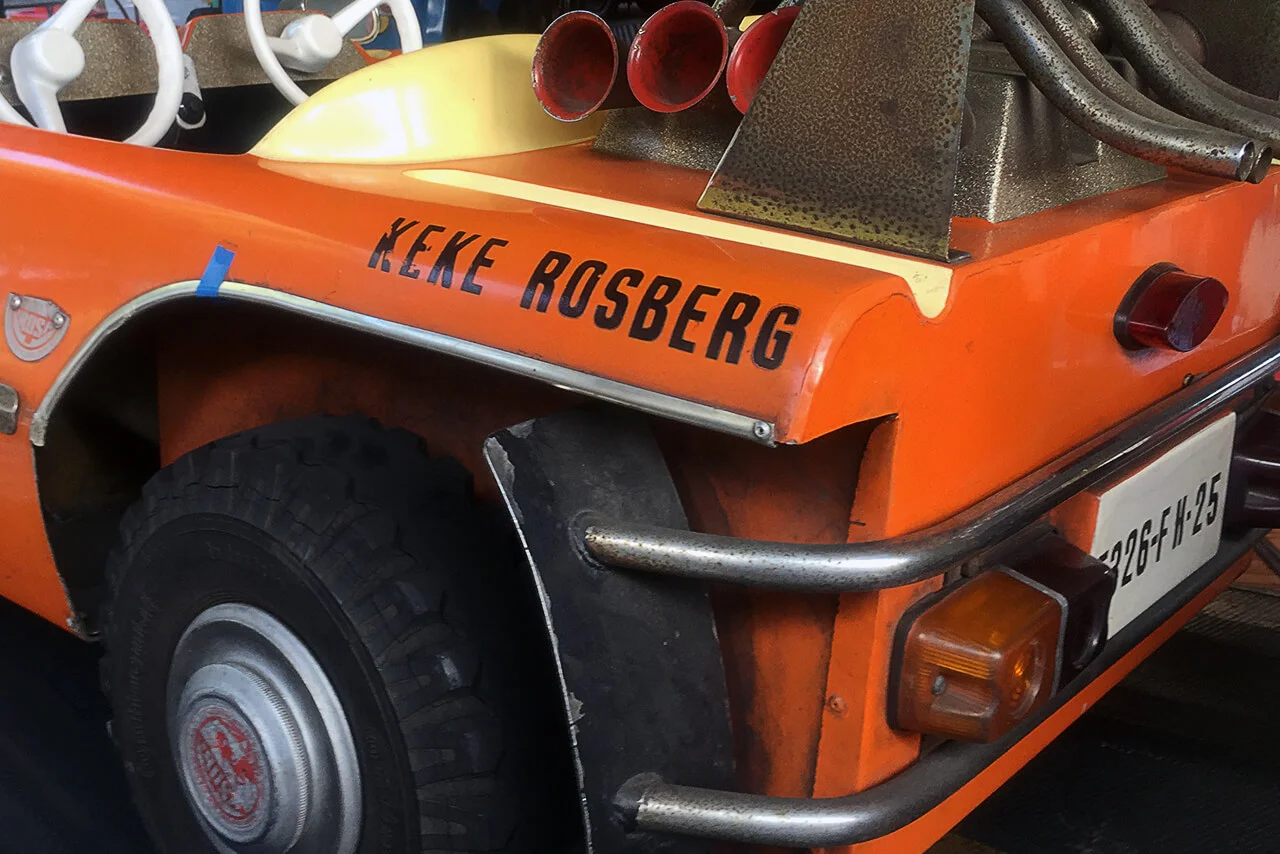

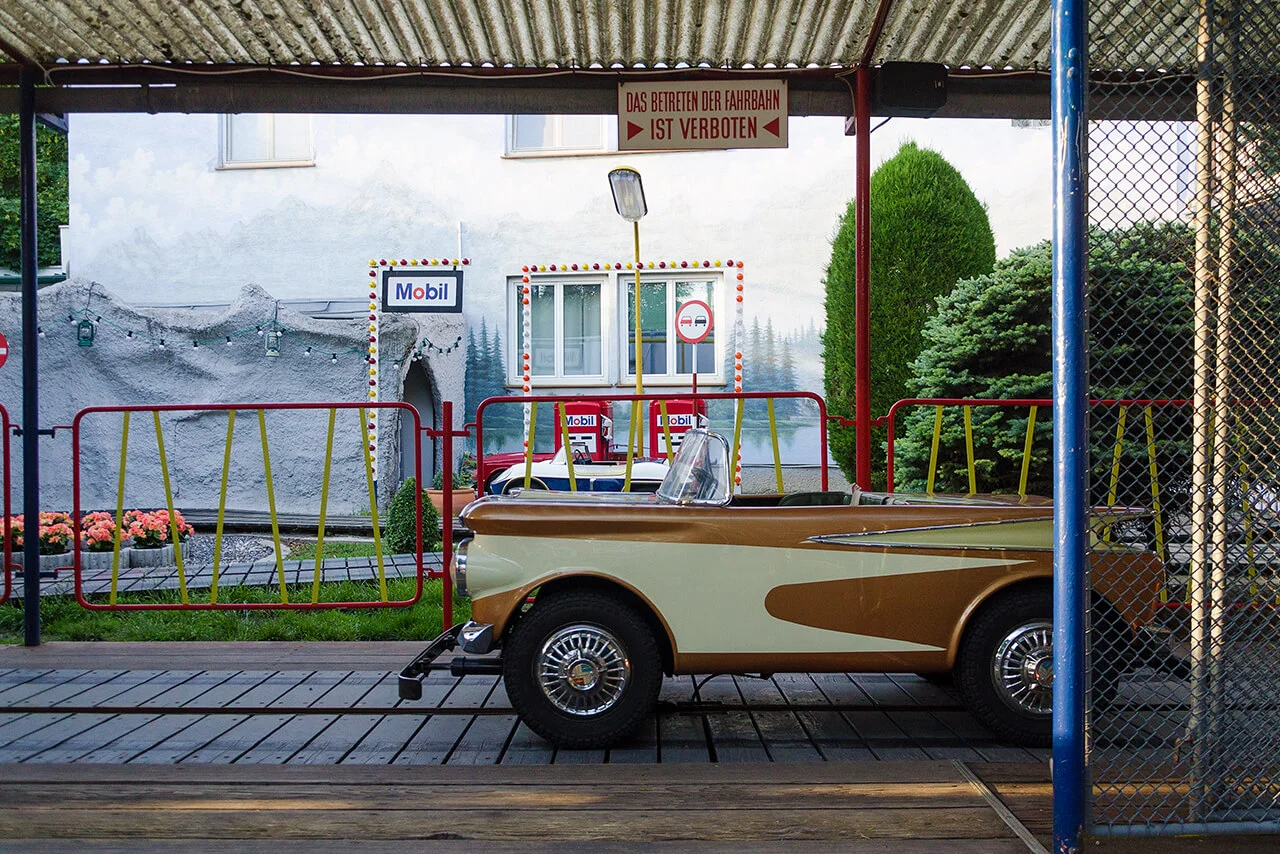
The Amusement Park as a Site of Constant Change
However evocative the older rides may be in their nostalgic charm, they cannot obscure the fact that the Prater is in a state of continual transformation. Attractions are erected and dismantled; with each season, new and ever more spectacular rides are introduced. In between lie residential buildings, workshops, and storage spaces.
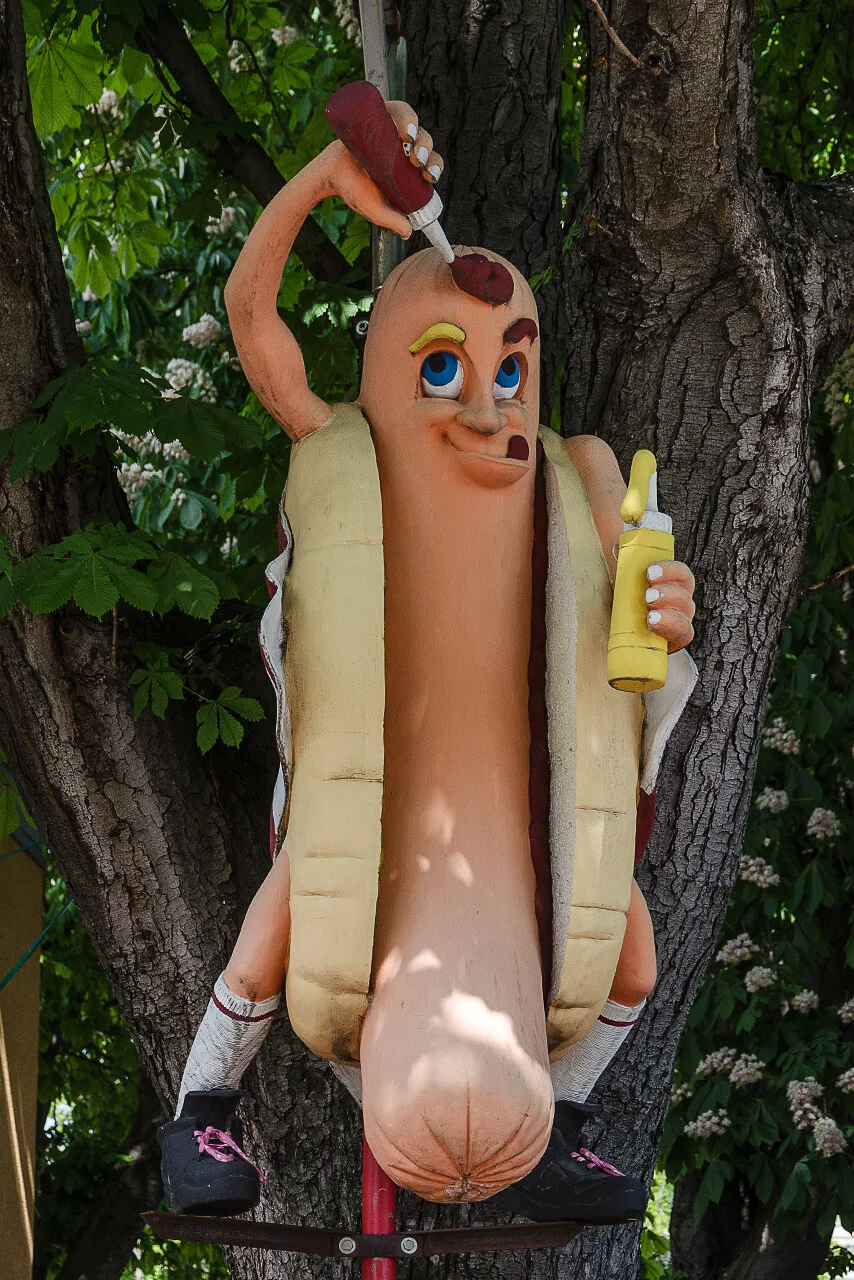
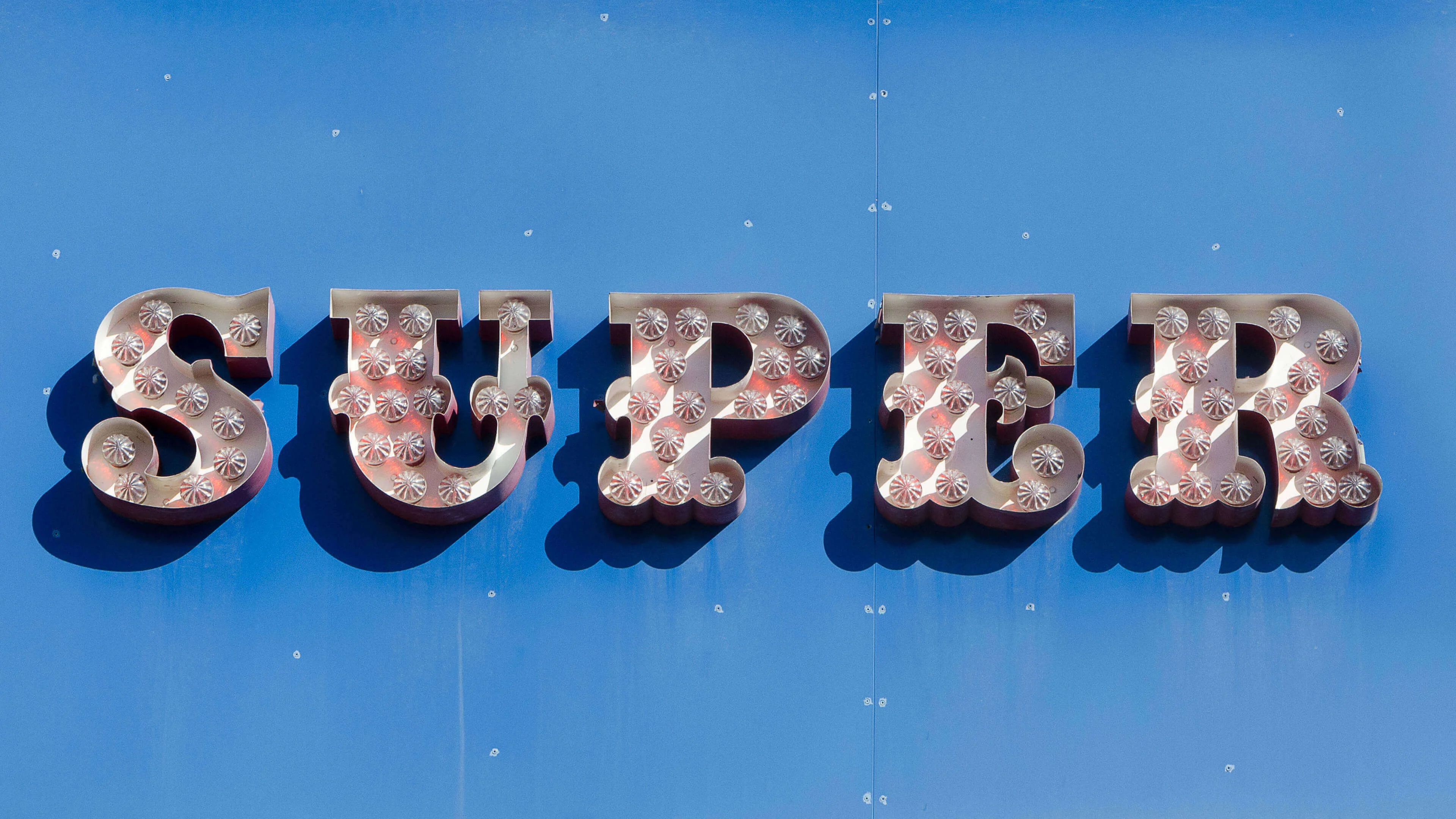
Here, things are repaired, refurbished, and maintained—new alongside old, forming a curious Viennese mélange. From the identity-shaping façades to the smallest details of the rides, these visual layers, usually overshadowed by the bustle, emerge during the stillness of the lockdown with an unexpected clarity, each accorded equal presence.
The 1980s:
Prater Rogues Between Autodrome, Arcades, and Peep Shows
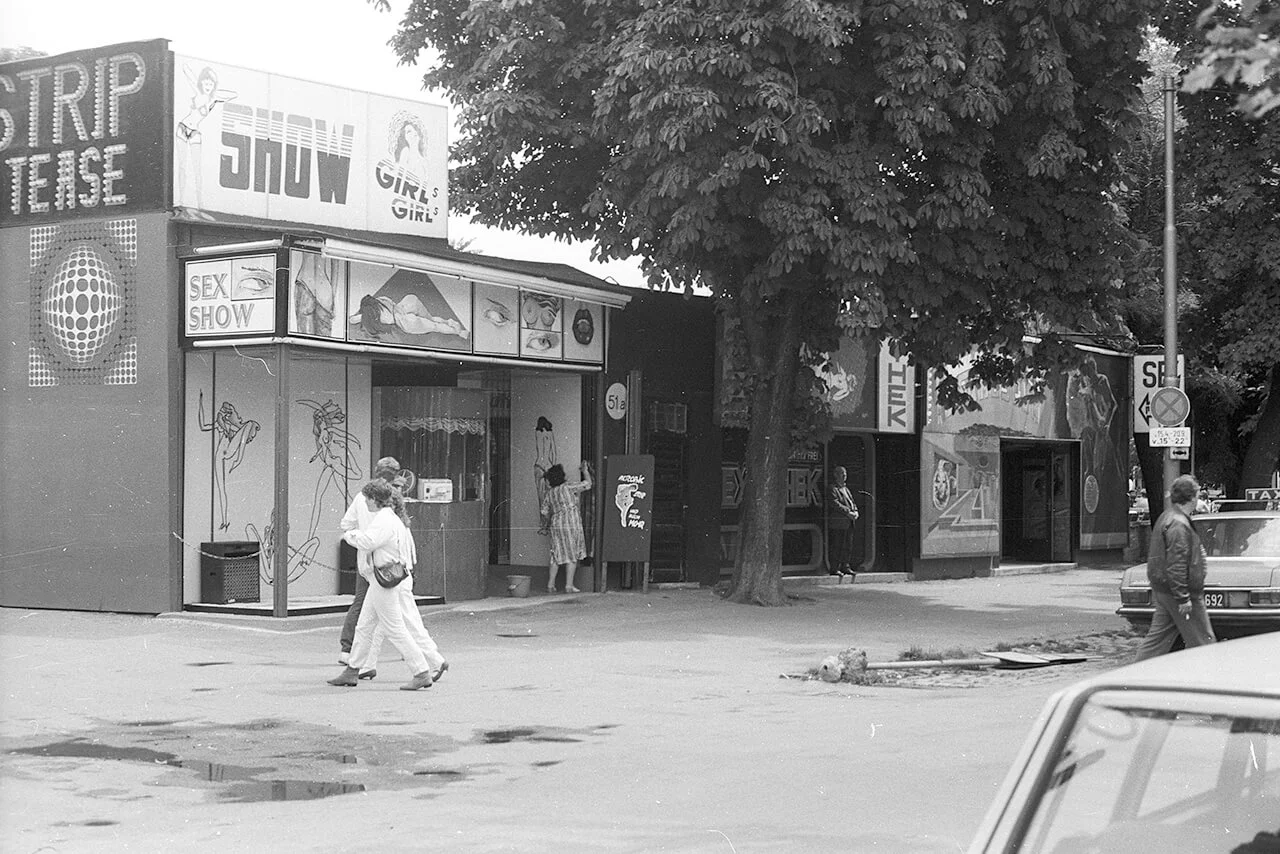
There was a time when the Prater carried a distinctly tarnished reputation and was largely avoided by families. From the late 1970s onwards, an increasing number of low-budget sex shows and amusement arcades began to appear. Together with prostitution in the Prater and its surrounding neighbourhoods, they attracted a new and markedly different clientele. Illegal gambling and organised gangs flourished; violent confrontations were frequent, at times even fatal. The term Prater-Strizzi came to denote the petty-criminal milieu that thrived between dodgems, gaming halls, and langos stands.
This parallel world exerted a strong pull on drifters and runaways from across Austria, while youth gangs found in the Prater an ideal meeting ground. Well into the 1990s, parts of the area remained firmly in the hands of “foreign” gangs such as the Red Brothers. Crime, youth gangs, and the often aggressive tactics of barkers at the show booths steadily eroded the Prater’s appeal as a destination for families.
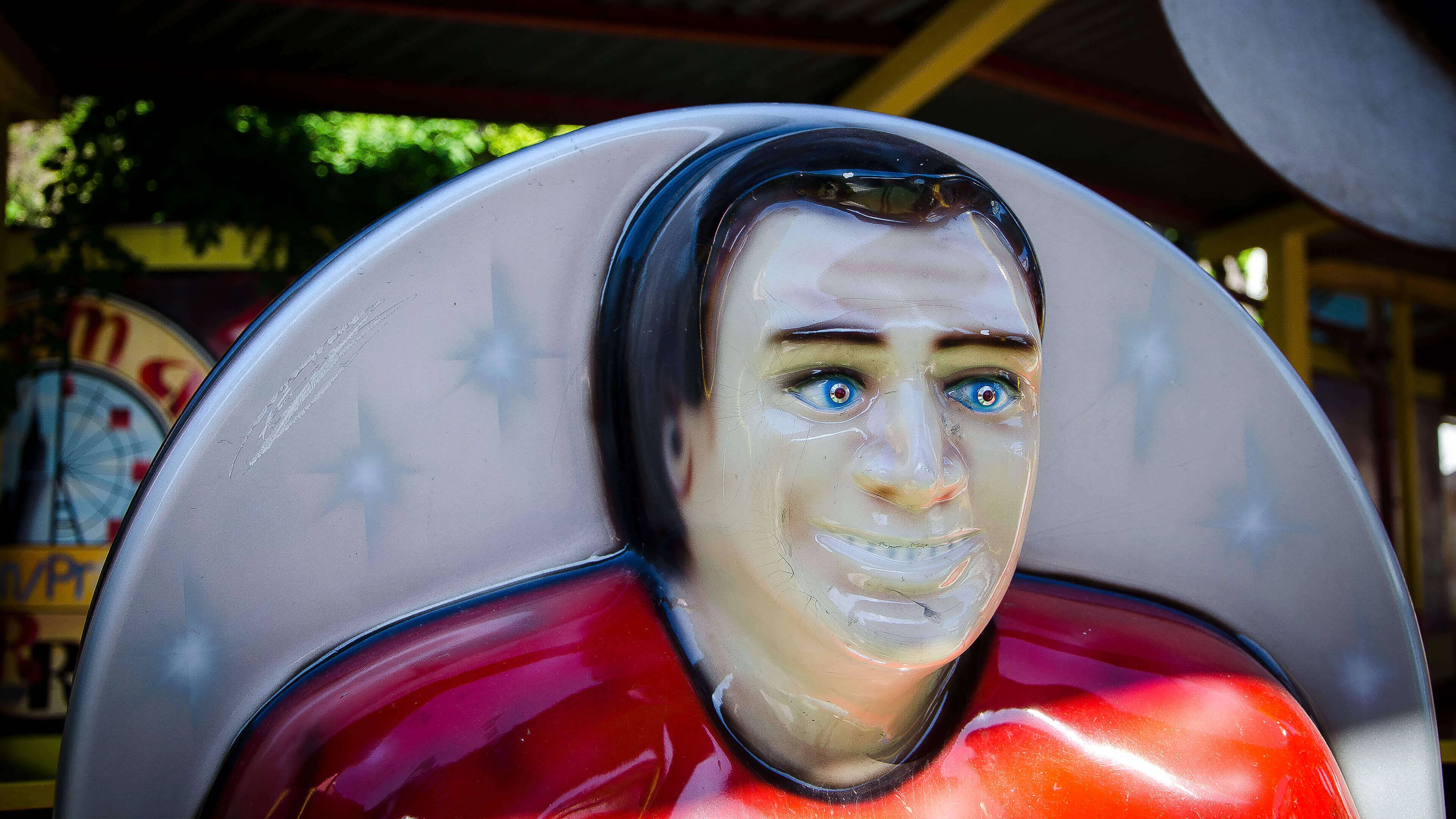
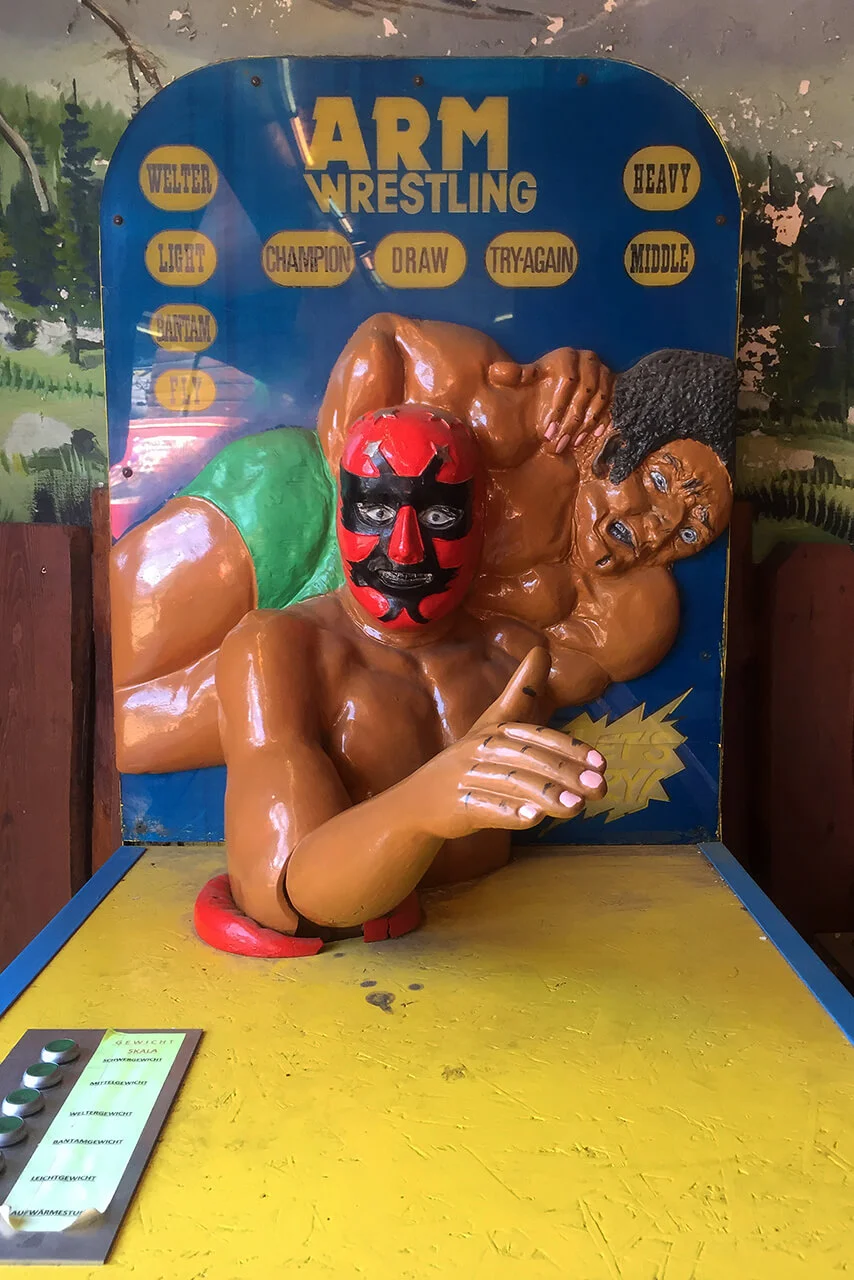
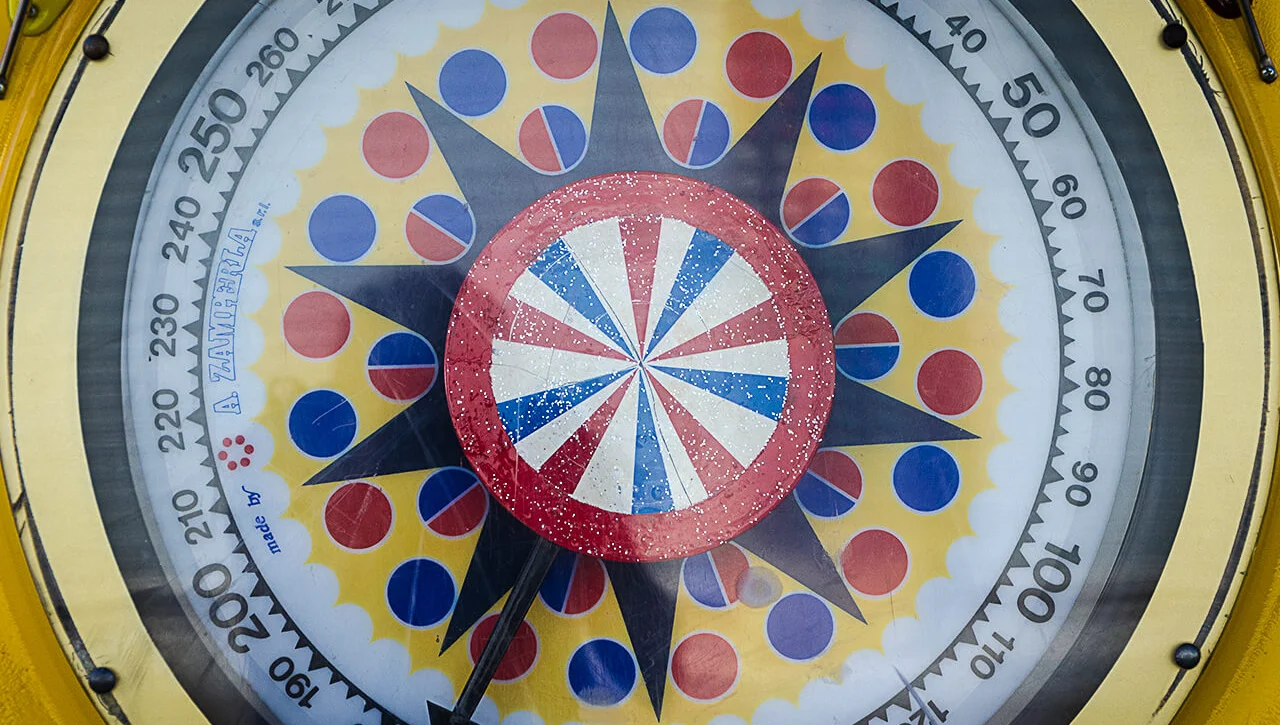
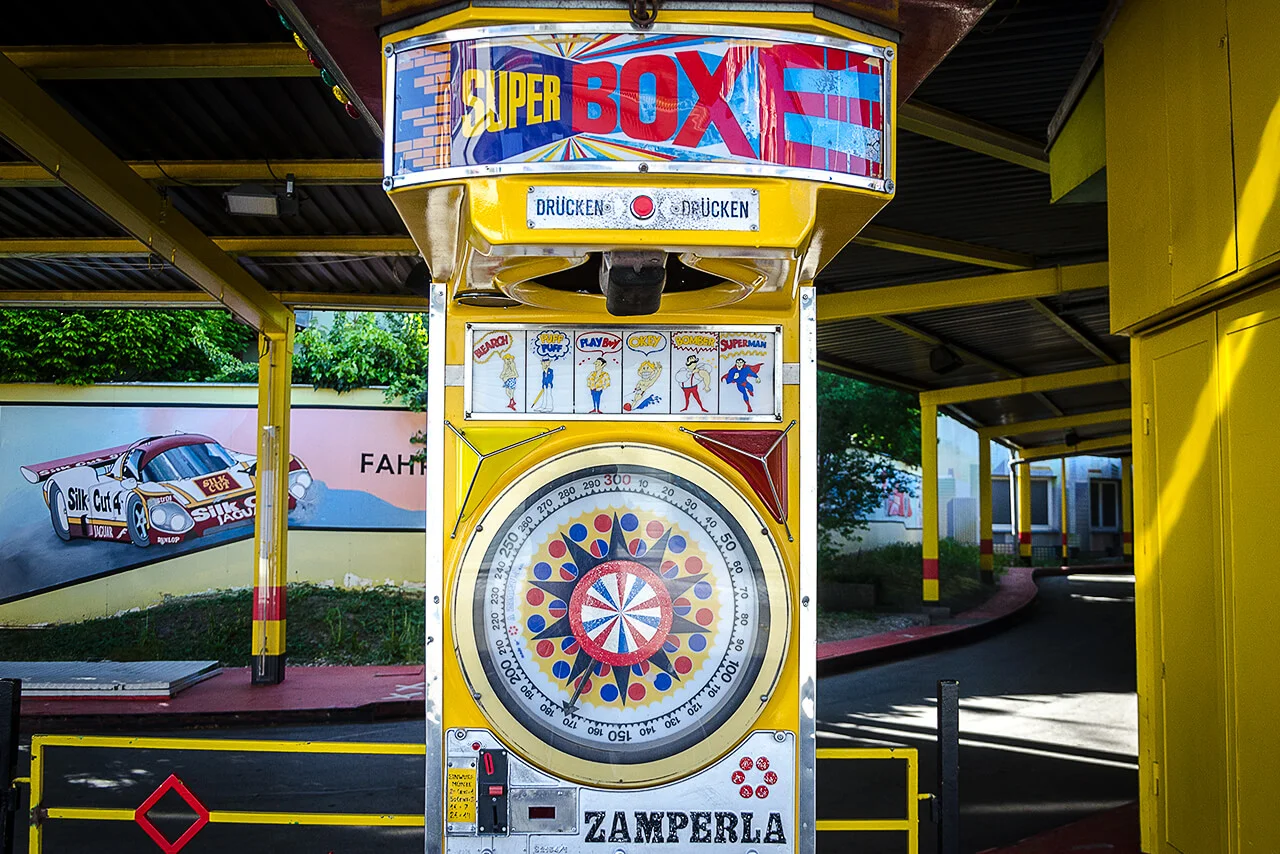
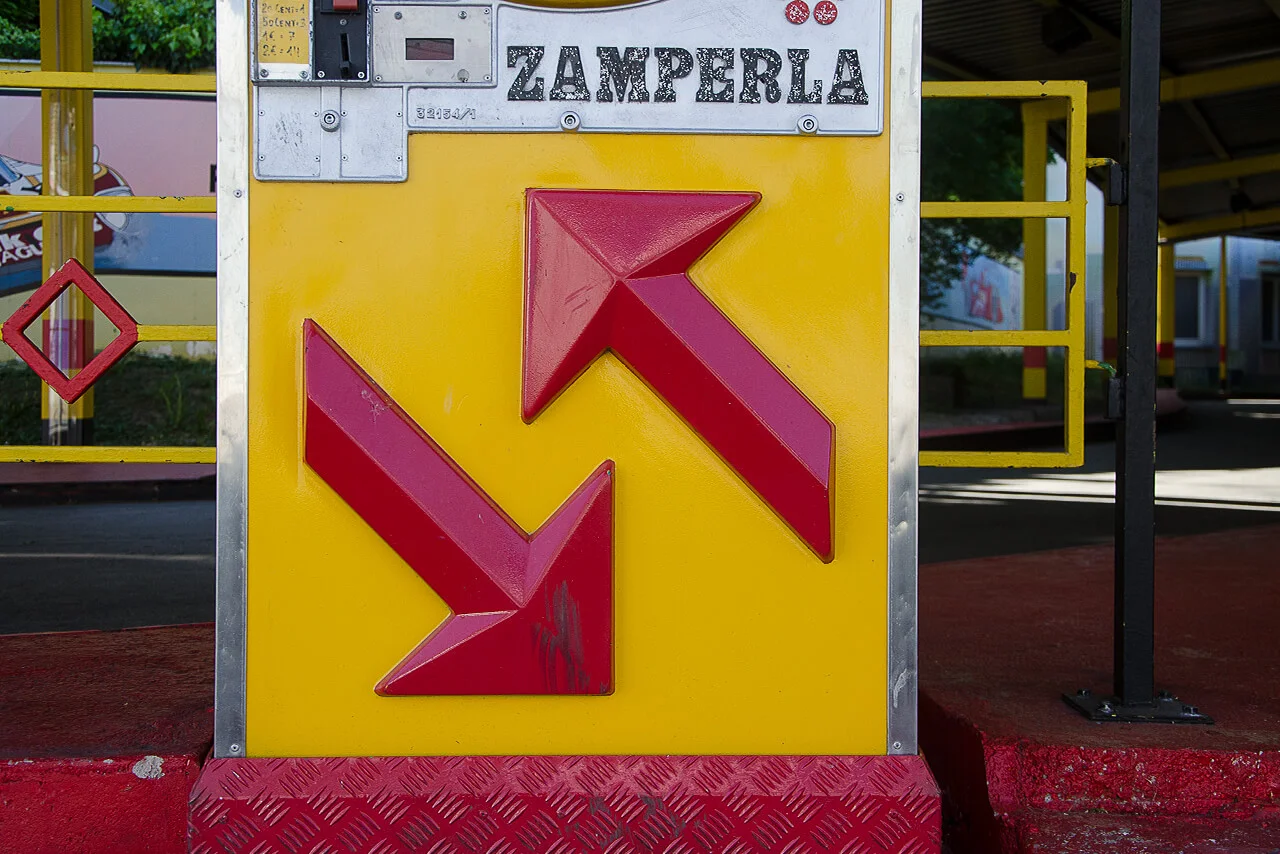
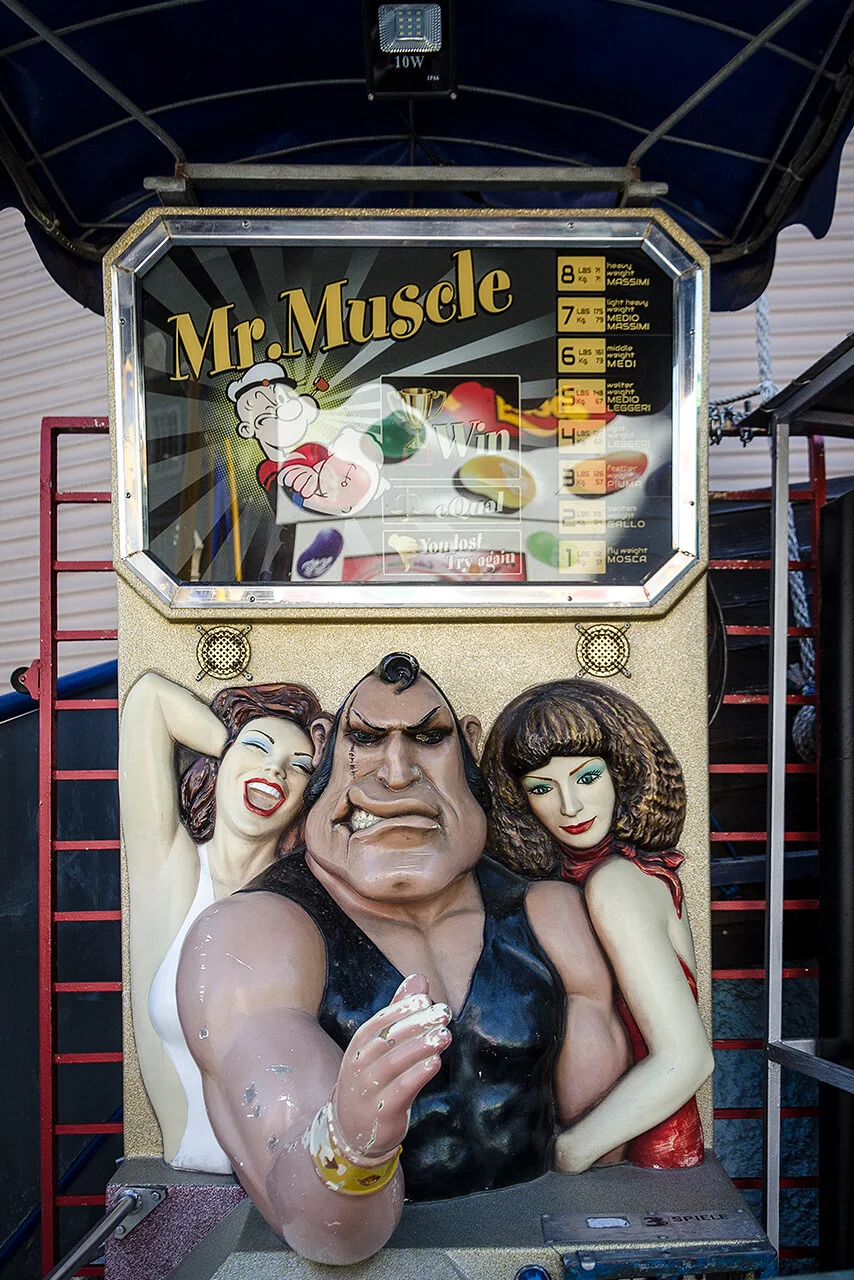
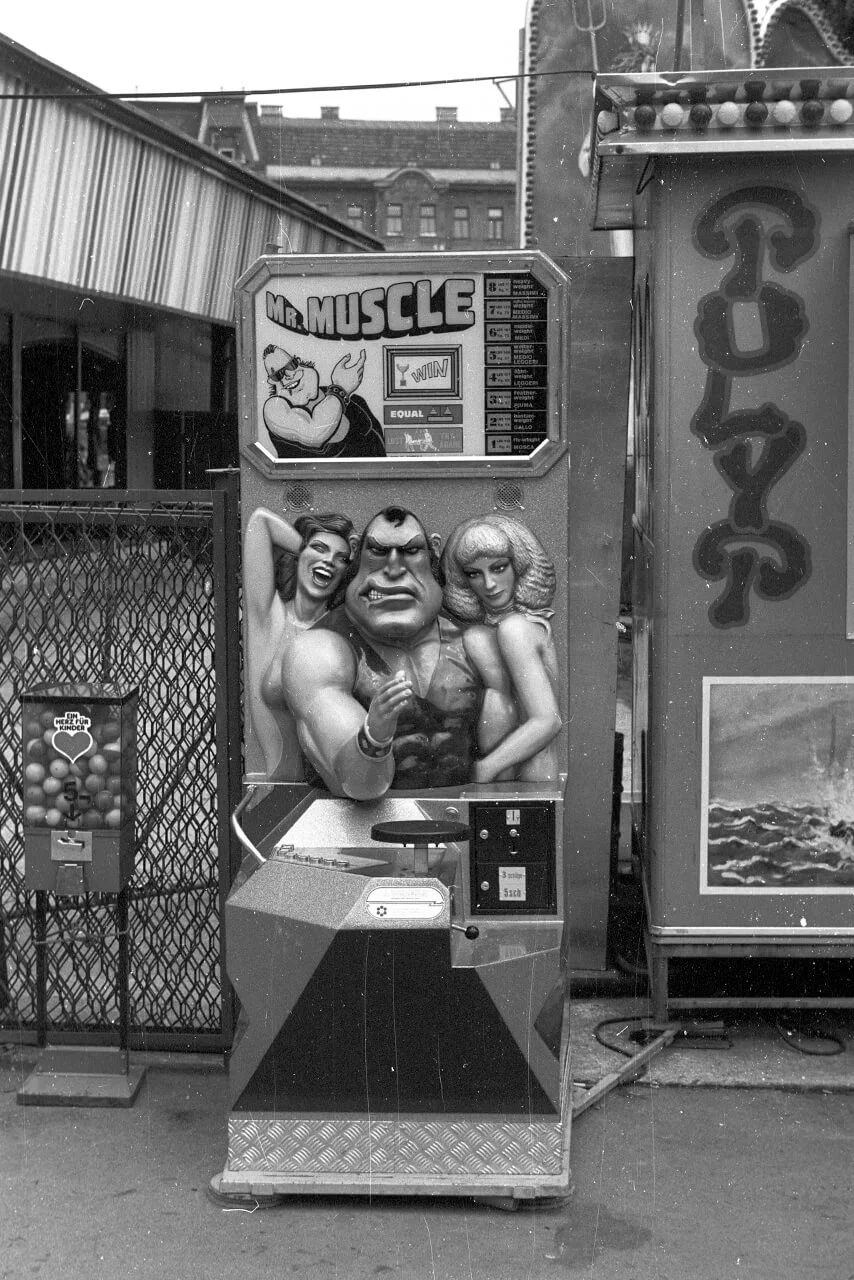
Traces of this period remain visible today in the numerous strength-testing machines—a long-standing Prater tradition, popularised by the iconic Watschenmann. While Mr. Muscle has undergone a somewhat incongruous visual overhaul, the machines produced by Zamperla continue to operate largely unchanged. The model shown below, incidentally, can also be found in the Kaeson Youth Park in North Korea.
Below: The Prater around 1984, amateur film (excerpt)
Thrills in the Ghost Train
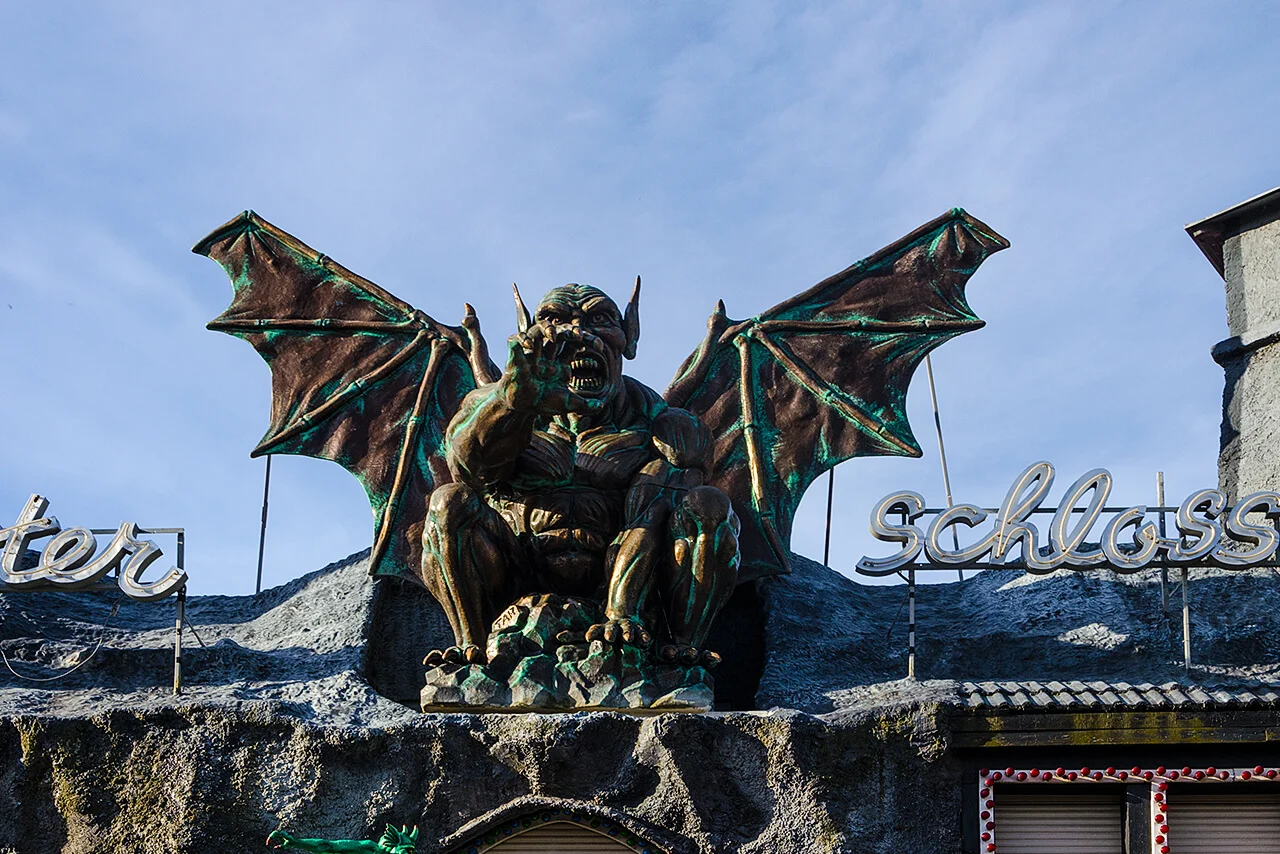
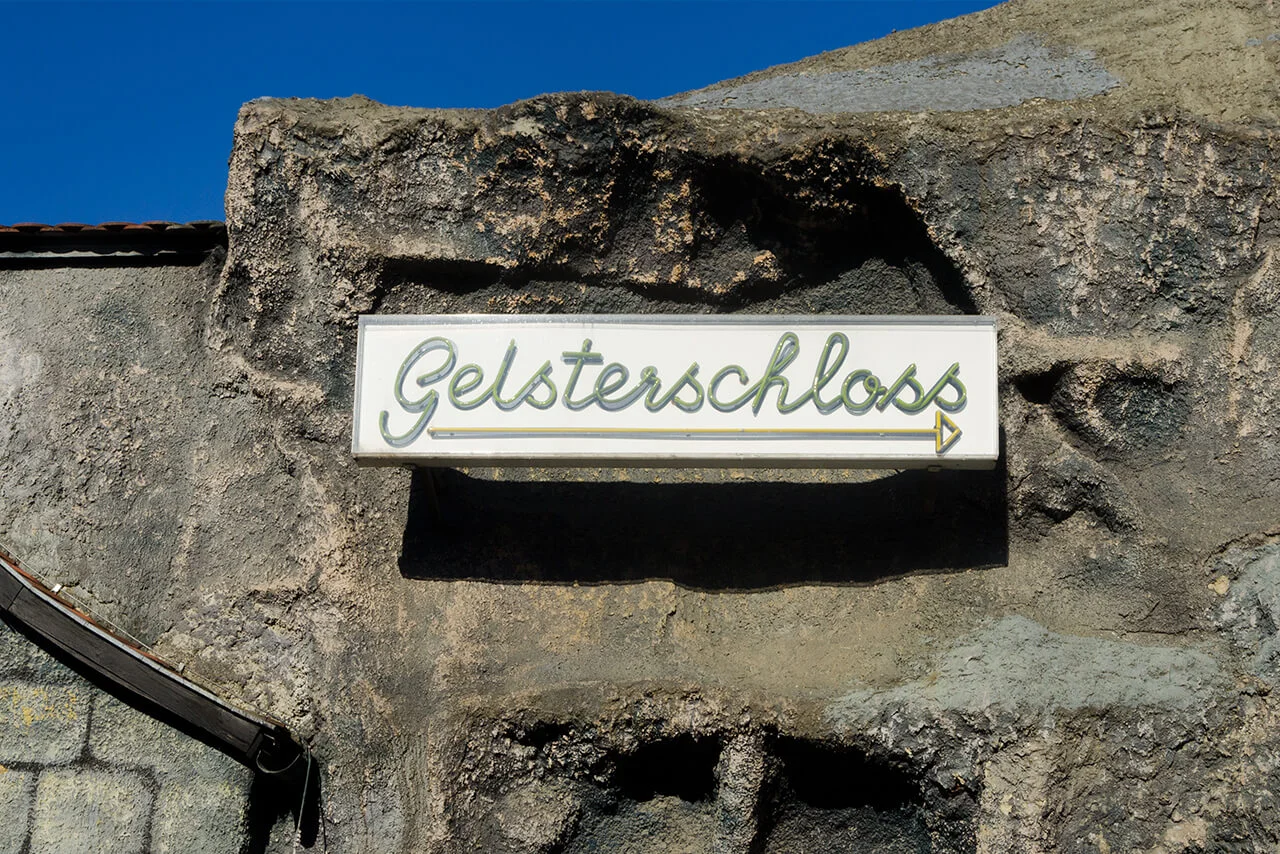
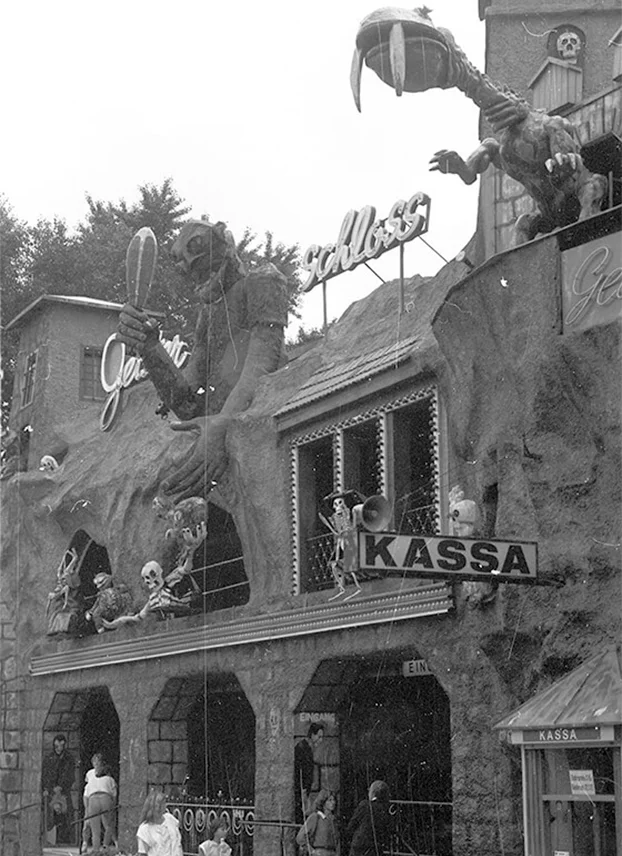
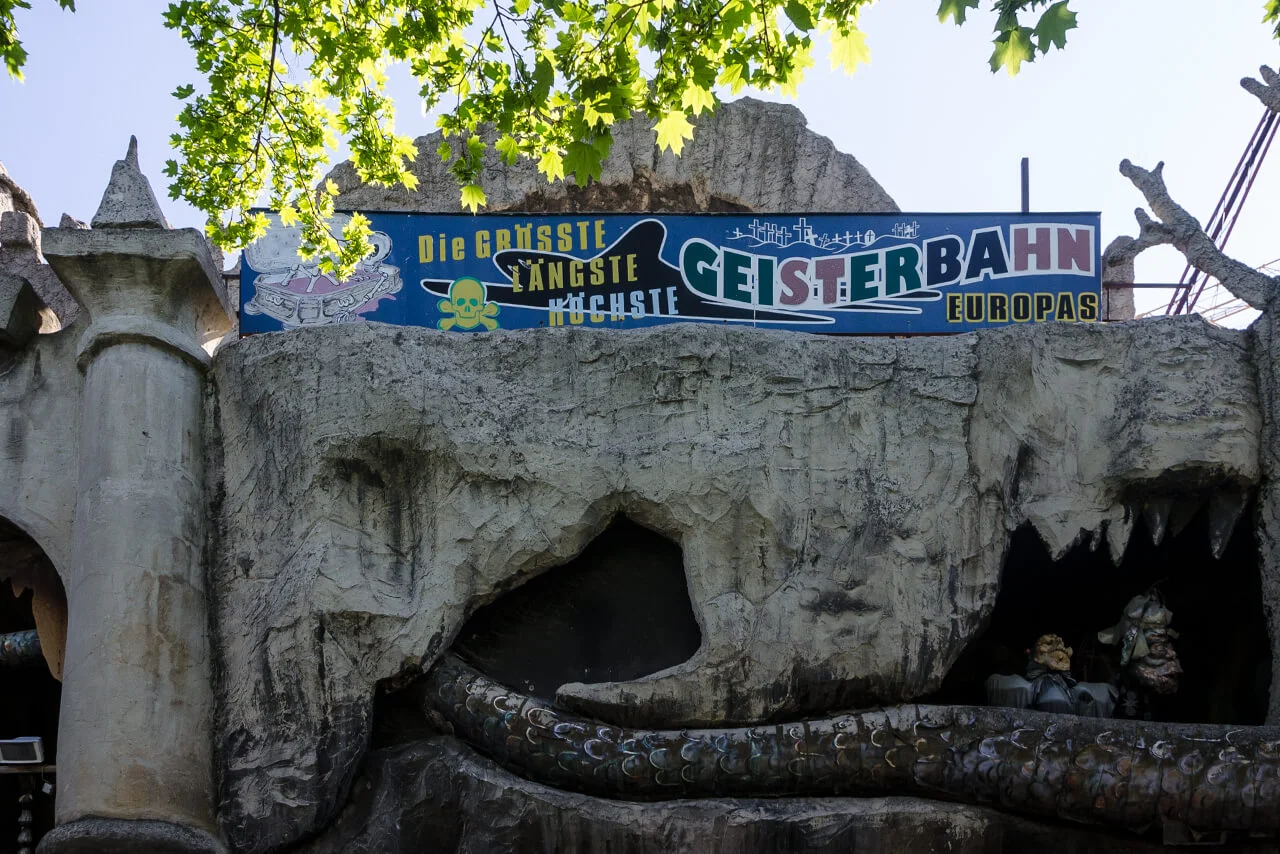
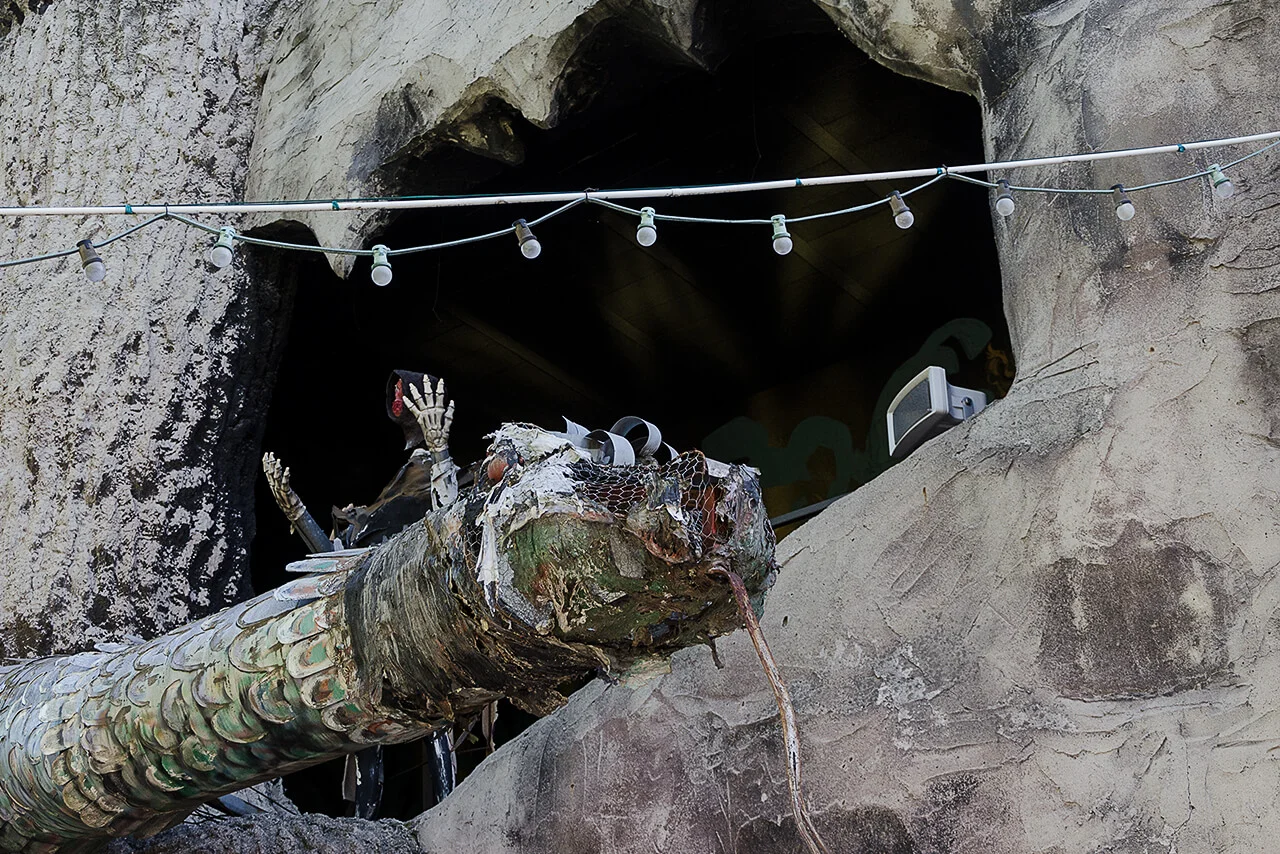
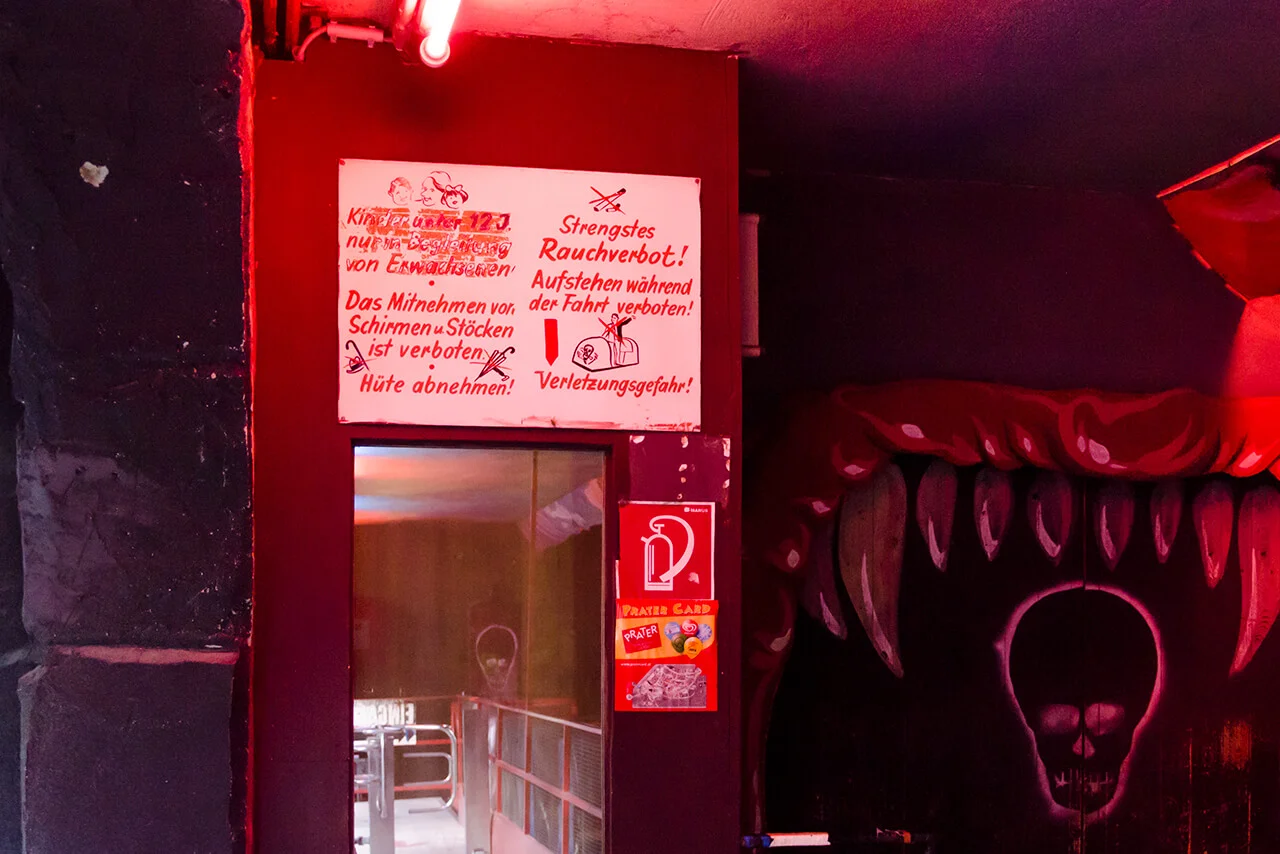
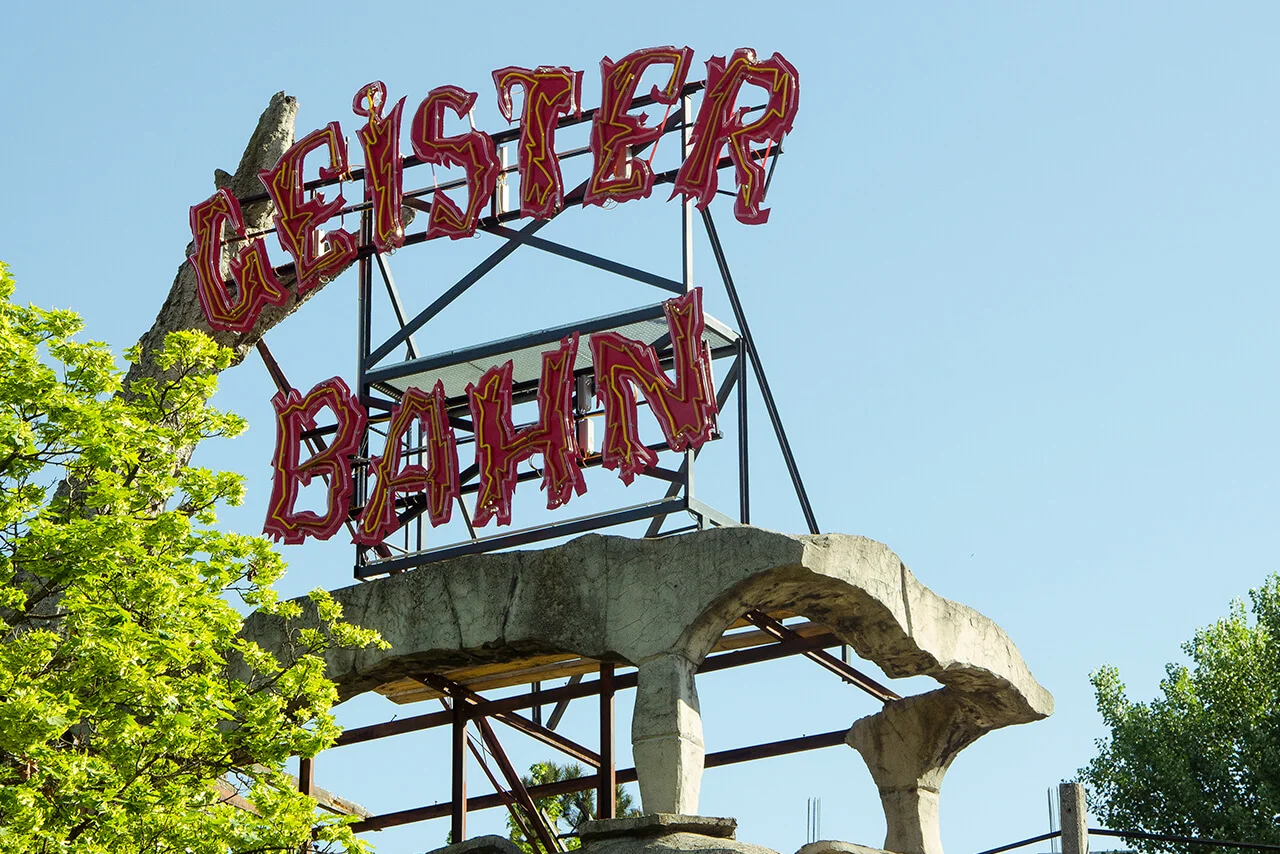
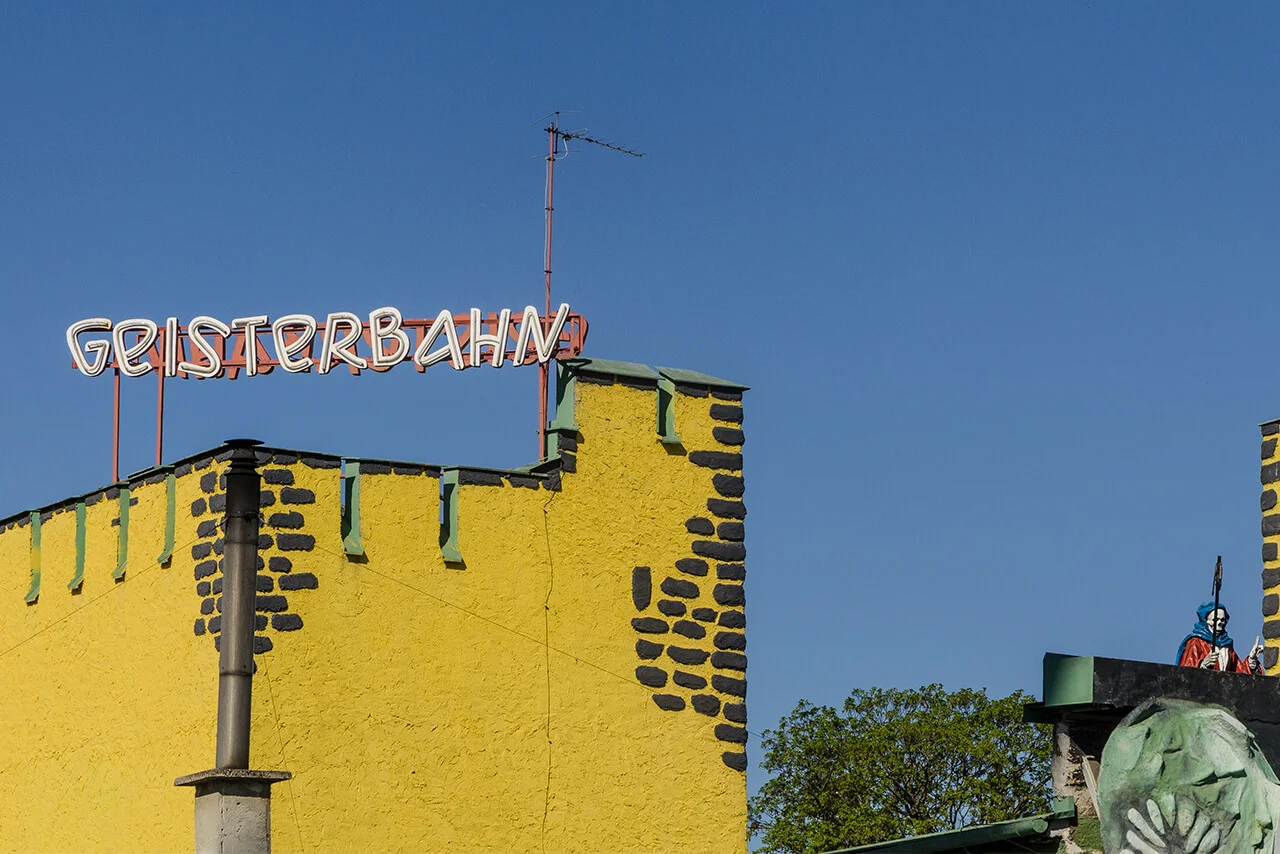
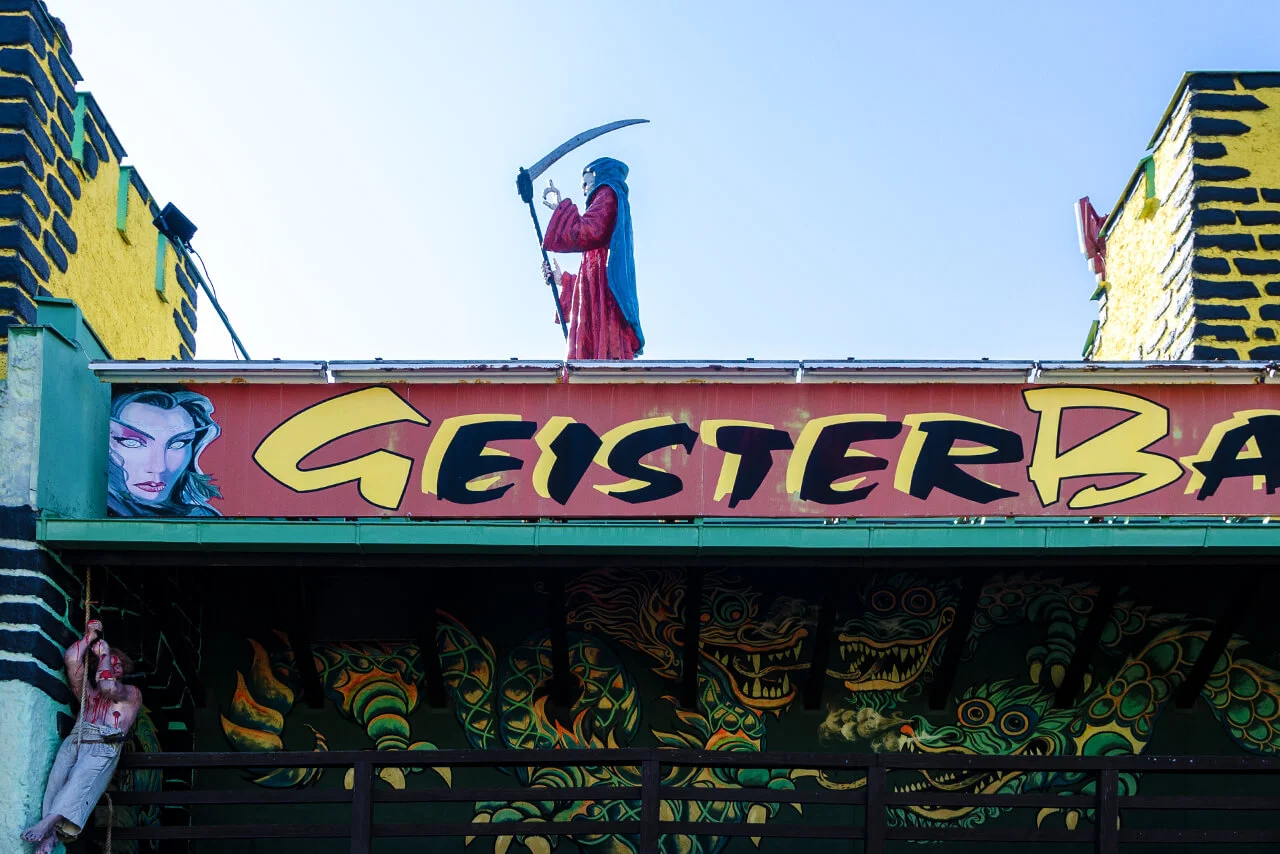
The Geisterschloss, constructed as early as 1948, is the oldest ghost train in the Prater. While its striking animatronics have been replaced over time, the original neon signage from 1955 has been preserved. By contrast, the Große Geisterbahn once boasted of being the largest, longest, and tallest ghost train in Europe.
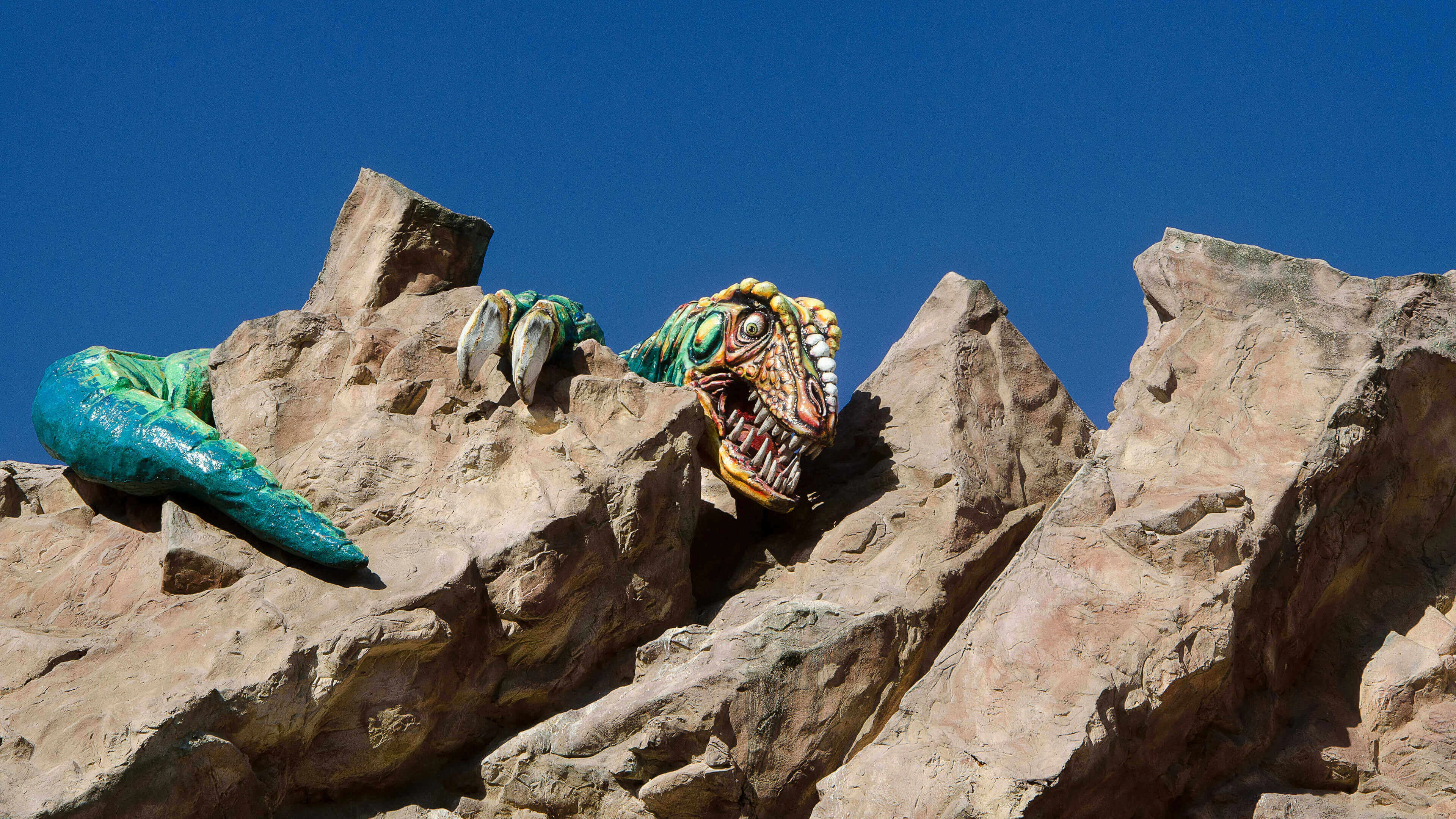
Today, it stands in a rather lamentable condition, its dragon figure hanging in tatters from the façade. The Grim Reaper atop the Geisterbahn zum Roten Adler has been circling above the roof since 1951. Until only a few years ago, the attraction offered a particularly unexpected thrill: concealed behind a bend, an attendant would lie in wait, tickling unsuspecting passengers with a feather duster.
A Ride on the World’s Oldest Elevated Scenic Railway
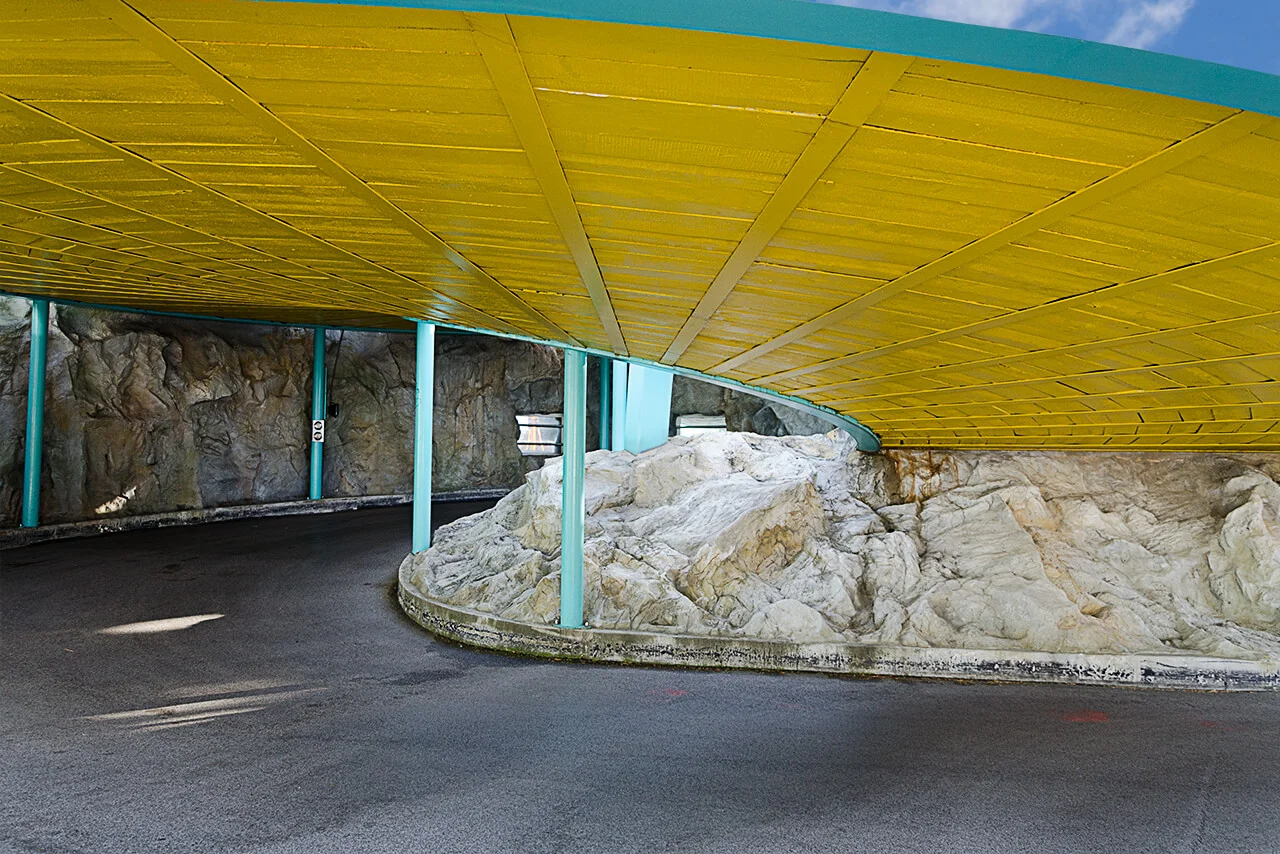
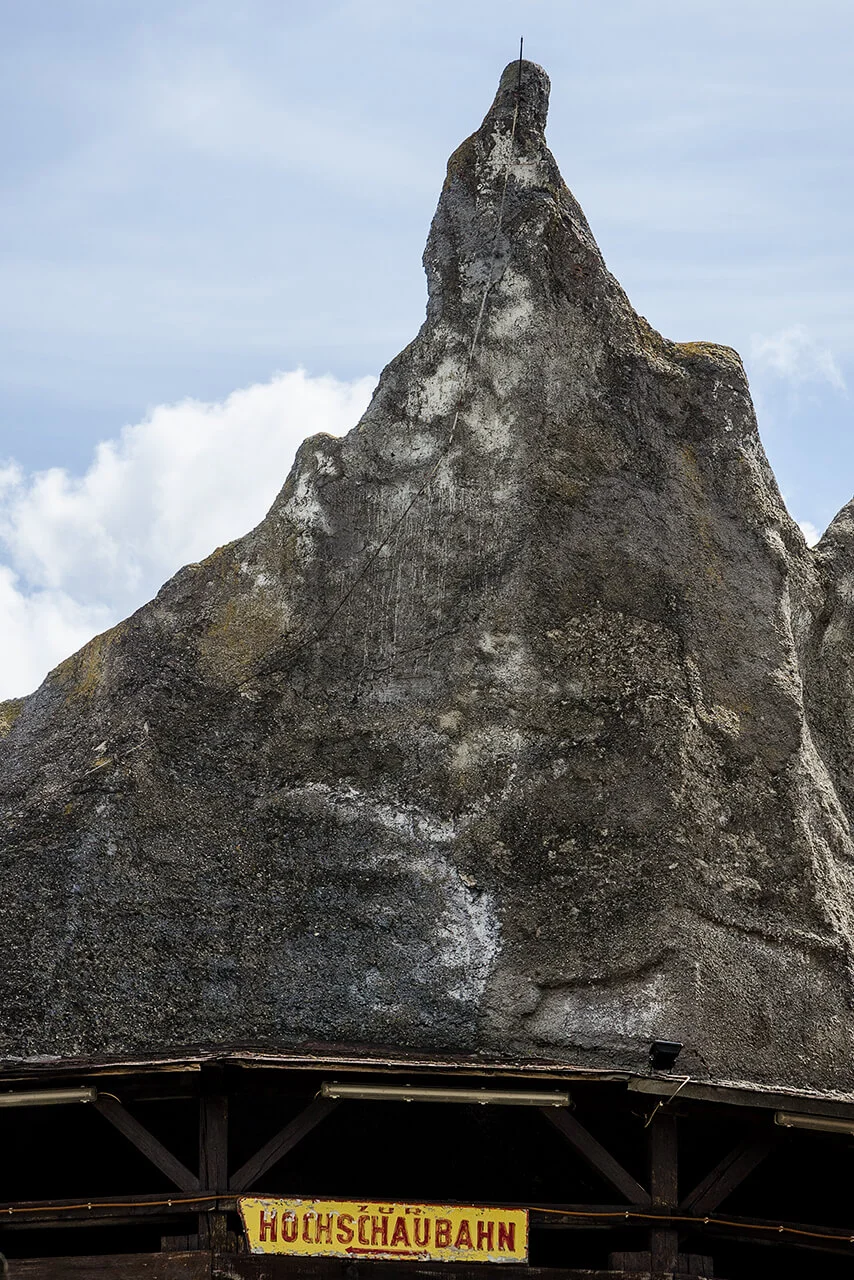
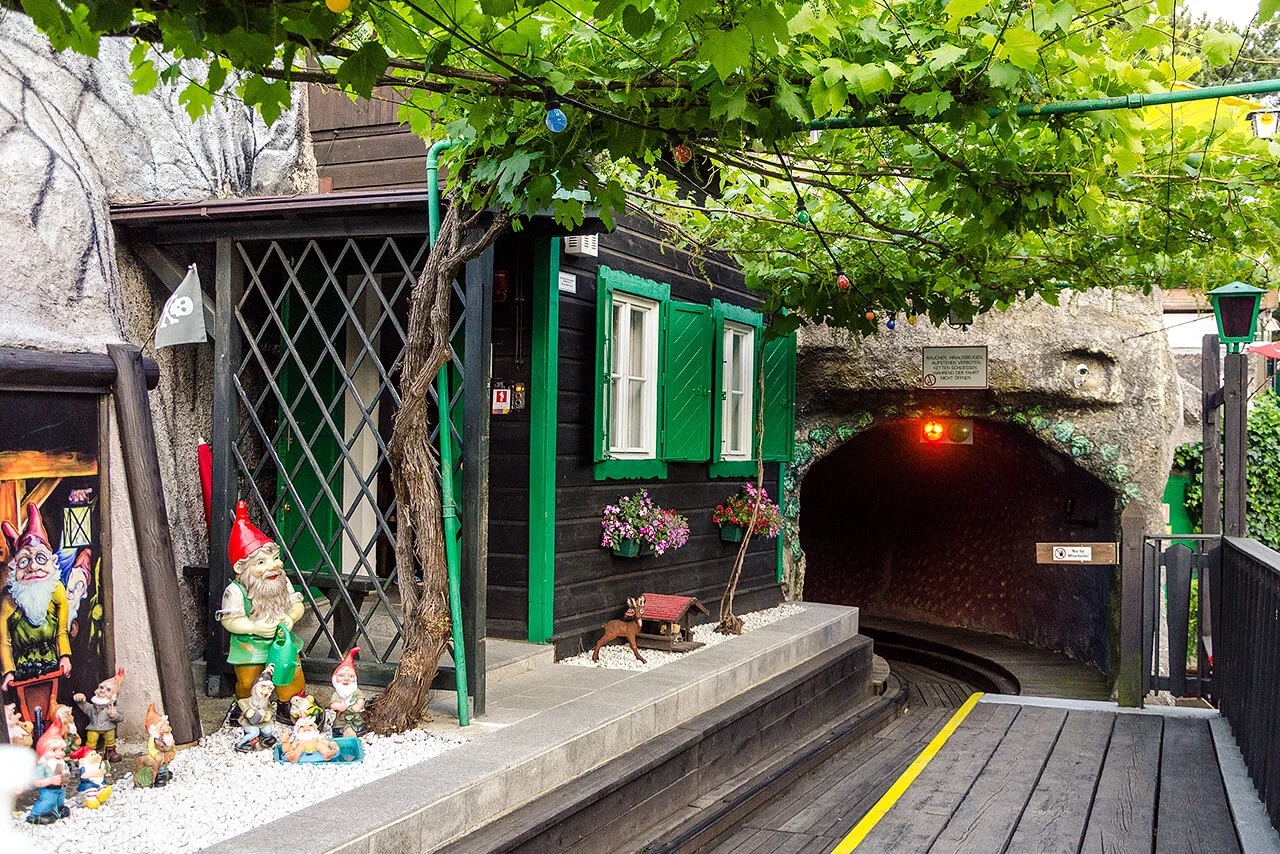
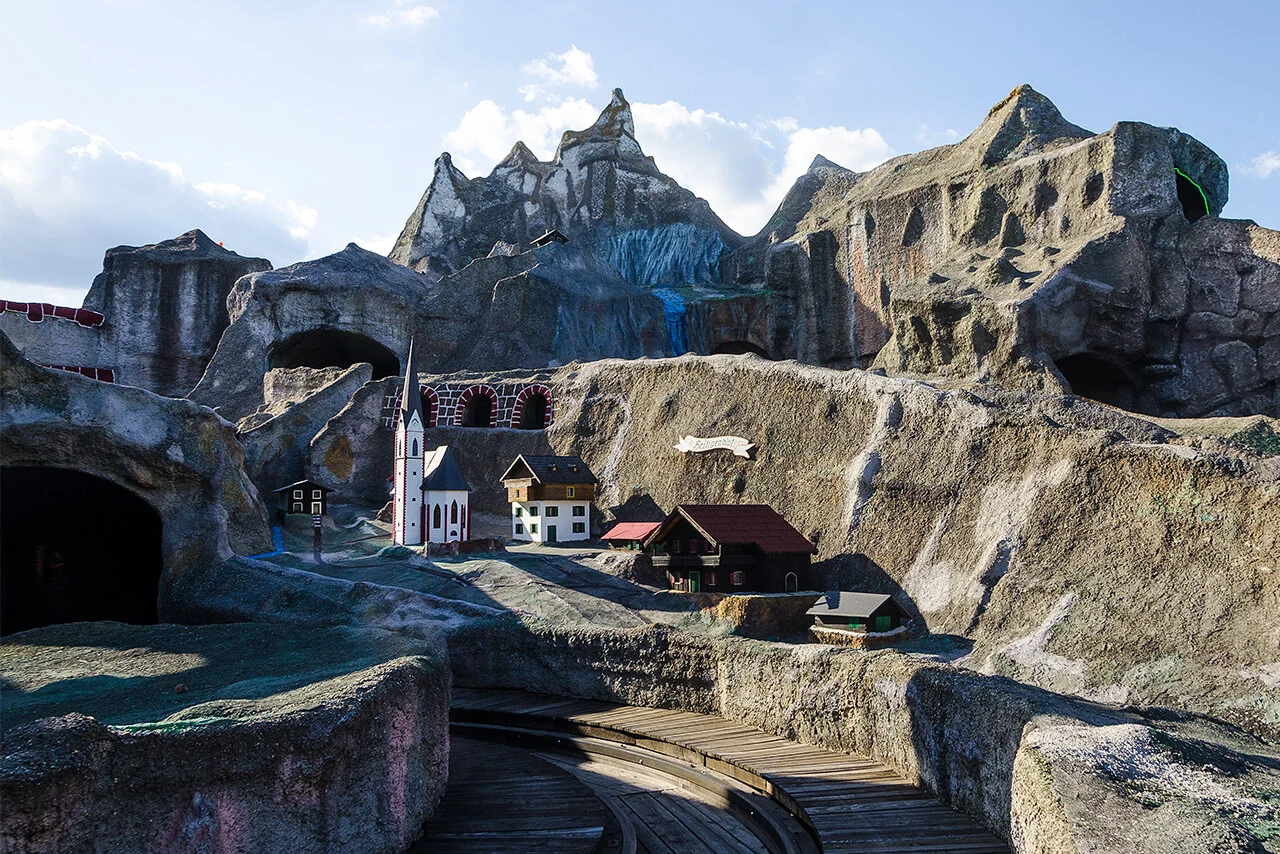
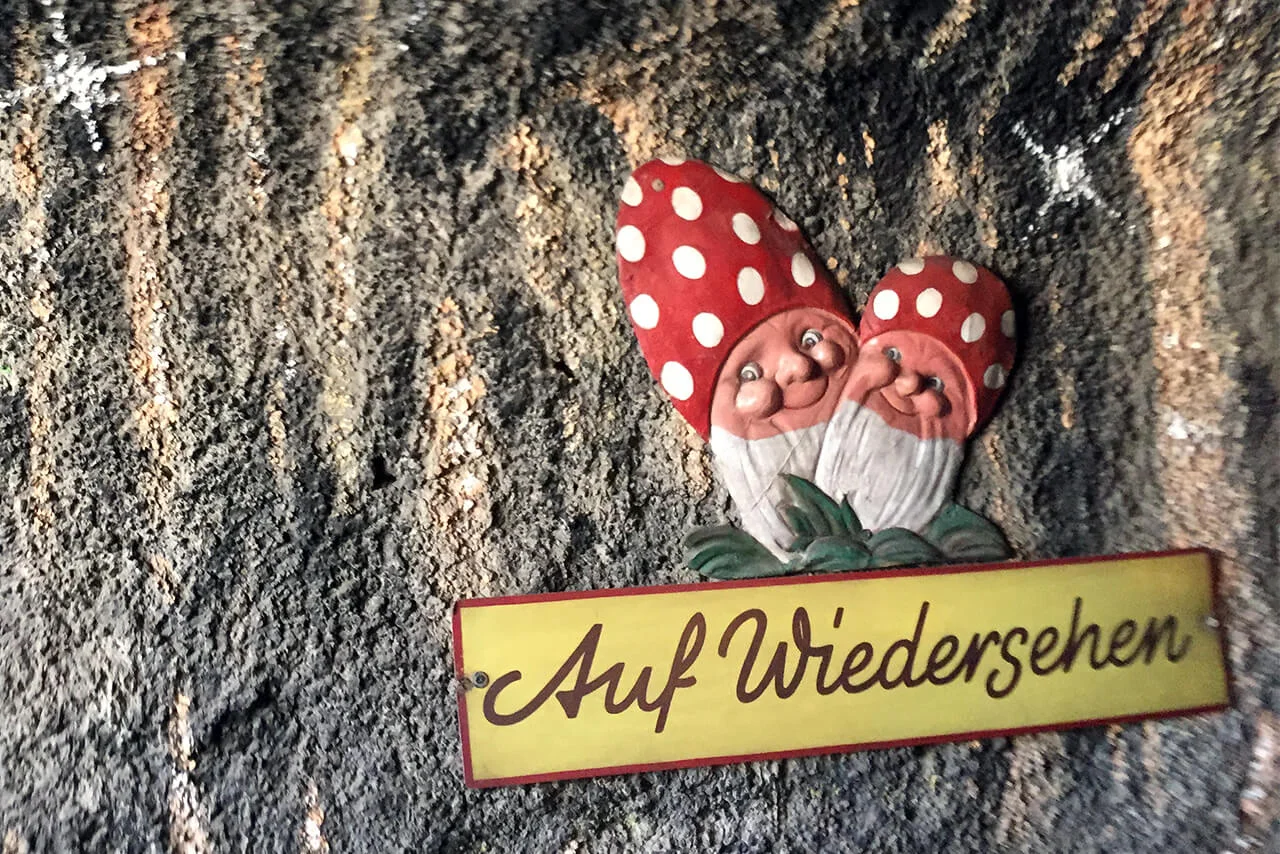
The Hochschaubahn, located beside the Schweizerhaus, is the oldest surviving elevated scenic railway in the world. Constructed from 1948 onwards and opened in 1950 as the Alpenbahn, it soon acquired its affectionate nickname, the Zwergerlbahn, from Viennese visitors—owing to the garden gnomes placed along its route.
In family ownership since 1971, this nostalgic classic among Prater attractions has been preserved in its original state. The structure is built entirely of wood; a ten-metre chain lift carries the trains up onto the track, which winds through an artificial rock formation intended to evoke Austria’s highest mountain, the Großglockner, passing miniature villages and rivers and running through a series of tunnels.
The two trains, each composed of two carriages, accommodate fourteen passengers apiece and are accompanied by so-called brakemen, whose role is to ensure the safety of the approximately 100,000 visitors who ride the attraction each year. Those in search of thrills may find themselves underwhelmed—the journey is never truly perilous. Its appeal lies elsewhere: in a fleeting return to one’s own childhood, a quiet resonance that gives the ride its enduring charm.



Write comment
Write comment
Comments
No Comments